What is Glycine?
Glycine is a simple amino acid that the body can make on its own and also obtain from foods and supplements. It is a nonessential (sometimes called “conditionally essential”) amino acid, meaning the body can synthesize it from other nutrients such as serine, threonine, and choline. Because of this, it is not required in the same way vitamins and minerals are. In supplements, it is typically sold as pure glycine powder or capsules, and it is also a major component of collagen and gelatin.
Glycine serves multiple roles in human physiology. It is a building block of proteins—especially collagen in skin, bones, tendons, ligaments, and cartilage. It also acts as a neurotransmitter, functioning as an inhibitory signal in the spinal cord and brainstem and as a co-agonist at the NMDA receptor, which influences learning and mood. Beyond structural and neurological roles, glycine is a precursor for important compounds including glutathione (an endogenous antioxidant), creatine (supports energy systems), heme (part of hemoglobin), and purines (components of DNA and RNA). It also participates in detoxification through conjugation (for example, forming hippurate with benzoate) and helps form bile salts involved in fat digestion.
In the diet, glycine is abundant in collagen-rich animal tissues (skin, bones, tendons) and present in varying amounts in meat, fish, dairy, and legumes. As a supplement, it is often used for sleep support, metabolic health research, and as part of broader strategies for connective tissue and joint care.
Benefits of Glycine
-
Sleep quality and next-day functioning
(Moderate evidence)
Glycine taken before bed (commonly 3 g) has been shown in several small randomized trials to modestly improve subjective sleep quality, reduce the time it takes to fall asleep, and decrease next-day fatigue after poor sleep. Proposed mechanisms include mild vasodilation and a small drop in core body temperature that can facilitate sleep onset, as well as effects on neurotransmission. Benefits appear modest—not comparable to prescription sleep medications—but can be noticeable for some people.
-
Adjunctive support for negative symptoms in schizophrenia
(Moderate evidence)
Glycine acts as a co-agonist at the NMDA receptor. Clinical studies using relatively high doses (often up to 0.8 g/kg/day under medical supervision) have reported improvements in certain negative symptoms when added to antipsychotic therapy—though not consistently, and generally not effective alongside clozapine. This is a specialized, prescription-adjacent use that should only be pursued with a psychiatrist due to dosing, monitoring needs, and potential drug interactions.
-
Glucose metabolism and insulin sensitivity
(Mixed evidence)
Observational studies associate lower circulating glycine with insulin resistance and type 2 diabetes. Small intervention trials suggest supplemental glycine may modestly improve fasting glucose, HbA1c, or insulin sensitivity in some individuals, while other studies show minimal or no effect. Differences in populations, dosing, and study design likely explain the variability. If benefits occur, they appear incremental and should complement—never replace—diet, exercise, sleep, and prescribed therapies.
-
Liver health markers
(Preliminary evidence)
Animal research and early human studies indicate glycine may help reduce liver inflammation and improve enzymes (ALT/AST) in contexts such as nonalcoholic fatty liver disease or alcohol-related injury. Proposed mechanisms include anti-inflammatory actions, improved oxidative balance via glutathione support, and enhanced detoxification. Human data are still limited; larger, well-controlled trials are needed.
-
Connective tissue and skin support
(Limited evidence)
Glycine is the most abundant amino acid in collagen, which underpins tendons, ligaments, cartilage, bone matrix, and skin. While collagen peptide supplements have some supportive evidence for joint comfort and skin qualities, data for isolated glycine alone are sparse. Glycine may contribute as part of adequate total protein and collagen-rich intake, but expecting glycine by itself to produce collagen-like outcomes is not well supported.
-
Daytime performance after sleep loss
(Limited evidence)
A few small studies suggest pre-bed glycine can lessen subjective daytime sleepiness and cognitive impairment after restricted or poor sleep. Effects appear modest and are not a substitute for adequate sleep, but may offer a small aid during occasional sleep disruption.
Types or Forms Available
-
Pure glycine powder
: The most common and cost-effective form. It is slightly sweet and dissolves easily in water. Look for products labeled USP/Pharmacopeia or third-party tested for purity. Because dosing is flexible, powder is often chosen for bedtime use.
-
Capsules or tablets
: Convenient for those who dislike powders. These typically provide 500 mg to 1,000 mg per capsule. Verify the total dose per serving and the number of capsules required to reach your target dose.
-
Sleep blends containing glycine
: Formulas may combine glycine with magnesium, theanine, melatonin, or herbs. These can be useful, but effects can’t be attributed to glycine alone, and not all ingredients are appropriate for everyone. Check each component and dose.
-
Collagen and gelatin
: Not “glycine supplements,” but rich dietary sources that deliver glycine as part of peptides. Absorption and kinetics differ from free glycine, and they provide additional amino acids relevant to connective tissue.
-
Mineral glycinate chelates (e.g., magnesium glycinate, zinc glycinate)
: These are mineral supplements where glycine acts as a carrier to improve mineral tolerability and absorption. They contribute only small amounts of glycine and are not intended to deliver glycine’s standalone effects.
How to Use Glycine
Glycine is straightforward to use for most healthy adults when kept within commonly studied amounts. Personalize based on goals, tolerance, and guidance from a qualified professional if you take medications or manage a health condition.
-
Common dosage range:
1.5–5 g per day is typical for general wellness or sleep support, with many sleep trials using 3 g taken once before bed. Some metabolic studies use 3–5 g divided once or twice daily. Clinical psychiatric protocols employ much higher doses under medical supervision and are not general-use guidance.
-
Best timing:
For sleep, take 30–60 minutes before bedtime. For other purposes, timing is flexible; once or twice daily dosing is common.
-
How to take it:
Mix powder in water or a caffeine-free bedtime beverage; capsules can be taken with water. Glycine may be taken with or without food. If you notice mild stomach upset, take it with a small snack.
-
Consistency:
For sleep, some people use it nightly; others reserve it for nights when they expect difficulty sleeping. For metabolic or liver-support research goals, consider daily use for several weeks before judging effects, alongside diet and lifestyle changes.
Food Sources and Supplement Options
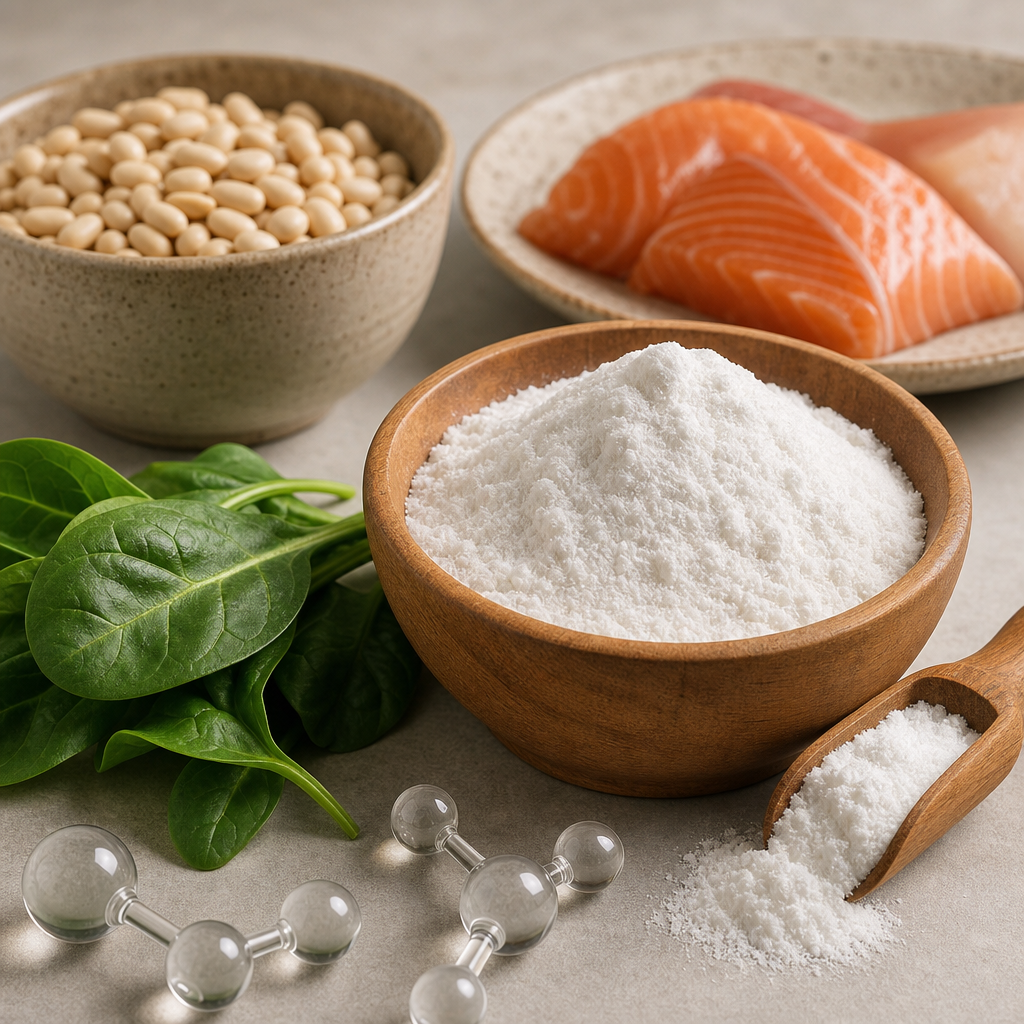
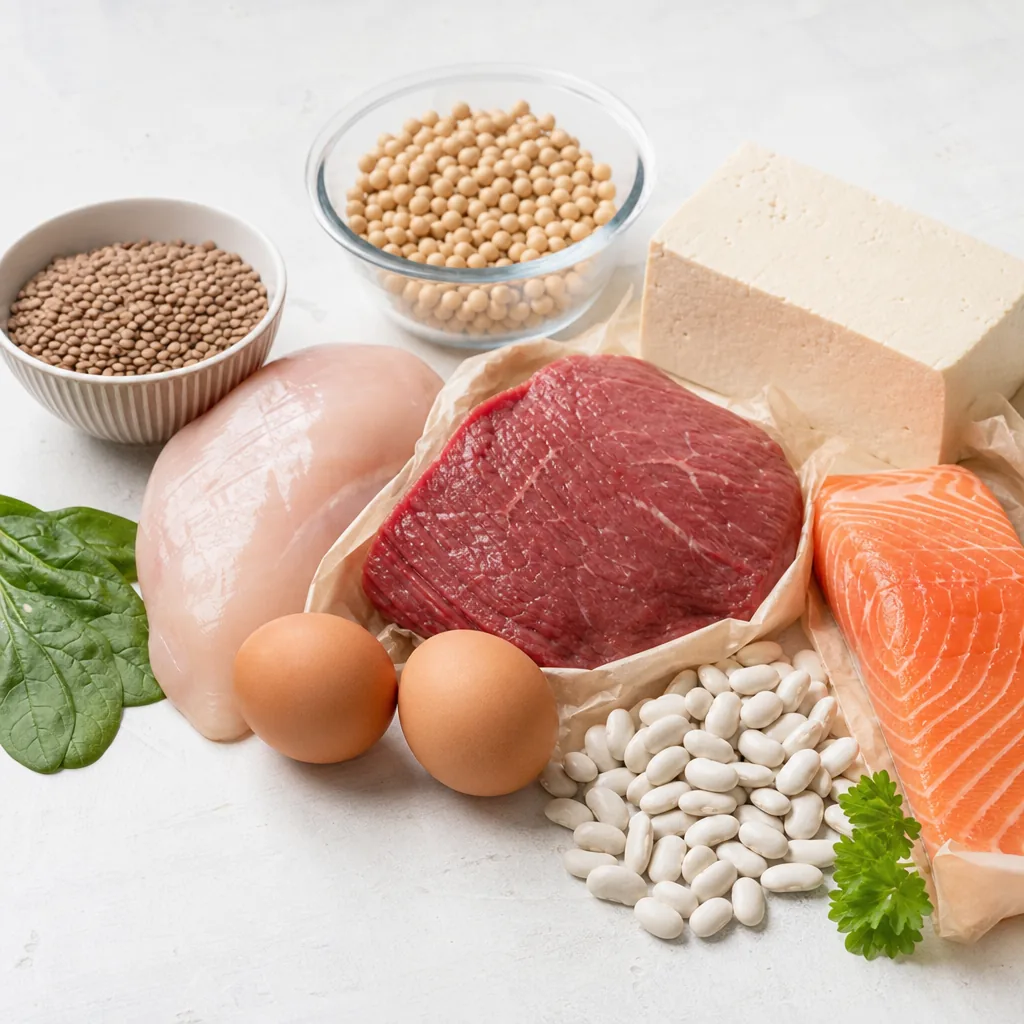
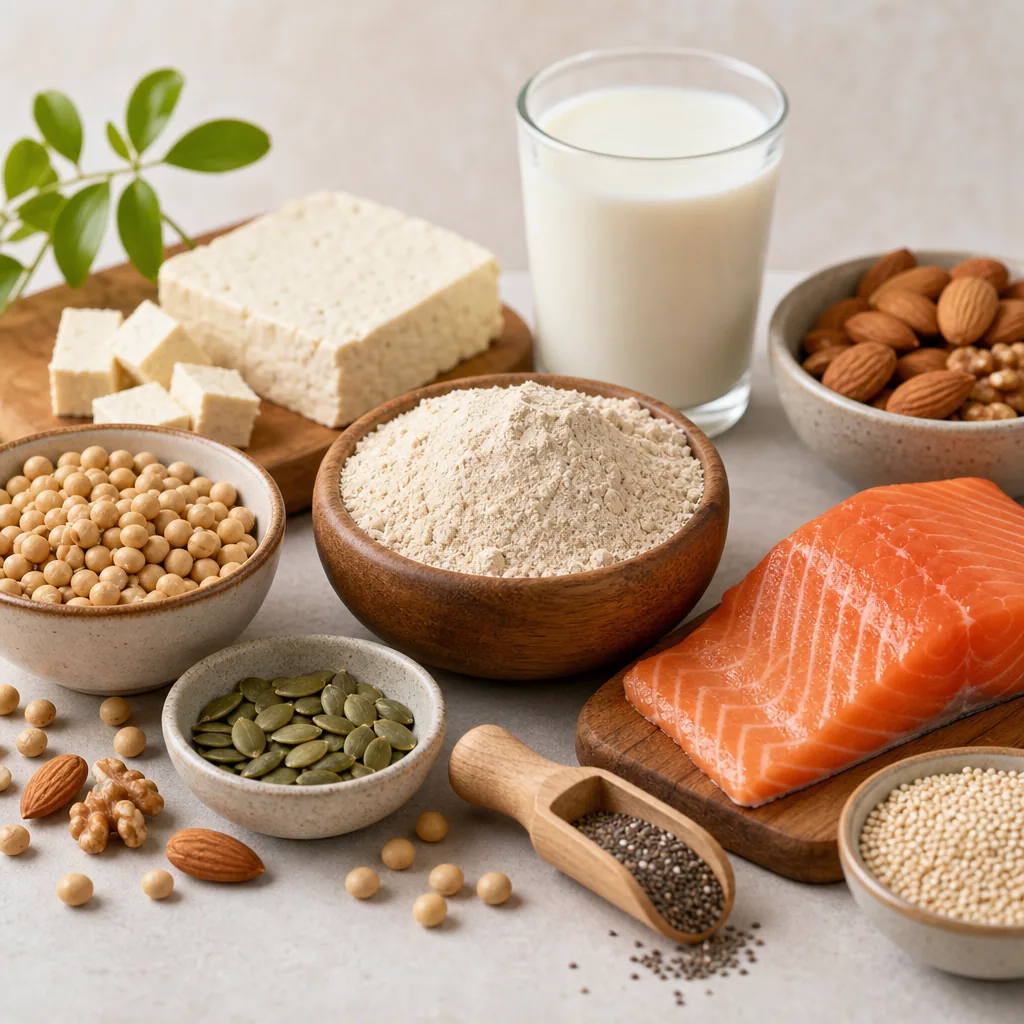
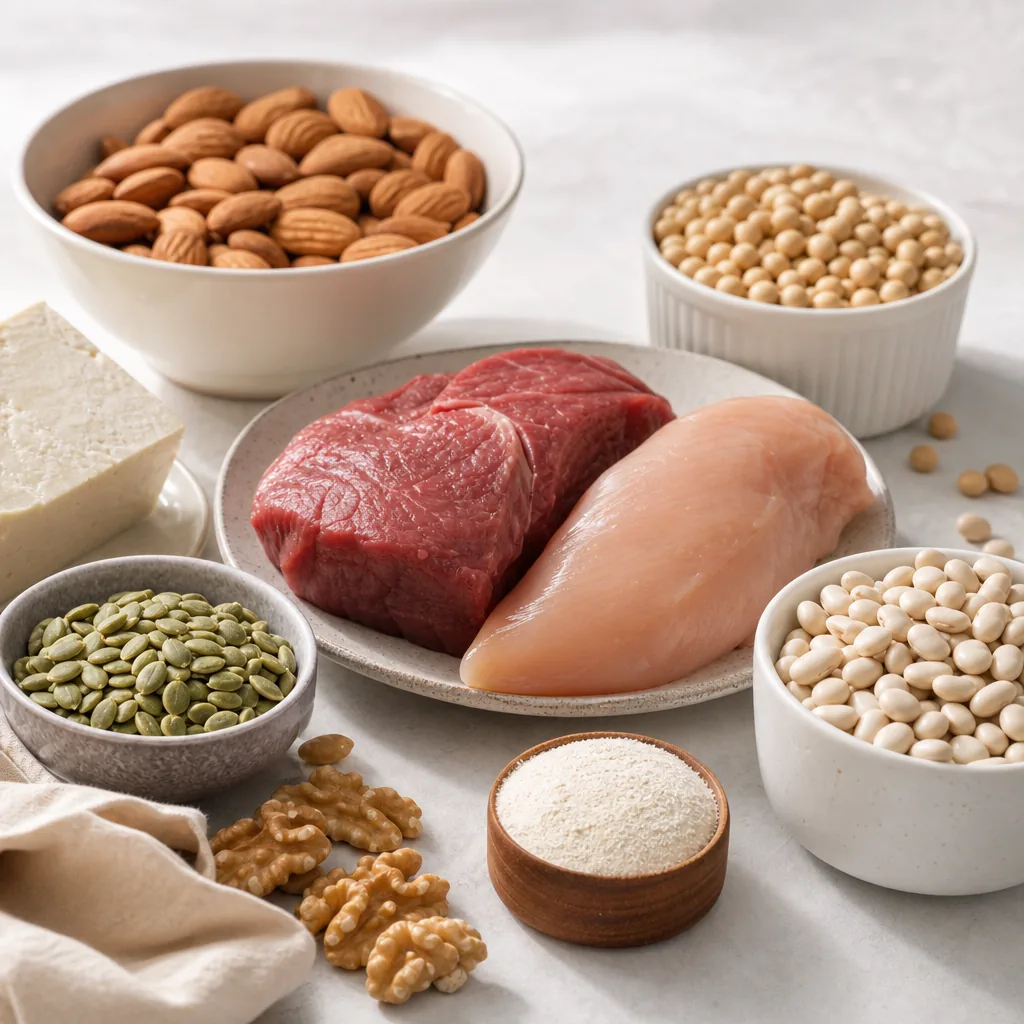
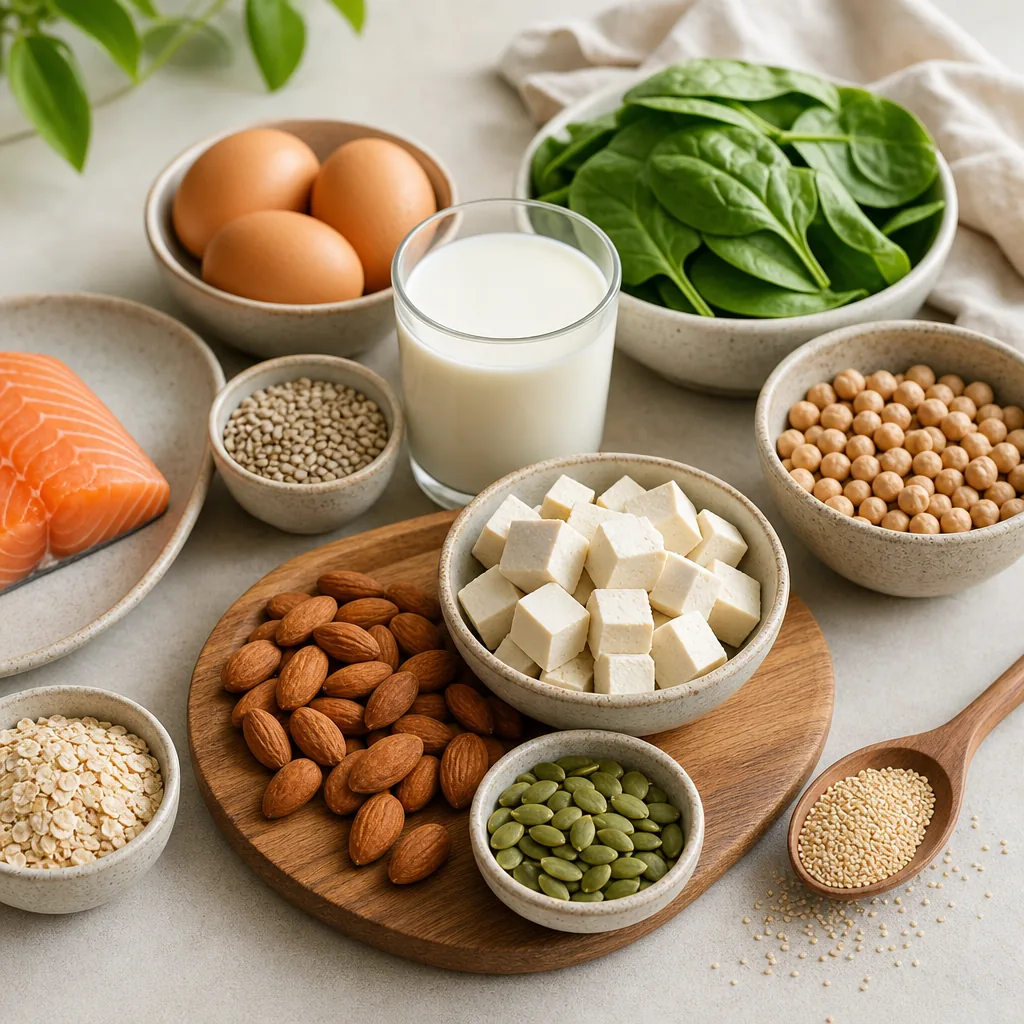
Glycine is found naturally in both animal and plant foods, with the highest concentrations in collagen-rich tissues. Supplements provide a precise, convenient dose when dietary patterns do not include many collagen-containing foods or when a specific timing strategy (e.g., pre-bed) is desired.
-
Gelatin and collagen peptides
-
Skin-on poultry, pork skin, and slow-cooked cuts with connective tissue (e.g., shank, oxtail)
-
Bone broth and long-simmered soups and stews
-
Beef, pork, fish, and other meats
-
Legumes (such as soy, lentils, beans) and some seeds, in smaller amounts
-
Dairy products (modest amounts)
Whole foods offer additional nutrients—other amino acids, minerals, and bioactive compounds—that work together to support health. Supplements can be helpful for targeted dosing (such as 3 g before bed) or for individuals who rarely eat collagen-rich foods. A food-first approach is usually sensible, with supplements layered in for specific goals.
Who May Benefit from Glycine?
-
Adults seeking gentle, non-sedating support for sleep quality or sleep onset, especially during periods of stress or occasional sleep disruption
-
People who rarely consume collagen-rich foods (skin, gelatin, slow-cooked connective tissues) but want to increase dietary glycine intake
-
Individuals exploring adjunctive nutrition strategies for metabolic health, alongside medical care, diet, and exercise
-
Athletes or active individuals focusing on connective tissue support as part of an overall protein and collagen strategy
-
Patients under psychiatric care where a clinician recommends supervised adjunctive glycine for specific indications
-
Older adults with lower protein intake who are optimizing amino acid balance in consultation with a clinician or dietitian
Side Effects and Considerations
-
Gastrointestinal effects:
Nausea, soft stools, or stomach discomfort can occur, especially at higher doses. Starting low and dividing doses can improve tolerance.
-
Drowsiness and temperature effects:
Glycine may promote relaxation and slightly lower core body temperature. Avoid activities requiring full alertness if you feel drowsy, and use bedtime dosing when sleep support is the goal.
-
Blood sugar interactions:
Because glycine may modestly influence glucose metabolism, people with diabetes or those using glucose-lowering medications should monitor glucose and consult their healthcare provider before use.
-
Psychiatric medications:
High-dose glycine used adjunctively in schizophrenia should be supervised by a psychiatrist. It may not be effective—and could interfere—when combined with clozapine. Do not self-prescribe high doses.
-
Kidney or liver conditions:
Individuals with significant renal or hepatic disease should consult a clinician before using amino acid supplements due to altered metabolism and nitrogen handling.
-
Pregnancy, breastfeeding, and children:
Safety data are limited. Those who are pregnant, breastfeeding, giving supplements to children, taking medications, or managing a medical condition should seek medical advice before use.
-
Dose escalation:
Avoid megadoses. Excessive intake of a single amino acid can cause imbalances with others and increase side effect risk.
-
Product quality:
Choose reputable, third-party tested products. If you avoid animal products, verify that glycine is produced by fermentation and that capsules are not gelatin-based.
-
Surgery and procedures:
As with many supplements, consider pausing glycine 1–2 weeks before elective surgery unless your medical team advises otherwise.
Common Myths About Glycine
-
Myth: “Glycine is an essential amino acid you must supplement every day.”
Glycine is nonessential because the body can make it from other nutrients. Many people meet their needs through normal dietary protein. Supplementation is optional and goal-dependent.
-
Myth: “Glycine will knock you out like a sleeping pill.”
Evidence suggests modest improvements in sleep quality and sleep onset for some individuals. It is not a sedative-hypnotic and does not affect everyone the same way.
-
Myth: “Taking glycine alone builds collagen and fixes joint problems.”
Collagen synthesis requires multiple amino acids, vitamin C, adequate energy, and mechanical loading. Research supports collagen peptides more than isolated glycine for joint or skin outcomes; data for glycine alone are limited.
-
Myth: “More is always better.”
Very high doses increase the risk of side effects and can interact with medications. Appropriate, conservative dosing aligned with your goals is safer and more evidence-based.
Conclusion
Glycine is a versatile, nonessential amino acid with roles in collagen structure, neurotransmission, and antioxidant and metabolic pathways. Evidence is most consistent for modest improvements in sleep quality and for specialized, supervised use as an adjunct in certain psychiatric contexts. Findings for glucose metabolism, liver markers, and connective tissue support are promising but not definitive.
For many, focusing on whole-food sources—especially collagen-rich foods—provides glycine alongside complementary nutrients. Supplements can be useful for targeted dosing (such as 3 g before bed) or when dietary patterns limit collagen intake. Choose quality products, avoid megadoses, and be cautious if you are pregnant, breastfeeding, managing a medical condition, or taking medications—particularly antipsychotics or glucose-lowering drugs. When used thoughtfully within a food-first approach and healthy lifestyle, glycine can be a practical tool for specific wellness goals.