What is Hawthorn?
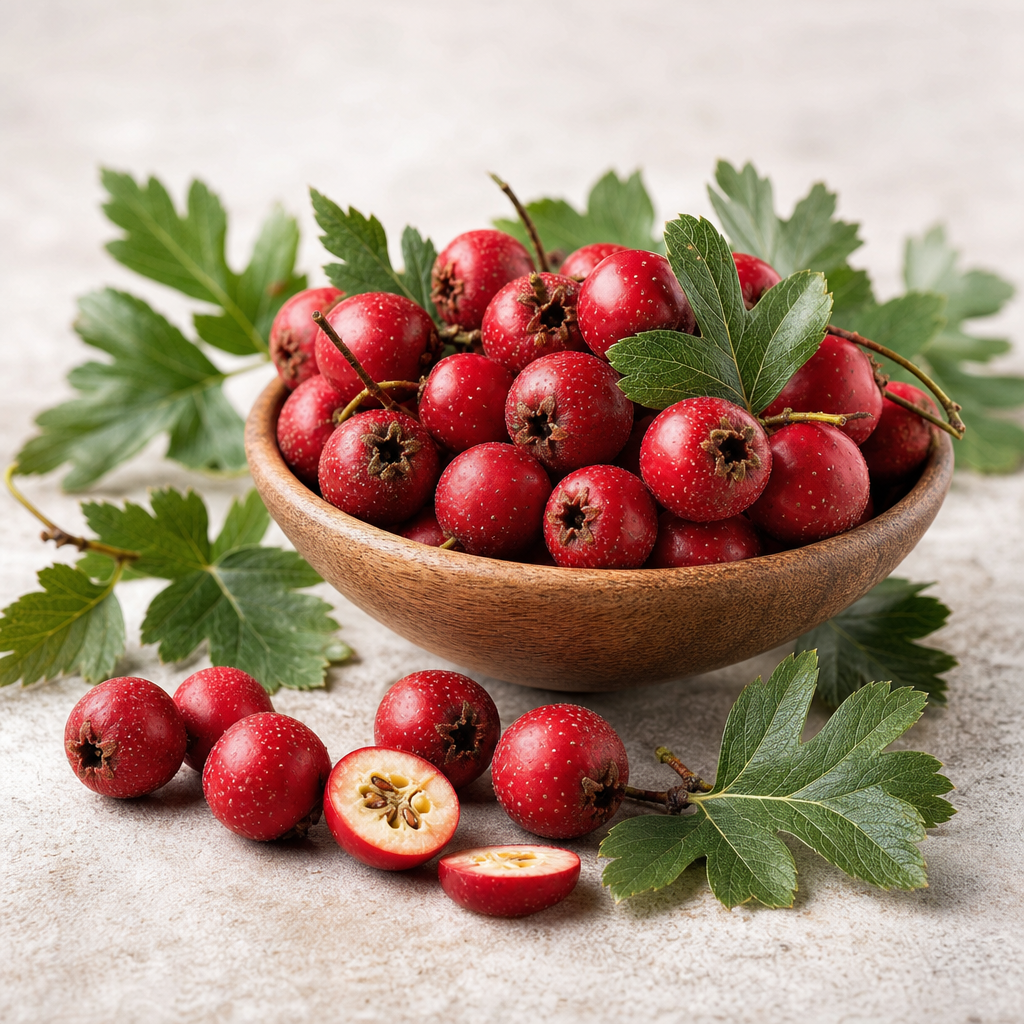
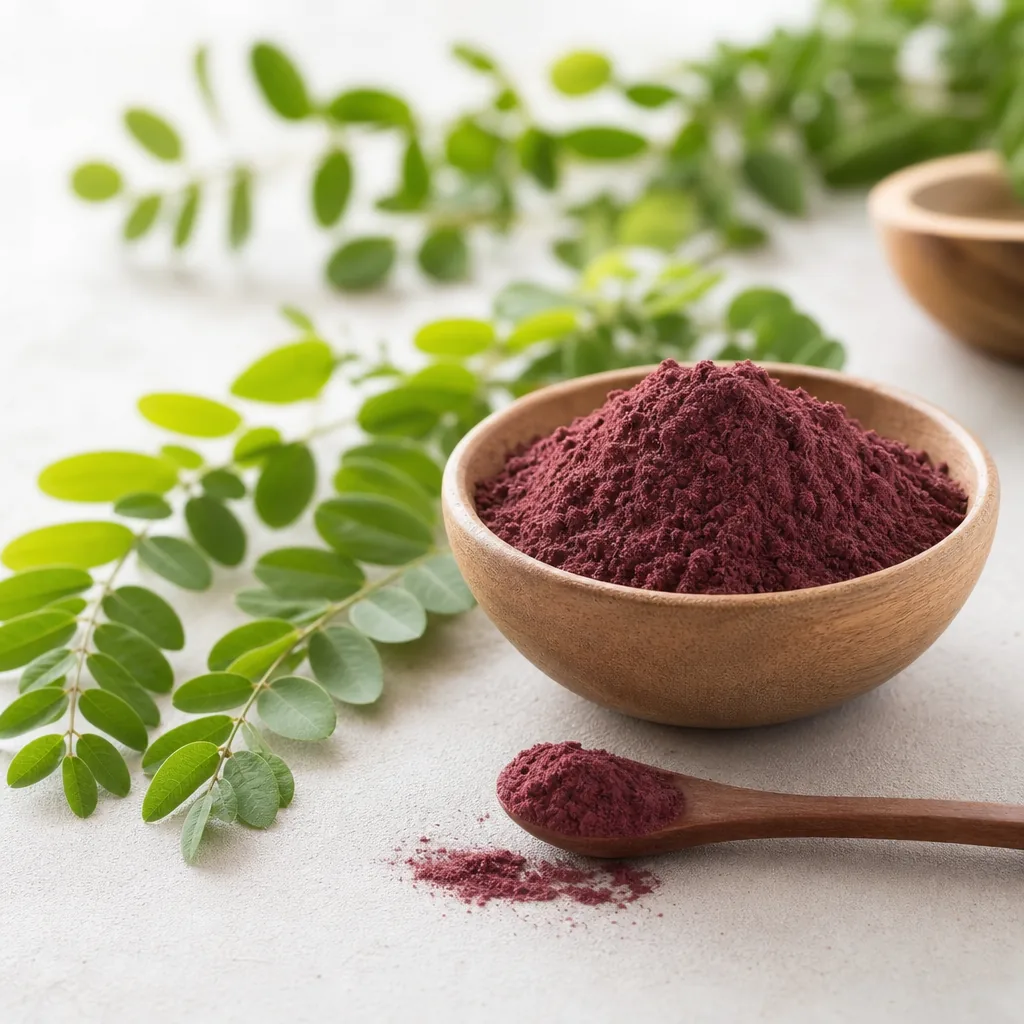
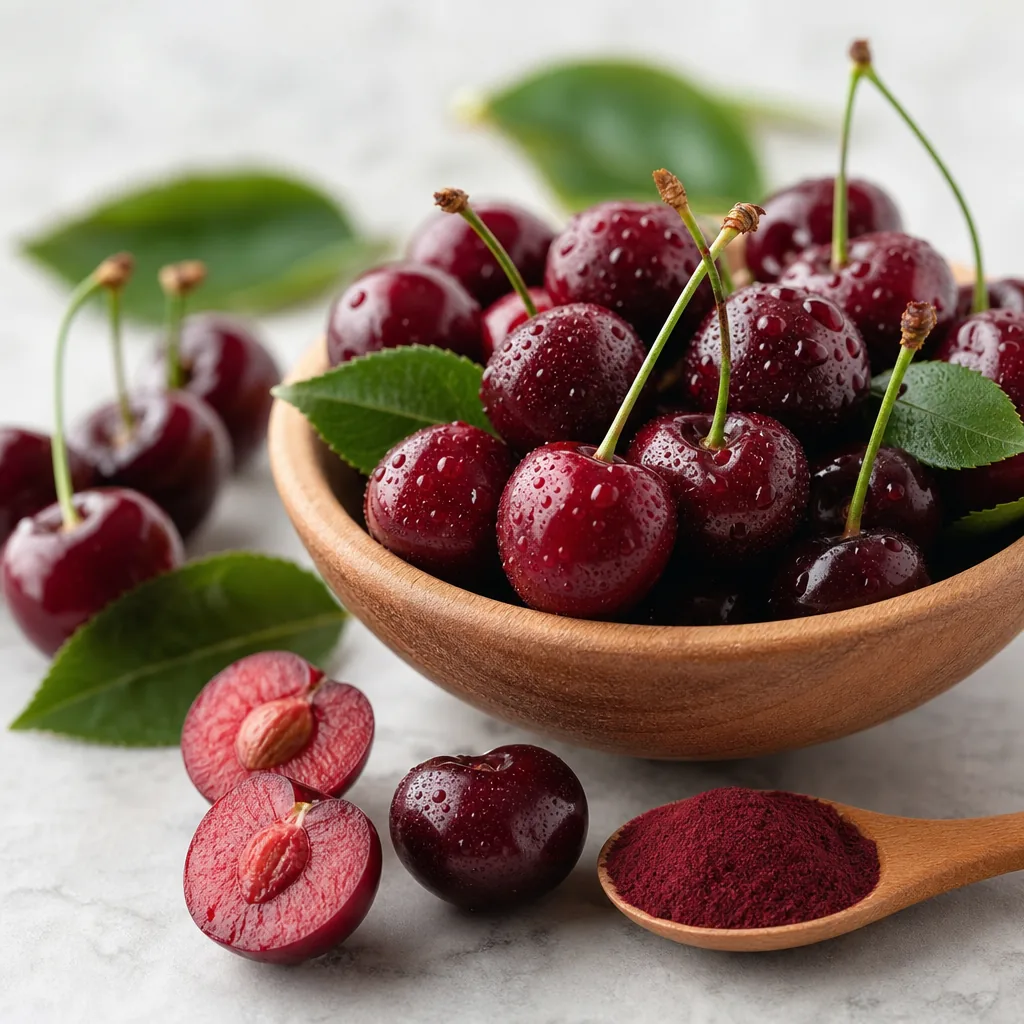
Hawthorn (genus Crataegus) is a thorny shrub or small tree in the rose family (Rosaceae). It grows widely across Europe, Asia, and North America. In traditional European and Chinese herbal practices, the berries, leaves, and flowers have been used for centuries, most commonly to support the heart and circulation. Modern supplements typically use standardized extracts of the leaves and flowers or, less commonly, berry extracts.
Hawthorn is a botanical herb, not an essential nutrient. Unlike vitamins and minerals, the body does not require hawthorn to function. Its value lies in bioactive plant compounds—especially flavonoids (such as hyperoside, vitexin derivatives) and oligomeric procyanidins (OPCs)—that may influence vascular tone, endothelial function, oxidative balance, and cardiac performance. Because potency varies by plant part, species, and processing, standardized extracts are often used in clinical studies and commercial supplements to provide consistent levels of key constituents.
Benefits of Hawthorn
-
Support for mild heart failure symptoms (NYHA class II–III)
(Moderate evidence)
Hawthorn leaf-and-flower extracts standardized to flavonoids or oligomeric procyanidins have been studied as adjuncts to standard care for mild heart failure. Several randomized trials (e.g., with WS 1442 or LI 132) report improvements in exercise tolerance, fatigue, and shortness of breath compared with placebo. Benefits appear to be symptom-focused and may take weeks to develop. Evidence for reducing hard outcomes like hospitalization or mortality is inconsistent, so hawthorn should not replace prescribed therapy. Any use alongside cardiac medications requires medical supervision.
-
Blood pressure support in mildly elevated blood pressure
(Mixed evidence)
Some small trials suggest hawthorn may modestly reduce systolic and/or diastolic blood pressure, potentially via vasodilation and improved endothelial function. Other studies find no significant effect, or effects limited to specific populations (e.g., individuals with type 2 diabetes and mild hypertension). Overall changes, when observed, tend to be small. Hawthorn is not a substitute for antihypertensive treatment, but may offer complementary support under professional guidance.
-
Angina and chest discomfort
(Limited evidence)
Historically used for angina, hawthorn may improve coronary blood flow and reduce oxidative stress. A few older or small modern studies report reduced frequency of chest discomfort and improved exercise capacity, but data are limited and heterogeneous. Anyone with chest pain requires prompt medical evaluation; hawthorn use for angina should only occur as part of a clinician-supervised plan.
-
Lipid profile and metabolic markers
(Limited evidence)
Preliminary research indicates hawthorn extracts might modestly lower LDL cholesterol or triglycerides and improve some metabolic indicators, likely tied to polyphenol content and antioxidant effects. Results vary by extract type, dose, and population, and are not consistent enough to recommend hawthorn for dyslipidemia treatment. Diet, physical activity, and prescribed therapies remain first-line.
-
Anxiety and stress-related palpitations
(Preliminary evidence)
Hawthorn appears in combination formulas for mild anxiety or stress-related palpitations. A few small studies using multi-ingredient blends (e.g., hawthorn with magnesium and California poppy) suggest reduced anxiety and improved sleep. Because hawthorn is not isolated in these trials, it is unclear how much benefit comes from hawthorn alone. Evidence for standalone anxiolytic effects remains preliminary.
-
Endothelial function and antioxidant support
(Preliminary evidence)
In vitro and early human research suggest hawthorn’s flavonoids and OPCs may enhance nitric-oxide–mediated vasodilation, reduce lipid peroxidation, and support endothelial health. Biomarker changes are encouraging, but long-term clinical relevance—especially on cardiovascular events—has not been firmly established.
Types or Forms Available
-
Standardized leaf-and-flower extracts:
The most studied form. Common standardizations include about 18–20% oligomeric procyanidins (e.g., WS 1442 at 18.75% OPCs) or approximately 2–3% total flavonoids (e.g., LI 132). Standardization helps deliver consistent amounts of active compounds and mirrors clinical trial materials.
-
Berry (fruit) extracts:
Rich in flavonoids and procyanidins but less frequently used in clinical research than leaf-and-flower extracts. Products vary widely in potency and may be standardized to total polyphenols or OPCs.
-
Tinctures and liquid extracts:
Alcohol- or glycerin-based preparations made from leaves, flowers, and/or berries. Dosing is typically given in milliliters. Potency depends on ratio (e.g., 1:2 or 1:5) and the plant parts used.
-
Teas and whole-plant preparations:
Dried leaves, flowers, and berries can be brewed as tea or included in traditional preparations. Teas are gentler and variable in strength; they may be suitable for general wellness but are not interchangeable with standardized extracts used in trials.
-
Capsules and tablets:
Convenient delivery for standardized extracts. Labels should specify species (e.g., Crataegus monogyna/laevigata), plant part (leaf/flower vs. berry), extraction ratio, and standardization to OPCs or flavonoids.
How to Use Hawthorn
Because potency differs by extract, always follow the product label and consult a healthcare professional—especially if you take medications or manage a heart condition. Research most often uses standardized leaf-and-flower extracts.
-
Common dosage range:
Often 160–600 mg per day of a standardized extract (divided 1–2 doses). Some studies on mild heart failure used up to 900 mg/day, but higher intakes should be medically supervised. Start at the lower end to assess tolerance.
-
Best timing:
Timing is flexible. Many people take hawthorn with breakfast and/or dinner. Consistent daily use for 4–8 weeks is typically needed to assess effects.
-
How to take it:
Take capsules or tablets with water and, if sensitive, with food to reduce stomach upset. Teas and tinctures can be taken between meals unless they cause GI discomfort.
-
Consistency:
Benefits tend to be gradual and depend on regular use. Hawthorn is not intended for rapid relief of acute symptoms such as chest pain or severe palpitations.
Food Sources and Supplement Options
Hawthorn is a plant-based herb rather than a common dietary nutrient. The natural sources are the hawthorn tree’s berries (haws), leaves, and flowers. In some regions, berries are made into teas, jams, or candies. However, the clinically studied preparations are usually standardized leaf-and-flower extracts provided as supplements.
-
Natural plant parts:
Hawthorn berries, leaves, and flowers from Crataegus species (e.g., C. monogyna, C. laevigata).
-
Traditional preparations:
Teas and decoctions from dried plant material for general wellness.
-
Supplement forms:
Standardized extracts (capsules, tablets, or liquid tinctures) for targeted and consistent dosing.
Whole-plant preparations can provide additional phytonutrients and a gentler experience, while supplements allow more precise and research-aligned dosing. Supplementation may make sense when a standardized, predictable intake is desired or when guided by a clinician for specific goals. Quality varies widely; choose products that specify species, plant part, and standardization, and favor third-party testing for purity and potency.
Who May Benefit from Hawthorn?
-
Adults seeking complementary support for cardiovascular wellness, especially those interested in traditional herbal approaches alongside lifestyle measures.
-
People with borderline or mildly elevated blood pressure who are already implementing diet, exercise, stress management, and clinician-guided care.
-
Individuals with mild heart failure symptoms under medical supervision who are exploring adjunctive herbal options supported by some clinical research.
-
Those looking for gentle circulatory and endothelial support as part of a broader heart-healthy routine.
-
People experiencing stress-related palpitations or mild anxiety who are considering multi-ingredient calming formulas (evidence is preliminary).
-
Older adults interested in cardiovascular resilience, provided they review safety and interactions with a healthcare professional.
Side Effects and Considerations
-
Common side effects:
Generally well tolerated; possible nausea, stomach discomfort, headache, dizziness, palpitations, or mild rash. Taking with food may reduce GI upset.
-
Heart medications:
Hawthorn may enhance the effects of cardiac drugs (e.g., digoxin), vasodilators, nitrates, beta-blockers, calcium-channel blockers, or antihypertensives. Combining without medical oversight is not advised.
-
Blood pressure and heart rate:
May lower blood pressure and influence heart rate. Monitor if you have hypotension, orthostatic dizziness, or arrhythmias, and discuss with your clinician.
-
Antiplatelet/anticoagulant caution:
Hawthorn may have mild antiplatelet effects. Use caution with warfarin, direct oral anticoagulants, or antiplatelet drugs. Stop at least 1–2 weeks before surgery unless your surgeon advises otherwise.
-
Pregnancy and breastfeeding:
Safety data are insufficient. Avoid use unless recommended by a qualified healthcare professional.
-
Children and adolescents:
Limited safety data; avoid routine use unless directed by a pediatric clinician.
-
Kidney or liver concerns:
Human data are limited; use cautiously and consult a healthcare professional if you have hepatic or renal impairment.
-
Allergies:
People with known sensitivity to plants in the Rosaceae family (e.g., apples, pears) should exercise caution and monitor for reactions.
-
Quality and labeling:
Choose products that identify species (e.g., C. monogyna/laevigata), plant parts (leaf/flower vs. berry), extraction ratio, and standardization (e.g., 18–20% OPCs or ~2–3% flavonoids). Prefer third-party tested supplements.
-
Medical conditions and medications:
If you are pregnant, breastfeeding, taking medications, or managing a medical condition (especially heart disease, blood pressure disorders, bleeding risks), consult a healthcare professional before use.
Common Myths About Hawthorn
-
“Hawthorn can replace heart medications.”
Evidence does not support substituting hawthorn for prescribed cardiac therapies. Some studies show adjunctive symptom benefits in mild heart failure, but effects on major outcomes are uncertain. Always use hawthorn, if at all, in coordination with your clinician.
-
“More is better.”
Higher doses do not guarantee better results and may increase side effects or interactions. Most research uses moderate, standardized doses. Start low, follow labels, and seek professional guidance for individualized dosing.
-
“All hawthorn products are the same.”
Potency varies by species, plant part, extraction method, and standardization. Leaf-and-flower extracts standardized to OPCs or flavonoids are the most studied; teas or non-standardized products are not equivalent in strength or effects.
-
“Hawthorn works immediately for chest pain.”
Hawthorn is not a fast-acting remedy for acute symptoms. Chest pain requires urgent medical evaluation. Any potential benefits of hawthorn usually emerge gradually with consistent use.
Conclusion
Hawthorn is a traditional cardiovascular herb with modern research supporting symptom relief in mild heart failure and possible, modest benefits for blood pressure, vascular function, and quality of life. It is not an essential nutrient and should not replace conventional treatment. The strongest evidence involves standardized leaf-and-flower extracts used alongside medical care and heart-healthy habits.
People taking medications, those who are pregnant or breastfeeding, and anyone managing a medical condition should consult a healthcare professional before using hawthorn. Choose high-quality, standardized products from reputable brands, and use conservative doses. While whole-plant preparations can complement a food-first lifestyle, supplements provide more targeted and consistent dosing when clinically appropriate.