What is Horny Goat Weed?
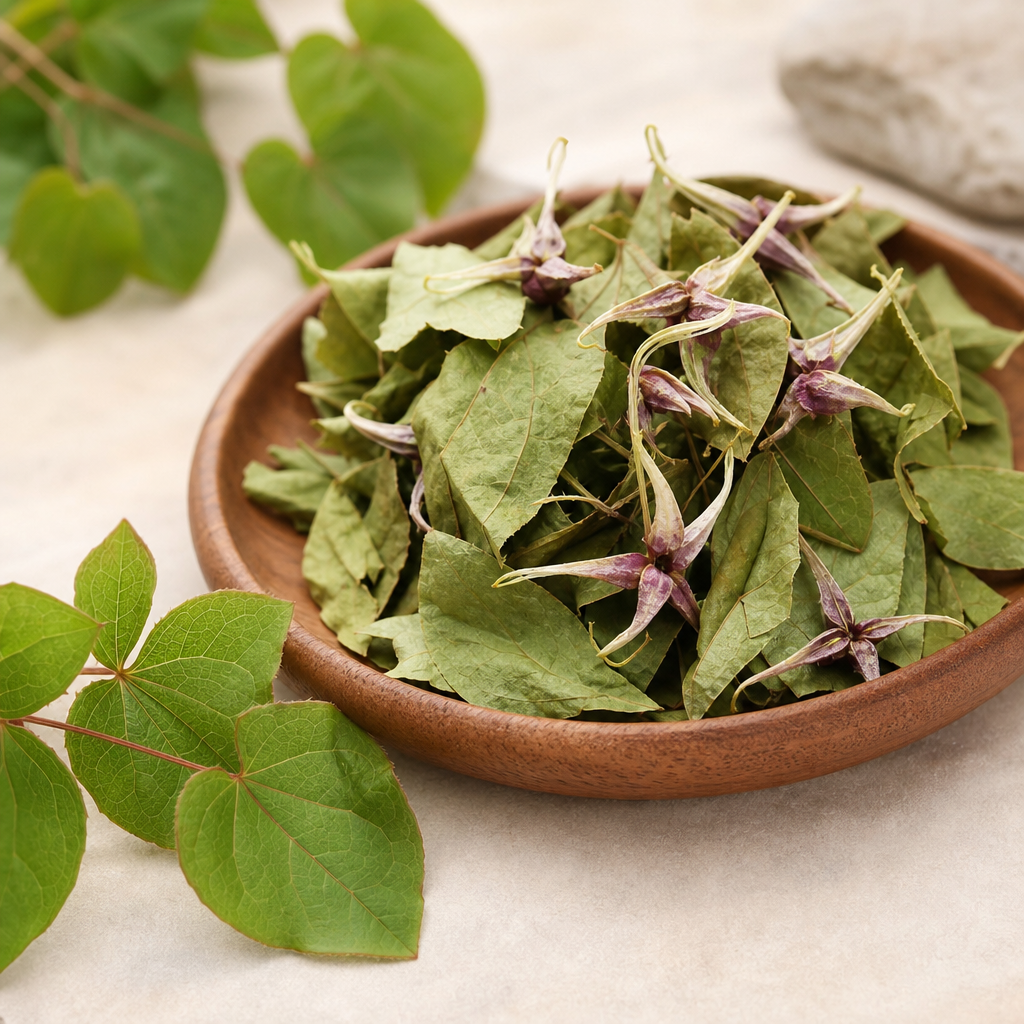
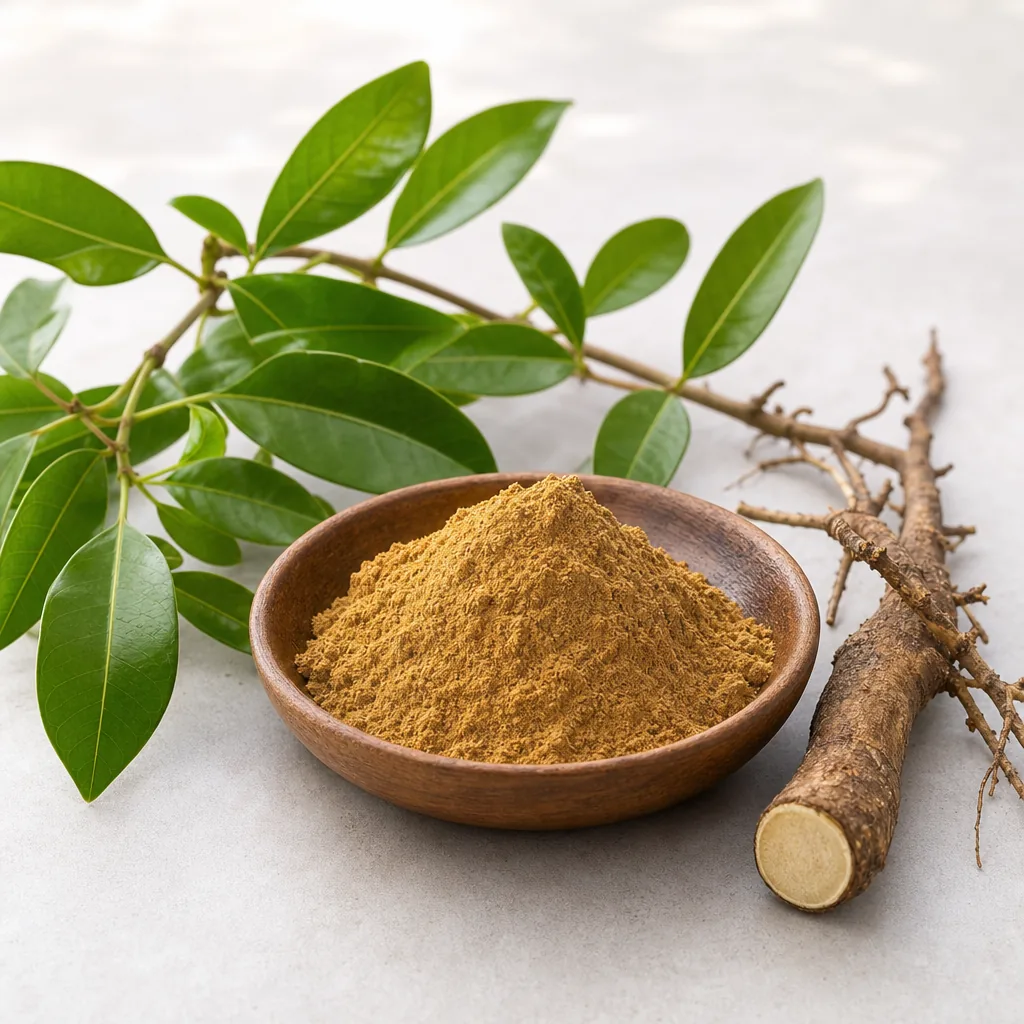
Horny Goat Weed is a common name for several species of the Epimedium plant, a leafy herb native to China and parts of Asia. In Traditional Chinese Medicine (TCM), it is known as Yin Yang Huo and has been used for centuries to support sexual vitality, energy, and musculoskeletal health. The leaves contain a variety of flavonoids, most notably icariin, along with epimedin A, B, and C, and other polyphenols that are thought to contribute to its physiological effects.
Horny Goat Weed is an herb/botanical and is typically taken as a dietary supplement or consumed as a traditional decoction (tea). It is not an essential nutrient like a vitamin or mineral; the body does not require it for basic survival or to prevent a deficiency disease. Proposed mechanisms include mild inhibition of the PDE5 enzyme (which influences blood flow), support for nitric oxide signaling, and weak phytoestrogen-like activity that may affect bone and menopausal symptoms. However, human evidence is mixed, and effects—if any—are generally modest.
Benefits of Horny Goat Weed
-
Sexual function in men with mild erectile difficulties
(Mixed evidence)
Small human studies, often using multi-ingredient formulas that include Horny Goat Weed, have reported improvements in erection quality and sexual satisfaction, but results are inconsistent and often confounded by other herbs or nutrients. Laboratory studies show icariin can inhibit PDE5 (the same enzyme targeted by certain prescription medications), yet the potency is much lower and does not consistently translate to reliable clinical benefits. It may be reasonable to try for mild, situational issues alongside lifestyle changes, but it is not a substitute for medical evaluation of erectile dysfunction.
-
Sexual desire and arousal
(Limited evidence)
Traditional use and some small, low-quality or open-label studies suggest possible improvements in libido for men and women. Nonetheless, rigorous placebo-controlled trials are scarce, and outcomes are often subjective. If benefits occur, they are usually modest and may reflect a combination of psychological and physiological factors.
-
Bone health in postmenopausal women
(Moderate evidence)
Several studies from China using Epimedium-derived flavonoids (often alongside calcium and vitamin D) have reported favorable effects on bone turnover markers and attenuation of bone loss at the hip or spine over months to a couple of years. Quality and standardization vary, and results are not universal, but among Horny Goat Weed’s proposed uses, bone support in postmenopausal women has comparatively stronger human evidence than many other claims. It should be considered an adjunct to, not a replacement for, clinician-guided osteoporosis prevention or treatment.
-
Menopausal symptom support (e.g., vasomotor symptoms, sexual wellbeing)
(Limited evidence)
Due to its flavonoid profile and weak phytoestrogenic actions, Horny Goat Weed has been studied in combination with other herbs for hot flashes, mood, and sexual function. Some small trials report benefits, but findings are inconsistent and often involve multi-herb formulas, making it difficult to isolate effects from Horny Goat Weed alone. Individuals with hormone-sensitive conditions should use extra caution and consult a clinician.
-
Blood flow and endothelial function
(Preliminary evidence)
Mechanistic studies suggest icariin may promote nitric oxide signaling and support healthy endothelial function, which could modestly improve circulation. Human evidence is sparse, and any blood pressure effects appear small and variable. People taking nitrates or blood pressure medications should avoid combining them with Horny Goat Weed without medical advice due to potential additive effects.
-
Exercise performance and fatigue resistance
(Preliminary evidence)
Animal research hints that icariin may influence energy metabolism and fatigue markers, but quality human trials are lacking. As of now, there is insufficient robust evidence that Horny Goat Weed enhances strength, speed, or endurance in trained athletes.
Types or Forms Available
-
Dried leaf (cut-and-sifted) or tea/decoction:
Traditional TCM preparations simmer the leaf to make a tea. This form contains the plant’s broader phytochemical matrix but has variable and generally lower icariin content compared with concentrated extracts.
-
Standardized extracts (icariin or icariins percent):
Many supplements specify a percentage of icariin (e.g., 10–20%, sometimes higher). Standardization aims to deliver a consistent dose of key flavonoids from batch to batch, though labeling accuracy can vary by brand.
-
Ratio extracts (e.g., 5:1, 10:1):
These concentrates indicate how much raw herb was used to produce a given amount of extract. Potency can differ widely even among the same ratio due to extraction methods and plant variability.
-
Icariin-enriched or bioavailability-enhanced forms:
Some products use icariin isolates or complexes (e.g., with phospholipids) to potentially improve absorption. Human data validating superior clinical outcomes are limited.
-
Combination formulas:
Often paired with other libido or vitality herbs (e.g., ginseng, maca, tongkat ali, tribulus) or with calcium/vitamin D for bone support. Effects may differ from single-ingredient Horny Goat Weed, and benefits (or side effects) may come from other components.
-
Topical creams/gels:
Marketed for localized effects, but reliable evidence for efficacy is minimal. Systemic absorption and standardization are unpredictable.
How to Use Horny Goat Weed
Approaches vary by goal and product type. Because potency depends on species, extraction, and standardization, follow your product’s label and consider starting at the low end to assess tolerance. Long-term safety data at higher doses are limited, so conservative use is prudent.
-
Common dosage range:
For standardized extracts providing approximately 10–20% icariin, typical supplemental intakes range from about 300 to 900 mg per day in divided doses. For more concentrated extracts (e.g., ≥40% icariin), lower daily amounts (around 100–300 mg) are often used. Traditional decoctions commonly use 6–12 g of dried leaf per day under practitioner guidance. Avoid megadoses, and do not exceed label directions.
-
Best timing:
Timing is flexible. Taking it with meals may reduce stomach upset. Some users take split doses (morning and early afternoon). A pre-activity dose for sexual function is sometimes tried anecdotally, but reliable “immediate” effects are not well supported by research.
-
How to take it:
Capsules or tablets are convenient; take with water and, if sensitive, with food. Teas/decoctions are traditional but less standardized. Avoid combining with alcohol in hopes of enhancing effects, as this may increase side effects like dizziness or blood pressure fluctuations.
-
Consistency:
If benefits occur, they often appear after several days to weeks. For bone support or menopausal benefits, continuous daily use over months is typically studied. Given limited long-term data, consider periodic re-evaluation or breaks, and discuss ongoing use with a healthcare professional.
Food Sources and Supplement Options
Horny Goat Weed is not a nutrient found in common foods; it is a botanical derived primarily from Epimedium leaf. As such, it is consumed as an herbal preparation or dietary supplement rather than obtained through typical diet. Supplements may make sense when someone wants a targeted trial for sexual function or postmenopausal bone support (under clinical guidance), whereas whole foods remain essential for overall nutrition and provide a wide array of vitamins, minerals, fiber, and phytonutrients not supplied by Horny Goat Weed.
If choosing a supplement, look for third-party testing (e.g., NSF, USP, Informed Choice) or reputable quality certifications to reduce the risk of adulteration, particularly with undeclared prescription drug analogs sometimes found in sexual enhancement products. Products that state the species (e.g., Epimedium brevicornum), plant part (leaf), extraction method, and standardized icariin content offer greater transparency. Avoid proprietary blends that obscure exact dosages.
Who May Benefit from Horny Goat Weed?
-
Adults with mild, situational erectile difficulties or low sexual desire who prefer to trial a botanical approach alongside sleep, stress management, exercise, and cardiometabolic health improvements.
-
Postmenopausal women seeking adjunctive, non-hormonal bone support and who are already addressing calcium, vitamin D, protein intake, and resistance training, ideally under the guidance of a clinician.
-
Individuals interested in traditional herbal strategies (TCM) for vitality and musculoskeletal support who want a modern, standardized supplement option.
-
People who cannot tolerate or are not candidates for conventional sexual function medications and are exploring cautiously a lower-risk alternative, with medical input to rule out underlying conditions.
-
Athletes or active individuals curious about libido or recovery support, recognizing that performance benefits are unproven and likely modest at best.
Side Effects and Considerations
-
Possible side effects:
Some users report dizziness, dry mouth, nausea, irritability, rapid heartbeat, headache, or nosebleeds. Stop use if bothersome effects occur.
-
Blood pressure and circulation:
Because of potential effects on nitric oxide and vasodilation, combining Horny Goat Weed with nitrates, PDE5 inhibitors, or antihypertensive drugs may be risky. This combination can lead to excessive blood pressure changes—consult a healthcare professional first.
-
Bleeding risk:
Icariin and related flavonoids may have mild antiplatelet activity. Use caution with anticoagulants, antiplatelet drugs, NSAIDs, or upcoming surgery. Discontinue 1–2 weeks before surgical procedures unless otherwise directed by your clinician.
-
Hormone-sensitive conditions:
Due to weak phytoestrogenic properties, individuals with estrogen receptor–positive cancers (breast, ovarian, uterine), endometriosis, or uterine fibroids should consult their oncology or gynecology team before use, or avoid it.
-
Liver and kidney health:
Use cautiously if you have liver or kidney disease. Rare case reports of herb-related liver issues exist with various botanicals; discontinue if you notice jaundice, dark urine, or unusual fatigue, and seek medical care.
-
Blood sugar:
Preliminary data suggest potential glucose-lowering effects. People on diabetes medications or with reactive hypoglycemia should monitor carefully and consult a clinician.
-
Pregnancy, breastfeeding, and children:
Safety data are insufficient. Avoid use during pregnancy or breastfeeding and in children.
-
Medication interactions:
Besides cardiovascular and antithrombotic drugs, interactions may occur with stimulants or sedatives. If you take prescription medications or manage a medical condition, discuss Horny Goat Weed with a healthcare professional first.
-
Quality and adulteration concerns:
Sexual enhancement supplements are frequently adulterated with undeclared pharmaceuticals. Choose products from reputable brands with third-party testing and avoid “too good to be true” claims.
-
Dosing and duration:
Higher doses do not guarantee better results and may increase side effects. Long-term safety beyond several months is not well established; reassess periodically with your clinician.
Common Myths About Horny Goat Weed
-
“It’s a natural Viagra that works instantly for everyone.”
Evidence does not support reliable, immediate effects. While icariin can inhibit PDE5 in the lab, its potency is far lower than prescription drugs, and human trials show mixed outcomes. Some “miracle” products are adulterated with pharmaceutical agents—an unsafe and illegal practice.
-
“Horny Goat Weed dramatically boosts testosterone.”
There is no solid human evidence that typical supplement doses meaningfully raise testosterone. Reported benefits are more likely related to blood flow, mood, or placebo effects rather than large endocrine changes.
-
“Herbal means it’s automatically safe for everyone.”
Botanicals can cause side effects and serious interactions, especially with cardiovascular, anticoagulant, and hormonal therapies. People who are pregnant, breastfeeding, taking medications, or managing medical conditions should consult a healthcare professional.
-
“If a little helps, more will work better.”
Higher doses may increase risks (e.g., dizziness, heart palpitations, blood pressure shifts) without improving outcomes. Start low, follow labels, and reassess benefit versus risk with your clinician.
Conclusion
Horny Goat Weed is a traditional botanical with modern supplement forms that may offer modest support for sexual function in some adults and has emerging, comparatively stronger evidence for helping attenuate bone loss in postmenopausal women. Its effects are typically subtle, and results vary. When used, it should complement—not replace—foundational strategies like sleep, exercise, stress management, and a nutrient-dense diet.
Prioritize product quality and transparency to avoid adulteration and dosing inconsistencies. Individuals who are pregnant or breastfeeding, taking medications (especially for blood pressure, erectile dysfunction, clotting, or diabetes), or managing hormone-sensitive or chronic medical conditions should consult a healthcare professional before use. Since Horny Goat Weed is not an essential nutrient and is not found in foods, a food-first approach remains important for overall health, while a time-limited, carefully monitored supplement trial may make sense for select goals under clinical guidance.