What is Iron?
Iron is an essential mineral that your body needs to make hemoglobin—the protein in red blood cells that carries oxygen from your lungs to tissues throughout the body. It also supports myoglobin in muscles, assists enzymes involved in energy production, DNA synthesis, and neurotransmitter metabolism, and helps maintain a healthy immune system. Because your body cannot produce iron on its own, you must obtain it from food and, when needed, supplements.
Iron occurs naturally in foods in two main forms: heme iron (from animal sources) and non-heme iron (mostly from plant sources and fortified foods). It is also widely available as a dietary supplement in various salt forms (for example, ferrous sulfate) and specialized formulations (such as iron bisglycinate). In clinical settings, iron may be given intravenously when oral supplements are not tolerated or when needs are high. As an essential nutrient, inadequate iron intake or poor absorption can lead to low iron stores and iron-deficiency anemia, which can significantly affect energy, cognition, and physical performance.
Benefits of Iron
-
Correcting iron-deficiency anemia to reduce fatigue and improve energy
(Strong evidence)
Iron repletion restores hemoglobin and oxygen-carrying capacity, which can markedly improve fatigue, shortness of breath, exercise tolerance, and overall work capacity. Clinical trials consistently show that treating iron-deficiency anemia improves physical performance and quality of life compared with placebo.
-
Reducing maternal anemia and supporting healthy pregnancy
(Strong evidence)
During pregnancy, iron needs rise to support expanding blood volume and fetal development. Prenatal iron supplementation reduces the risk of maternal anemia and severe anemia and helps maintain adequate iron stores. Benefits for birth outcomes (such as low birth weight or preterm birth) are more variable, but preventing maternal anemia is a clear, evidence-supported goal.
-
Supporting cognitive function in iron-deficient infants, children, and adults
(Moderate evidence)
Low iron can impair attention, memory, and learning. Supplementation in iron-deficient individuals—particularly infants and children—has been shown to improve developmental and cognitive measures. In iron-replete populations, benefits are less consistent, highlighting the importance of confirming low iron before supplementing for cognition.
-
Improving exercise performance in iron-deficient athletes
(Moderate evidence)
Iron deficiency—especially low ferritin with or without anemia—can reduce VO2max, endurance capacity, and training adaptations. Supplementation in athletes with documented low iron status can improve aerobic performance and reduce fatigue. Benefits are not expected in athletes with adequate iron stores.
-
Alleviating restless legs syndrome (RLS) when ferritin is low
(Moderate evidence)
Many people with RLS have low iron stores, and oral or intravenous iron can improve symptoms when ferritin is below commonly used thresholds (often <75 micrograms/L). Response varies, and evaluation by a clinician is recommended to confirm low iron and rule out other causes.
-
Supporting immune function while balancing infection risk
(Mixed evidence)
Iron deficiency can impair immune defenses, and correcting deficiency may reduce susceptibility to some infections. However, excess iron can promote pathogen growth. In areas with high burdens of infections (for example, malaria), iron interventions require careful screening and medical oversight to balance benefits and risks.
Deficiency or Low Levels of Iron
-
Common signs of low levels:
Fatigue, weakness, pale skin, headaches, dizziness, cold hands/feet, brittle nails, hair loss, shortness of breath on exertion, rapid heartbeat, pica (craving non-food substances like ice), restless legs, reduced exercise tolerance, and in children, delayed development and attention problems. Iron deficiency can exist without anemia (low ferritin with normal hemoglobin), still causing symptoms like fatigue and reduced performance.
-
Who may be at risk:
People with heavy menstrual bleeding; pregnant individuals; infants (especially preterm) and toddlers; adolescents with rapid growth; frequent blood donors; vegetarians and vegans; endurance athletes; people with gastrointestinal disorders affecting absorption (such as celiac disease, IBD), history of bariatric surgery, or chronic inflammation; those taking acid-suppressing medications (PPIs); and older adults with low stomach acid. Individuals with restricted diets or limited access to iron-rich foods are also at risk.
-
How it is checked:
Healthcare professionals use a complete blood count (CBC) to assess hemoglobin and red blood cell indices (MCV, MCH), and iron studies including serum ferritin (iron stores), transferrin saturation (TSAT), serum iron, and total iron-binding capacity (TIBC). Because ferritin can be elevated in inflammation, additional markers (for example, C-reactive protein), soluble transferrin receptor, or reticulocyte hemoglobin content may be used for clarification. Repeat testing is often done after treatment to confirm repletion.
Types or Forms Available
-
Ferrous salts (sulfate, gluconate, fumarate):
The most common and economical oral forms. “Ferrous” (Fe2+) is generally better absorbed than “ferric” (Fe3+). Elemental iron content varies by salt (for example, ferrous sulfate ~20% elemental iron), so check labels for elemental iron per dose.
-
Iron bisglycinate (chelated iron):
Iron bound to the amino acid glycine. Often reported as gentler on the stomach with comparable absorption to ferrous salts, which may improve adherence in people who experience GI side effects.
-
Polysaccharide-iron complex and carbonyl iron:
Alternative formulations designed to improve tolerability. Absorption can vary, but some people find these cause fewer GI symptoms. Carbonyl iron has a lower acute toxicity risk but still must be kept away from children.
-
Heme iron polypeptide:
Derived from animal hemoglobin and typically well absorbed, with fewer interactions from dietary inhibitors. Often more expensive and provides smaller elemental iron amounts per capsule.
-
Liquid iron:
Useful for those who cannot swallow tablets and for pediatric dosing. Can stain teeth; dilute in water or juice and rinse afterwards.
-
Intravenous (IV) iron:
Administered under medical supervision when oral iron is not tolerated, absorption is impaired, or needs are urgent. Not for self-administration; carries risks such as infusion reactions.
How to Use Iron
Personal needs vary widely. It is best to confirm iron deficiency with lab testing and work with a healthcare professional for dosing and duration, especially for children, pregnancy, chronic conditions, or if you take medications.
-
Common dosage range:
For general supplementation or maintenance in adults, 18–27 mg elemental iron per day is typical (for example, a multivitamin or low-dose iron). For confirmed deficiency, clinicians often recommend about 40–65 mg elemental iron per dose, taken daily or on alternate days, depending on tolerance and labs. Higher or intravenous doses should only be used under medical care. Pediatric dosing should always be guided by a clinician.
-
Best timing:
Iron is absorbed best on an empty stomach. If it upsets your stomach, taking it with a small amount of food is acceptable. Emerging research suggests alternate-day morning dosing can enhance absorption for some people.
-
How to take it:
Swallow with water. Vitamin C (for example, a small glass of orange juice or ~250–500 mg ascorbic acid) can enhance absorption. Avoid taking iron within 2 hours of calcium supplements, dairy, tea/coffee, high-fiber bran cereals, or antacids, which can reduce absorption. Separate by at least 4 hours from levothyroxine, certain antibiotics (tetracyclines, fluoroquinolones), and levodopa/carbidopa.
-
Consistency:
For deficiency, expect several weeks before hemoglobin rises and 2–3 months (or longer) to replenish stores. Many clinicians continue iron for ~3 months after hemoglobin normalizes to rebuild ferritin, with repeat labs to guide duration.
Food Sources and Supplement Options
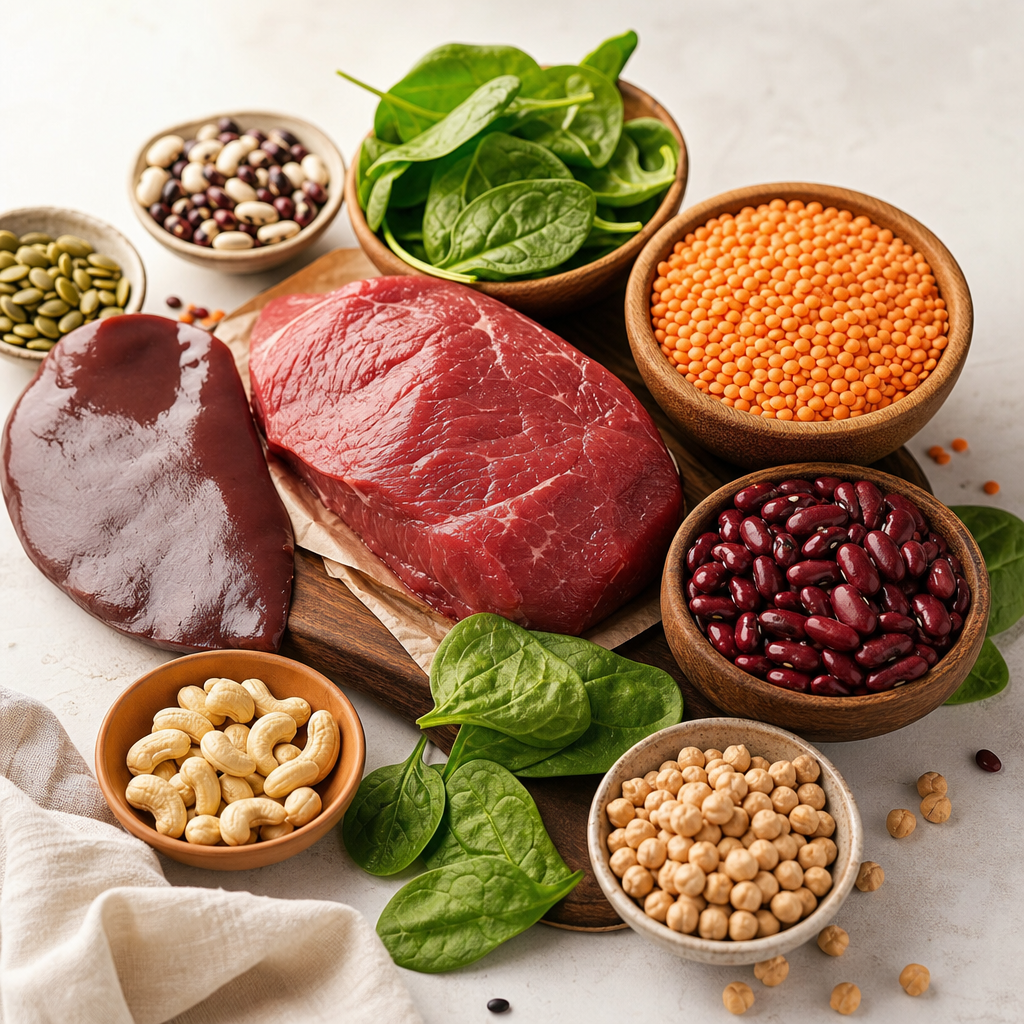
Iron is naturally present in many foods and widely available as a supplement. Food-first strategies provide iron along with synergistic nutrients like B vitamins, protein, and zinc, while supplements offer targeted dosing when intake or absorption is insufficient.
-
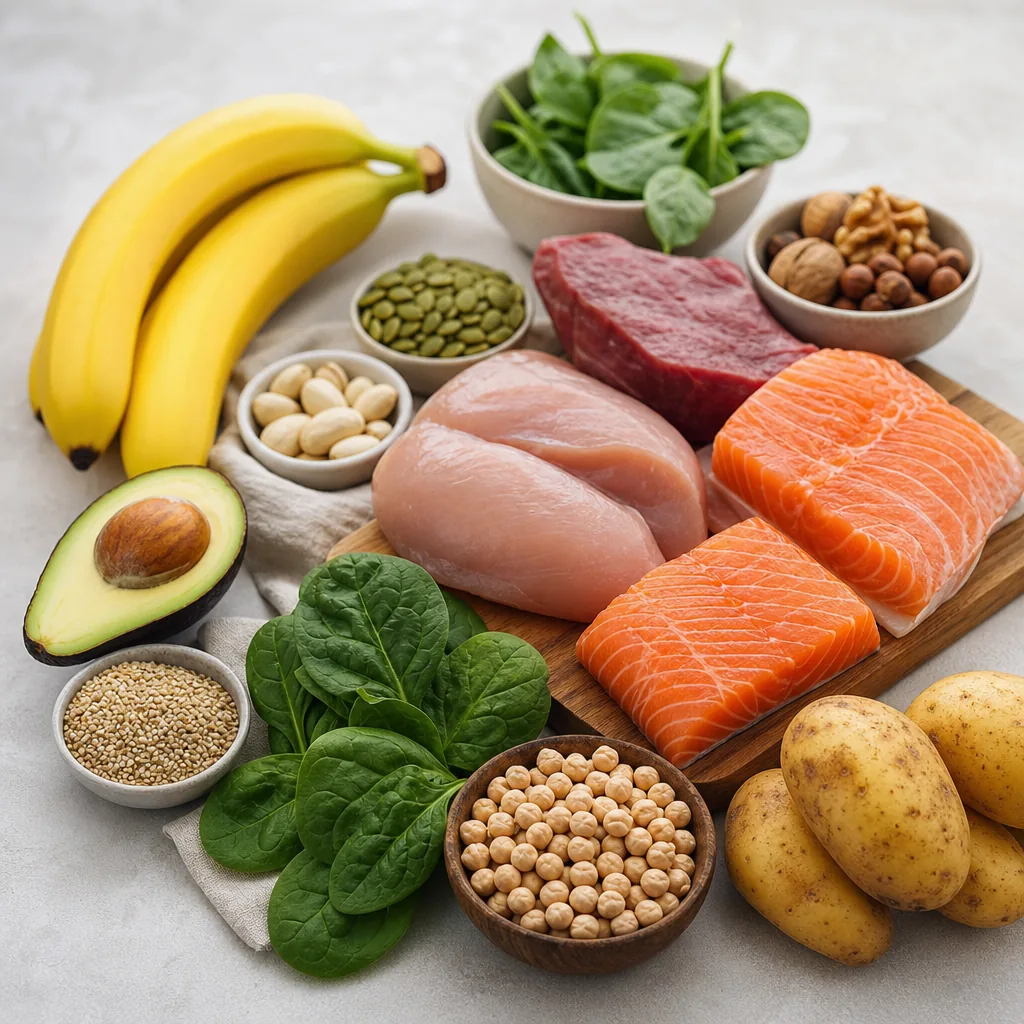
Beef, lamb, and organ meats (heme iron; highly bioavailable)
-
Poultry and seafood (especially clams, oysters, sardines)
-
Legumes (lentils, chickpeas, beans) and soy foods (tofu, tempeh)
-
Dark leafy greens (spinach, kale), though absorption is limited by oxalates
-
Fortified cereals, breads, and oatmeal
-
Nuts and seeds (pumpkin seeds, cashews), quinoa
-
Dried fruits (apricots, raisins) and molasses
Heme iron from animal foods is absorbed more efficiently than non-heme iron from plants. Vitamin C–rich foods (citrus, berries, bell peppers) enhance non-heme iron absorption, while tea/coffee, calcium, and some phytates reduce it. Supplementation may make sense if you have diagnosed deficiency, are in a high-need life stage (such as pregnancy), have heavy menstrual bleeding, follow a vegetarian/vegan diet with low iron intake, or have medical conditions that impair absorption. Work with a healthcare professional to select an appropriate form and dose.
Who May Benefit from Iron?
-
People with confirmed iron deficiency or iron-deficiency anemia
-
Individuals with heavy menstrual bleeding or short menstrual cycles
-
Pregnant individuals (as advised by their prenatal care provider)
-
Infants, toddlers, and adolescents during rapid growth (under pediatric guidance)
-
Vegetarians, vegans, and those with limited intake of iron-rich foods
-
Endurance athletes, especially those with low ferritin or high training volumes
-
Frequent blood donors
-
People with conditions affecting absorption (celiac disease, IBD, post-bariatric surgery) or those on long-term acid-suppressing therapy
-
Older adults with low stomach acid or poor appetite
-
Individuals with restless legs syndrome and low ferritin, evaluated by a clinician
Side Effects and Considerations
-
Gastrointestinal symptoms are common: constipation, nausea, abdominal discomfort, metallic taste, and dark stools. Taking iron with a small meal, switching formulations (for example, to bisglycinate), adjusting the dose, or using alternate-day dosing can improve tolerance.
-
Keep iron supplements out of children’s reach. Accidental overdose can be life-threatening in young children. Use child-resistant containers and measure liquid iron carefully.
-
Avoid unnecessary iron if you have iron overload disorders (hemochromatosis), repeated transfusions, chronic liver disease, or unexplained high ferritin; seek medical evaluation first.
-
Drug and nutrient interactions: Iron can reduce absorption of levothyroxine, certain antibiotics (tetracyclines, fluoroquinolones), and levodopa/carbidopa; separate by at least 4 hours. Calcium, antacids, and high-tannin beverages (tea/coffee) reduce iron absorption; separate by 2 hours.
-
Enteric-coated or slow-release tablets may be gentler but can also reduce absorption because iron is best absorbed in the upper small intestine.
-
Infection considerations: Correcting deficiency supports immunity, but high iron availability may promote some pathogens. In malaria-endemic or high-infection settings, screening and medical supervision are essential.
-
Anemia is not always due to iron deficiency. Conditions like thalassemia trait, vitamin B12 or folate deficiency, chronic kidney disease, and inflammation can cause anemia; inappropriate iron use may be unhelpful or harmful. Obtain proper testing (ferritin, TSAT) before supplementing.
-
Pregnancy and breastfeeding: Many prenatal vitamins include iron, but dosing should follow professional guidance. High doses may worsen nausea/constipation. Consult your healthcare provider before adding extra iron.
-
Allergies and sensitivities: True allergy to iron salts is rare, but excipients (dyes, fillers) may cause reactions. Consider hypoallergenic formulations when needed.
-
Medical conditions and medications: People managing chronic diseases, taking multiple medications, or preparing for surgery should consult a healthcare professional for individualized advice and monitoring.
Common Myths About Iron
-
Everyone should take iron daily to boost energy.
In reality, iron is most beneficial for people with low iron status or increased needs. Taking iron when you are already replete is unlikely to improve energy and may pose risks, including iron overload over time.
-
Spinach is the best source of iron, and you absorb most of it.
While spinach contains iron, much of it is non-heme and bound by oxalates, which limit absorption. Animal foods (heme iron) and fortified cereals often provide more readily absorbed iron; pairing plant sources with vitamin C–rich foods improves uptake.
-
You can diagnose iron deficiency by symptoms alone.
Symptoms like fatigue and hair loss have many causes. Proper diagnosis requires blood tests (for example, ferritin, transferrin saturation, CBC). Treating based solely on symptoms can miss other conditions or lead to inappropriate supplementation.
-
More iron is always better for athletes.
Athletes benefit when deficiency is corrected, but excess iron does not enhance performance and may have downsides. Monitoring ferritin and hemoglobin and targeting evidence-based doses is safer and more effective.
Conclusion
Iron is an essential mineral central to oxygen transport, energy production, cognition, and physical performance. It can be highly effective for people with documented deficiency and for those in high-need life stages such as pregnancy. Food-first strategies that emphasize iron-rich foods and absorption enhancers often meet needs, while supplements allow precise dosing when intake is inadequate or absorption is impaired.
Because iron status varies and excess can be harmful, confirm deficiency with appropriate labs and seek guidance if you are pregnant or breastfeeding, giving iron to a child, taking medications, or managing a medical condition. Choose high-quality products that state elemental iron content, match the form to your tolerance, separate from interacting foods and medications, and use the lowest effective dose for the shortest necessary duration with follow-up testing.