What is L-Isoleucine?
L-Isoleucine is one of the nine essential amino acids, meaning the body cannot synthesize it and it must be obtained through diet. It belongs to the branched-chain amino acid (BCAA) family along with leucine and valine. As an essential nutrient, L-isoleucine is incorporated into proteins throughout the body and plays roles in muscle metabolism, energy production, immune function, and the maintenance of healthy skin and blood cells.
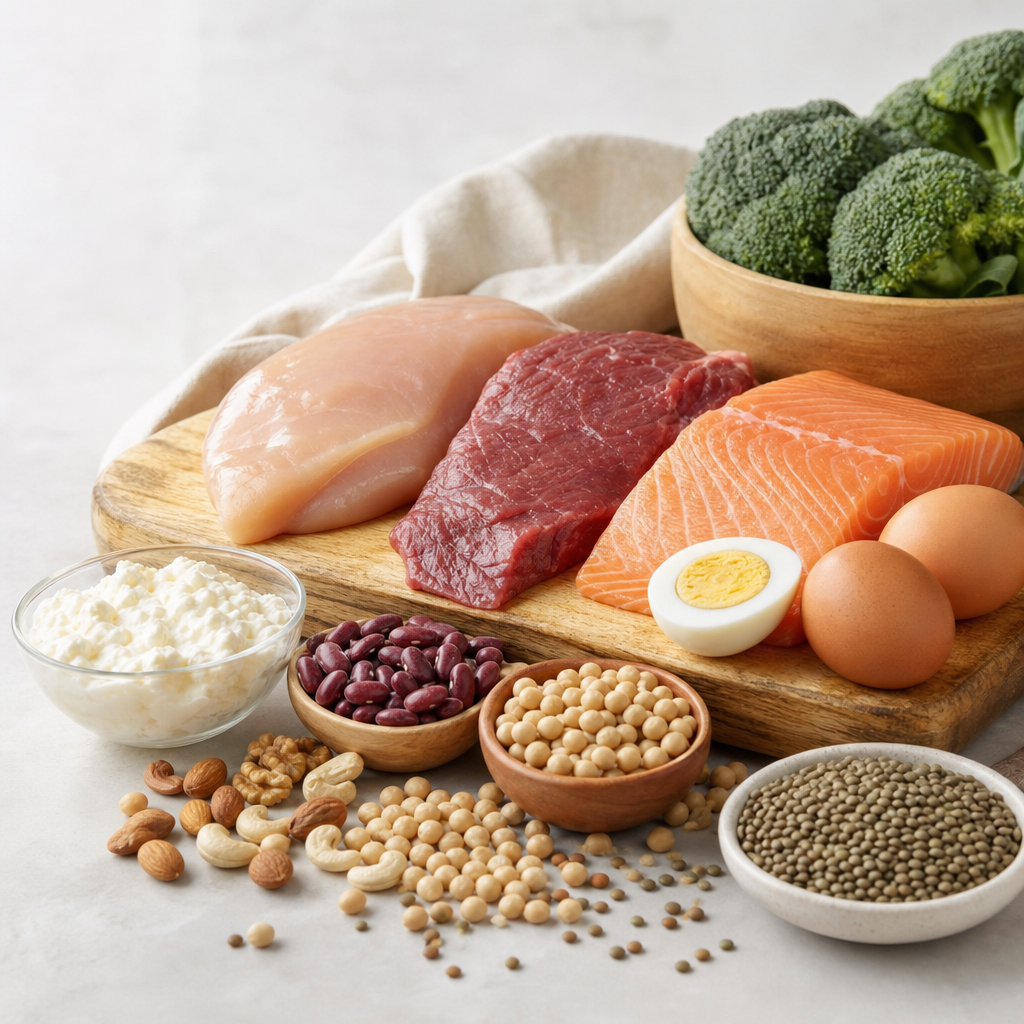
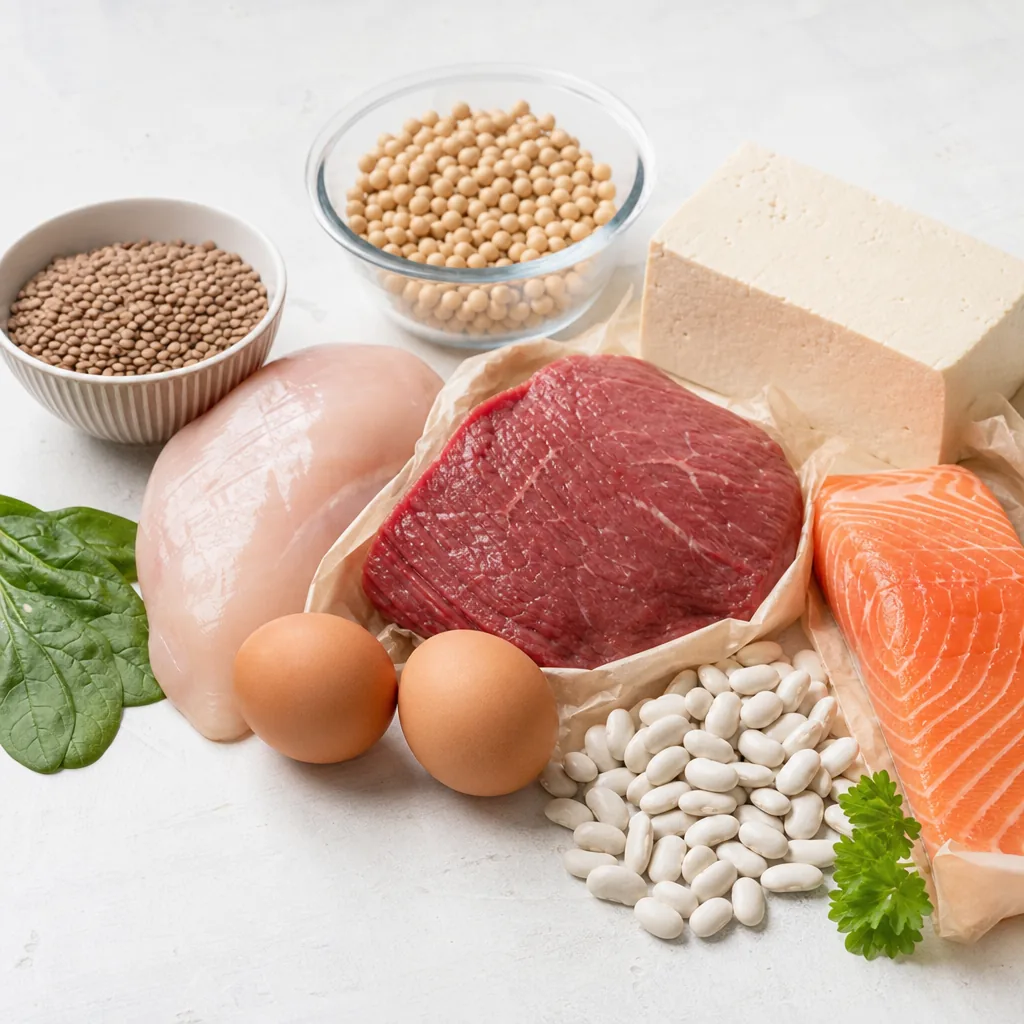
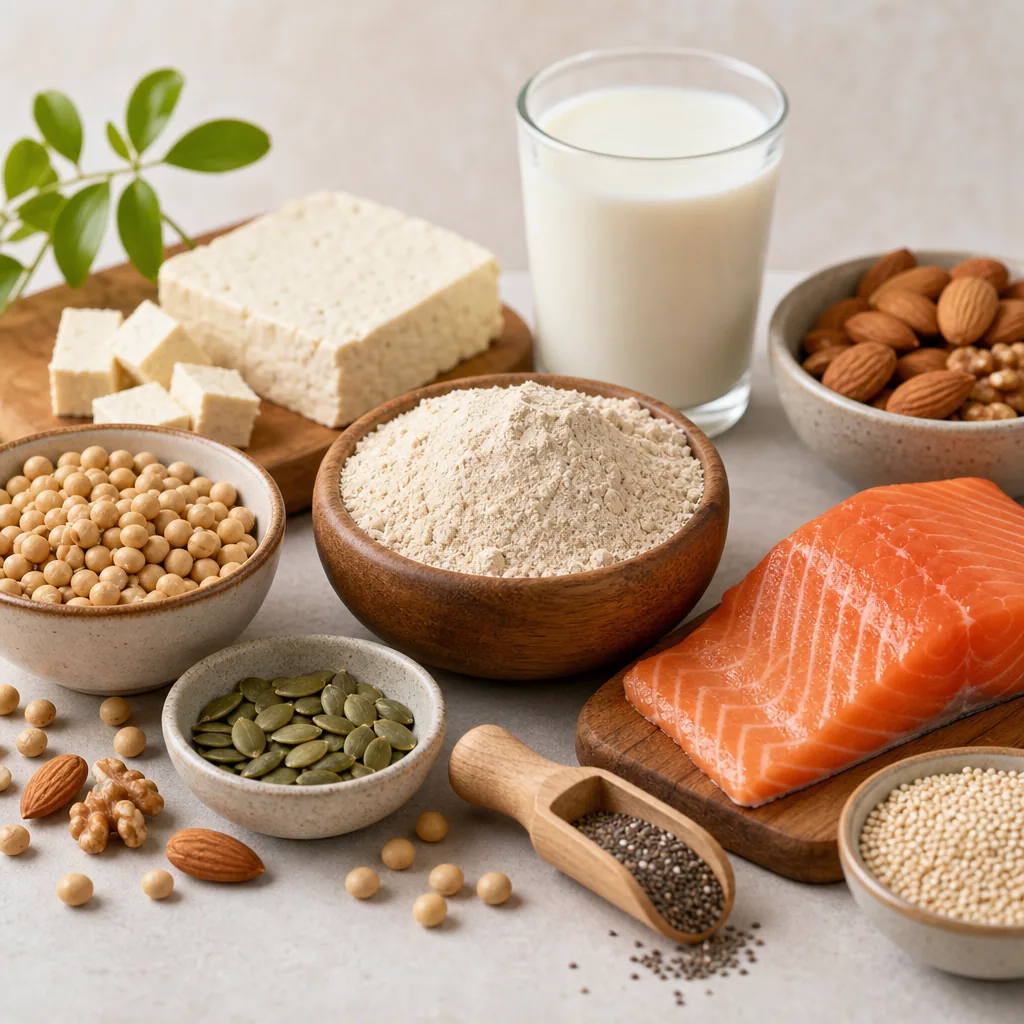
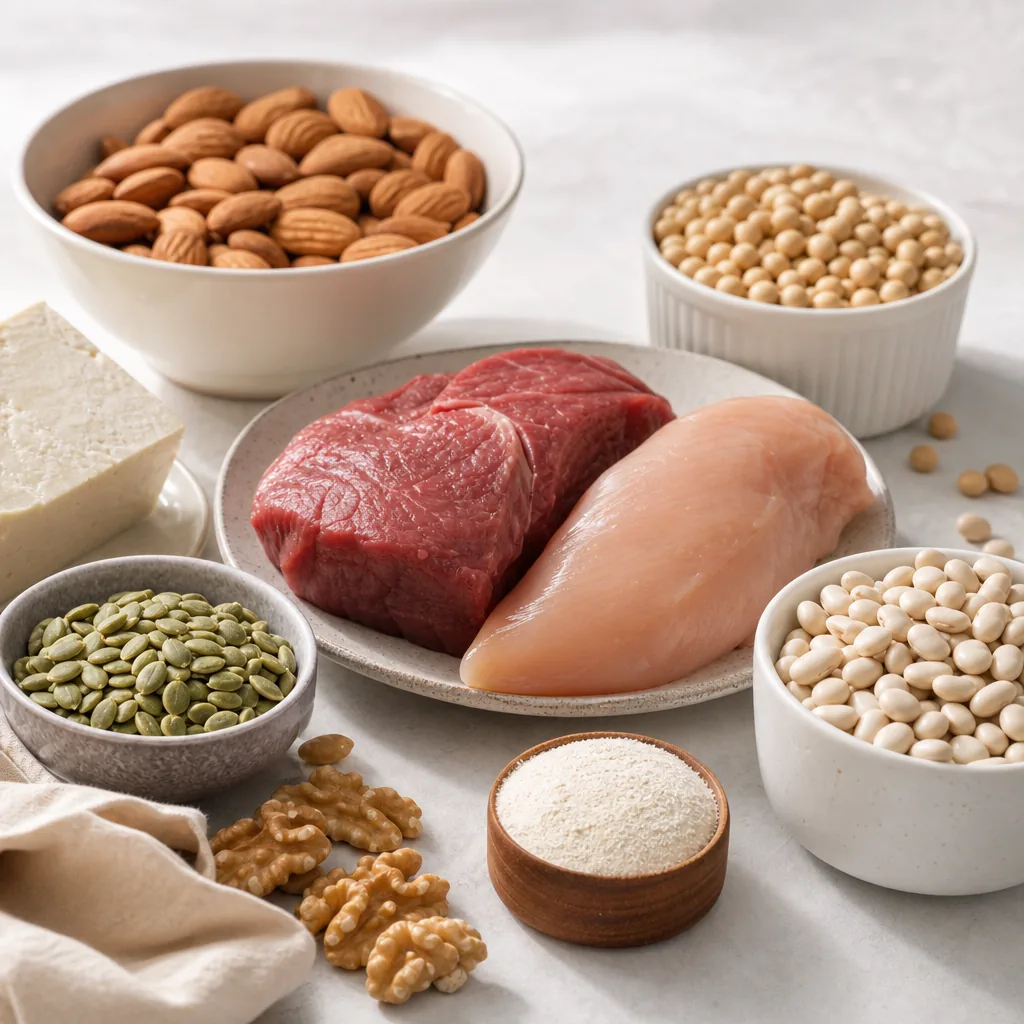
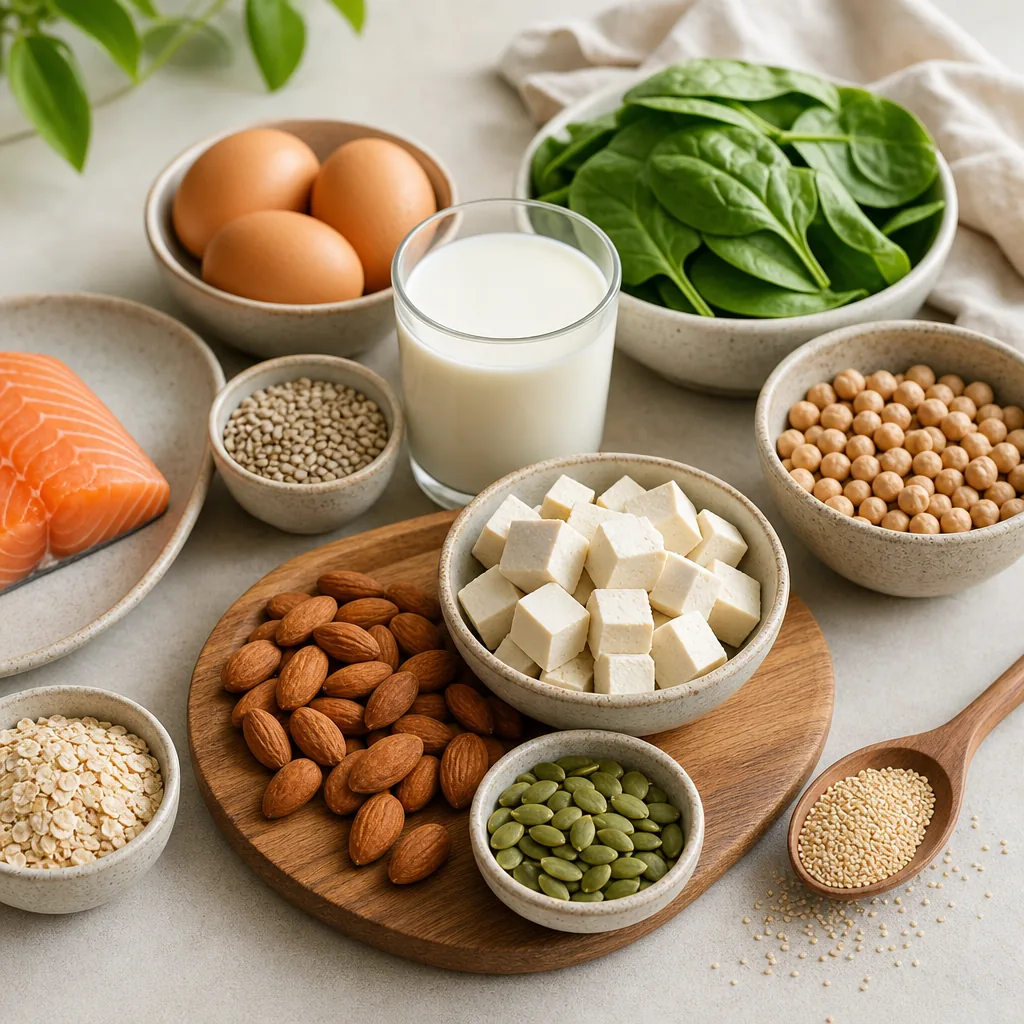
L-isoleucine is naturally abundant in protein-rich foods such as meat, fish, eggs, dairy, soy, legumes, and some grains and nuts. It is also available as a dietary supplement on its own, and more commonly as part of BCAA or essential amino acid (EAA) blends. While food-first strategies generally cover needs for most people, targeted supplementation can be considered in specific situations, such as during periods of intense training or when total protein intake is insufficient.
Because it is an essential nutrient, ensuring adequate daily intake of L-isoleucine is important for normal physiological function. Unlike non-essential compounds or herbs, it is part of the body’s basic nutritional requirements, similar in principle to vitamins and minerals.
Benefits of L-Isoleucine
-
Supports normal protein synthesis and muscle maintenance
(Strong evidence)
Adequate intake of L-isoleucine—as part of total dietary protein—contributes to muscle protein turnover and tissue repair. As an essential amino acid, it is required to build body proteins, support recovery from everyday activity, and help preserve lean body mass across the lifespan. While leucine is the primary trigger for muscle protein synthesis, isoleucine is still necessary to complete new proteins; adequate intake through food or balanced amino acid blends is strongly supported by nutrition science.
-
Helps with exercise recovery when total protein is low
(Mixed evidence)
Supplementing BCAAs (including L-isoleucine) around workouts may reduce perceived muscle soreness and markers of muscle damage in some studies, especially when overall protein intake is suboptimal. Other trials show minimal effects when individuals already meet protein needs or consume high-quality proteins rich in EAAs. Benefits appear most likely when total daily protein or energy intake is inadequate.
-
May aid blood glucose handling during and after exercise
(Mixed evidence)
L-isoleucine has been shown in laboratory and small human studies to stimulate glucose uptake in muscle and influence glucose metabolism. Some research notes modest improvements in post-exercise or post-meal blood sugar responses, but findings are inconsistent and often use BCAA mixtures rather than isoleucine alone. More high-quality trials are needed to clarify the magnitude and reliability of this effect.
-
Potential to reduce central fatigue during prolonged exercise (as part of BCAAs)
(Mixed evidence)
BCAAs may compete with tryptophan for transport into the brain, potentially affecting serotonin-related central fatigue during endurance efforts. Some studies report small benefits for perceived exertion or mental fatigue, while others find no meaningful performance change. If a benefit exists, it appears context-dependent and generally modest compared with well-established strategies like adequate carbohydrate and hydration.
-
Supports immune function under stress
(Limited evidence)
Amino acids, including isoleucine, provide substrates for immune cell function and the acute-phase response. Some clinical and sports settings suggest BCAA/EAA support may help maintain immune competence during heavy training or illness-related stress, but direct evidence for isoleucine alone is limited. Meeting overall protein needs remains the most reliable approach.
Deficiency or Low Levels of L-Isoleucine
-
Common signs of low levels:
Inadequate intake of essential amino acids, including isoleucine, can contribute to fatigue, poor exercise tolerance, difficulty maintaining or building muscle, slow recovery from activity, and, in more severe or prolonged cases, decreased appetite, weight loss, and impaired immune function. Severe protein-energy malnutrition can lead to growth delays in children and generalized loss of lean mass. Isolated isoleucine deficiency in otherwise well-nourished adults is unusual but has been associated in controlled settings with symptoms such as decreased alertness and changes in blood parameters.
-
Who may be at risk:
Individuals with chronically low total protein intake; people with eating disorders or severe dieting; older adults with reduced appetite; those with malabsorption or chronic gastrointestinal conditions; patients recovering from major surgery, trauma, or illness who have elevated protein needs; and individuals relying on low-protein, highly refined diets. Strict vegans or vegetarians can meet needs through plant proteins, but those not consuming sufficient total protein or diversity of sources may be at risk.
-
How it is checked:
There is no routine, single test for “isoleucine deficiency,” but clinicians may assess overall nutritional status using dietary history, body composition, and laboratory tests. When indicated, a plasma amino acid profile can measure circulating isoleucine and other amino acids. Interpreting results requires clinical context, as levels fluctuate with diet, illness, and training status.
Types or Forms Available
-
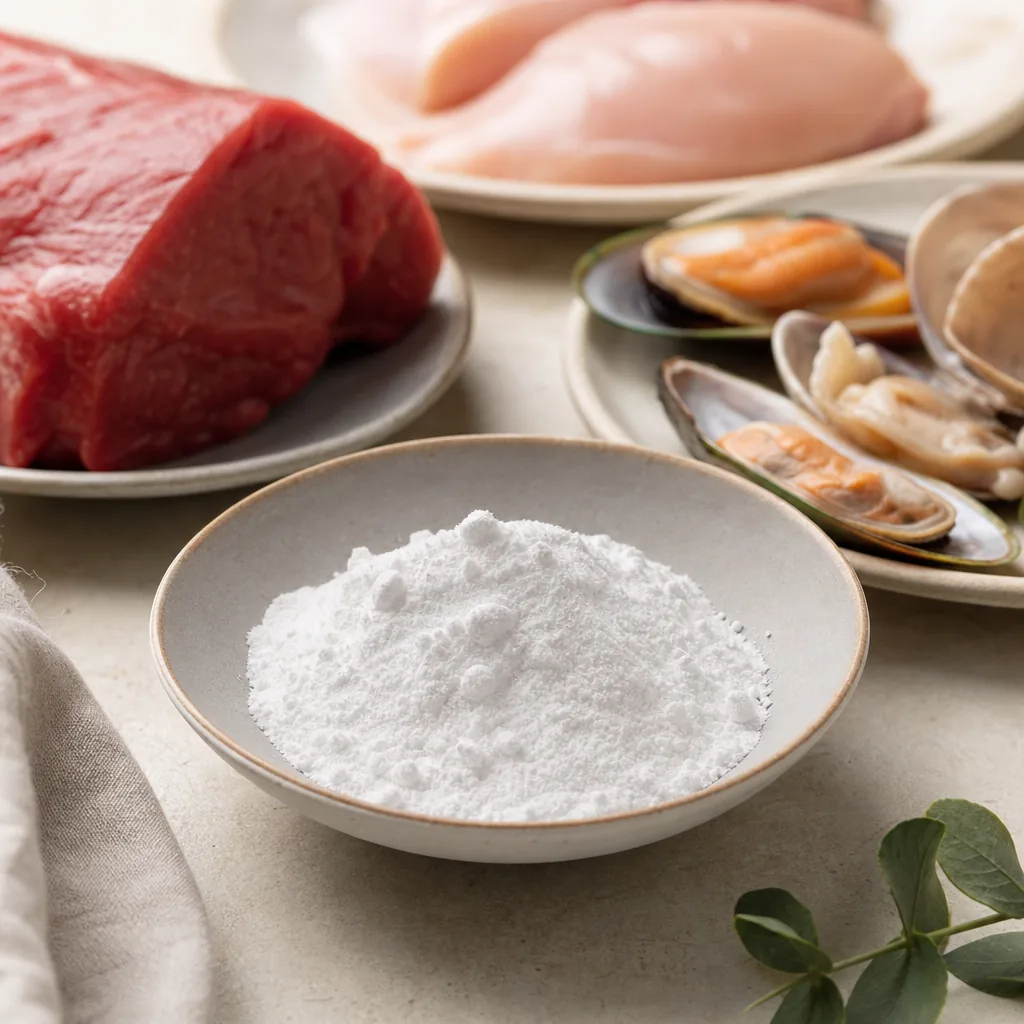
Free-form L-isoleucine (capsules or powder):
Provides isolated isoleucine for targeted dosing. Useful when adjusting the balance of BCAAs or for specific research protocols. Because single amino acid supplementation can unbalance overall amino acid ratios, many users prefer combinations.
-
BCAA blends (commonly 2:1:1 leucine:isoleucine:valine):
The most popular format for athletes. Ratios vary (e.g., 2:1:1, 4:1:1, 8:1:1), but higher-leucine products are not consistently superior. A 2:1:1 ratio is well-studied and provides a balanced intake of all three BCAAs.
-
Essential amino acid (EAA) blends:
Contain all nine EAAs, supporting complete protein synthesis without risking imbalances that can occur with single-amino-acid dosing. Often favored when total protein around training is limited.
-
Protein foods and powders:
Whey, casein, soy, pea, and mixed-plant proteins naturally contain isoleucine in physiologic proportions along with other EAAs, plus additional nutrients. For most people, these are practical, food-first ways to meet needs.
-
“Instantized” or fermented BCAAs:
Instantized powders dissolve more easily. Fermented (often plant-derived) sources may appeal to vegetarians/vegans and can improve taste or solubility; they are not inherently more effective physiologically.
How to Use L-Isoleucine
Most people meet isoleucine needs through diet. When supplements are considered, they should complement—not replace—adequate total protein intake and balanced nutrition.
-
Common dosage range:
Dietary requirement estimates for adults are about 20 mg per kg body weight per day from all foods (approximately 1.4 g/day for a 70 kg adult). Supplemental intakes vary by goal and product. As a single ingredient, 0.5–2 g per serving is common, often totaling 1–3 g/day. In BCAA products (e.g., 2:1:1), a 5–10 g BCAA serving typically provides 1.25–2.5 g isoleucine. Avoid megadoses; higher intakes are not necessarily better and may create amino acid imbalances.
-
Best timing:
If used for training support, take shortly before, during, or after workouts. For general nutritional support, spreading intake across meals is reasonable. Timing is less critical when total daily protein targets are met.
-
How to take it:
Mix powders with water or a carbohydrate-electrolyte drink around workouts, or take capsules with a glass of water. Combining with protein-containing meals or an EAA/BCAA blend can improve amino acid balance compared with isoleucine alone.
-
Consistency:
Daily use is not mandatory if diet already supplies adequate protein. Regular use may be considered during periods of high training load, reduced appetite, calorie restriction, or recovery from illness or injury—ideally as part of an overall protein strategy.
Food Sources and Supplement Options
L-isoleucine is naturally present in many foods and is also available as a supplement. Most people can meet their needs through a varied diet that includes sufficient high-quality protein. Supplements provide a convenient, targeted dose when dietary intake is low or when timing around training is a priority.
-
Meat and poultry (beef, chicken, turkey)
-
Fish and seafood (salmon, tuna, cod)
-
Eggs and dairy (milk, yogurt, cheese)
-
Soy foods (tofu, tempeh, edamame)
-
Legumes (lentils, chickpeas, black beans)
-
Nuts and seeds (peanuts, almonds, pumpkin seeds)
-
Whole grains and pseudograins (oats, quinoa, buckwheat)
Whole foods deliver isoleucine alongside other essential amino acids, micronutrients, and bioactive compounds. Supplements can offer precise dosing and convenience, particularly for athletes around workouts or for individuals with poor appetite or limited meal opportunities. A food-first approach is advisable for most people, with supplements used to fill specific gaps.
Who May Benefit from L-Isoleucine?
-
Athletes engaged in high-volume training who struggle to meet protein needs through meals alone, especially around workouts.
-
Individuals with low appetite, dieting for weight loss, or with time constraints that limit protein-rich meals.
-
Older adults at risk of muscle loss who have difficulty consuming adequate protein; EAA or balanced protein options are generally preferred over single amino acids.
-
People recovering from illness, injury, or surgery with elevated protein requirements, under professional guidance.
-
Vegetarians and vegans who do not consistently reach total daily protein targets; many plant foods supply isoleucine when intake is adequate and diverse.
Side Effects and Considerations
-
General tolerance:
L-isoleucine from foods is well tolerated. High-dose amino acid supplements may cause gastrointestinal upset (nausea, bloating, diarrhea) in some individuals.
-
Amino acid balance:
Taking large amounts of a single BCAA can competitively interfere with transport and metabolism of other amino acids. Balanced protein, EAA blends, or standard 2:1:1 BCAA formulas help minimize imbalance risk.
-
Blood sugar effects:
Because isoleucine may modestly influence glucose handling, people using insulin or oral diabetes medications should monitor responses and consult a healthcare professional before starting supplements.
-
Kidney or liver conditions:
Extra amino acid nitrogen increases metabolic load. Individuals with kidney or liver disease should avoid self-supplementation and seek medical advice about total protein and amino acid intake.
-
Inborn errors of metabolism:
Conditions such as maple syrup urine disease (MSUD) affect BCAA processing. People with these disorders must not use BCAA or isoleucine supplements unless strictly directed by a metabolic specialist.
-
Pregnancy, breastfeeding, and children:
Safety of high-dose isolated amino acids has not been established. Emphasize food sources and consult a qualified healthcare professional before using supplements.
-
Medication and surgery considerations:
Discuss amino acid supplements with your clinician if you take medications affecting blood sugar, blood pressure, or thyroid function, or if you have upcoming surgery. Your care team may advise pausing nonessential supplements before procedures.
-
Quality and contamination:
Choose reputable brands with third-party testing (e.g., NSF Certified for Sport, Informed Choice) to reduce risk of contamination or label inaccuracies—especially important for drug-tested athletes.
-
Dosing prudence:
Do not exceed label directions. More is not necessarily better, and very high intakes of single amino acids are not recommended.
Common Myths About L-Isoleucine
-
Isoleucine alone builds muscle as effectively as complete protein or leucine-rich blends.
Muscle protein synthesis requires all essential amino acids, with leucine acting as a primary trigger. Isoleucine is necessary but not sufficient on its own. Balanced protein intake or EAA/BCAA blends generally outperform single-amino-acid strategies for muscle building.
-
More BCAAs always improve endurance performance.
Evidence is mixed. Some studies show small reductions in perceived fatigue, while many find no meaningful performance gains. Carbohydrate availability, hydration, pacing, and training status have a much larger impact on endurance outcomes.
-
Vegetarians and vegans can’t meet isoleucine needs without supplements.
Plant-based diets that include legumes, soy foods, whole grains, nuts, and seeds can meet isoleucine and total amino acid needs. Supplements are optional tools when intake is low or timing around training is challenging.
-
BCAAs are “free” during fasting because they don’t affect insulin.
BCAAs, including isoleucine, can stimulate insulin release and break a strict fast. If fasting benefits are desired, use caution; any potential performance upside should be weighed against fasting goals.
Conclusion
L-isoleucine is an essential amino acid that contributes to everyday protein synthesis, tissue maintenance, and energy metabolism. Most people can meet their needs through balanced, protein-rich meals. Supplements—whether isoleucine alone, BCAAs, EAAs, or protein powders—may be useful in specific situations such as intense training periods, low appetite, calorie-restricted phases, or clinical recovery, with the understanding that balanced protein strategies generally outperform single-amino-acid approaches.
Choose quality products with third-party testing, and be cautious with dosing to avoid amino acid imbalances. Individuals who are pregnant, breastfeeding, taking medications (especially for blood sugar), or managing medical conditions—including kidney or liver disease—should consult a healthcare professional before using supplements. When possible, prioritize food-first solutions and use supplements to fill targeted gaps rather than as a wholesale replacement for nutritious meals.