What is L-Histidine?
L-histidine is one of the nine essential amino acids for humans, meaning the body cannot make enough of it on its own and must obtain it from food. As an amino acid, it serves as a basic building block for proteins, supports growth and tissue repair, and participates in numerous biochemical pathways. L-histidine is especially notable as a precursor to histamine (a signaling molecule involved in immune function, gastric acid regulation, and the sleep–wake cycle) and as a component of carnosine, a dipeptide concentrated in muscle and brain tissue that helps buffer acidity during high-intensity activity.
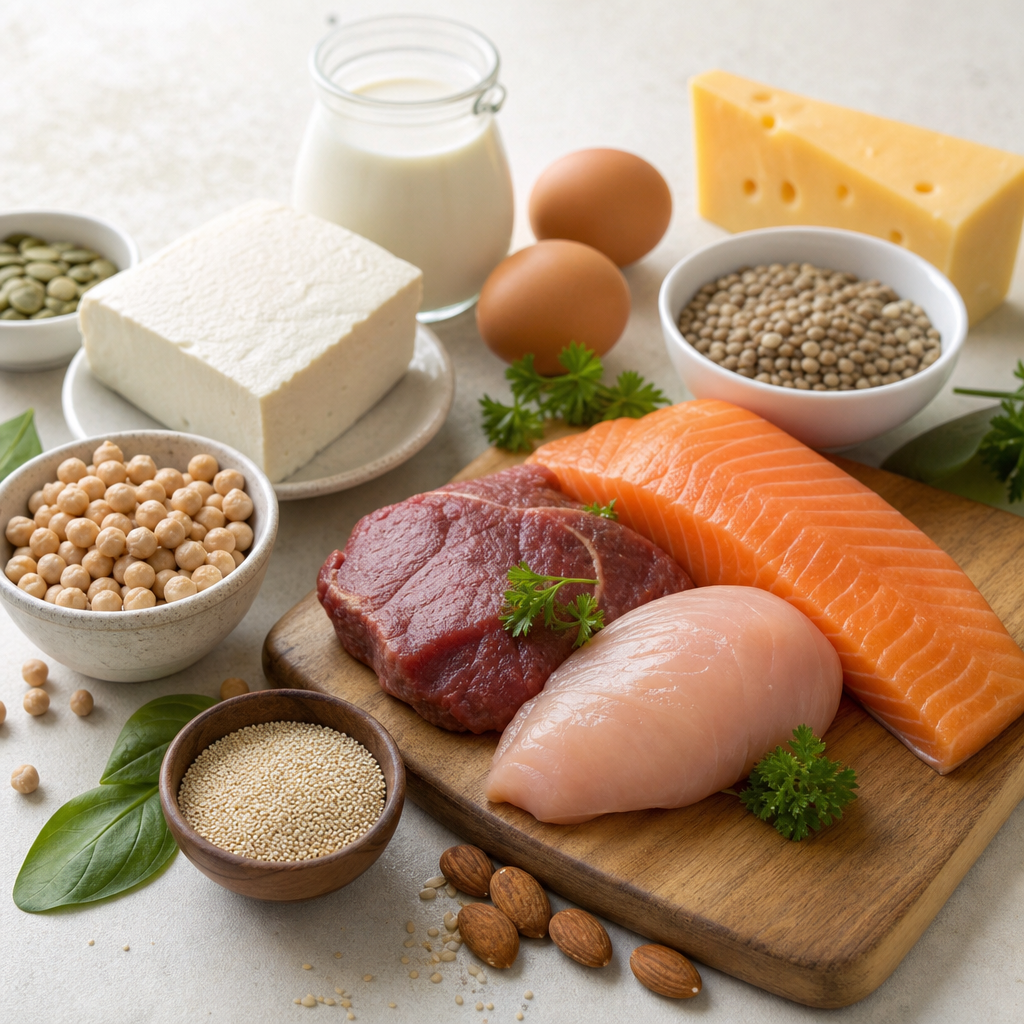
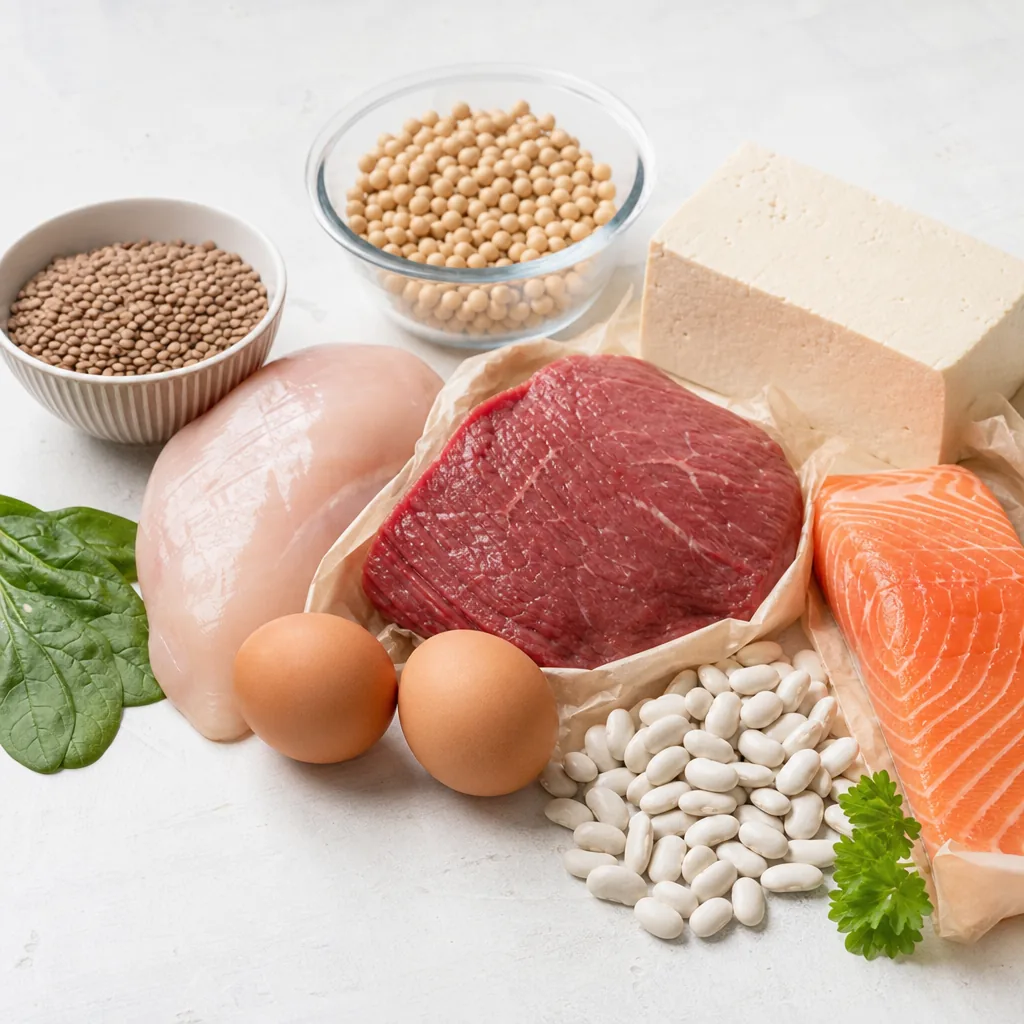
L-histidine occurs naturally in protein-rich foods such as meat, fish, dairy, eggs, legumes, nuts, and seeds, and it is also available as a dietary supplement (capsules or powders). In the body, L-histidine contributes to hemoglobin structure, supports skin barrier components, and assists in metal ion binding within enzymes. While many people meet their needs through a balanced diet, targeted supplementation is sometimes explored for specific clinical or performance-related goals under professional guidance.
Benefits of L-Histidine
-
Support for anemia in chronic kidney disease (CKD)
(Moderate evidence)
Explanation: L-histidine is integral to hemoglobin structure and erythropoiesis. Several clinical studies in people on hemodialysis have found that supplemental histidine (often given in medical settings or as part of amino acid solutions) can support hemoglobin levels and reduce markers of oxidative stress. Benefits appear most relevant to patients with CKD-related anemia or inflammation, and use should be supervised by a nephrologist or dietitian due to the complexity of amino acid balance in kidney disease.
-
Skin barrier and atopic dermatitis symptom support
(Limited evidence)
Explanation: Histidine contributes to filaggrin metabolism and to natural moisturizing factors in the skin. Small clinical trials and pilot studies suggest that oral L-histidine may help improve skin hydration and reduce eczema severity scores in some individuals, potentially by increasing urocanic acid and other filaggrin breakdown products that aid barrier function. Evidence is promising but not definitive; histidine should be considered an adjunct to, not a replacement for, standard dermatologic care.
-
Exercise buffering through carnosine precursor role
(Mixed evidence)
Explanation: Carnosine (beta-alanyl-L-histidine) helps buffer acid in muscles during high-intensity exercise. Although histidine is one of carnosine’s building blocks, beta-alanine is typically the rate-limiting amino acid for carnosine synthesis in omnivores. Supplementing histidine alone does not consistently raise muscle carnosine or improve performance in well-nourished athletes. However, in individuals with low dietary protein or limited histidine intake, restoring adequate histidine as part of a balanced essential amino acid (EAA) intake may support training tolerance indirectly.
-
Adjunctive support for rheumatoid arthritis symptoms
(Limited evidence)
Explanation: Observational research has reported lower plasma histidine levels in some individuals with rheumatoid arthritis (RA). Early, small trials suggested histidine supplementation might reduce pain and stiffness in some patients, possibly related to anti-oxidative or metabolic effects. However, the data are dated and not uniformly replicated. If considered, histidine should only be used alongside standard RA therapies and under medical supervision.
-
Mental fatigue and alertness
(Preliminary evidence)
Explanation: Because histidine can be converted to histamine in the brain, and histamine is involved in wakefulness and attention, a few small human studies suggest that histidine may modestly reduce subjective mental fatigue under sustained cognitive demands. Findings are preliminary, outcomes are variable, and benefits—if present—are generally mild. Basic sleep hygiene, nutrition, hydration, and workload management remain foundational.
Deficiency or Low Levels of L-Histidine
-
Common signs of low levels:
Inadequate histidine intake can contribute to anemia (due to impacts on hemoglobin), fatigue, weakness, poor appetite, and—particularly in growing children—impaired growth. In specific contexts, low histidine status has been linked to increased oxidative stress and inflammation.
-
Who may be at risk:
Individuals with very low protein intake; those with eating disorders or severe calorie restriction; people on dialysis or with advanced kidney or liver disease; older adults with poor appetite; and infants or children on inadequate diets. Strictly plant-based eaters can meet needs with well-planned protein intake, but those with chronically low total protein are at risk.
-
How it is checked:
Assessment typically involves dietary evaluation plus plasma amino acid analysis. Clinicians may also consider hematologic markers (e.g., hemoglobin), clinical symptoms, and overall protein status. In research settings, additional metabolic tests may be used.
Types or Forms Available
-
Free-form L-histidine (capsules or powder):
The most common supplemental form, sometimes listed as L-histidine HCl (a salt form that dissolves well). This provides histidine without other amino acids, which can be useful for precise dosing but may be more likely to disrupt amino acid balance if taken in high amounts.
-
Essential amino acid (EAA) blends:
Formulas containing all essential amino acids, including histidine, are designed to support balanced amino acid intake and muscle protein synthesis. For most people, EAAs or complete-protein foods are preferable to high doses of single amino acids.
-
Protein powders (whey, casein, soy, pea blends):
These are whole-protein options that naturally include histidine along with other amino acids. They support overall protein needs and are generally a food-first way to ensure adequate histidine.
-
Medical nutrition solutions:
In hospital or dialysis settings, histidine may be included in parenteral or intradialytic amino acid solutions. These are prescription products and not consumer supplements.
-
Related compounds:
Carnosine and anserine (histidine-containing dipeptides) are distinct supplements with different pharmacokinetics and effects. They are not interchangeable with histidine, and evidence for their uses differs.
How to Use L-Histidine
Most people can meet histidine needs through adequate dietary protein. For adults, the recommended intake from food is approximately 14 mg/kg/day (about 1 g/day for a 70-kg adult), which is typically achieved with balanced meals. Supplementation can be considered short term for specific goals or under clinical guidance.
-
Common dosage range:
0.5–2 g per day is a typical supplemental range used in research and practice when single-amino-acid supplementation is appropriate. Higher doses have been used in clinical studies for certain conditions, but should only be undertaken with medical supervision. Avoid “megadoses.”
-
Best timing:
Timing is usually flexible. If targeting exercise-related goals, splitting doses (e.g., morning and later in the day) may be reasonable. For those with sensitive digestion, take with meals.
-
How to take it:
Swallow capsules or mix powder with water or a small snack. Taking with food can reduce GI discomfort. If you take thyroid medication, levodopa, or other drugs affected by protein or amino acid transport, separate dosing by a few hours and confirm with your clinician.
-
Consistency:
For skin or clinical outcomes, consistent daily use for several weeks is generally necessary to evaluate benefit. Reassess regularly and avoid long-term single-amino-acid use without professional guidance to maintain amino acid balance.
Food Sources and Supplement Options
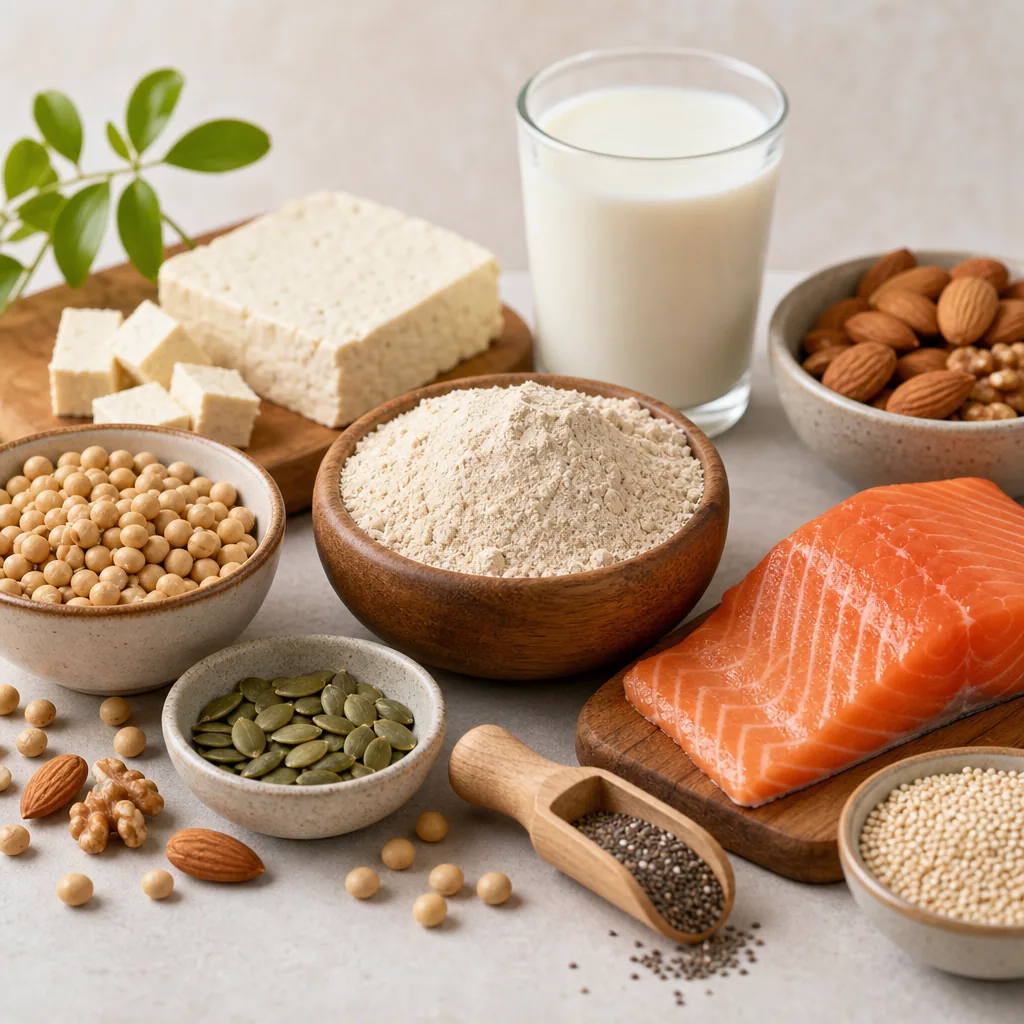
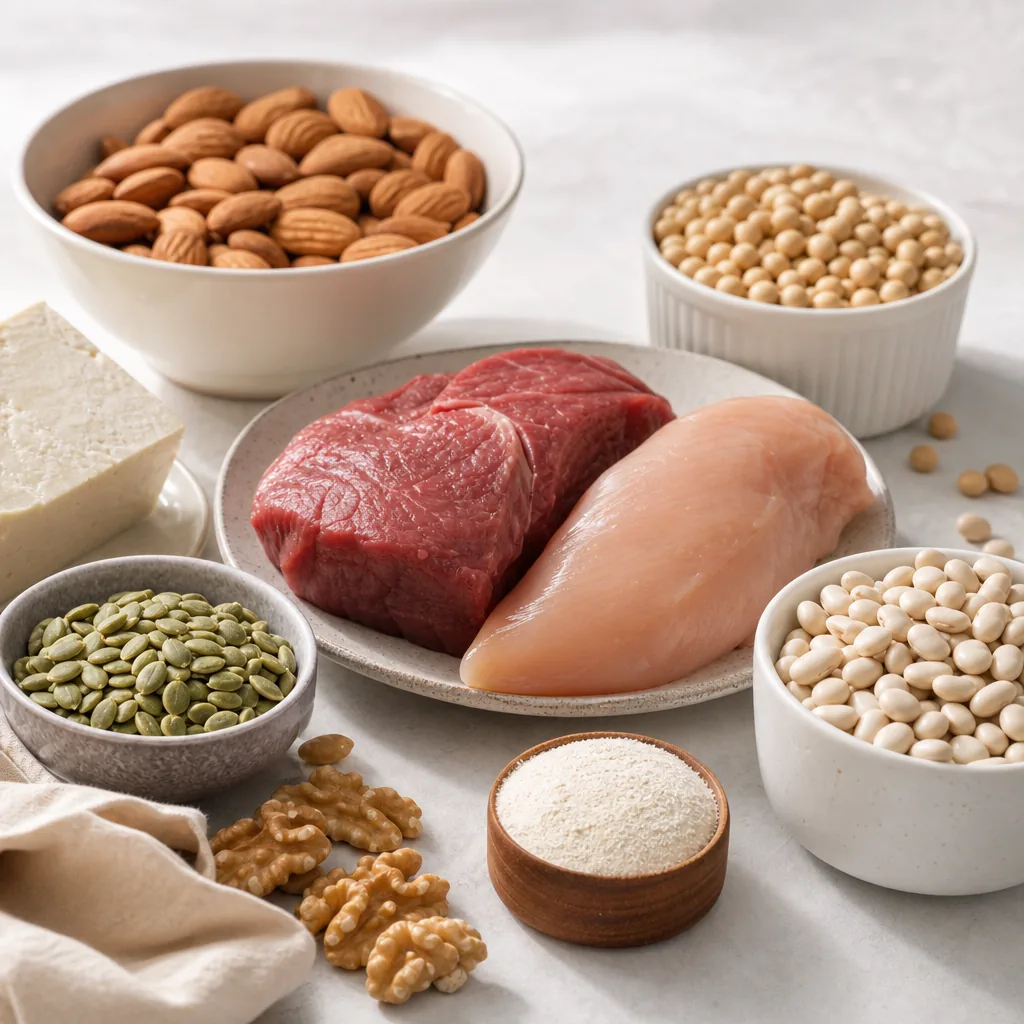
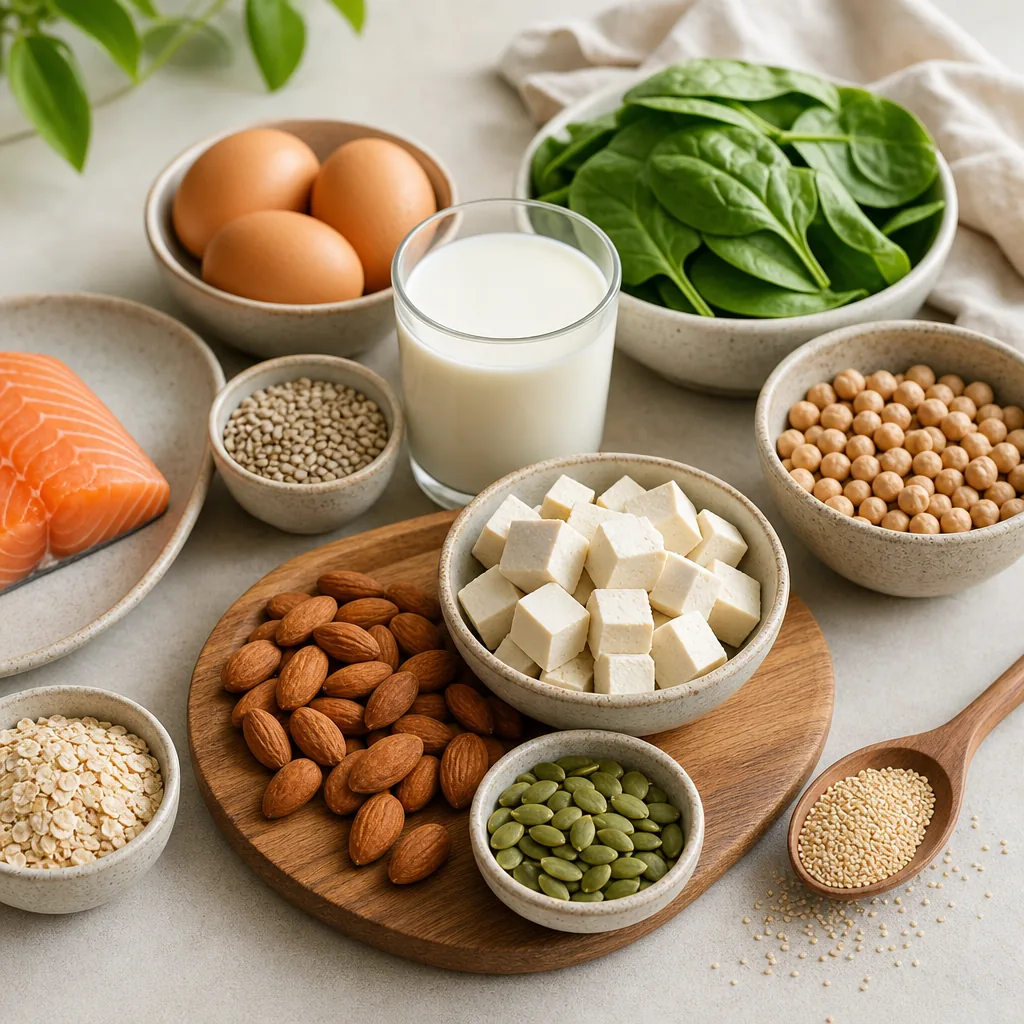
L-histidine is naturally abundant in protein-rich foods and is also available as a supplement. Food-first approaches are typically sufficient and provide additional nutrients beneficial for overall health. Supplements may offer targeted dosing when medical or specific performance contexts apply.
-
Meat and poultry (beef, chicken, turkey)
-
Fish and seafood (tuna, salmon, cod, shellfish)
-
Dairy products (milk, yogurt, cheese)
-
Eggs
-
Legumes (soybeans, lentils, chickpeas, black beans)
-
Nuts and seeds (pumpkin seeds, sesame seeds, peanuts, almonds)
-
Whole grains and pseudocereals (wheat, quinoa, oats)
Supplements may be considered when dietary protein is insufficient, when precise dosing is required (e.g., in some clinical protocols), or when a healthcare professional recommends them. Whole foods add synergistic nutrients like iron, zinc, B vitamins, and bioactive compounds; supplements can provide convenient, standardized amounts of histidine but lack the broader nutritional matrix.
Who May Benefit from L-Histidine?
-
People with low total protein intake who struggle to meet essential amino acid needs through diet alone.
-
Individuals with CKD-related anemia or those on dialysis, but only under medical supervision.
-
Adults with atopic dermatitis seeking adjunctive options alongside standard therapy.
-
Older adults with reduced appetite or difficulty chewing who may not reach protein targets.
-
Athletes on restrictive diets; better addressed with complete protein or EAA blends, but histidine may help if intake is notably low.
-
People exploring adjunctive approaches for rheumatoid arthritis, in collaboration with their rheumatology team.
Side Effects and Considerations
-
General tolerance:
Most people tolerate dietary amounts well. Supplemental doses may cause mild GI upset, nausea, or headache in some individuals, especially on an empty stomach.
-
Histamine-related conditions:
Because histidine is a histamine precursor, supplementation may theoretically exacerbate symptoms in people with histamine intolerance, mast cell disorders, active allergic conditions, reflux, or peptic ulcers. Use caution and consult a clinician.
-
Kidney and liver disease:
Single-amino-acid supplements can alter amino acid balance and nitrogen load. People with CKD, those on dialysis, or with significant liver disease should only use histidine under medical supervision.
-
Medication interactions:
High-protein or single-amino-acid dosing can affect absorption of certain medications (e.g., levodopa, some thyroid medicines). Separate dosing by a few hours and confirm timing with your healthcare provider. Those on antihistamines or acid-suppressing drugs should also consult a clinician due to theoretical interactions with histamine pathways.
-
Nutrient balance:
Long-term use of isolated amino acids may create imbalances with other amino acids. Prioritize complete proteins or balanced EAA formulas unless your clinician advises otherwise.
-
Pregnancy, breastfeeding, and children:
Do not use histidine supplements beyond normal dietary intake unless a healthcare professional recommends and monitors it.
-
Allergies and sensitivities:
Rarely, individuals may experience hypersensitivity to supplement excipients. Choose simple formulations and discontinue if adverse reactions occur.
-
Pre-surgical considerations:
As a precaution, discontinue nonessential supplements 1–2 weeks before surgery unless your surgical team advises otherwise.
-
Quality and contamination:
Select third-party tested products from reputable manufacturers to avoid contaminants and to ensure correct identity and potency (L-histidine, not D-histidine).
Common Myths About L-Histidine
-
“Histidine supplements build muscle better than regular protein.”
Muscle protein synthesis depends on total high-quality protein and resistance training. There is no good evidence that taking histidine alone outperforms complete proteins or well-formulated EAA blends.
-
“Histidine cures eczema and rheumatoid arthritis.”
Some small studies suggest symptom improvements in subsets of people, but results are inconsistent and not curative. Evidence supports considering histidine, if at all, only as an adjunct to proven medical care.
-
“Histidine works like beta-alanine to boost carnosine and sprint performance.”
Beta-alanine is typically the rate-limiting precursor for carnosine in muscle, not histidine. In well-nourished athletes, adding histidine alone generally does not increase carnosine or performance.
-
“Histidine is the same as histamine.”
Histidine is an amino acid found in proteins; histamine is a signaling molecule derived from histidine and involved in immunity and stomach acid regulation. They are related but not interchangeable, and increasing histidine does not always increase histamine to a clinically meaningful extent.
Conclusion
L-histidine is an essential amino acid that supports hemoglobin, skin barrier components, and many enzymatic processes. Most people meet their needs through protein-rich foods. Supplementation may be useful in select situations—such as under clinical supervision in CKD-related anemia, or as an adjunct for skin health—though evidence ranges from moderate to preliminary depending on the outcome. For performance, histidine is not typically rate-limiting for muscle carnosine in well-nourished athletes.
Choose a food-first approach whenever possible, and consider complete proteins or balanced EAA formulas before using isolated amino acids. People who are pregnant or breastfeeding, children, those taking medications, or anyone with kidney, liver, allergic, or gastrointestinal conditions should consult a healthcare professional before using histidine supplements. If supplementation is appropriate, use conservative doses from reputable brands and reassess regularly to ensure it remains necessary and safe.