What is L-Ornithine?
L-ornithine is a non-proteinogenic amino acid, meaning it is an amino acid found in the body but is not incorporated into proteins. It plays a central role in the urea cycle, a metabolic pathway in the liver that converts potentially toxic ammonia—generated when the body breaks down protein—into urea for safe excretion in urine. In this way, ornithine helps support nitrogen balance and the body’s natural processes for handling protein waste products.
Unlike essential nutrients such as vitamins, minerals, and essential amino acids, L-ornithine is not required from the diet because the body can synthesize it internally, primarily from the amino acid arginine. As a result, there is no established dietary requirement for L-ornithine. It is available as a dietary supplement and is also a component of certain medical formulations used under physician supervision to help manage elevated ammonia levels in specific liver conditions.
Benefits of L-Ornithine
-
Supports the urea cycle and helps manage ammonia during intense exercise
(Mixed evidence)
L-ornithine is a key intermediate in the urea cycle, so in theory, adding more could facilitate ammonia clearance. Small human studies in athletes and active individuals suggest that acute doses of ornithine may reduce ammonia buildup and, in some cases, modestly improve time to exhaustion or perceived exertion. However, results are not consistent across trials, and benefits often depend on dose, timing, and training status. The physiological role is clear, but the performance impact of supplementation is variable.
-
May reduce perceived fatigue and support stress resilience
(Limited evidence)
Several small, short-term trials have reported that daily L-ornithine (often 400–2,000 mg) can reduce subjective fatigue, improve mood or vigor scores, and modestly lower stress-related markers such as cortisol in people experiencing work or lifestyle stress. While the findings are encouraging, studies are generally limited by small sample sizes, short durations, and heterogeneity in populations and outcomes. Larger, well-controlled trials are needed.
-
Potential support for sleep quality
(Preliminary evidence)
Early research indicates that low-to-moderate doses of L-ornithine taken in the evening may improve aspects of sleep quality (such as sleep latency or next-day grogginess) in people with mild sleep complaints or stress-related sleep disruption. Evidence to date is preliminary and not definitive. If used for this purpose, it should complement, not replace, fundamental sleep hygiene practices.
-
Adjunct for elevated ammonia in liver-related conditions (as L-ornithine L-aspartate)
(Strong evidence)
L-ornithine L-aspartate (LOLA), a specific medical formulation combining ornithine and aspartate, has been shown in multiple clinical trials to help reduce ammonia levels and improve symptoms in hepatic encephalopathy when used under medical supervision. This evidence applies to LOLA, not necessarily to over-the-counter L-ornithine alone. People with liver disease should not self-treat; medical evaluation and monitoring are essential.
-
Postoperative and recovery nutrition (as ornithine alpha-ketoglutarate)
(Moderate evidence)
Ornithine alpha-ketoglutarate (OKG) is a specialized compound used in some clinical nutrition contexts. Studies in surgical or critically ill patients suggest OKG can support nitrogen balance and possibly wound healing or length of hospital stay when integrated into medical nutrition therapy. Evidence is more consistent in clinical settings than in healthy people, and use should be guided by a clinician or dietitian.
-
Growth hormone and muscle-building claims
(Mixed evidence)
Early research explored whether ornithine could raise growth hormone (GH), especially when combined with arginine at relatively high doses. Findings are inconsistent, any GH increases are typically transient, and meaningful effects on strength or body composition are not reliably demonstrated. Ornithine should not be considered a standalone muscle- or GH-boosting supplement.
Types or Forms Available
-
L-ornithine hydrochloride (HCl):
The most common over-the-counter form. It provides free L-ornithine and is typically sold as capsules or powder. Suitable for general use (e.g., exercise fatigue or sleep-related experiments) at standard doses.
-
L-ornithine L-aspartate (LOLA):
A combination used medically to reduce ammonia in hepatic encephalopathy. It may be available by prescription or as a regulated medical food in some regions. Evidence for ammonia reduction is strongest with LOLA, not plain L-ornithine.
-
Ornithine alpha-ketoglutarate (OKG):
A clinical nutrition compound sometimes used to support postoperative recovery or wound healing. It provides substrates relevant to both nitrogen handling and energy metabolism. Generally used in medical settings rather than routine sports supplementation.
-
Combination products (e.g., with arginine, citrulline, or lysine):
Often marketed for exercise performance or GH support. Evidence for additive benefits varies, and high-dose combinations may increase the risk of gastrointestinal discomfort.
-
Delivery formats:
Capsules are convenient for smaller doses (e.g., 500–1,000 mg). Powders allow more flexible dosing for pre-exercise use but can taste bitter. Choose third-party tested products to ensure purity and correct labeling.
How to Use L-Ornithine
Most healthy people do not need L-ornithine, and many can meet their goals with training, nutrition, and sleep optimization. If you decide to trial L-ornithine, consider the following guidelines.
-
Common dosage range:
For general fatigue or stress-related goals, 400–2,000 mg per day is commonly studied. For exercise applications, 2–6 g taken 30–60 minutes before training or split before and during may be used in research, though responses vary and higher doses increase the risk of stomach upset. Medical formulations (LOLA, OKG) should be used only under professional supervision; do not self-prescribe.
-
Best timing:
For potential exercise support, take pre-workout. For sleep or next-day grogginess, try an evening dose. For daytime stress/fatigue, morning or early afternoon may be reasonable. Avoid very late high doses if they energize you rather than relax you.
-
How to take it:
Capsules or powder with water. It can be taken with or without food; taking it with a small snack may reduce stomach upset, while taking it on an empty stomach may be preferred before workouts if tolerated.
-
Consistency:
For sleep or stress, daily use over 1–8 weeks is typical in studies. For exercise, some prefer occasional pre-event dosing. As with most supplements, start at the low end of the range to assess tolerance.
Food Sources and Supplement Options
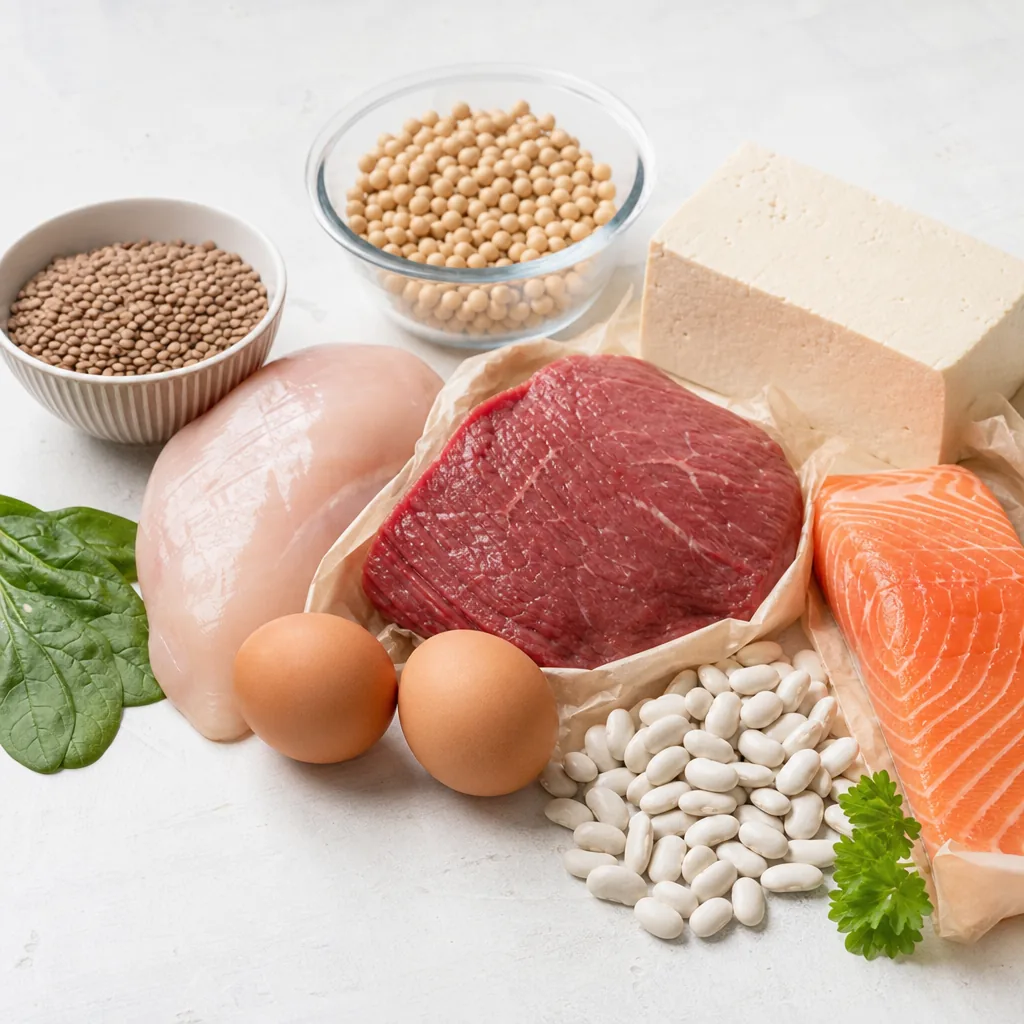
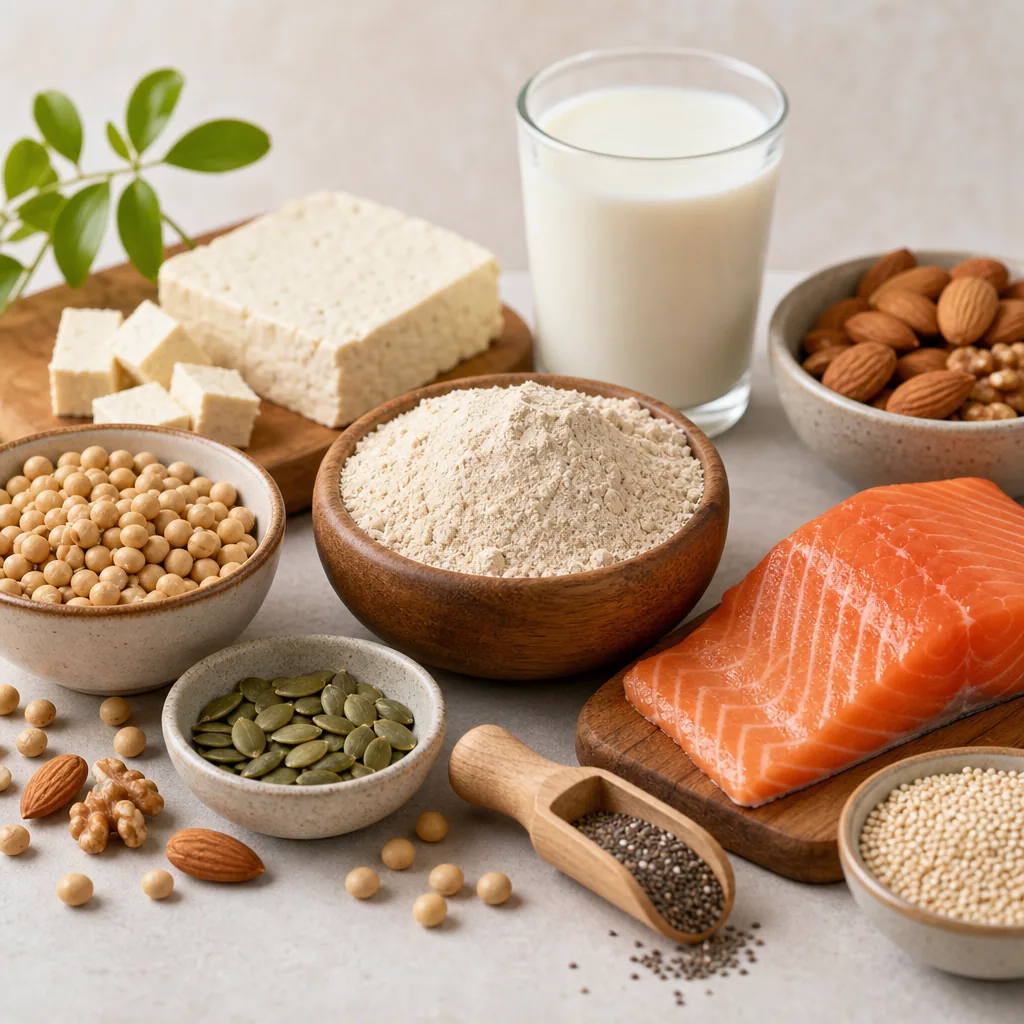
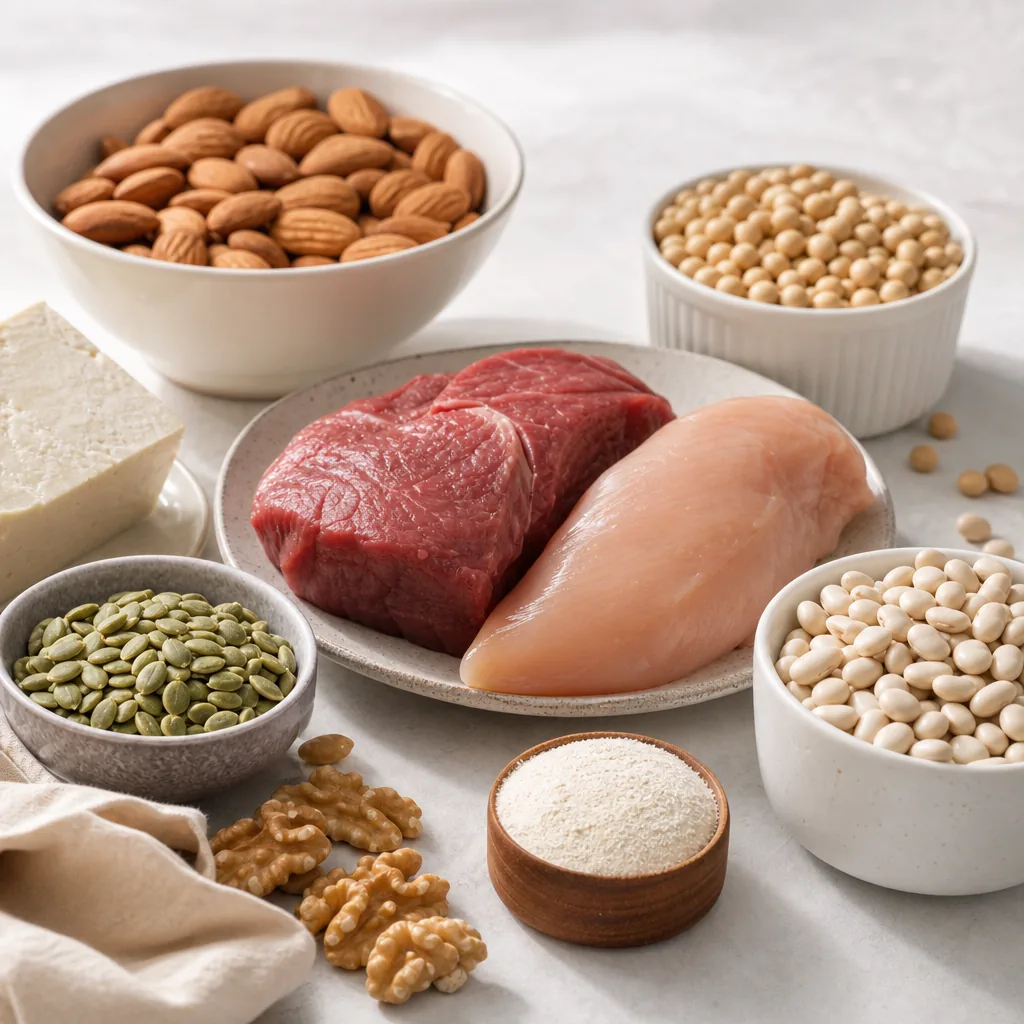
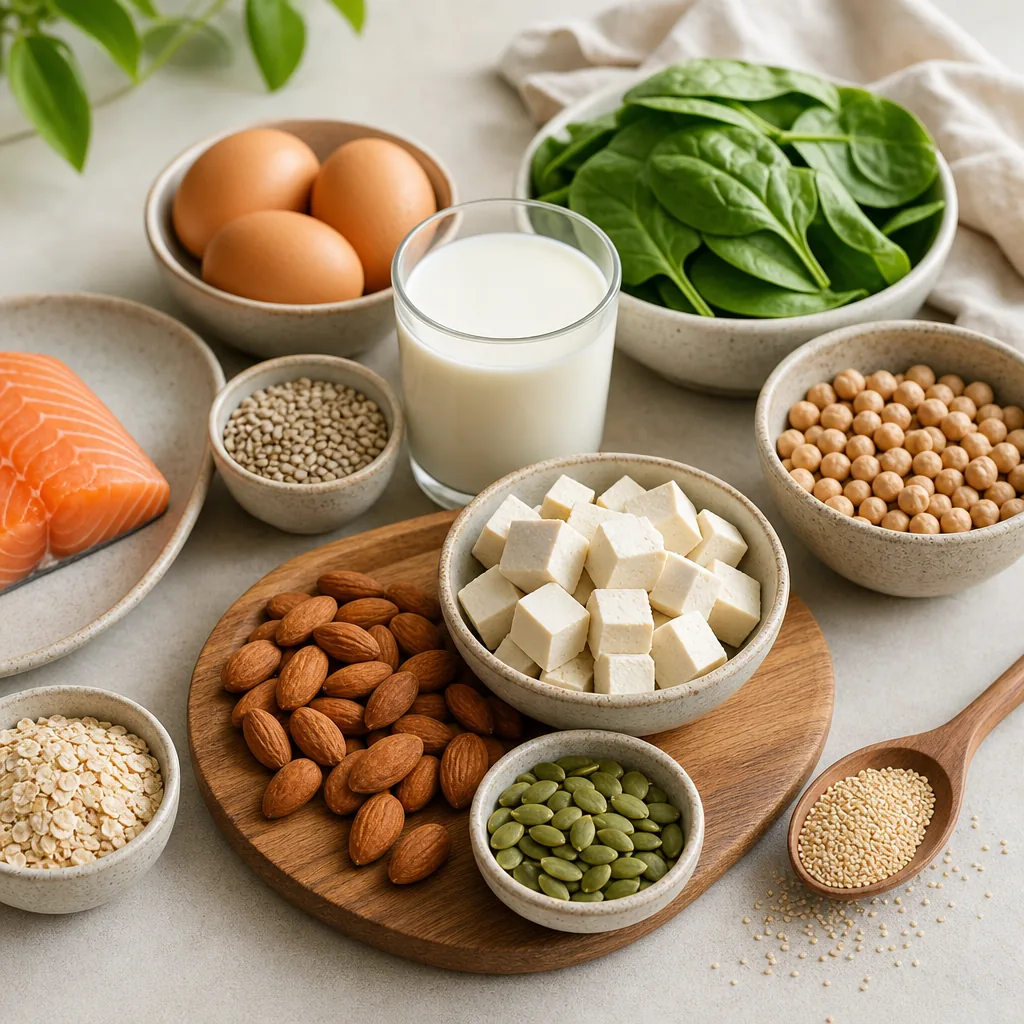
The body synthesizes L-ornithine from arginine, so dietary intake is not required. Small amounts of free ornithine occur naturally in foods, particularly in protein-rich and some fermented foods, but levels are variable and typically not tracked in standard nutrient databases. Because food contributions are modest, people seeking targeted effects often consider supplements.
-
Meat and poultry
-
Fish and seafood
-
Eggs and dairy products
-
Soy foods, including fermented varieties such as tempeh or natto
-
Other protein-rich foods (trace amounts of free ornithine can be present)
Whole foods provide broad nutritional value—protein, vitamins, minerals, and bioactive compounds. Supplements may make sense when you want precise, consistent dosing to test specific outcomes (e.g., pre-exercise or sleep support). Choose products from reputable brands that use third-party testing to ensure identity, potency, and purity.
Who May Benefit from L-Ornithine?
-
Endurance or high-intensity athletes looking to experiment with ammonia management and perceived fatigue, especially during heavy training blocks.
-
People experiencing stress-related fatigue or mild sleep quality concerns who want a conservative, short-term trial alongside foundational lifestyle approaches.
-
Individuals recovering from surgery or critical illness, but only when OKG or related formulations are recommended and monitored by a healthcare professional.
-
People with liver disease and elevated ammonia specifically under physician care, where LOLA may be considered as part of comprehensive treatment.
-
Shift workers or those with irregular schedules seeking a cautious trial for sleep-wake support, while prioritizing sleep hygiene first.
Side Effects and Considerations
-
Gastrointestinal upset:
Nausea, abdominal cramps, bloating, and diarrhea can occur, especially with higher doses (above roughly 2–3 g at once). Start low and assess tolerance.
-
Liver and kidney conditions:
People with liver disease should only use L-ornithine–containing products (especially LOLA) under medical supervision. Those with kidney disease or impaired urea excretion should exercise caution due to nitrogen handling and discuss use with a clinician.
-
Medication interactions:
While no major interactions are well established, individuals taking medicines for hepatic encephalopathy (e.g., lactulose, rifaximin) or other therapies affecting nitrogen metabolism should seek medical advice before adding ornithine.
-
Pregnancy, breastfeeding, and children:
Safety data are limited. Pregnant or breastfeeding individuals and children should avoid supplementation unless advised by a qualified healthcare professional.
-
Surgery and acute illness:
If you have scheduled surgery or are acutely ill, discuss any supplement use with your care team. Clinical nutrition uses of OKG or LOLA should be guided by professionals.
-
Dose creep and combinations:
High-dose stacks with arginine, citrulline, or other amino acids may increase side effects without proven added benefit for most users. Avoid megadoses.
-
Quality and purity:
Choose third-party tested products to reduce the risk of contamination or inaccurate labeling. Individuals with allergies should check excipients.
-
Medical conditions and monitoring:
People managing chronic conditions, or anyone taking prescription medications, should consult a healthcare professional before starting L-ornithine.
Common Myths About L-Ornithine
-
“L-ornithine is an essential nutrient you must get from food.”
L-ornithine is non-essential because your body synthesizes it, primarily from arginine. There is no established dietary requirement, and typical diets plus normal metabolism provide adequate amounts for healthy people.
-
“It reliably boosts growth hormone and builds muscle.”
Research is inconsistent. Transient GH changes have been observed mainly with high-dose combinations (e.g., with arginine), but consistent improvements in strength, muscle mass, or performance have not been demonstrated.
-
“It’s a universal liver detox.”
The liver’s detoxification is complex and multifaceted. While the medical formulation LOLA can help lower ammonia in hepatic encephalopathy, over-the-counter L-ornithine is not a one-size-fits-all liver cleanse and should not replace medical care.
-
“More is better for performance.”
Higher doses increase the risk of gastrointestinal side effects and do not guarantee better results. Evidence for performance benefits is mixed; thoughtful dosing and monitoring are wiser than megadosing.
Conclusion
L-ornithine plays a clear physiological role in the urea cycle, and targeted supplementation may help some people with perceived fatigue, sleep quality, or exercise-related ammonia management. The strongest clinical support exists for medical formulations such as LOLA in liver-related hyperammonemia and for OKG in select clinical nutrition settings—both of which require professional oversight. For healthy, active individuals, results are variable, and basic strategies like training periodization, adequate sleep, and balanced nutrition remain foundational.
If you decide to try L-ornithine, use reasonable doses, start low to assess tolerance, and choose third-party tested products. People who are pregnant, breastfeeding, taking medications, or managing a medical condition should consult a healthcare professional before use. A food-first approach provides broader nutritional benefits, while supplements can offer precise dosing for specific, time-limited goals when appropriate.