What is L-Threonine?
L-threonine is an essential amino acid—one of the nine amino acids that the human body cannot synthesize and must obtain from dietary protein. Classified as a nutrient and commonly available as a standalone supplement or as part of protein powders and essential amino acid blends, L-threonine is incorporated into body proteins and serves as a building block for structural and functional proteins throughout the body. It is particularly important for the formation of glycoproteins and mucins (the protective mucus layer lining the gastrointestinal tract), and it contributes to the composition of connective tissue.
Beyond its structural role, L-threonine participates indirectly in metabolic pathways by serving as a precursor to glycine and serine—amino acids involved in neurotransmission, collagen formation, and one-carbon metabolism. In everyday nutrition, most people meet their needs through protein-rich foods such as meat, dairy, eggs, and legumes. As an essential nutrient, inadequate intake can lead to problems with growth, tissue maintenance, and gut barrier function, especially when overall protein intake is insufficient.
Benefits of L-Threonine
-
Supports protein synthesis, growth, and tissue repair
(Strong evidence)
As an essential amino acid, L-threonine is required to build and repair body proteins. Adequate intake supports normal growth, recovery from exercise, and the maintenance of lean body mass. Inadequate threonine can limit protein synthesis even if other amino acids are present, making sufficient intake important for athletes, older adults, and anyone with elevated protein needs.
-
Maintains gut barrier integrity via mucin production
(Moderate evidence)
L-threonine is a key component of mucins—the heavily glycosylated proteins that form the protective mucus layer in the gastrointestinal tract. Research in humans and animals shows that threonine availability influences mucin synthesis and turnover, which can support intestinal barrier function, particularly during stress, illness, or low-protein feeding. While supplementation may help when dietary protein is marginal or in clinical nutrition settings, it is not a stand-alone treatment for digestive disorders.
-
Supports immune function
(Moderate evidence)
Threonine contributes to the synthesis of immunoglobulins and other glycoproteins involved in immune defense. Studies in settings of low protein intake or illness suggest that adequate threonine can help maintain the production of these proteins. In healthy individuals with sufficient protein intake, additional threonine is unlikely to further enhance immune function, but avoiding shortfalls is important.
-
May help prevent fat accumulation in the liver when intake is low
(Limited evidence)
Older and animal studies indicate that inadequate intake of lipotropic nutrients—threonine, methionine, and choline—can contribute to fatty liver changes. Correcting low threonine intake as part of balanced nutrition may help support normal liver fat metabolism. However, in people with typical diets and established nonalcoholic fatty liver disease, evidence that threonine supplements alone provide meaningful benefit is limited.
-
Potential role in neuromuscular tone through glycine pathways
(Limited evidence)
Because threonine can be converted to glycine—a neurotransmitter with inhibitory effects—supplementation has been explored for muscle spasticity in small, early studies with mixed results. Current data are insufficient to recommend routine use for neuromuscular conditions, and medical supervision is advised if considered.
-
Contributes to collagen and connective tissue composition
(Limited evidence)
Threonine is present in connective tissue proteins and supports collagen formation indirectly via serine and glycine pathways. While a balanced protein diet supports skin, joint, and tendon health, specific threonine supplementation beyond adequate protein has limited direct evidence for additional benefits in otherwise well-nourished individuals.
Deficiency or Low Levels of L-Threonine
-
Common signs of low levels:
Slowed growth or impaired recovery, reduced immune protein (immunoglobulin) production, compromised gut mucus layer with potential gastrointestinal discomfort, and in severe protein deficiency contexts, increased risk of fatty changes in the liver. Symptoms typically occur alongside insufficient total protein or multiple amino acid shortfalls rather than threonine alone.
-
Who may be at risk:
People with very low total protein intake (e.g., restrictive diets, severe calorie restriction), older adults with low appetite or limited food variety, individuals with malabsorption (e.g., inflammatory bowel disease, short bowel syndrome), those on prolonged parenteral or elemental nutrition with imbalanced formulas, and people with alcohol use disorder or chronic illness that reduces dietary intake.
-
How it is checked:
Clinicians may assess dietary intake, nitrogen balance, and plasma amino acid profiles. In practice, overall protein adequacy and clinical status guide decisions rather than isolated threonine testing. If deficiency is suspected, addressing overall protein intake and formula composition (in clinical nutrition) is prioritized.
Types or Forms Available
-
Free-form L-threonine (powders or capsules):
Provides a precise dose of the single amino acid. Useful for targeted adjustments but can unbalance amino acid ratios if taken in large amounts without adequate overall protein.
-
Essential amino acid (EAA) blends:
Combine all nine essential amino acids in balanced ratios, often used before or after training or when appetite is limited. This approach reduces the risk of imbalances that can occur with single-amino-acid dosing.
-
Medical foods/elemental formulas:
Specialized products for clinical use (e.g., malabsorption, certain inborn errors of metabolism) provide threonine in controlled amounts under medical supervision.
-
Protein powders (food-based):
Whey, casein, soy, and other complete protein powders naturally contain threonine. This is often a practical way to increase intake while supplying all essential amino acids together.
-
Source and isomer considerations:
Supplements should be the biologically active L-form. D- or DL-threonine is not appropriate for human nutrition. Many products are produced by microbial fermentation and are vegan-friendly; review labels for allergens or processing aids.
How to Use L-Threonine
Most people meet their threonine needs by eating sufficient complete protein. Supplementation is best considered when total dietary protein is low, when relying heavily on collagen/gelatin (which is relatively low in threonine and other essential amino acids), or in clinical situations under professional guidance.
-
Common dosage range:
For general nutritional support, 500 mg to 2 g per day of free-form L-threonine is commonly used. Higher intakes can appear in clinical protocols but should be supervised by a clinician. When using EAA blends, total serving sizes often range from 6–12 g EAAs, of which threonine is typically 0.5–1.5 g.
-
Best timing:
Timing is flexible. Many people take amino acids with meals or around training as part of total daily protein distribution. If you take medications that interact with amino acids (e.g., levodopa), follow medical advice on timing separation.
-
How to take it:
Swallow capsules with water or mix powder into water, juice, or a protein shake. Taking with food can improve tolerance if you experience mild gastrointestinal upset. If using collagen or gelatin protein, adding a modest amount of EAAs or a balanced protein source can improve the overall amino acid profile.
-
Consistency:
Daily use makes sense when dietary intake is consistently low. Short-term or situational use is reasonable (e.g., during periods of low appetite, travel, or post-procedure recovery) but should not replace a protein-adequate diet over the long term.
Food Sources and Supplement Options
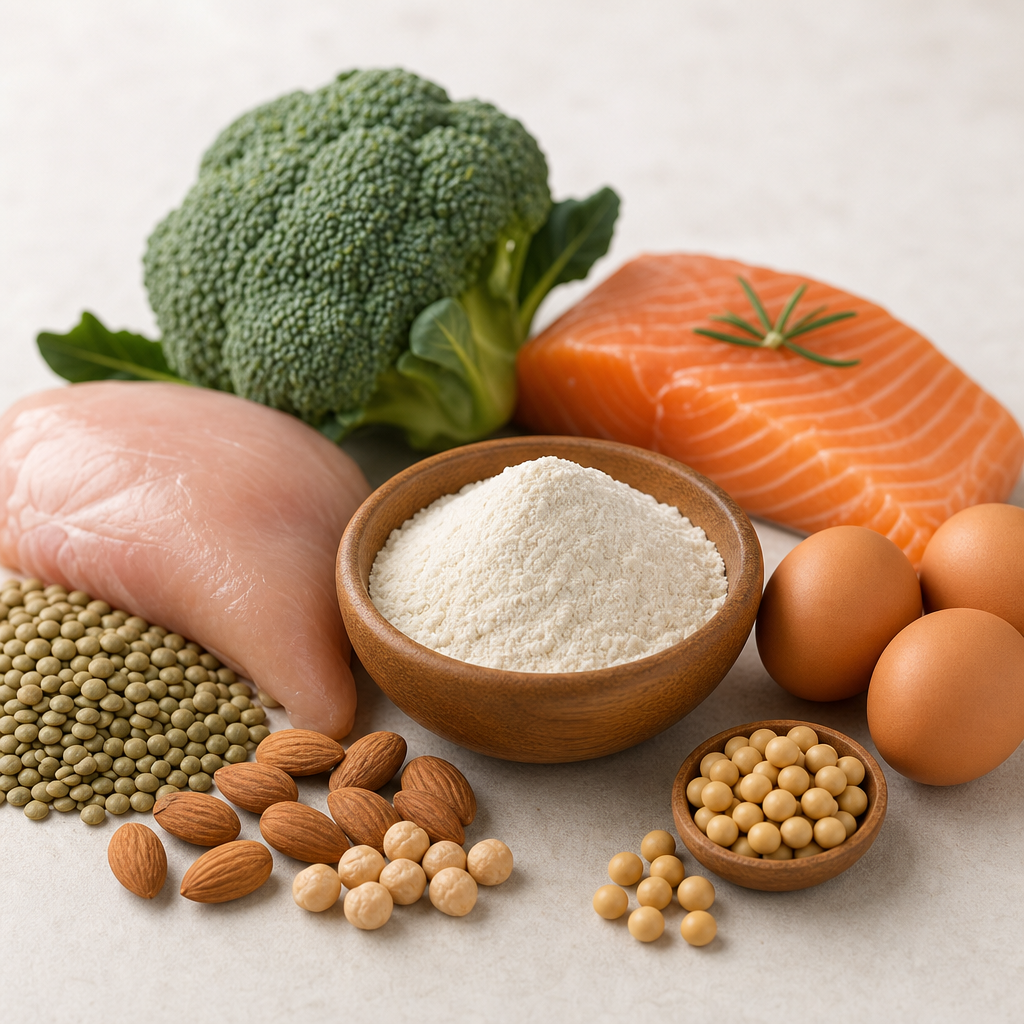
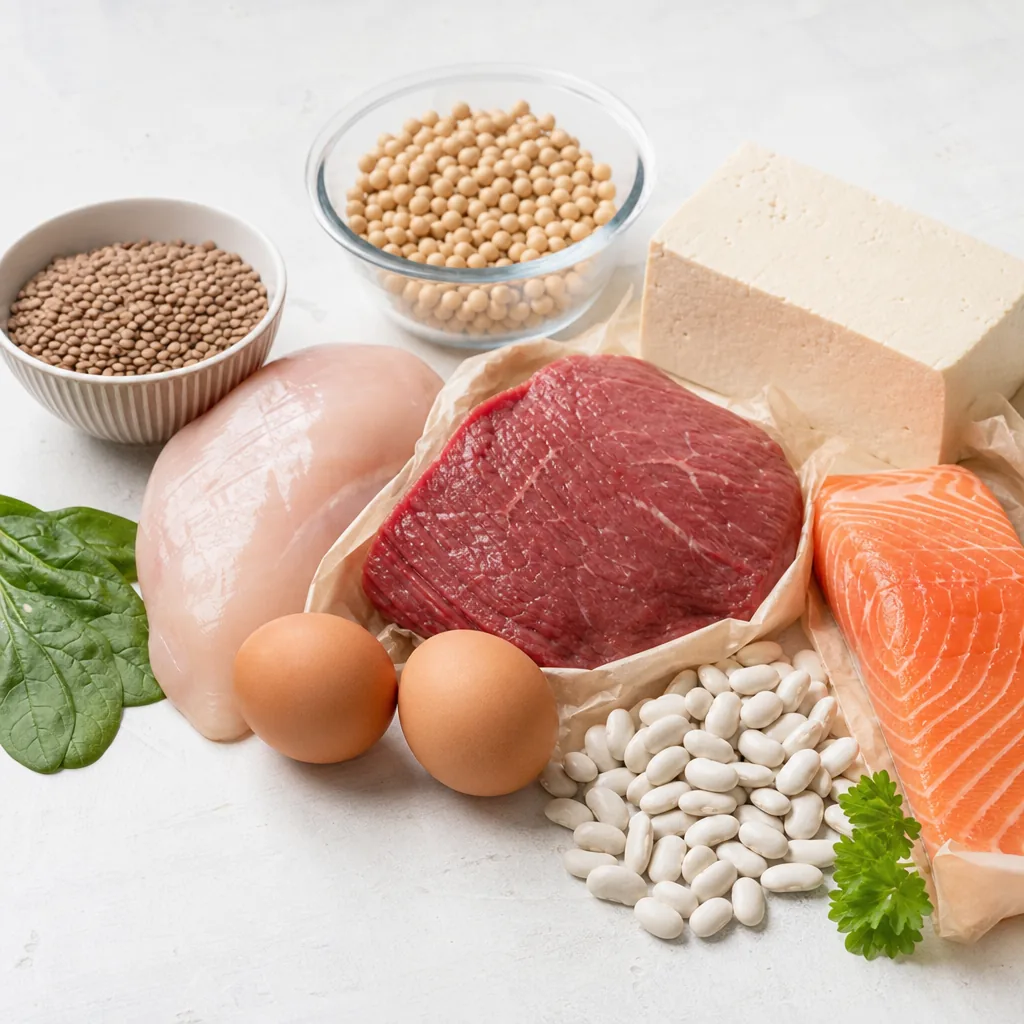
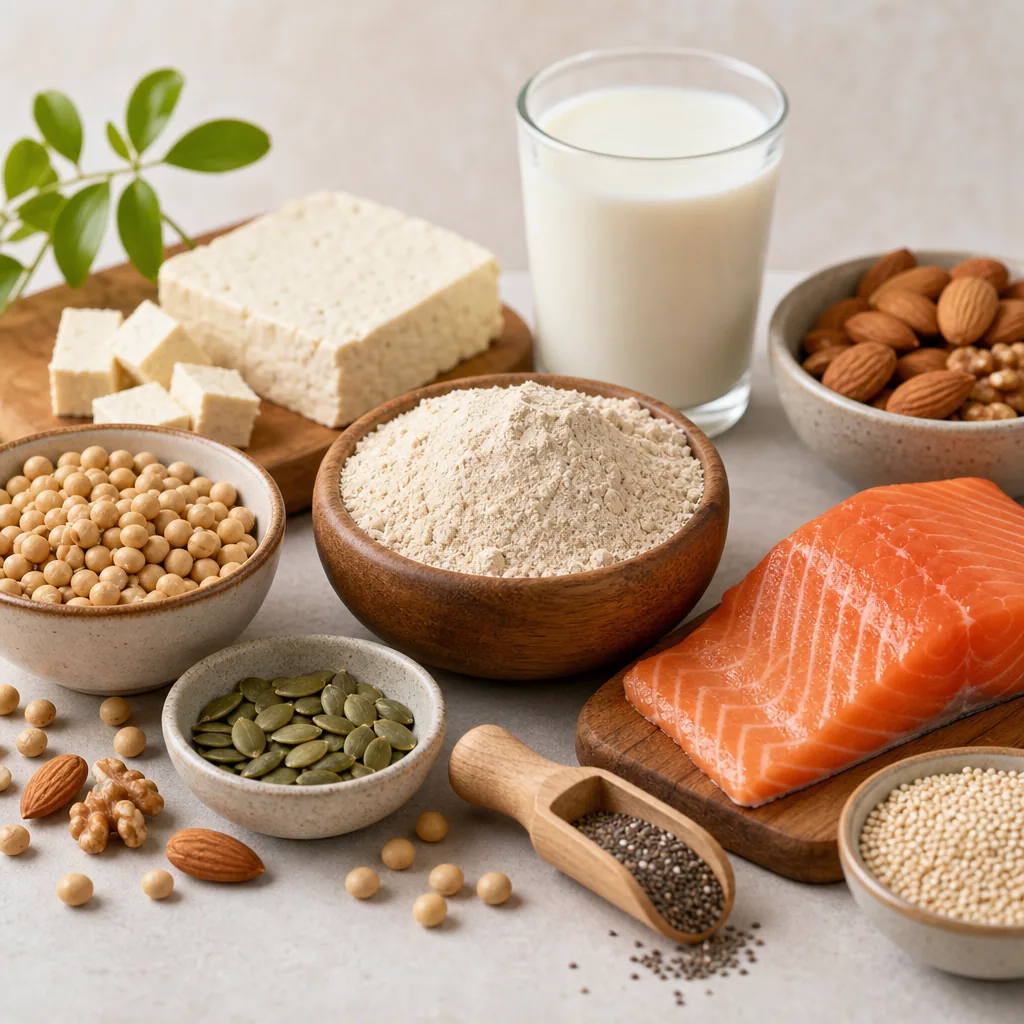
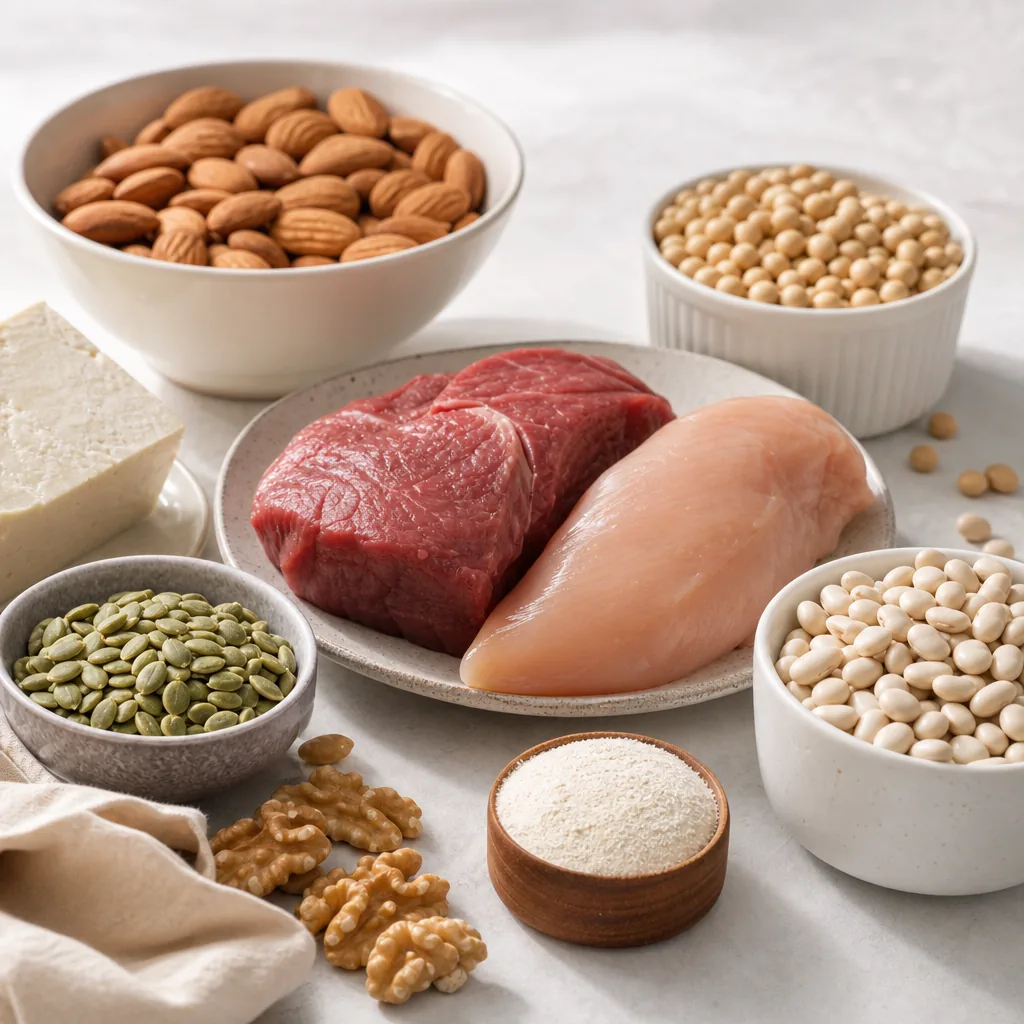
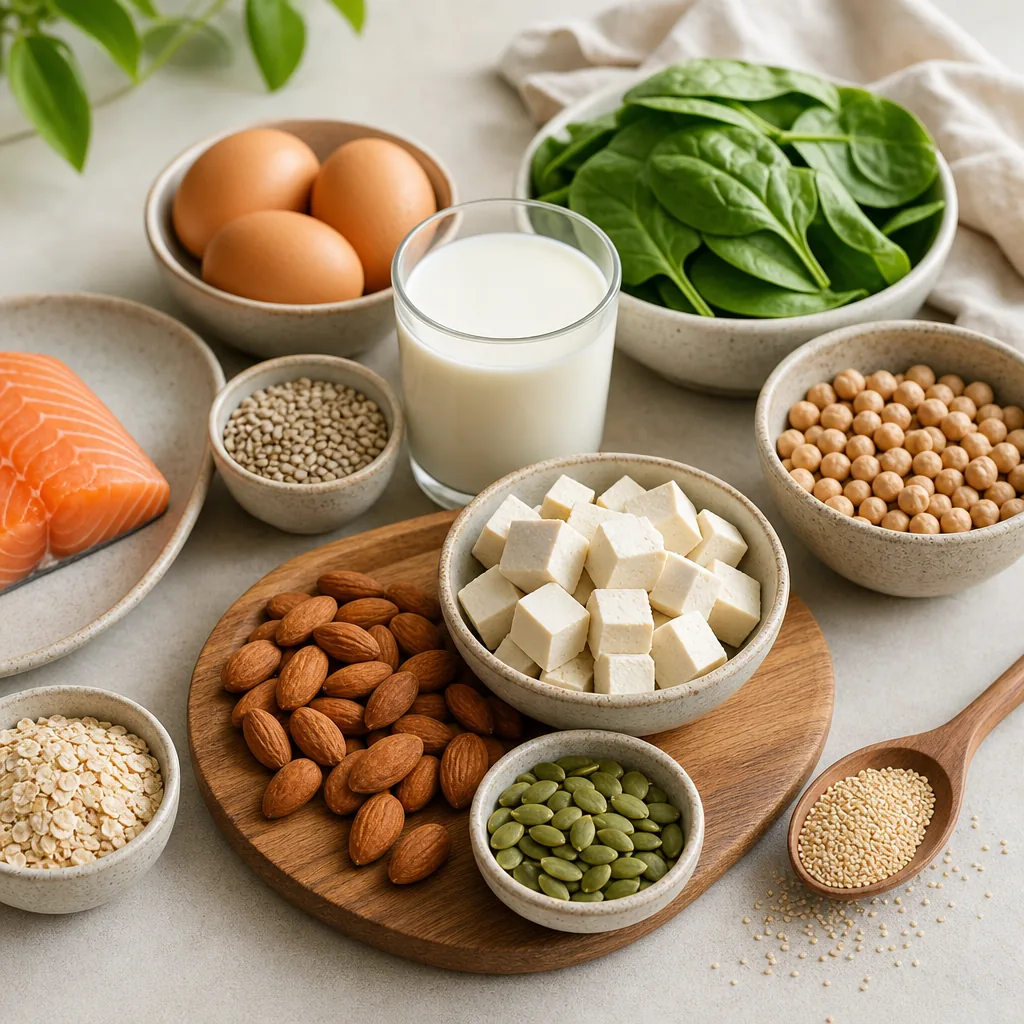
L-threonine is naturally present in many high-protein foods. Whole foods provide a broad spectrum of amino acids plus additional nutrients such as vitamins, minerals, and bioactive compounds. Supplements can offer precise dosing and convenience when intake from food is inadequate or appetite is limited.
-
Meat and poultry (chicken, turkey, beef, pork)
-
Fish and seafood (salmon, tuna, cod, shellfish)
-
Dairy (milk, yogurt, cottage cheese, cheese)
-
Eggs
-
Soy foods (tofu, tempeh, edamame)
-
Legumes (lentils, black beans, chickpeas)
-
Seeds and grains (pumpkin seeds, sesame seeds, quinoa)
Note that collagen and gelatin are incomplete proteins that are relatively low in threonine and several other essential amino acids. If you rely heavily on collagen-based products, consider pairing them with complete proteins or an EAA blend.
Supplementation may make sense for people who struggle to meet protein targets, have higher needs, or use medical nutrition therapies under supervision. However, a food-first strategy is typically preferred because whole foods deliver more than just amino acids.
Who May Benefit from L-Threonine?
-
Individuals with low overall protein intake due to appetite, dietary restriction, or busy schedules.
-
Older adults aiming to maintain muscle and function who may not consistently reach protein targets from meals.
-
Athletes or active individuals who prefer EAAs around training when solid food is impractical, or those relying heavily on collagen-based proteins.
-
People with gastrointestinal conditions or after intestinal surgery receiving specialized nutrition support, under healthcare supervision.
-
Patients on elemental or parenteral nutrition where amino acid balance needs fine-tuning by a clinical team.
-
Individuals recovering from illness, injury, or surgery when protein requirements are elevated and appetite is limited, guided by a clinician.
Side Effects and Considerations
-
General tolerance:
L-threonine is usually well tolerated at typical supplemental doses. Possible side effects include mild gastrointestinal upset (nausea, bloating, loose stools) or headache in sensitive individuals.
-
Amino acid balance:
Taking one essential amino acid in isolation and high amounts can create imbalances and is unlikely to stimulate muscle protein synthesis without adequate intake of all essential amino acids. Consider balanced protein or EAA blends instead of chronic high-dose single-amino-acid use.
-
Kidney and liver considerations:
People with kidney disease, liver disease, or those advised to limit protein or nitrogen intake should avoid supplementation unless a healthcare professional approves and monitors it.
-
Medication interactions:
Large neutral amino acids can compete with certain medications (notably levodopa) for absorption and transport across the blood-brain barrier. If you use levodopa or similar medications, consult your clinician about timing and potential interactions.
-
Pregnancy, breastfeeding, and children:
Do not use high-dose standalone amino acid supplements unless recommended by a qualified healthcare professional. Meeting needs through balanced dietary protein is preferred.
-
Surgery:
Inform your surgical team about all supplements. As a general precaution, many clinicians recommend pausing nonessential supplements 1–2 weeks before elective procedures.
-
Allergies and sourcing:
Some products are manufactured using fermentation with potential exposure to allergens or cross-contaminants. Choose reputable brands and check labels if you have allergies.
-
Quality and identity:
Select products labeled as L-threonine from companies that follow cGMP and third-party testing. Avoid products listing DL-threonine for human supplementation.
-
Dosing prudence:
Avoid megadoses. Long-term safety data for high intakes are limited; stay within label directions unless supervised by a clinician.
-
Medical conditions and medications:
If you are pregnant, breastfeeding, taking medications, or managing a medical condition, consult a healthcare professional before use.
Common Myths About L-Threonine
-
“Extra threonine alone builds muscle faster.”
Muscle protein synthesis requires all essential amino acids, with leucine playing a key signaling role. A single amino acid is not superior to complete proteins or balanced EAA blends for building muscle when total protein intake is adequate.
-
“Threonine supplements cure leaky gut.”
Threonine supports mucin production and gut barrier maintenance, but intestinal health depends on many factors (overall diet, fiber, microbiome, inflammation, and medical conditions). Evidence does not support threonine as a standalone cure.
-
“Threonine melts liver fat on its own.”
Data linking threonine to liver fat are largely from deficiency or animal models and typically involve other nutrients like choline and methionine. For fatty liver, lifestyle, overall diet quality, and clinical management are primary.
-
“You never need to think about threonine because all proteins have plenty.”
While many foods provide adequate threonine, patterns relying heavily on collagen/gelatin or very low total protein can fall short. Ensuring balanced protein sources remains important.
Conclusion
L-threonine is an essential amino acid that supports protein synthesis, gut barrier integrity, and immune protein production. Most people meet their needs through a balanced diet emphasizing complete protein sources. Supplements can be useful when intake is low, during periods of higher demand, or in clinical nutrition—especially as part of a balanced EAA blend or alongside complete proteins rather than as a high-dose single amino acid.
Choose quality products from reputable brands, avoid megadoses, and consider food-first strategies that also deliver vitamins, minerals, and other beneficial compounds. Individuals who are pregnant or breastfeeding, children, those taking medications, and anyone with kidney, liver, or other medical conditions should seek personalized guidance from a healthcare professional before using L-threonine supplements.