What is Molybdenum?
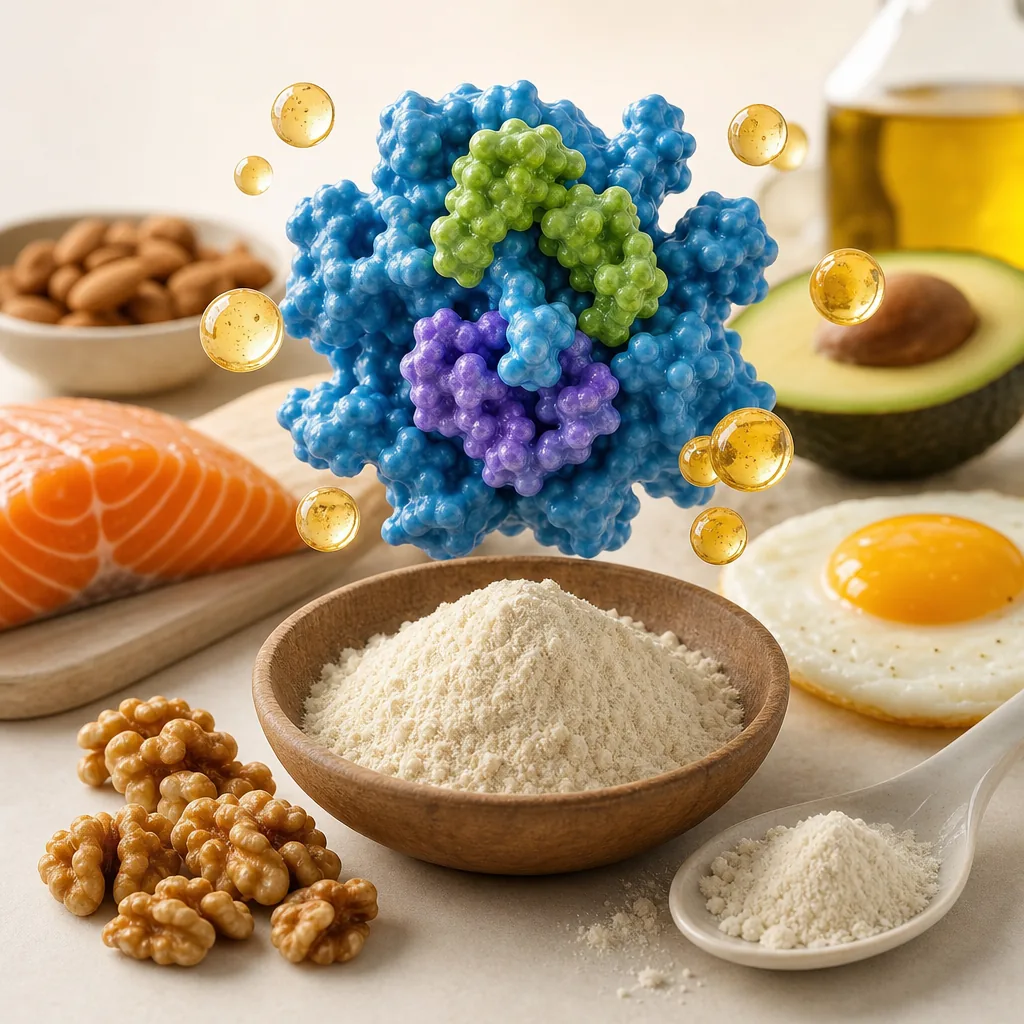
Molybdenum is an essential trace mineral that the body requires in very small amounts. It naturally occurs in soil and accumulates in plant foods, especially legumes and grains, with content varying by growing region. In human biology, molybdenum’s primary role is to serve as a cofactor for a small family of enzymes—sulfite oxidase, xanthine oxidase/dehydrogenase, aldehyde oxidase, and the mitochondrial amidoxime reducing component (mARC). These enzymes support critical metabolic pathways involved in processing sulfur-containing amino acids, purines, certain aldehydes, and a variety of medications and environmental compounds.
Because these enzymes cannot function without molybdenum, it is categorized as an essential nutrient (a micromineral), not a botanical or herbal compound. While deficiency from typical diets is rare, molybdenum is indispensable for converting sulfite to sulfate, clearing breakdown products of purines into uric acid, and aiding liver-based metabolism of some drugs and xenobiotics. It is available in foods and as a dietary supplement, often in multivitamins or as standalone products providing microgram-level doses.
Benefits of Molybdenum
-
Supports sulfite and sulfur amino acid metabolism
(Strong evidence)
Molybdenum is the required cofactor for sulfite oxidase, the enzyme that converts sulfite (from sulfur amino acids such as methionine and cysteine, as well as food additives) into sulfate. Adequate status helps maintain normal processing of these compounds, which supports overall metabolic balance and reduces buildup of reactive sulfite intermediates.
-
Enables purine breakdown and normal uric acid formation
(Strong evidence)
As a cofactor for xanthine oxidase/dehydrogenase, molybdenum helps convert hypoxanthine and xanthine into uric acid—the end product of purine metabolism. This is a basic, well-characterized function that prevents accumulation of upstream purine metabolites and supports nitrogen balance. While essential, it is not a treatment for gout or high uric acid and excessive intakes may theoretically raise uric acid.
-
Supports hepatic metabolism of certain drugs and aldehydes
(Moderate evidence)
Aldehyde oxidase and the mARC enzyme system require molybdenum to function. These enzymes help the liver transform a range of aldehydes and specific medications or xenobiotics into more excretable forms. Evidence for the biochemical role is robust; however, whether supplemental molybdenum meaningfully alters drug levels in typical, well-nourished adults is less clear, so medical guidance is advised with medication use.
-
Prevents deficiency-related neurologic and metabolic complications
(Strong evidence)
Although uncommon, frank deficiency—reported historically in patients on long-term parenteral nutrition without trace elements or in rare inborn errors of molybdenum cofactor synthesis—can lead to neurologic changes, metabolic acidosis, and sulfite accumulation. Adequate dietary intake or appropriately formulated nutrition support prevents these problems.
-
May help people sensitive to sulfites
(Limited evidence)
Ensuring adequate molybdenum status is biologically plausible for individuals who feel unwell after sulfite-containing foods or beverages. Small, limited studies and case observations suggest some may find benefit, but high-quality clinical trials are sparse. Avoid using high doses; individualized assessment and dietary strategies remain first-line.
-
Possible role in dental enamel and caries risk
(Preliminary evidence)
Ecological and early observational research has linked higher molybdenum exposure in water or diet with lower dental caries rates, potentially via effects on enamel or oral microbial metabolism. Evidence is preliminary and not sufficient to recommend supplementation specifically for dental health.
Deficiency or Low Levels of Molybdenum
-
Common signs of low levels:
In acquired deficiency, reported features include neurological symptoms (headache, confusion), tachycardia, night blindness, and metabolic disturbances such as elevated sulfite and decreased sulfate in urine. In rare genetic molybdenum cofactor deficiency, severe neurologic impairment occurs early in life. Mild, diet-related insufficiency is uncommon and often subclinical.
-
Who may be at risk:
Individuals on long-term total parenteral nutrition (TPN) without adequate trace-element supplementation; people with malabsorption who avoid legumes and grains for prolonged periods; those with very limited overall food intake; and individuals with rare genetic disorders of molybdenum cofactor synthesis. Soil variation can influence food content, but balanced diets typically supply enough.
-
How it is checked:
There is no widely standardized clinical test for tissue molybdenum status. Plasma or whole-blood molybdenum and 24-hour urinary molybdenum reflect recent intake but may not capture body stores. In suspected functional deficiency, clinicians may assess urinary sulfite/sulfate ratios and, in rare inherited disorders, specialized genetic and metabolic testing. Hair tests are not recommended for diagnosis.
Types or Forms Available
-
Sodium molybdate (Na
2
MoO
4
)
: A common, highly soluble supplemental form. Labels should specify the amount of elemental molybdenum delivered per serving (typically 45–150 micrograms).
-
Ammonium molybdate ((NH
4
)
6
Mo
7
O
24
)
: Another well-absorbed inorganic salt used in supplements and fortification. Similar bioavailability to sodium molybdate when matched for elemental amount.
-
Molybdenum glycinate chelate or citrate
: Chelated forms bound to organic ligands. Marketed for gentler GI tolerance; practical differences in absorption versus molybdate salts are likely small at microgram doses.
-
Multivitamin/mineral blends
: Many multivitamins include molybdenum near the recommended daily allowance. This can be a simple way to cover baseline needs without high doses.
All forms supply molybdenum in a bioavailable state for enzyme cofactor synthesis. At typical microgram doses, differences among forms are modest; choosing a reputable, third-party tested product and verifying elemental amounts is more important than the specific salt or chelate used.
How to Use Molybdenum
Molybdenum needs are small and usually met through food. Supplements are most appropriate when dietary intake is consistently low, when using a multivitamin to cover trace-element gaps, or under clinical guidance (for example, in specialized nutrition support).
-
Common dosage range:
Typical supplements provide 45–150 micrograms per day for adults, aligning with the Recommended Dietary Allowance (RDA) of 45 micrograms for most adults (50 micrograms in pregnancy and lactation). Avoid exceeding the Tolerable Upper Intake Level (UL) of 2,000 micrograms (2 mg) per day unless prescribed.
-
Best timing:
Timing is generally flexible. Daily consistency matters more than time of day.
-
How to take it:
Can be taken with water, with or without food. Individuals prone to mild nausea with minerals may prefer taking it with a meal.
-
Consistency:
For routine nutrition, daily intake via diet or a multivitamin is sufficient. Short-term, targeted use for perceived sulfite sensitivity should be conservative and discussed with a clinician; more is not necessarily better.
Food Sources and Supplement Options
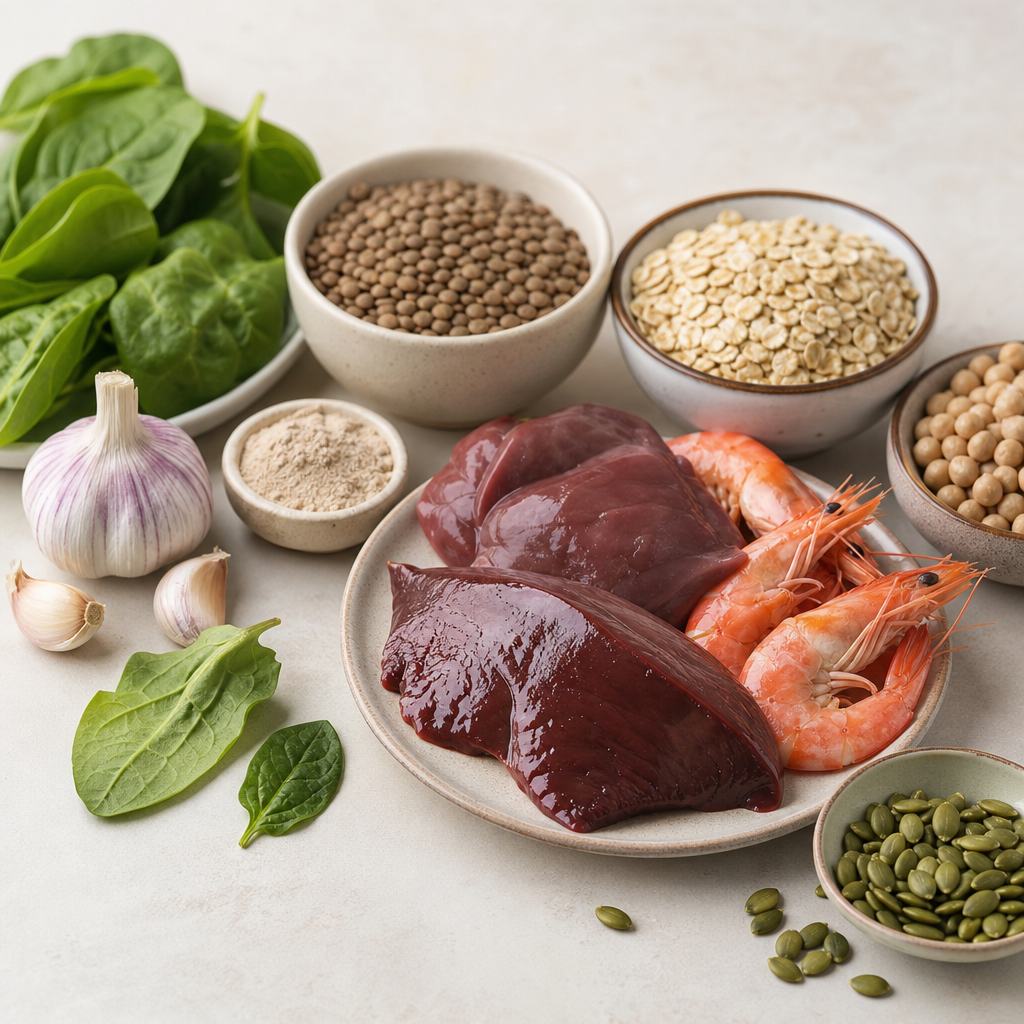
Molybdenum is naturally present in many foods, with levels influenced by soil content. Most people can meet their needs through a varied diet. Supplements are available for those with restricted diets or specific medical guidance. Whole foods provide additional vitamins, minerals, fiber, and phytonutrients, while supplements allow precise, low-dose coverage when intake is uncertain.
-
Legumes: lentils, chickpeas, black beans, soybeans
-
Whole grains: oats, barley, wheat germ, buckwheat
-
Nuts and seeds: almonds, peanuts, sunflower seeds
-
Organ meats: liver and kidney (rich but not necessary for most diets)
-
Dairy and eggs: variable, typically modest amounts
Supplementation may make sense for people who rarely eat legumes or whole grains, those on highly restrictive diets, or individuals on long-term nutrition support where precise trace-element dosing is required. Whenever possible, a food-first approach is preferred, using supplements to fill verified gaps rather than to replace a balanced diet.
Who May Benefit from Molybdenum?
-
People with very limited intakes of legumes, whole grains, and nuts over long periods
-
Individuals on long-term parenteral nutrition or specialized enteral feeds requiring trace-element formulation
-
Those exploring non-pharmacologic strategies for sulfite sensitivity, alongside dietary management and clinical guidance
-
Older adults or athletes who use multivitamins for comprehensive micronutrient coverage, keeping doses modest
-
People in regions with known low soil molybdenum content who also consume limited dietary sources
Side Effects and Considerations
-
Do not exceed safe limits:
Very high intakes may increase uric acid and trigger gout-like symptoms, joint pain, or gastrointestinal upset. The adult UL is 2,000 micrograms per day.
-
Possible copper interaction at high doses:
Excess molybdenum can antagonize copper in animals and, rarely, in humans at very high exposure, potentially contributing to anemia or neuropathy. Keep supplemental doses modest, especially if copper intake is marginal.
-
Kidney and liver considerations:
These organs handle metabolism and excretion. People with chronic kidney or liver disease should seek medical advice before using supplements.
-
Medication interactions (theoretical/practical):
Molybdenum-dependent enzymes (xanthine oxidase and aldehyde oxidase) help metabolize some drugs. Although typical dietary intakes are unlikely to cause issues, those taking medications affected by these enzymes (for example, thiopurines, allopurinol users, or drugs known to be aldehyde oxidase substrates) should consult a pharmacist or clinician before supplementing.
-
Pregnancy, breastfeeding, and children:
Stay within age-appropriate RDAs; avoid high-dose supplements. Always consult a healthcare professional during pregnancy or lactation.
-
Allergies and sensitivities:
True allergies to elemental minerals are rare, but excipients in supplements can cause reactions. Choose products with minimal additives.
-
Quality matters:
Select third-party tested brands that clearly state elemental molybdenum content. Be cautious with products promoting “detox” megadoses.
-
Medical conditions:
Anyone managing a medical condition or taking prescription medications should discuss molybdenum supplements with a healthcare professional to avoid unintended interactions.
Common Myths About Molybdenum
-
Molybdenum is a detox cure-all that flushes heavy metals.
Molybdenum supports specific enzyme systems that process sulfites, purines, and some aldehydes, but it is not a general heavy metal chelator. Claims that it broadly “detoxes” the body lack quality evidence and can encourage unsafe dosing.
-
More molybdenum is always better for energy and performance.
Molybdenum needs are tiny and typically met by food. Excess intake may raise uric acid and cause side effects. For performance and wellness, meeting—not exceeding—requirements is the goal.
-
Deficiency is common, so everyone should supplement.
True deficiency is rare in balanced diets. Most people do not need a standalone supplement. A standard multivitamin or food-based approach usually covers needs without risk of overshooting safe limits.
-
It reliably fixes sulfite sensitivity.
While adequate molybdenum is needed for sulfite metabolism, human research showing consistent symptom relief from supplementation is limited. Dietary strategies and individualized medical advice remain important.
Conclusion
Molybdenum is an essential trace mineral that enables a handful of critical enzymes to function, particularly for processing sulfites, purines, and certain aldehydes and medications. Most people meet their needs through legumes, whole grains, nuts, and other everyday foods. Supplements can be useful for those with restricted diets, in specialized medical nutrition, or when a multivitamin is chosen to cover trace elements. When used, modest microgram doses aligned with daily requirements are appropriate.
Because excess intake can cause side effects and may influence uric acid or interact with drug-metabolizing enzymes, avoid high-dose products and choose reputable brands. People who are pregnant, breastfeeding, taking medications, or managing a medical condition should consult a healthcare professional before supplementing. A food-first approach generally makes the most sense, using supplements to fill confirmed gaps rather than to replace nutrient-dense meals.