What is Phantothenic Acid?
Phantothenic Acid is commonly intended to refer to pantothenic acid, better known as vitamin B5—an essential, water-soluble B vitamin found widely in foods and available as a dietary supplement. The name “pantothenic” comes from the Greek word “pantothen,” meaning “from everywhere,” reflecting its broad presence in the food supply. In the body, vitamin B5 is required to make coenzyme A (CoA) and acyl carrier protein (ACP), two central molecules that help convert the food you eat into cellular energy and support the building and breakdown of fats, carbohydrates, and proteins.
As an essential nutrient, vitamin B5 must be obtained regularly from the diet. It plays key roles in fatty acid synthesis and oxidation, cholesterol and steroid hormone production, vitamin D metabolism, and the formation of acetylcholine (a neurotransmitter involved in muscle activation and cognition). Because of these foundational roles, adequate intake supports normal energy metabolism, skin barrier function, and overall physiological resilience. Pantothenic acid is available as stand-alone supplements, in B-complex formulas, and in multivitamins. Related compounds such as pantethine (a derivative) and panthenol/dexpanthenol (a provitamin form used topically) are also used for specific purposes.
Benefits of Phantothenic Acid
-
Supports energy metabolism and coenzyme A production
(Strong evidence)
Pantothenic acid is required to synthesize coenzyme A, which is central to the Krebs (TCA) cycle and the metabolism of fats, carbohydrates, and amino acids. Adequate intake ensures normal cellular energy production and helps the body use macronutrients efficiently. Supplementation reliably corrects low intake, but in well-nourished individuals, taking more than needed has not been shown to boost energy beyond normal.
-
Helps maintain normal skin barrier (especially with topical dexpanthenol)
(Moderate evidence)
Topical dexpanthenol (a form related to vitamin B5) improves skin hydration, supports the stratum corneum barrier, and can reduce irritation after procedures or in conditions like mild dermatitis. Clinical studies and longstanding dermatologic use support these effects. Oral pantothenic acid may support overall skin health indirectly via nutrient adequacy, but evidence for oral B5 alone on skin barrier is less robust than for topical forms.
-
May modestly improve lipid profile (pantethine derivative)
(Moderate evidence)
Pantethine, a metabolically active derivative of pantothenic acid, has been studied in adults with dyslipidemia and may help lower LDL cholesterol and triglycerides while supporting HDL. Benefits typically appear over 8–16 weeks. This effect is specific to pantethine and should not be assumed for standard pantothenic acid. People on lipid-lowering medications should consult a clinician before adding pantethine to avoid redundancy or interactions.
-
Potential support for acne management (oral pantothenic acid)
(Limited/Mixed evidence)
Small studies and anecdotal reports suggest high-dose pantothenic acid could reduce acne lesion counts, possibly by influencing lipid metabolism and skin cell turnover. However, trials are few, doses vary widely, and methods differ. Current evidence is not strong enough to recommend high-dose B5 as a primary acne therapy. If used, it should complement evidence-based skincare and dermatology guidance.
-
Supports normal wound healing (primarily topical dexpanthenol)
(Moderate evidence)
Topical dexpanthenol has been shown to improve epithelialization, reduce transepidermal water loss, and enhance comfort in minor wounds, abrasions, and post-procedure care. While adequate dietary B5 supports general tissue maintenance, the most consistent benefits in wound healing are seen with topical use rather than oral supplements.
-
General stress and fatigue resilience
(Limited evidence)
Because pantothenic acid is central to energy metabolism and adrenal steroid synthesis, it is often marketed for “adrenal support.” Human data showing meaningful improvements in stress, mood, or fatigue in well-nourished people are limited and inconsistent. Meeting daily needs is important, but extra B5 beyond adequacy has not demonstrated clear anti-fatigue or anti-stress effects.
Deficiency or Low Levels of Phantothenic Acid
-
Common signs of low levels:
Deficiency is uncommon but can cause fatigue, irritability, numbness or tingling (paresthesias), muscle cramps, sleep disturbances, gastrointestinal upset, and a “burning feet” sensation. Symptoms often overlap with other B-vitamin deficiencies.
-
Who may be at risk:
Individuals with severe malnutrition; chronic alcohol use; malabsorption syndromes (e.g., untreated celiac disease, inflammatory bowel disease flares); prolonged use of very low–variety or highly refined diets; those on long-term parenteral nutrition not adequately supplemented; and people with certain rare genetic disorders affecting CoA metabolism. Older adults with poor dietary intake and individuals under significant socioeconomic or food-access constraints may also be at risk.
-
How it is checked:
There is no widely used, standardized clinical test for pantothenic acid status. Research settings may assess urinary pantothenic acid excretion or plasma concentrations, which reflect recent intake more than long-term status. Clinicians typically evaluate diet quality, symptoms, and overall B-vitamin status, and may trial repletion when deficiency is suspected.
Types or Forms Available
-
Calcium pantothenate (oral pantothenic acid):
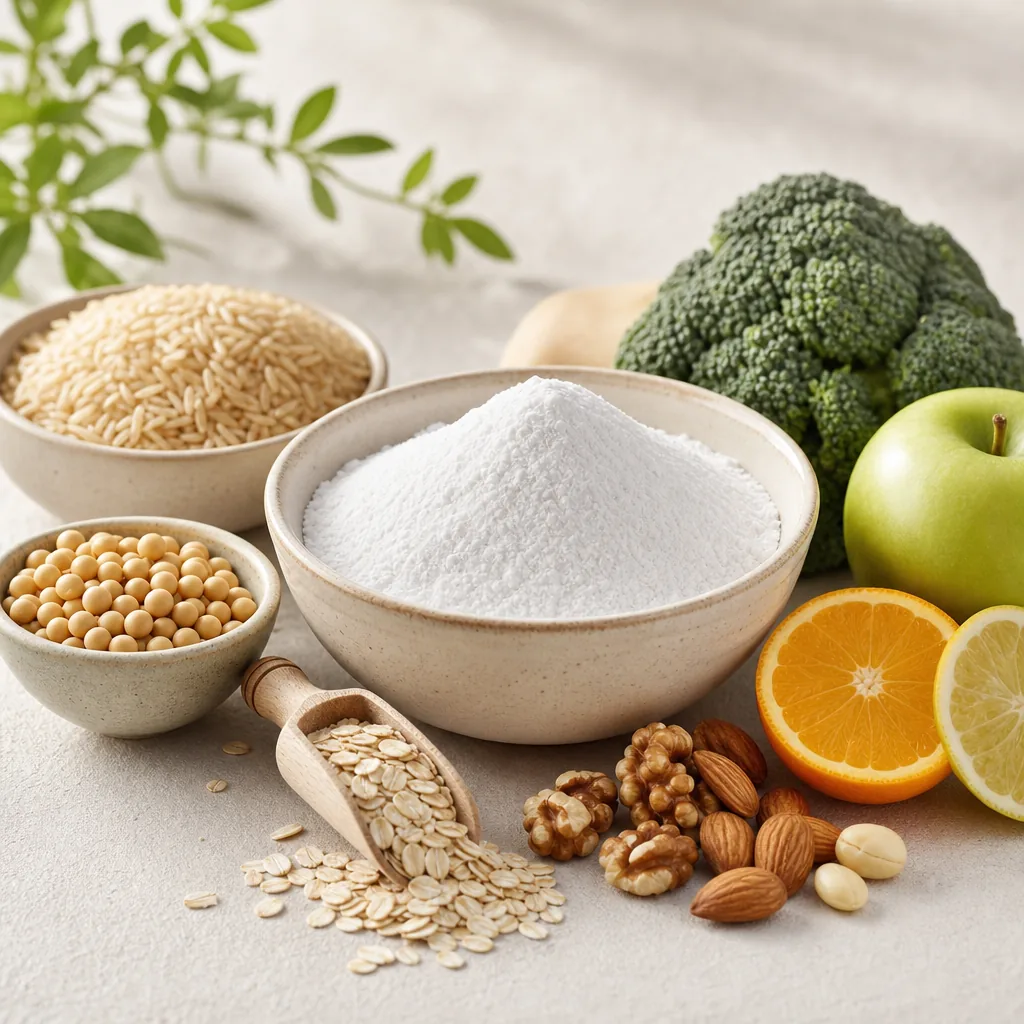
The most common supplemental form found in multivitamins and B-complex products. It is stable, well absorbed, and suitable for meeting daily needs and correcting low intake.
-
Sodium pantothenate:
Another salt form similar in bioavailability to calcium pantothenate, used less often in consumer products but functionally comparable for nutrient repletion.
-
Pantethine:
A dimeric derivative of pantothenic acid. Evidence suggests pantethine can favorably affect LDL and triglycerides in some individuals. It serves a different purpose than standard vitamin B5 and is typically used at higher doses under professional guidance.
-
Panthenol/Dexpanthenol (provitamin B5):
Common in topical creams, ointments, and hair products. It is converted in the skin to pantothenic acid and helps support barrier function and hydration. This form is primarily for topical use rather than oral supplementation.
-
Time-release B5 and B-complex blends:
Some products use sustained-release matrices to reduce gastrointestinal upset. Blends provide B5 alongside other B vitamins; quality and doses vary by brand.
How to Use Phantothenic Acid
Most people can meet their pantothenic acid needs through a varied diet. Supplements are used to ensure adequacy when intake is low or to trial targeted effects with related forms like pantethine. Individual needs vary, so consult a healthcare professional—especially if you are pregnant or breastfeeding, take medications, or manage a medical condition.
-
Common dosage range:
For general nutrition, typical supplements provide 5–10 mg/day of pantothenic acid (close to the adult Adequate Intake of 5 mg/day). Higher doses are marketed but generally unnecessary for routine use. For lipid support, pantethine is often studied at 600–900 mg/day in divided doses; this should be personalized and monitored by a clinician. Avoid megadoses of pantothenic acid due to limited evidence and potential gastrointestinal side effects.
-
Best timing:
Timing is flexible. Many people take B vitamins with breakfast or lunch. Consistency matters more than time of day.
-
How to take it:
Take with food and water to reduce the risk of stomach upset. Pantethine for lipid support is commonly split into two or three meals per day.
-
Consistency:
Daily intake is recommended to meet needs. If using pantethine, allow 8–12 weeks before reassessing lipids with your healthcare provider.
Food Sources and Supplement Options
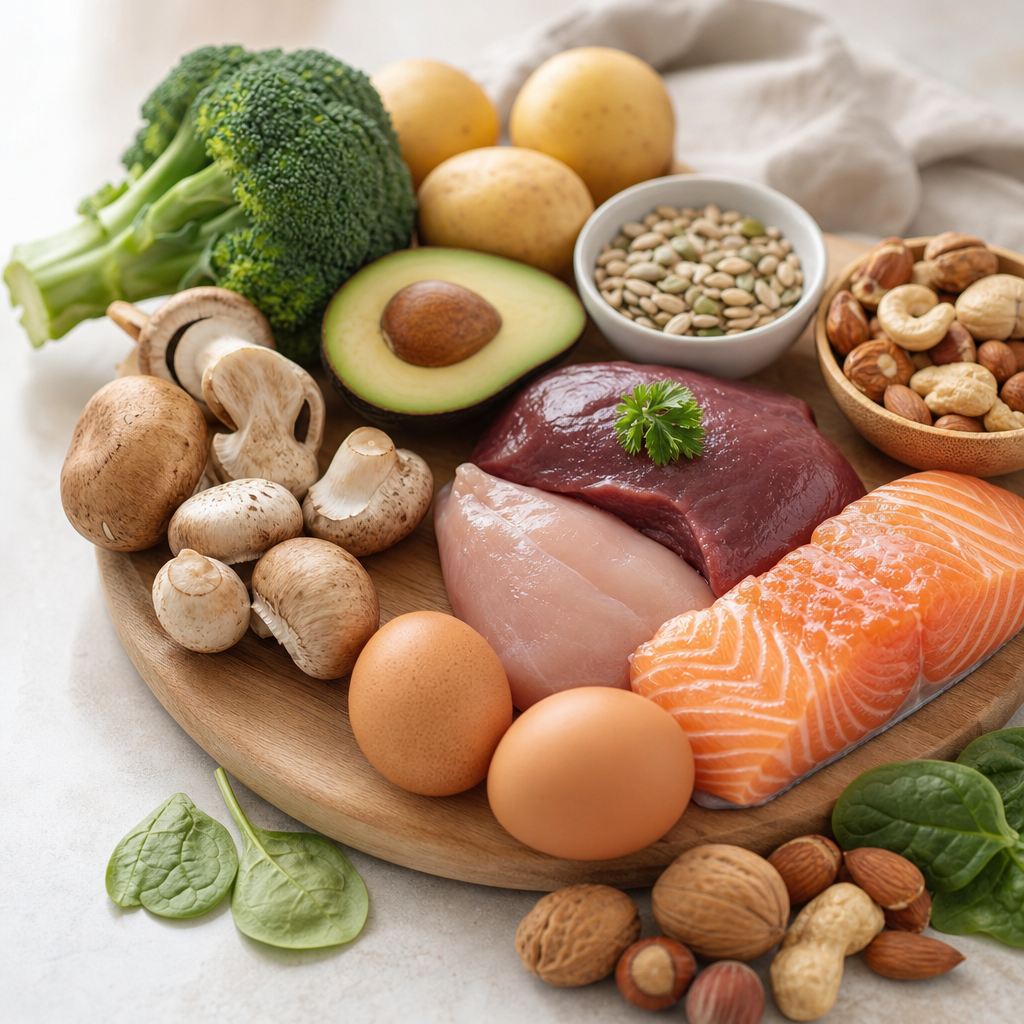
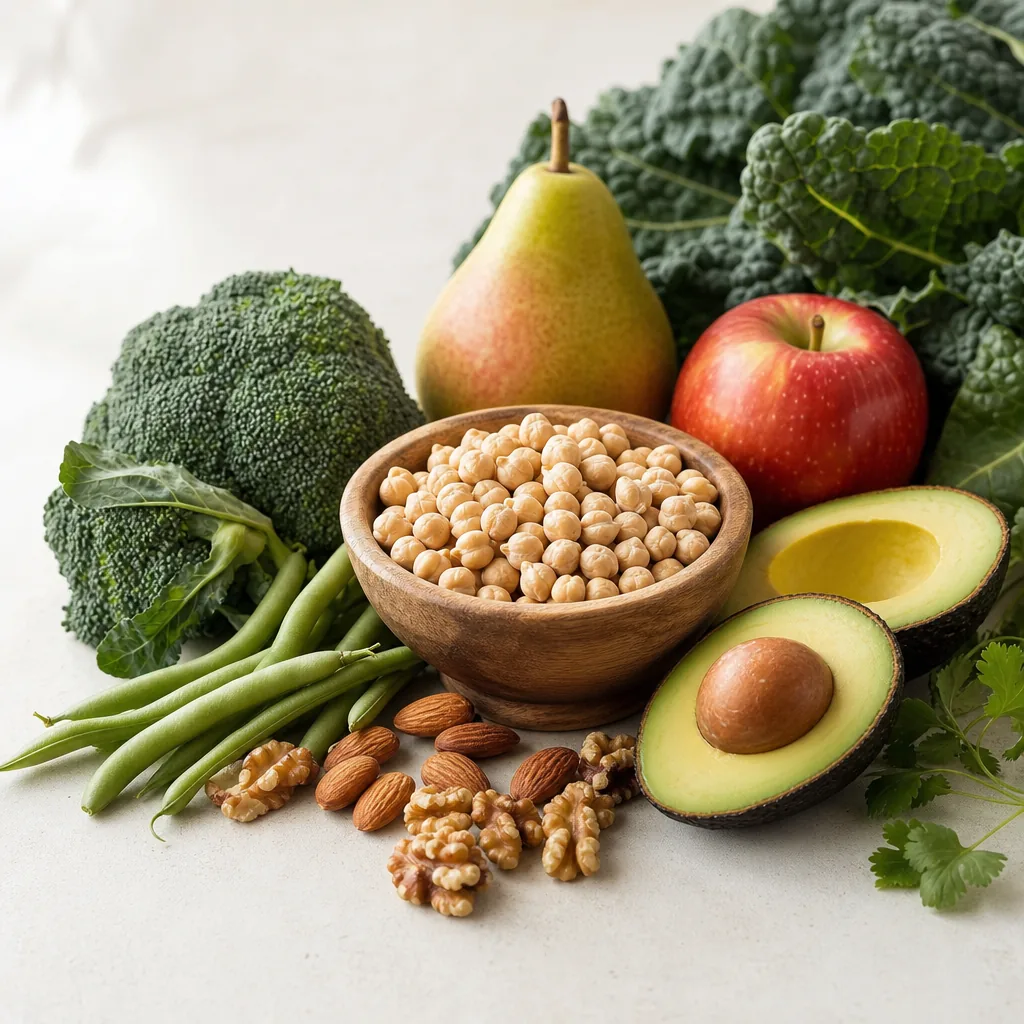
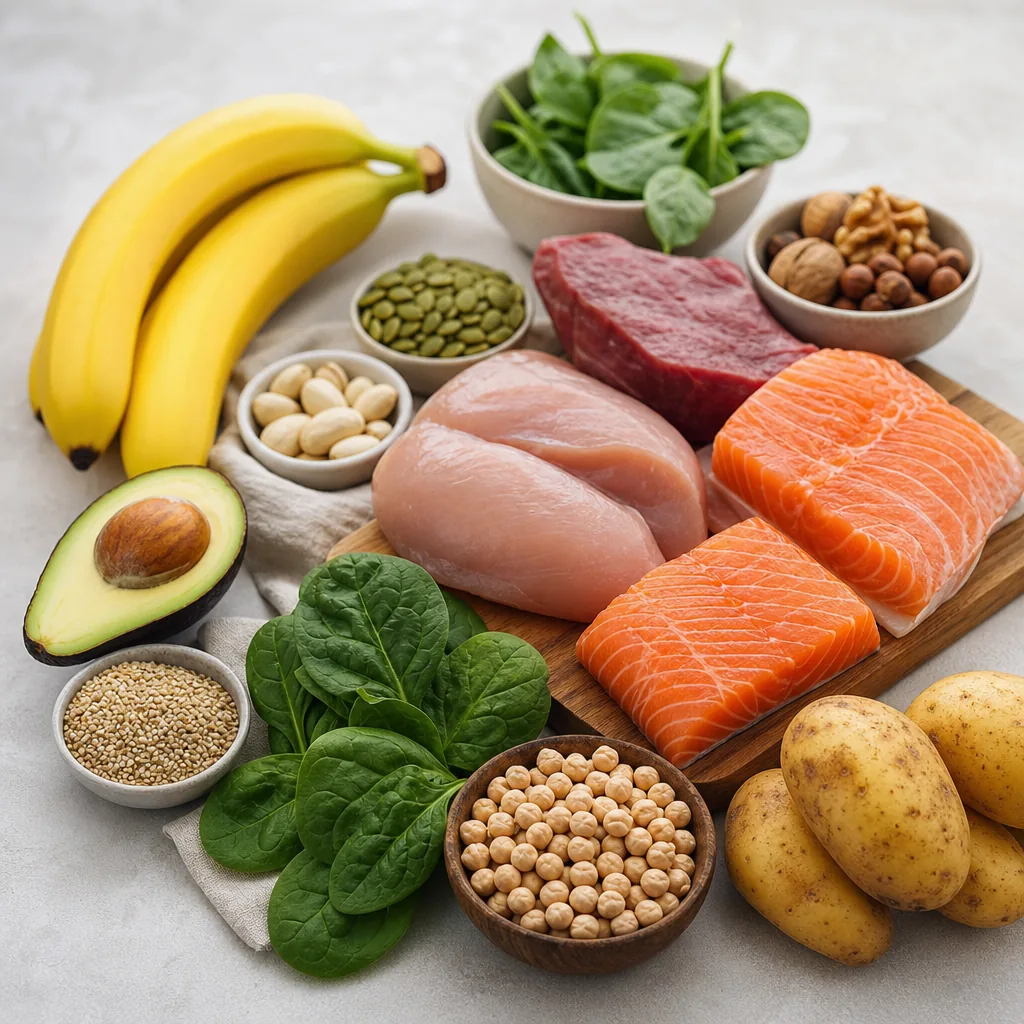
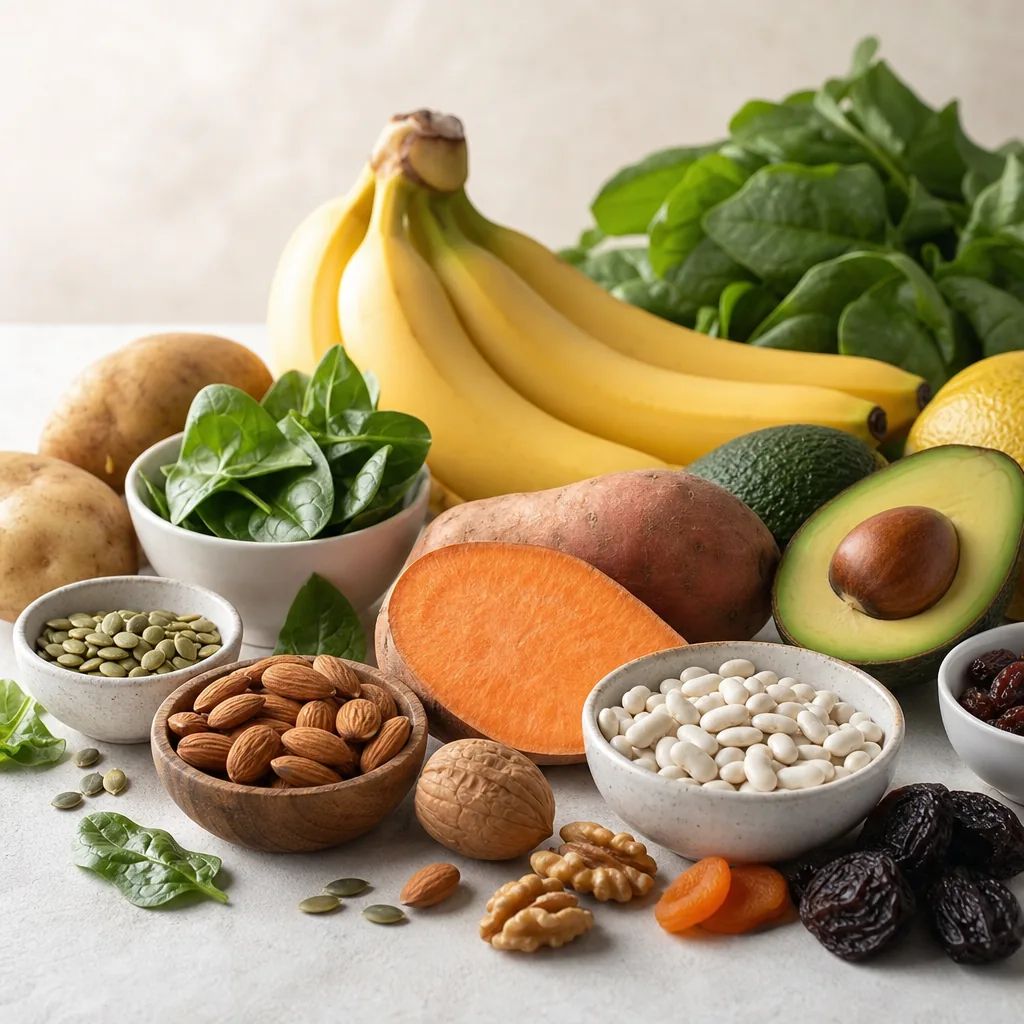
Pantothenic acid is naturally abundant in both plant and animal foods and is also available as a supplement. Whole foods provide B5 alongside other supportive nutrients and bioactive compounds, while supplements offer consistent, measured dosing when intake is inadequate or when a specific form (e.g., pantethine or topical dexpanthenol) is desired.
-
Poultry (chicken, turkey) and lean meats (beef, pork)
-
Organ meats (liver)
-
Fish (salmon, trout), shellfish
-
Eggs and dairy (milk, yogurt)
-
Legumes (lentils, chickpeas), soy products
-
Whole grains and fortified cereals
-
Mushrooms
-
Avocado and sweet potatoes
-
Sunflower seeds and other nuts/seeds
-
Broccoli and other vegetables
Because B5 is sensitive to significant processing and prolonged heating, heavily refined foods may contain less. Supplements can be useful for those with limited dietary variety, absorption issues, or specific therapeutic goals with pantethine. When possible, start with a food-first approach and use supplements to fill gaps or for targeted support under professional guidance.
Who May Benefit from Phantothenic Acid?
-
People with limited or highly refined diets who may not consistently meet B-vitamin needs.
-
Individuals with malabsorption (e.g., untreated celiac disease, certain IBD cases) or prolonged parenteral nutrition requiring carefully formulated micronutrient support.
-
Those with alcohol use disorder or severe undernutrition.
-
Adults with borderline or unfavorable lipid profiles considering pantethine as an adjunct to diet and lifestyle, in consultation with a clinician.
-
People seeking topical skin barrier support after minor procedures or with mild irritant dermatitis (via dexpanthenol-containing products).
-
Endurance athletes or very active individuals who need to ensure adequate overall B-vitamin intake to match high energy turnover (food-first, with supplements if intake is insufficient).
Side Effects and Considerations
-
Generally well tolerated at nutritional doses:
Pantothenic acid is water-soluble, and typical supplemental intakes (around 5–10 mg/day) are considered safe for most healthy adults.
-
Gastrointestinal effects at high doses:
Large amounts may cause diarrhea, nausea, or abdominal cramping. Start low and avoid megadoses.
-
Pantethine-specific cautions:
Pantethine may have mild antiplatelet effects and can influence lipid metabolism. Use caution if you take anticoagulants, antiplatelet drugs, or lipid-lowering medications, and consult your prescriber.
-
Blood sugar and liver/kidney considerations:
While significant effects are uncommon, individuals with diabetes, liver disease, or kidney disease should discuss supplementation with a clinician and monitor labs as appropriate, especially with higher-dose pantethine.
-
Pregnancy and breastfeeding:
The Adequate Intake is 6 mg/day in pregnancy and 7 mg/day during lactation. Avoid high-dose supplements beyond typical prenatal recommendations unless advised by your healthcare provider.
-
Children and adolescents:
Use age-appropriate doses based on dietary reference intakes. Avoid unnecessary high-dose products.
-
Allergies and sensitivities:
True allergy is rare, but discontinue use if you develop rash, itching, or other adverse reactions, and seek medical advice.
-
Pre-surgical planning:
If using pantethine, consider stopping 1–2 weeks before surgery to minimize potential bleeding risk, after discussing with your surgical team.
-
Quality and formulation:
Choose third-party tested products (e.g., USP, NSF) to ensure accurate labeling and purity. Be cautious with “mega-B” formulas that greatly exceed daily needs without a clear purpose.
-
Medication and condition check:
If you are pregnant, breastfeeding, taking medications, or managing a medical condition, consult a healthcare professional before starting any new supplement.
Common Myths About Phantothenic Acid
-
“More B5 means more energy.”
While pantothenic acid is essential for converting food into energy, extra intake beyond what your body needs does not supercharge energy production. Energy levels depend on overall nutrition, sleep, training load, and health—not megadoses of a single vitamin.
-
“Pantothenic acid cures acne.”
Evidence for oral B5 in acne is limited and mixed. Some small studies suggest benefit, but it is not a proven standalone treatment. Evidence-based skincare, diet, and dermatology care remain primary.
-
“All B5 forms do the same thing.”
Standard pantothenic acid supports general nutrient adequacy. Pantethine (a derivative) has been studied for lipids, and dexpanthenol is primarily useful topically for skin barrier support. Choosing the right form matters for your goal.
-
“You can’t get enough B5 from food.”
Pantothenic acid is present in a wide range of foods. Most people meet needs through a varied diet. Supplements help when intake is low, absorption is impaired, or when a specific form is indicated.
Conclusion
Phantothenic Acid—commonly referring to pantothenic acid (vitamin B5)—is an essential nutrient central to energy metabolism and the synthesis of fats, hormones, and neurotransmitters. Most people meet daily needs through a balanced diet, while supplements can help in cases of low intake, absorption issues, or for targeted uses such as pantethine for lipid support or dexpanthenol for topical skin care. When supplementing, select quality products, match the form to your goal, and avoid unnecessary high doses.
If you are pregnant, breastfeeding, take medications, or manage a medical condition, consult a healthcare professional before starting any supplement. A food-first approach provides B5 alongside other valuable nutrients; supplements are best used to fill gaps or meet specific, evidence-informed objectives with appropriate monitoring.