What is Juniper?
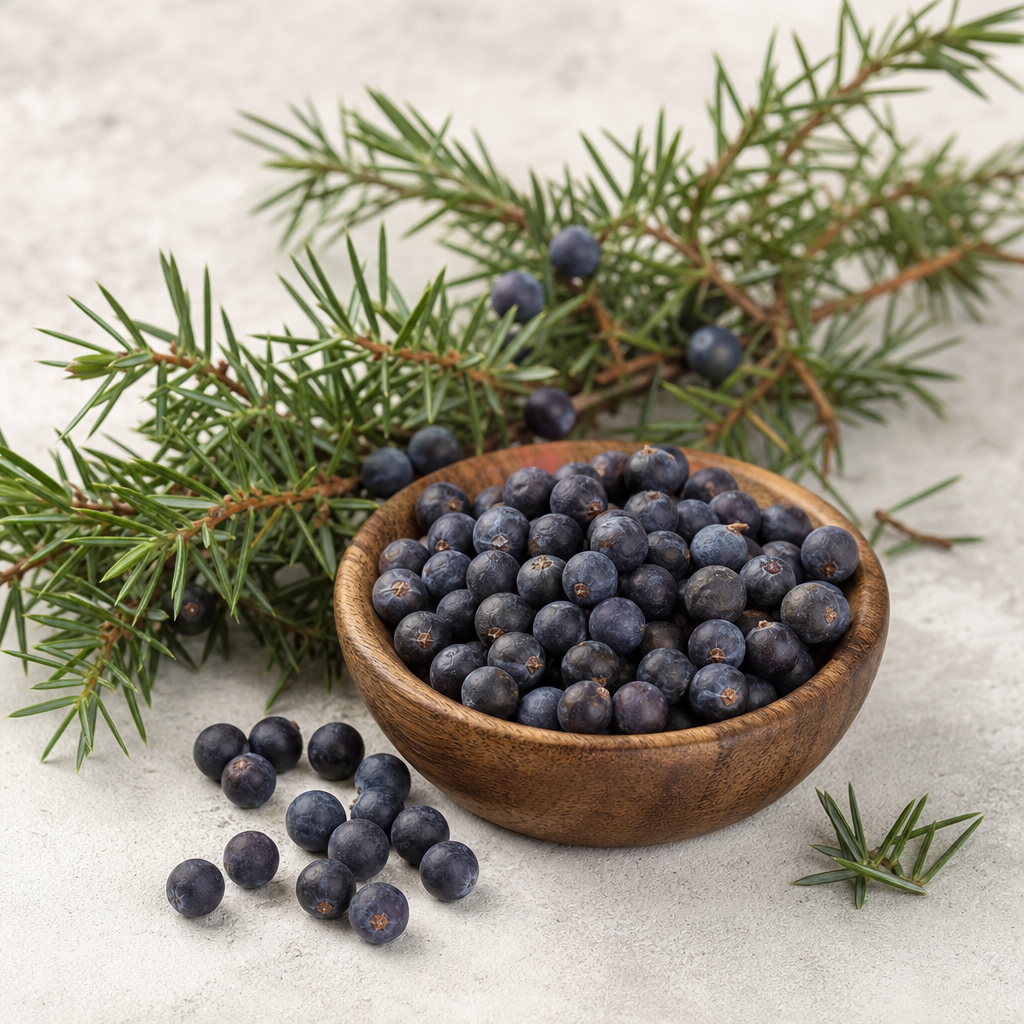
Juniper typically refers to the berries of Juniperus communis, an evergreen shrub in the cypress family native to parts of Europe, North America, and Asia. The “berries” are actually fleshy cones that ripen from green to bluish-black and are used as a culinary spice, most famously to flavor gin, game meats, and sauerkraut. In traditional European herbalism, juniper berries have been used for digestive discomfort, to promote urination, and for their aromatic, antimicrobial properties. The plant contains volatile oils (such as α-pinene, sabinene, limonene, and terpinen-4-ol), flavonoids, and other terpenes thought to contribute to these effects.
Juniper is a botanical herb, not an essential nutrient. While it can be taken as a supplement, the human body does not require juniper in the way it requires vitamins, minerals, essential fatty acids, or essential amino acids. Instead, it is used as a flavoring agent and, in some cases, as a short-term herbal aid for specific wellness goals. Because research in humans is limited and quality varies across products, juniper should be used thoughtfully and with awareness of potential risks, interactions, and contraindications—especially for those who are pregnant, breastfeeding, taking medications, or managing a medical condition.
Benefits of Juniper
-
Supports urinary flow and mild water retention
(Limited evidence)
Juniper has a long history of use as a gentle diuretic to increase urine output and reduce temporary bloating. Laboratory and animal studies suggest that terpinen-4-ol and related compounds may influence kidney function to promote diuresis. Some traditional monographs in Europe acknowledge juniper for supportive use in mild urinary complaints in otherwise healthy adults. However, robust, modern human clinical trials are sparse, so benefits should be considered modest and short-term. Individuals with kidney disease or those on diuretics should avoid self-use without medical guidance.
-
Digestive comfort for gas and indigestion
(Limited evidence)
As a carminative herb, juniper’s aromatic oils may relax intestinal smooth muscle and reduce gas formation, supporting relief of bloating and mild dyspepsia. Historically, small amounts of crushed berries or teas have been used before or after meals to stimulate appetite and digestive secretions. Contemporary human data are limited, and effects likely vary based on preparation and dose. For persistent digestive symptoms, a medical evaluation is appropriate to rule out underlying conditions.
-
Antimicrobial and antiseptic properties
(Preliminary evidence)
In vitro studies show juniper berry extracts and essential oils can inhibit growth of certain bacteria and fungi, likely due to their volatile oil profile. This has led to topical and hygiene applications (e.g., diluted essential oil in skincare) and inclusion in some botanical blends. Nevertheless, in vitro findings do not automatically translate to clinical effectiveness in humans, and topical use must be approached cautiously due to potential skin irritation. Juniper should not be used as a replacement for conventional care in infections.
-
Antioxidant and anti-inflammatory activity
(Preliminary evidence)
Juniper contains flavonoids and terpenes that demonstrate free-radical–scavenging and anti-inflammatory activity in test-tube and animal models. These properties may contribute indirectly to general wellness or recovery from everyday oxidative stress. Human research remains limited and heterogeneous, so it is premature to draw firm conclusions about real-world impact or disease outcomes.
-
Potential support for blood sugar management
(Preliminary evidence)
Animal studies and small pilot investigations suggest juniper extracts may influence glucose metabolism and insulin signaling. While intriguing, these findings have not been consistently replicated in well-controlled human trials. People with diabetes or those taking glucose-lowering medications should not use juniper to self-manage blood sugar and should consult a healthcare professional before considering any juniper-containing product.
Types or Forms Available
-
Dried whole or crushed berries (culinary or herbal use):
Used as a spice or steeped into teas and infusions. Potency varies with harvest time, storage, and how finely they’re crushed. Culinary use provides lower, food-like exposure to juniper’s aromatic compounds.
-
Capsules/tablets of powdered berry or standardized extract:
Some products use a concentrated extract (e.g., 4:1) or standardize for volatile oils. Standardization aims for more consistent dosing, though not all labels specify key constituents. Choose products that identify the species (Juniperus communis) and part (berry), with third-party testing.
-
Tinctures and liquid extracts (alcohol- or glycerin-based):
These provide flexible dosing and rapid absorption. Labels commonly indicate a ratio (e.g., 1:3 or 1:5). Alcohol extracts often pull more volatile oils; glycerites may be more palatable for some users.
-
Tea/infusion:
Prepared by lightly crushing berries and steeping in hot water. This form delivers a milder dose and is suitable for short-term, occasional use.
-
Essential oil (topical/aromatherapy only):
Steam-distilled from berries and sometimes needles. Highly concentrated and not intended for internal use without qualified supervision. Must be diluted properly in a carrier oil for skin application. Chemotype and source affect composition and irritation risk.
-
Combination formulas:
Juniper sometimes appears with other botanicals (e.g., dandelion leaf, uva ursi, nettle) in blends marketed for urinary or fluid balance. Blends may increase the risk of interactions and should be chosen carefully.
How to Use Juniper
Juniper is best used short term and at modest doses, with attention to hydration and individual tolerance. Because response varies and evidence is limited, start low and monitor how you feel. Avoid continuous, long-term use.
-
Common dosage range:
For dried crushed berries or powder, a typical supplemental amount is about 1–2 grams per day, often split into 1–2 servings. For standardized extracts, many products provide 200–500 mg once or twice daily. For tea, steep 1–2 teaspoons of lightly crushed berries in hot water for 10–15 minutes, up to once or twice daily. For tinctures, follow the manufacturer’s guidance; common ranges are 1–2 mL up to three times daily. Internal use of essential oil is not recommended without professional supervision.
-
Best timing:
If using for digestion, taking with or shortly before meals may be preferred. For urinary support, daytime use is sensible to avoid nighttime bathroom trips.
-
How to take it:
Take capsules or tinctures with water. Teas can be sipped warm. Many people tolerate juniper better with food due to its aromatic oils. Ensure adequate fluid intake, especially if using for diuretic effects.
-
Consistency:
Juniper is typically used occasionally or for brief periods (e.g., several days to a few weeks). Prolonged daily use is discouraged due to the potential for kidney irritation and electrolyte shifts. If symptoms persist, seek medical advice.
Food Sources and Supplement Options
Juniper is not a dietary nutrient found broadly in common foods; it is a botanical sourced from the berries of Juniperus communis. Culinary use involves adding whole or crushed berries to recipes (e.g., game meats, marinades, fermented vegetables) to impart a piney, resinous flavor. Juniper also flavors gin, but alcoholic beverages are not a healthful or reliable way to obtain plant compounds, and alcohol carries its own risks.
-
Natural source: Ripe juniper berries (Juniperus communis), used dried or freshly crushed in cooking or tea.
Supplementation may be considered when a targeted, short-term herbal approach is desired and culinary intake is impractical. Whole culinary uses provide a gentler exposure alongside the nutrients of the meal matrix, while supplements can offer standardized, more predictable dosing. For many wellness goals, a food-first approach remains preferable, with supplements reserved for specific, time-limited purposes and chosen with attention to product quality and individual health status.
Who May Benefit from Juniper?
-
Adults seeking short-term support for occasional water retention or bloating, provided they have healthy kidney function and are not on interacting medications.
-
Individuals with mild, intermittent digestive discomfort (gas, fullness) who prefer a culinary or herbal carminative approach.
-
People using aromatherapy or carefully diluted topical preparations for hygiene purposes, acknowledging potential skin sensitivity and limited clinical evidence.
-
Culinary enthusiasts looking to diversify flavor profiles with a traditional spice used sparingly in savory dishes.
Side Effects and Considerations
-
Kidney and urinary concerns:
Juniper’s diuretic actions may irritate the kidneys in some individuals. Avoid use if you have kidney disease, a history of nephritis, or unexplained urinary symptoms unless advised by a clinician.
-
Medication interactions:
Use caution with diuretics, antihypertensives, lithium, and diabetes medications, as juniper may alter fluid balance, blood pressure, or glucose control. Consult a healthcare professional if you take any prescription drugs.
-
Pregnancy and breastfeeding:
Avoid juniper. Traditional sources caution about uterine-stimulating properties, and safety data are insufficient.
-
Blood sugar and blood pressure:
Juniper may modestly influence glucose metabolism or urine output; monitor closely if you have diabetes or low blood pressure, and discuss with your healthcare provider.
-
Gastrointestinal effects:
Possible stomach upset, heartburn, or increased belching due to aromatic oils. Take with food and start with low amounts.
-
Skin sensitivity with essential oil:
Juniper essential oil can cause irritation or sensitization if not properly diluted. Perform a patch test, avoid broken skin, and never ingest essential oils without professional supervision.
-
Allergies and cross-reactivity:
Individuals allergic to plants in the cypress family (Cupressaceae) should exercise caution. Discontinue use if any allergic reaction occurs.
-
Quality and identification:
Choose products specifying Juniperus communis berry. Adulteration with other species (e.g., Juniperus sabina) can increase toxicity risk. Select third-party–tested supplements and store dried berries away from heat and light.
-
Duration of use:
Reserve for occasional or short-term use (days to a few weeks). Long-term daily use increases the risk of adverse effects, including potential electrolyte imbalances.
-
Surgery and procedures:
Discontinue 1–2 weeks before surgery and discuss with your medical team, especially if you have blood pressure or glucose concerns.
-
Children and older adults:
Safety data are limited. Children should avoid juniper supplements. Older adults and those with chronic conditions should seek medical guidance before use.
Common Myths About Juniper
-
“Juniper detoxes the kidneys and liver.”
While juniper may increase urine output, this does not equate to “detoxing” organs. Your kidneys and liver already detoxify the body. Overusing diuretics can actually strain the kidneys and disrupt electrolyte balance rather than improve organ health.
-
“Gin is a healthy way to get the benefits of juniper.”
Gin’s juniper flavor does not make alcohol a health supplement. Alcohol intake carries health risks and can worsen blood pressure, sleep, and recovery. If using juniper for wellness, culinary and supplement forms are more appropriate—and should still be used cautiously.
-
“Natural diuretics are safe for daily, long-term use.”
“Natural” does not mean risk-free. Chronic use of diuretics, herbal or otherwise, can contribute to dehydration, low blood pressure, and electrolyte imbalances, particularly in hot weather, during intense training, or alongside certain medications.
-
“Juniper can cure urinary tract infections.”
There is no strong clinical evidence that juniper alone cures UTIs. Prompt medical care is important to prevent complications. At most, juniper may offer short-term symptomatic support in healthy adults, and it should not replace diagnosis or treatment.
Conclusion
Juniper is a traditional botanical derived from the berries of Juniperus communis, valued for its aromatic flavor and historical use in digestive and urinary support. Modern evidence in humans is modest, so juniper is best viewed as a short-term, adjunct option rather than a primary therapy. Culinary use provides a gentle, food-first approach, while standardized supplements can deliver more targeted dosing when needed—ideally for specific, time-limited goals and under professional guidance.
Because juniper can influence urine output, digestion, and possibly blood sugar, it requires thoughtful use and attention to quality. Choose reputable products that clearly identify Juniperus communis berry and avoid long-term daily use. People who are pregnant, breastfeeding, taking medications, or managing medical conditions—especially kidney, blood pressure, or glucose issues—should consult a healthcare professional before using juniper. When used judiciously, juniper can be a flavorful culinary ingredient and an occasional botanical tool within a broader, food-first wellness strategy.