What is Papaya Enzyme?
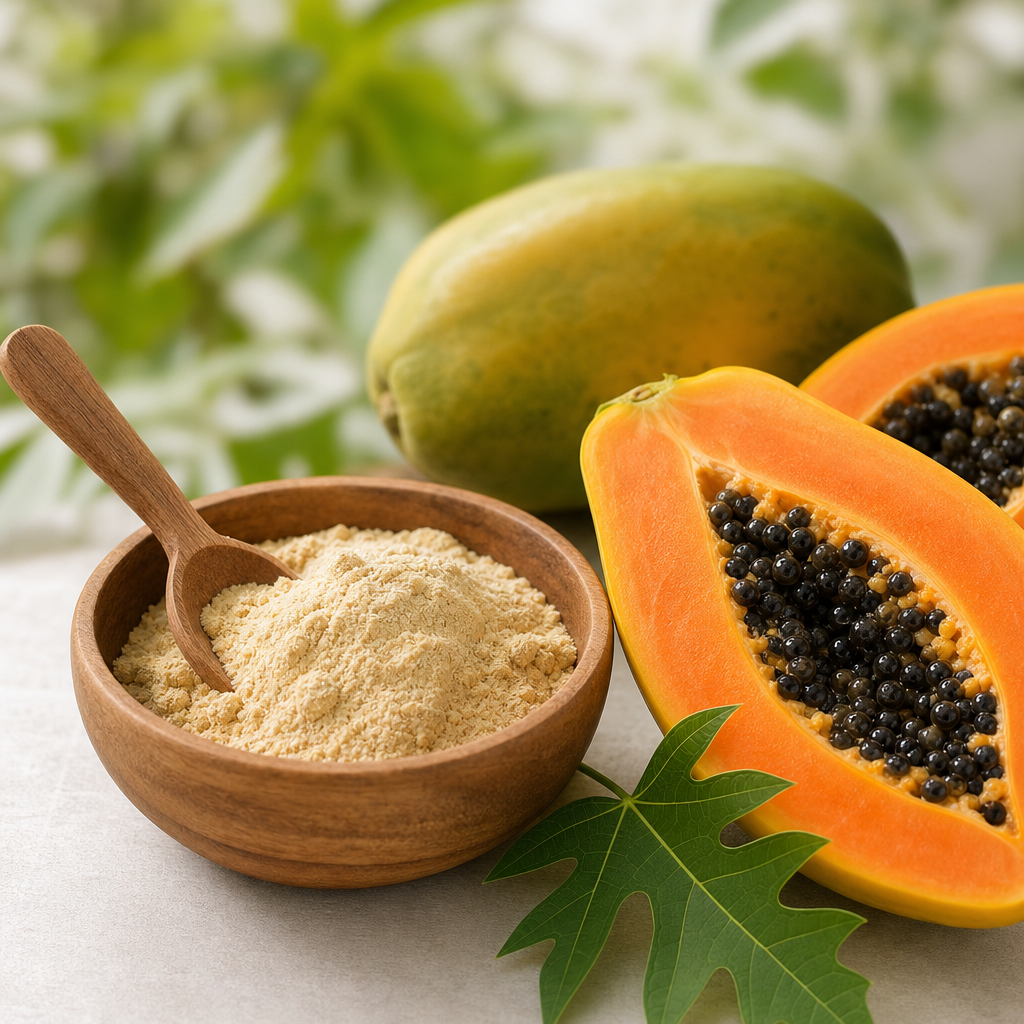
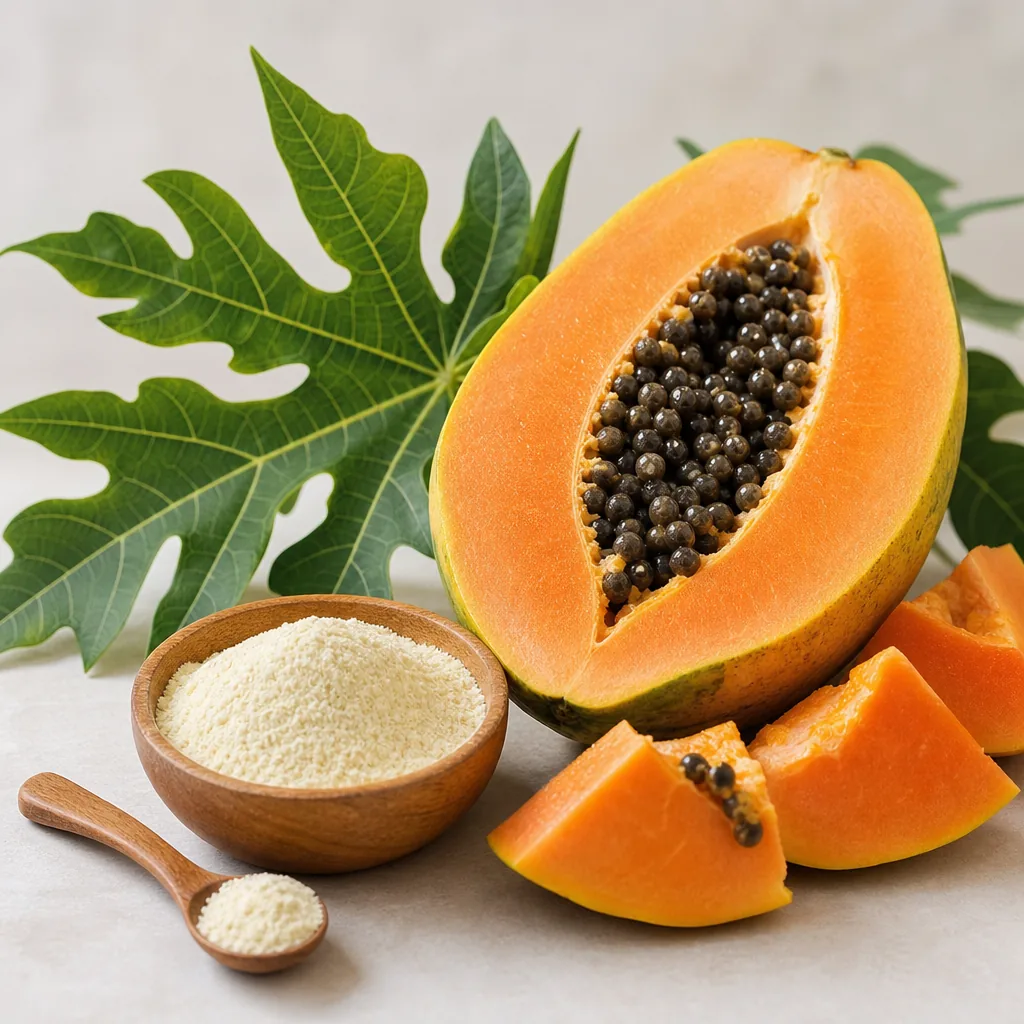
Papaya enzyme typically refers to papain, a protein-digesting (proteolytic) enzyme found in the latex of the unripe papaya fruit (Carica papaya). Smaller amounts of related enzymes such as chymopapain and caricain also occur in papaya. In supplements, “papaya enzyme” products usually contain papain alone or in combination with other digestive enzymes like bromelain (from pineapple), amylase, or lipase. Papain’s primary action is to help break large dietary proteins into smaller peptides and amino acids.
Papaya enzyme is a food-derived ingredient and commonly sold as a dietary supplement. It is not an essential nutrient like vitamins or minerals, and the body does not technically require it to survive. Your pancreas already produces digestive enzymes. However, some people use papaya enzyme to support digestion after protein-heavy meals or for specific, targeted uses under professional guidance. Papaya-derived enzymes have also been employed in topical medical and dental applications, which are distinct from oral supplements.
Benefits of Papaya Enzyme
-
Support for protein digestion and post-meal comfort
(Mixed evidence)
Papain helps break down dietary proteins, which may ease feelings of fullness and heaviness after protein-rich meals. Some small trials on digestive enzyme blends (often including papain) report reduced bloating and indigestion symptoms. However, many studies use multi-enzyme formulas rather than papain alone, and results vary by individual and product.
-
Occasional dyspepsia and functional GI symptom relief
(Limited evidence)
A few studies suggest enzyme-containing preparations may reduce nonspecific dyspepsia complaints (such as gas, discomfort, or early satiety). Because formulations and diagnostic criteria differ between studies, and placebo effects can be substantial in GI research, the overall evidence for papain specifically remains limited.
-
Exercise recovery and muscle soreness
(Mixed evidence)
Proteolytic enzyme blends that include papain have been studied for post-exercise muscle soreness and recovery. Some trials report modest reductions in perceived soreness and markers of muscle damage, while others find little to no benefit. Doses, timing, and comparison enzymes vary widely, making outcomes inconsistent.
-
Constipation and regularity (papaya preparations)
(Preliminary evidence)
Small studies of papaya-based preparations have observed improvements in bowel regularity and reductions in bloating. These products may contain papaya fruit concentrates rather than standardized papain, and study sizes are small. More rigorous research is needed to determine the specific role of papain in these effects.
-
Dental applications (topical papaya-derived gels)
(Moderate evidence)
In dentistry, papaya-derived proteolytic gels (for example, papain-based caries-removal systems) have shown effectiveness for selective, less invasive removal of decayed tooth tissue under professional supervision. This is a topical, clinical use rather than an oral supplement, but it demonstrates a well-characterized enzymatic action in a healthcare setting.
-
Gluten peptide breakdown (caricain-rich preparations)
(Preliminary evidence)
Laboratory and early human data suggest certain papaya enzymes (notably caricain) can help degrade difficult gluten fragments. Limited studies in non-celiac gluten sensitivity show possible symptom reduction when used with gluten exposure. This does not treat or prevent celiac disease and should not replace a medically advised gluten-free diet.
Types or Forms Available
-
Papain (from papaya latex), standardized by activity
: Available as standalone capsules, tablets, or powders. Quality products list enzyme activity (for example, USP units, PU, or TU) rather than just milligrams. Activity-standardized products provide more predictable potency because enzyme mass (mg) does not equal activity.
-
Chewable “papaya enzyme” tablets/lozenges
: Popular for on-the-go digestive support after meals. These often combine papain with bromelain and other digestive enzymes. They may include sweeteners and flavorings; some are designed to be chewed thoroughly to act locally in the mouth and stomach.
-
Multi-enzyme digestive blends
: Formulas may include papain alongside proteases, amylase, lipase, lactase, and cellulase. Blends target mixed meals and may be helpful when meals vary in macronutrient composition.
-
Enteric-coated capsules
: Designed to protect enzymes from stomach acid, releasing them in the small intestine. Sometimes used when enzymes are intended between meals for systemic effects in research or under professional guidance.
-
Papaya fruit concentrates or fermented papaya preparations
: These are not the same as standardized papain. They may provide antioxidants and bioactive compounds with different proposed benefits. Evidence and uses differ from enzyme-focused products.
-
Topical clinical products (professional use only)
: Papain-based gels have been used in wound care and dentistry. These are regulated differently than dietary supplements and should be used only under healthcare supervision.
How to Use Papaya Enzyme
Most people use papaya enzyme occasionally with protein-heavy meals to support digestion. Consistency and dose depend on your goal: with-meal support versus experimental use for recovery. Because products vary widely in potency and activity units, follow the label and start with the lowest effective dose.
-
Common dosage range:
Many chewable products suggest 1–3 tablets with meals (often totaling about 25–100 mg papain per serving, with activity varying by brand). Multi-enzyme capsules commonly provide a blend totaling a few hundred milligrams of enzymes per meal. Prioritize products that disclose enzyme activity (for example, USP, PU, or TU) and do not exceed the label’s maximum daily amount.
-
Best timing:
For digestion, take with the first bites of a meal or during the meal. Between-meal use is generally reserved for specific goals in research or under professional guidance.
-
How to take it:
Chew chewable tablets thoroughly. Swallow capsules or tablets with a full glass of water. Taking with food is typical when the goal is digestive support.
-
Consistency:
Many people use papaya enzyme as needed for occasional heavy meals. If you have persistent digestive symptoms, consult a qualified clinician before daily use to identify and address underlying causes.
Food Sources and Supplement Options
Papain and related enzymes occur naturally in papaya, especially in the latex of unripe fruit. Ripe papaya contains lower enzymatic activity but still contributes some digestive-friendly compounds and fiber. Because most people do not regularly consume unripe papaya or papaya latex, papaya enzyme is commonly obtained via supplements.
-
Unripe papaya (highest enzyme activity in the latex)
-
Ripe papaya (lower enzyme activity but still a source)
Supplements make sense for targeted dosing and convenience, particularly around protein-heavy meals or in multi-enzyme blends. Whole foods, however, offer additional nutrients like fiber, vitamin C, provitamin A carotenoids, and polyphenols. A food-first approach supports overall dietary quality, while supplements can be considered for specific, short-term purposes or when food-based intake is impractical.
Who May Benefit from Papaya Enzyme?
-
People who experience occasional heaviness or discomfort after protein-rich meals.
-
Individuals experimenting with multi-enzyme blends for nonspecific dyspepsia, after discussing options with a clinician.
-
Athletes in heavy training exploring proteolytic enzymes for soreness or recovery, with realistic expectations.
-
Older adults who notice decreased digestive comfort with large or protein-dense meals, pending medical evaluation to rule out underlying issues.
-
Those trying papaya-derived caricain products alongside a gluten-reduced diet for non-celiac gluten sensitivity, recognizing this is not a treatment for celiac disease.
Side Effects and Considerations
-
Allergies and cross-reactivity:
Papaya latex can trigger allergic reactions, especially in people with latex-fruit syndrome (cross-reactivity with latex, banana, avocado, kiwi). Discontinue use and seek care if you experience itching, swelling, wheezing, or hives.
-
Gastrointestinal effects:
Possible nausea, cramping, or diarrhea, particularly at higher doses or when taken on an empty stomach. Chewables may cause mouth or throat irritation if not fully chewed.
-
Bleeding risk and medications:
Proteolytic enzymes may theoretically affect bleeding risk. Use caution if you take anticoagulants or antiplatelet drugs, have a bleeding disorder, or plan surgery; discuss with your clinician and consider discontinuing 1–2 weeks preoperatively.
-
Medication timing:
To avoid potential interactions with sensitive drugs or protein-based medications, separate enzyme supplements from prescriptions by at least 2–3 hours unless advised otherwise by your healthcare professional.
-
Pregnancy and breastfeeding:
Avoid high-dose papaya latex–derived products during pregnancy due to historical concerns from unripe papaya latex in animal and traditional reports. Safety in breastfeeding and children is not well established; consult a healthcare professional.
-
Ulcers, GERD, or inflammatory GI conditions:
Enzymes may irritate sensitive mucosa. Use cautiously and stop if symptoms worsen.
-
Kidney or liver concerns:
People with significant renal or hepatic impairment should use caution and seek medical advice before using concentrated enzyme supplements.
-
Dose and product quality:
Avoid megadoses. Choose reputable brands that list enzyme activity units and have third-party testing. Store away from heat and moisture to preserve activity.
-
Not a replacement for medical therapy:
Do not use papaya enzyme to treat conditions like pancreatic insufficiency, peptic ulcer disease, celiac disease, or inflammatory bowel disease without medical supervision. Prescription therapies may be required.
-
Topical product caution:
Clinical papain-based wound or dental products should be used only by trained professionals due to the risk of irritation or allergic reactions.
Common Myths About Papaya Enzyme
-
Myth: Papaya enzyme can replace your body’s digestive enzymes.
The pancreas produces a broad spectrum of enzymes. Papain may supplement protein digestion for some people, but it does not substitute for normal pancreatic function or treat pancreatic insufficiency. Medical evaluation and prescription therapy are the standards of care when enzyme deficiency is suspected.
-
Myth: Papaya enzyme melts fat and causes weight loss.
Papain is a protease that acts on proteins, not a fat-burning agent. There is no good evidence that papaya enzyme alone causes meaningful weight loss. Sustainable weight management depends on overall diet, energy balance, sleep, and activity.
-
Myth: It’s just fruit, so it’s automatically safe for everyone.
Supplements derived from unripe papaya latex can provoke allergic reactions and may pose risks in pregnancy or for people on blood thinners. Natural does not always mean universally safe; individual factors and medication use matter.
-
Myth: Papaya enzyme lets people with celiac disease eat gluten freely.
While certain papaya enzymes can break down some gluten fragments in tests, this does not prevent autoimmune reactions or intestinal damage in celiac disease. A strict, medically supervised gluten-free diet remains essential.
Conclusion
Papaya enzyme (papain) is a food-derived protease that may help some people digest protein-rich meals more comfortably and is included in certain multi-enzyme blends studied for digestive symptoms and post-exercise recovery. Evidence ranges from preliminary to mixed for most consumer uses, while topical dental applications are better established in clinical settings. Because potency varies by product and activity units matter more than milligrams, choose high-quality supplements with clear standardization and avoid megadoses.
Papaya enzyme is not essential to health and should not replace medical evaluation for persistent digestive issues. People who are pregnant, breastfeeding, taking medications (especially blood thinners), scheduled for surgery, or managing medical conditions should consult a healthcare professional before use. When feasible, a food-first approach—emphasizing balanced meals and whole fruits like ripe papaya—supports overall nutrition, while supplements can provide targeted, short-term support for specific goals.