What is Passion Flower?
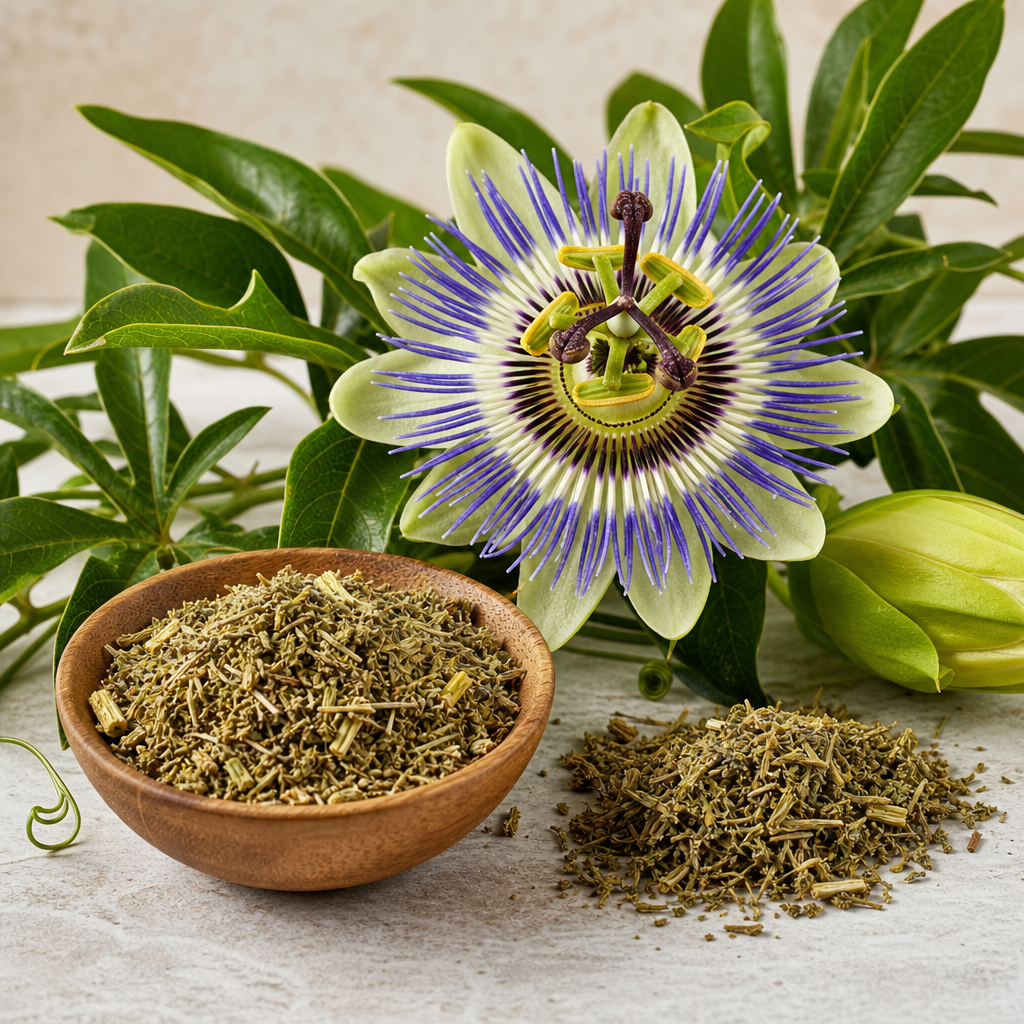
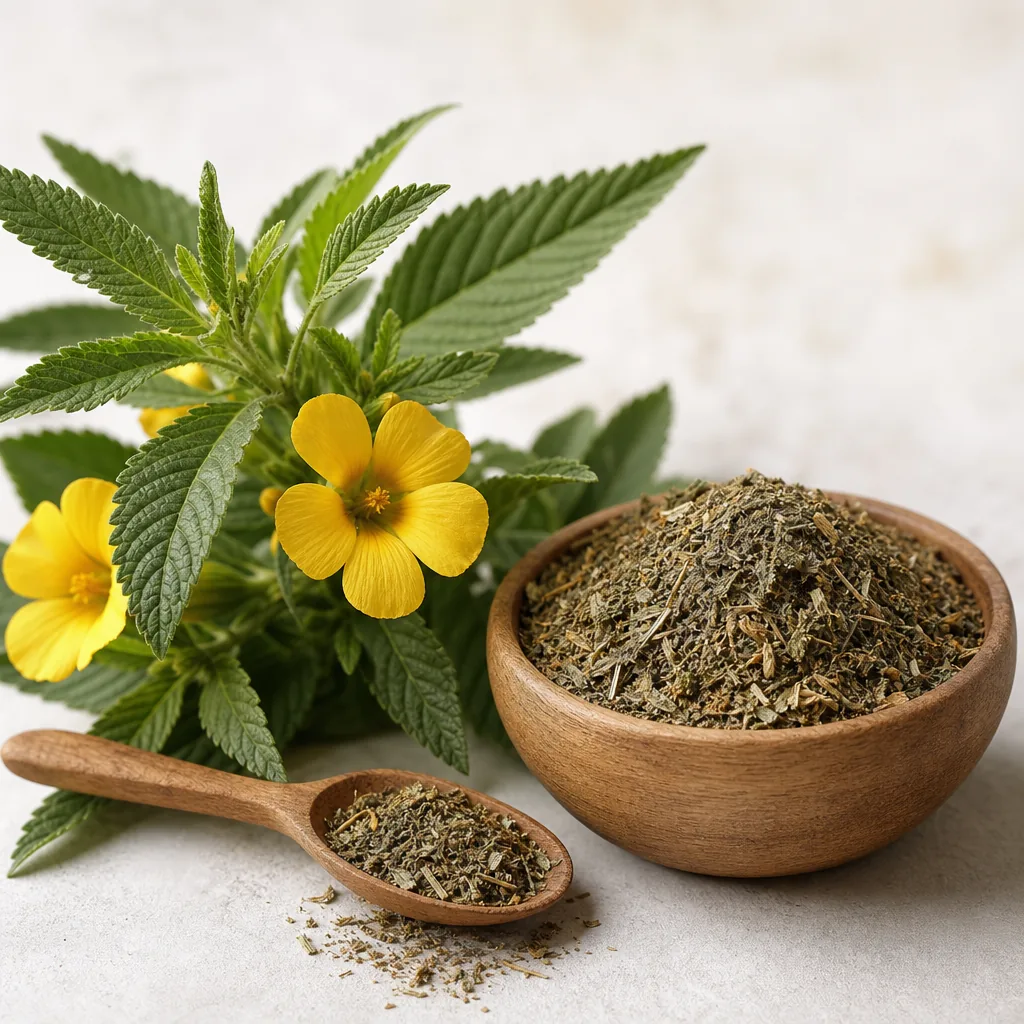
Passion flower refers primarily to Passiflora incarnata, a flowering vine native to the southeastern United States and now cultivated in many regions worldwide. Traditionally, the aerial parts (leaves, flowers, and stems) have been used in herbal medicine for their calming properties. Passion flower is a botanical herb, not a vitamin, mineral, or essential nutrient. Common preparations include teas, tinctures, and standardized extracts used as dietary supplements.
In wellness contexts, passion flower is most often explored for supporting a calm mood, easing situational stress, and promoting sleep quality. Its key bioactive constituents include flavonoids (such as vitexin, isovitexin, and chrysin) and trace alkaloids. These compounds are thought to influence the gamma-aminobutyric acid (GABA) system—a major inhibitory neurotransmitter network that helps modulate nervous system excitability—though exact mechanisms and clinical relevance are still being clarified. Because passion flower is not an essential nutrient, the body does not require it the way it requires vitamins, minerals, essential fatty acids, or essential amino acids. Instead, it can be considered an optional herbal tool that some people use to support specific wellness goals.
Benefits of Passion Flower
-
Reduces mild to moderate anxiety and stress
(Moderate evidence)
Passion flower has been studied in adults with generalized anxiety and in high-stress settings. Several small randomized trials report reduced anxiety symptoms compared with placebo, and in one study passion flower performed similarly to a low-dose benzodiazepine while causing less impact on work performance. Although study sizes are modest and preparations vary, the overall signal favors a calming effect for mild to moderate anxiety.
-
Supports sleep onset and sleep quality
(Mixed evidence)
Some trials and observational reports suggest passion flower can help people fall asleep more easily and may modestly improve sleep quality, particularly when taken in the evening. However, findings are inconsistent, and many sleep studies use combinations with other calming herbs (such as valerian, hops, or lemon balm), making it hard to isolate passion flower’s independent effect. People who are sensitive to sedatives may notice drowsiness the next morning.
-
Helps with short-term situational anxiety (e.g., dental or pre-procedure)
(Moderate evidence)
In several small clinical studies, passion flower reduced pre-procedure anxiety (such as before dental work) without significant cognitive impairment at typical doses. This situational use aligns with traditional applications for short-term calming in stressful moments. Individual responses vary, so trialing a low dose before an important event is prudent.
-
Eases menopausal mood and sleep disturbances
(Limited evidence)
Preliminary studies in peri- and postmenopausal women suggest potential improvements in anxiety, irritability, and sleep when using passion flower–containing preparations. Evidence is limited by small sample sizes and mixed formulations; more rigorous trials with standardized passion flower alone are needed to confirm benefits.
-
Adjunct support in substance withdrawal programs
(Preliminary evidence)
A small study found that adding passion flower to standard care improved certain mental symptoms during opioid withdrawal. While encouraging, this area requires larger, well-controlled trials. Any use in withdrawal should occur within a supervised medical or integrative treatment plan.
-
Potential support for attention-related symptoms
(Preliminary evidence)
Very limited research has compared passion flower to conventional medication for attention-deficit symptoms in children, with early results suggesting possible benefit. The data are not sufficient to recommend passion flower as a primary therapy. Children should only use passion flower under medical supervision due to limited safety data and potential interactions with medications.
Types or Forms Available
-
Dried aerial parts (loose herb or tea bags):
The traditional form, made from the leaves, flowers, and stems. Typically prepared as a tea. Potency varies by harvest, storage, and plant part ratios, so effects can be less predictable than standardized extracts.
-
Standardized extracts (capsules/softgels):
Often standardized to a specific flavonoid content (for example, 3–4% total flavonoids or a defined percentage of vitexin/isovitexin). These offer more consistent dosing from batch to batch and are common in research settings.
-
Tinctures and liquid extracts:
Alcohol-based extracts (e.g., 1:4 to 1:5 herb-to-solvent) and alcohol-free glycerites. Liquids allow flexible, titratable dosing and are useful for those who dislike capsules or teas. Potency depends on extraction ratio and solvent.
-
Multi-herb blends for sleep or stress:
Passion flower is frequently combined with valerian, hops, lemon balm, or lavender. Blends may produce additive calming effects but make it harder to know which herb is responsible for benefits or side effects.
-
Powdered whole herb capsules:
Encapsulated, non-standardized powder of the aerial parts. Offers convenience but may be less potent per capsule than concentrated extracts. Quality depends on sourcing and processing.
How to Use Passion Flower
There is no single universally accepted dose, and products vary. Start with the lowest effective amount and increase gradually if needed, paying attention to drowsiness or other side effects.
-
Common dosage range:
-
Standardized extract: about 200–600 mg per day, often divided, depending on the extract strength and flavonoid standardization.
-
Tea: 1–2 grams of dried herb per cup, steeped 10–15 minutes; 1–3 cups per day. For sleep, many use 1 cup 30–60 minutes before bedtime.
-
Tincture/liquid extract: roughly 0.5–2 mL up to three times daily (follow the specific product’s guidance).
Avoid high or “megadose” use. If you take other sedatives or have medical conditions, consult a clinician for individualized dosing.
-
Best timing:
For sleep support, evening or 30–60 minutes before bed. For situational anxiety, 30–60 minutes before the anticipated stressor. For daytime calm, lower or divided doses may reduce the risk of next-day drowsiness.
-
How to take it:
Capsules with water, tea as a warm infusion, or tinctures in water. Taking with a light snack can help if you experience stomach upset. Avoid alcohol-based tinctures if you are sensitive to alcohol or taking sedatives.
-
Consistency:
For ongoing stress or sleep concerns, daily use for 2–4 weeks may be needed to fairly judge benefits. For situational use, occasional as-needed dosing can be appropriate. If no benefit is seen after a few weeks, reassess with a healthcare professional.
Food Sources and Supplement Options
Passion flower is a botanical herb from the Passiflora incarnata vine; it is not a common food. Do not confuse it with passion fruit (Passiflora edulis), which is a widely eaten fruit but is not the same plant part or species typically used for calming herbal preparations. As such, passion flower’s active components are not meaningfully obtained from everyday foods.
Because the herb is not a dietary staple, people who want targeted, consistent amounts often use teas, tinctures, or standardized supplements. Whole-plant teas and powders provide a broader spectrum of compounds, while standardized extracts offer more predictable dosing. Whole foods deliver diverse nutrients and fiber, but in the case of passion flower, the herb itself—not a typical food—is the primary source used for wellness purposes.
Who May Benefit from Passion Flower?
-
Adults with mild to moderate, non-emergency anxiety or frequent feelings of restlessness who prefer an herbal option.
-
People who have difficulty falling asleep and want a gentle, non-pharmaceutical approach to try first.
-
Individuals facing short-term situational stress (e.g., travel, exams, dental appointments) who desire a calming aid.
-
Peri- or postmenopausal adults experiencing mood fluctuations or sleep disturbances who are exploring herbal support.
-
Those in integrative care programs under medical supervision for substance withdrawal who may use passion flower as an adjunct—not a stand-alone—therapy.
-
Athletes with performance-related nerves who are trialing calming strategies on non-competition days; caution is advised due to possible drowsiness.
Side Effects and Considerations
-
Drowsiness and dizziness:
Passion flower can cause sedation. Avoid driving, operating machinery, or high-risk activities until you know how it affects you.
-
Medication interactions:
Additive effects may occur with benzodiazepines, sedative-hypnotics (e.g., zolpidem), barbiturates, certain antihistamines, anticonvulsants, and alcohol. Use caution and seek medical advice if you take central nervous system depressants.
-
Antidepressants and MAOI considerations:
Passion flower contains trace alkaloids, and theoretical interactions with antidepressants (including SSRIs, SNRIs, tricyclics, and MAOIs) are sometimes raised. Clinical significance is uncertain, but consult your prescriber before combining.
-
Pregnancy and breastfeeding:
Safety data are insufficient, and some sources advise avoiding passion flower during pregnancy due to potential uterine effects. Avoid use during pregnancy and breastfeeding unless specifically advised by a qualified clinician.
-
Children and adolescents:
Limited safety data. Do not use without guidance from a pediatric clinician, especially if the child is taking medications.
-
Blood pressure and anesthesia:
Mild reductions in alertness and possible changes in blood pressure may occur. Stop use at least 1–2 weeks before scheduled surgery and inform your surgical team about all supplements.
-
Liver and kidney considerations:
Robust data on use in significant hepatic or renal impairment are lacking. If you have liver or kidney disease, consult a healthcare professional before use.
-
Allergies and sensitivities:
Rare allergic reactions (rash, itching, swelling) can occur. Discontinue if you notice adverse reactions.
-
Quality and adulteration:
Choose products that specify Passiflora incarnata and use third-party testing for identity and contaminants. Adulteration with other species or poor-quality raw material can affect safety and efficacy.
-
Appropriate expectations:
Passion flower is not a treatment for severe anxiety, depression, insomnia, or any medical emergency. Seek professional care for persistent or worsening symptoms.
Common Myths About Passion Flower
-
“Passion flower is the same as passion fruit, so eating the fruit gives the same effects.”
The calming herb comes from Passiflora incarnata aerial parts, while passion fruit is typically Passiflora edulis fruit. They are related but not interchangeable in composition or use. The fruit does not supply the same profile or amounts of the compounds studied in herbal preparations.
-
“It’s a guaranteed cure for anxiety and insomnia.”
Evidence suggests potential benefits for mild to moderate anxiety and some sleep measures, but results vary and research quality is mixed. Passion flower should not replace professional evaluation or necessary treatments.
-
“Natural means it’s completely safe and non-drowsy.”
Passion flower can cause sedation and interact with medications, including other sedatives and alcohol. “Natural” does not mean risk-free; appropriate dosing and medical guidance are important.
-
“If a little helps, more will work better.”
Higher doses can increase side effects without improving benefits. Start low, follow product guidance, and avoid megadoses.
Conclusion
Passion flower is a traditional botanical that may help ease mild to moderate anxiety, support sleep onset, and reduce situational stress for some people. Evidence ranges from moderate to preliminary depending on the outcome, and responses are individual. It is not an essential nutrient and not a stand-alone treatment for serious mental health or sleep disorders, but it can be a reasonable option to trial within a broader wellness plan.
Choose quality products that clearly list Passiflora incarnata and standardized constituents when possible, and avoid excessive dosing. People who are pregnant or breastfeeding, children, and those taking medications—especially sedatives or antidepressants—or managing medical conditions should consult a healthcare professional before use. Because passion flower is not a food-based nutrient, supplements and herbal teas are the typical delivery forms; they offer targeted dosing but should be approached thoughtfully, with a food-first mindset for overall nutrition and an evidence-informed approach to herbal support.