What is Phytosterols?
Phytosterols are a family of plant-derived sterols and stanols—naturally occurring compounds found in small amounts in many plant foods. Structurally similar to cholesterol, they compete with dietary and biliary cholesterol for absorption in the intestine, which can lower the amount of cholesterol that enters the bloodstream. Common phytosterols include beta-sitosterol, campesterol, and stigmasterol (sterols), and their saturated counterparts known as stanols. In everyday products and supplements, you’ll often see them described as “plant sterols,” “plant stanols,” or “phytosterol esters.”
Phytosterols are considered food-derived bioactive compounds and are commonly used as dietary supplements or added to fortified foods (such as certain spreads, yogurts, or beverages). They are not essential nutrients—unlike vitamins and minerals, the body does not technically require phytosterols to function. However, incorporating adequate amounts through diet or targeted supplementation can help manage blood lipids (especially LDL cholesterol) as part of a heart-healthy lifestyle.
Benefits of Phytosterols
-
LDL cholesterol reduction
(Strong evidence)
Consuming about 1.5–3 g per day of plant sterols or stanols can reduce LDL (“bad”) cholesterol by roughly 7–12% within a few weeks, when combined with a diet low in saturated fat and trans fat. The mechanism is well-understood: phytosterols compete with cholesterol for absorption in the gut, resulting in less cholesterol entering circulation. This benefit is consistently observed in randomized controlled trials and supported by major lipid guidelines.
-
Additional LDL lowering when combined with statins or ezetimibe
(Moderate evidence)
Phytosterols can provide an additive LDL-lowering effect when used alongside cholesterol-lowering medications like statins or ezetimibe. While the absolute reduction varies, studies frequently report an extra 5–10% reduction in LDL beyond medication alone. This approach may help people who need further LDL reduction to reach individualized goals under clinician guidance.
-
Support in familial hypercholesterolemia (adjunctive)
(Moderate evidence)
In heterozygous familial hypercholesterolemia (HeFH), phytosterols can be used as an adjunct to dietary therapy and medications to achieve additional LDL reductions. Evidence indicates they can contribute meaningful, though modest, improvements in lipid profiles. Use in children with HeFH has been studied but should only occur under medical supervision to ensure appropriate dosing and monitoring of overall nutrition.
-
Non-HDL cholesterol and apoB improvement
(Moderate evidence)
Beyond LDL, phytosterols may modestly lower non-HDL cholesterol and apolipoprotein B (apoB), markers related to atherogenic lipoprotein burden. These changes often mirror the LDL-lowering magnitude and are useful for people and clinicians who track broader lipid markers—not just LDL—when optimizing cardiovascular risk reduction strategies.
-
Urinary symptom relief in benign prostatic hyperplasia (BPH) with beta-sitosterol extracts
(Moderate evidence)
Isolated beta-sitosterol (a specific phytosterol) in standardized extracts has been shown in several trials to improve urinary flow and reduce symptom scores in men with BPH. This benefit relates to beta-sitosterol extracts used for prostate health and is distinct from sterol/stanol products formulated for cholesterol management. Quality and standardization of the extract matter for consistent outcomes.
-
Small effects on inflammation or LDL oxidation markers
(Limited/Mixed evidence)
Some studies report minor improvements in inflammatory or oxidative stress markers with phytosterol use, but findings are inconsistent and not universal. While mechanistically plausible, these changes are generally small and not considered primary reasons to use phytosterols.
Types or Forms Available
-
Plant sterols (free sterols) vs. plant stanols (free stanols):
Both lower LDL cholesterol by reducing cholesterol absorption. Stanols are saturated forms and are absorbed even less than sterols, but the LDL-lowering effect is similar at equivalent doses.
-
Esterified forms (plant sterol esters or stanol esters):
Many fortified foods and some supplements use esterified phytosterols. Esterification improves solubility in fat-containing foods. Labels may list the amount as “esters” or as “free sterol/stanol equivalent.” The ester weight is higher than the free form; look for products that clearly state the free-equivalent dose to ensure you reach an evidence-based intake.
-
Fortified foods:
Spreads, yogurts, yogurt drinks, and some milks or juices may be fortified to deliver ~1–2 g of free-equivalent sterols/stanols per day across one to three servings. These are designed to be consumed with meals that contain fat for best effect.
-
Capsules/softgels/tablets:
Dietary supplements can provide measured doses of free sterols/stanols or their esters. They are convenient for people who don’t use fortified foods but should be taken with meals containing dietary fat to work properly.
-
Beta-sitosterol extracts (for BPH):
These standardized extracts are formulated specifically for prostate symptom support, not lipid management. Doses and usage differ from cholesterol-focused products, and quality/standardization are important.
How to Use Phytosterols
-
Common dosage range:
For LDL management, typical evidence-based intake is 1.5–3 g per day of plant sterols/stanols (as free-equivalent). Many people aim for about 2 g daily. Higher amounts are unlikely to yield proportionally greater benefit and are not routinely recommended. For beta-sitosterol extracts used in BPH, follow product-specific dosing and consult a healthcare professional.
-
Best timing:
Take with meals that contain some dietary fat. Splitting the dose across 2–3 meals can improve effectiveness by maximizing competition with cholesterol during multiple eating occasions.
-
How to take it:
If using fortified foods, incorporate them into meals (e.g., a sterol-fortified spread on whole-grain toast alongside a meal). If using capsules/softgels, take them with a meal that includes fat (e.g., olive oil, nuts, avocado, eggs, dairy). Avoid taking on an empty stomach.
-
Consistency:
Daily use is important. LDL lowering typically appears within 2–4 weeks and persists with ongoing intake. Benefits diminish when intake stops.
Food Sources and Supplement Options
Phytosterols occur naturally in plant foods, but typical diets provide only about 200–400 mg per day (vegetarian or plant-forward diets can reach ~400–600 mg). Therapeutic intakes for LDL lowering are usually 1.5–3 g per day, which is challenging to achieve from unfortified foods alone. For this reason, fortified foods or supplements are commonly used when targeting cholesterol reduction.
-
Key natural food sources:
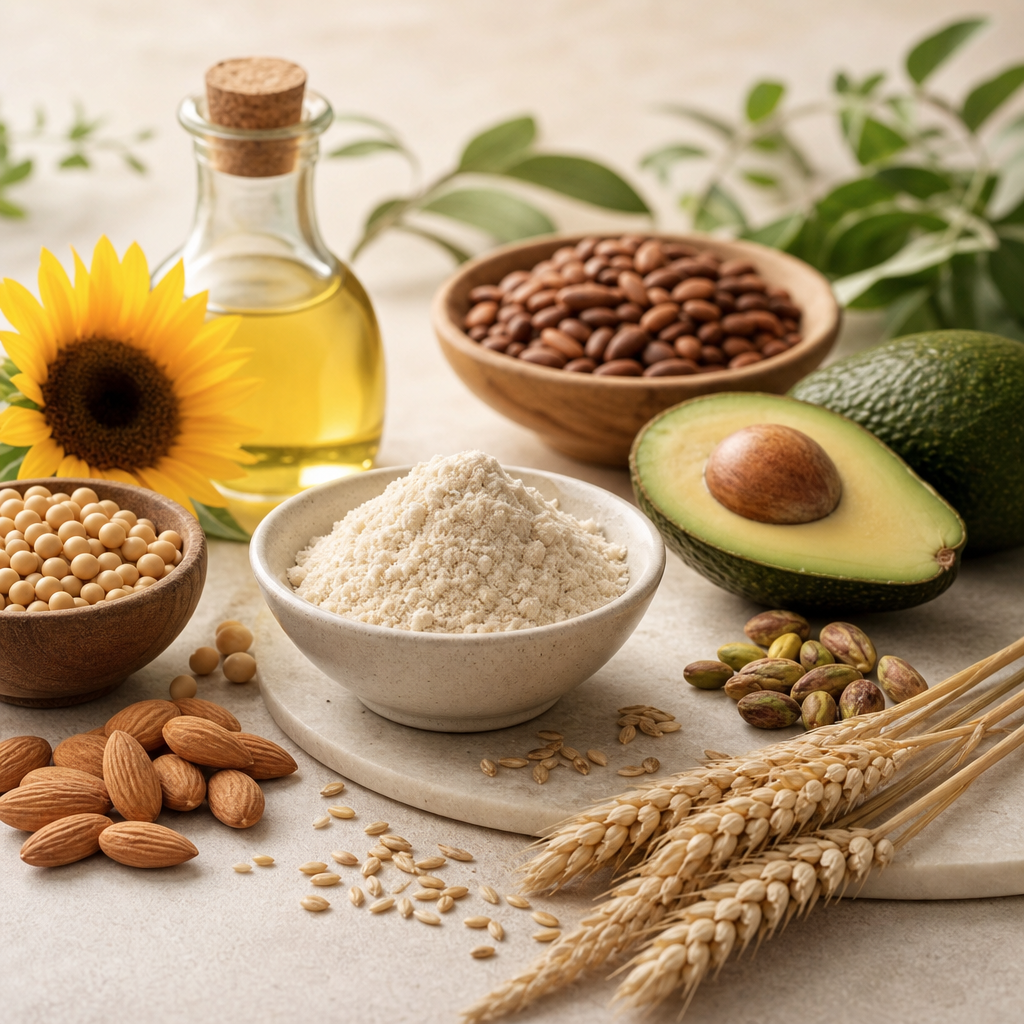
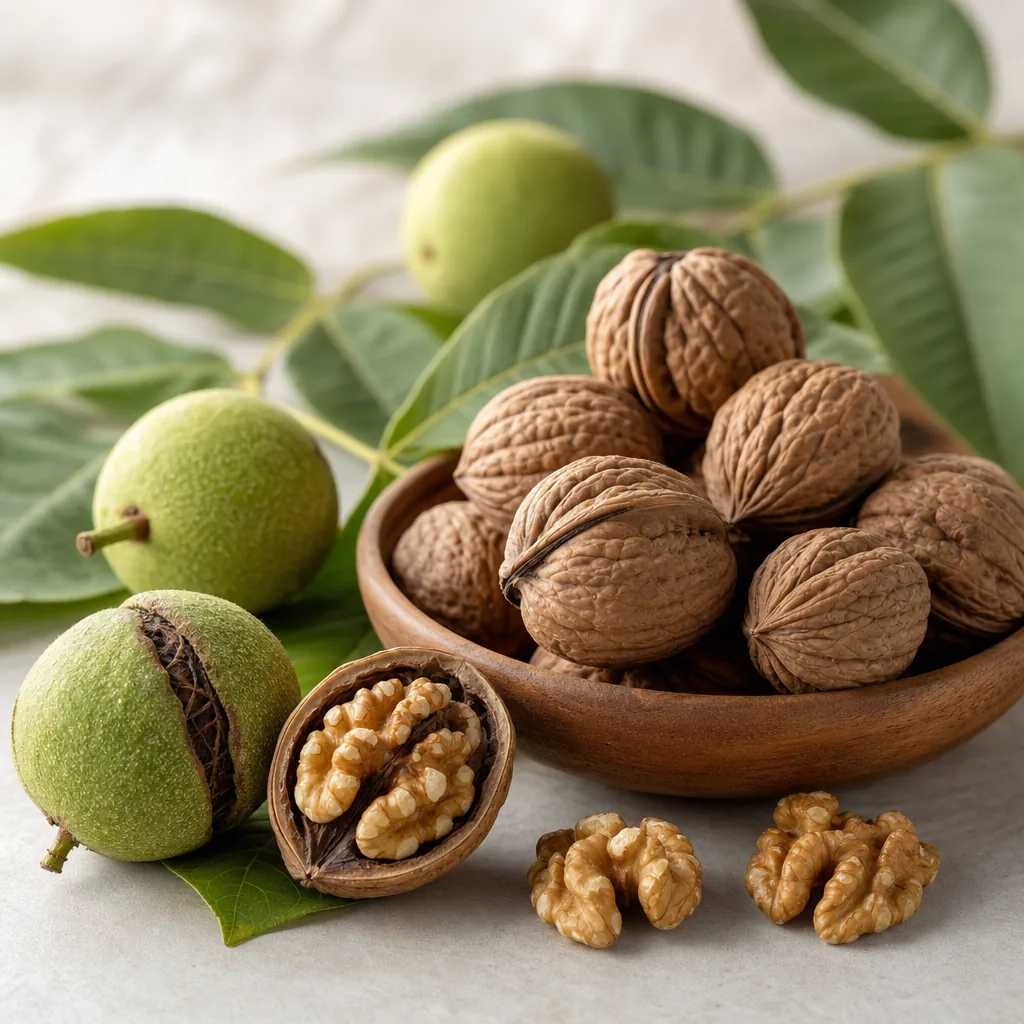
Vegetable oils (e.g., canola, corn, soybean), nuts (almonds, pistachios), seeds (sesame, sunflower), legumes, whole grains, and avocados. Unrefined oils and whole plant foods generally contain more phytosterols than refined counterparts.
Fortified foods and supplements can help bridge the gap between typical dietary intake and evidence-based targets for LDL reduction. Whole foods offer additional nutrients, fiber, and phytonutrients that support overall health, while supplements and fortified products provide more predictable, targeted dosing of phytosterols. A food-first approach remains valuable, with supplements or fortified foods considered when further LDL lowering is desired as part of a comprehensive plan.
Who May Benefit from Phytosterols?
-
Adults with elevated LDL cholesterol who want a non-drug or adjunctive nutrition strategy.
-
People already on statins or ezetimibe who need modest additional LDL reductions to approach personalized targets.
-
Individuals who are statin-intolerant or prefer to delay medication under clinician guidance while trialing lifestyle interventions.
-
Those with heterozygous familial hypercholesterolemia (as an adjunct to medical therapy and dietary changes, under professional supervision).
-
Men with urinary symptoms of BPH considering standardized beta-sitosterol extracts.
-
Plant-forward eaters who still require additional LDL lowering beyond what diet alone provides.
Side Effects and Considerations
-
Not for sitosterolemia:
People with the rare genetic condition sitosterolemia absorb phytosterols excessively and should avoid phytosterol-enriched foods and supplements. Anyone with unexplained very high phytosterol blood levels should seek medical evaluation.
-
Possible gastrointestinal effects:
Some users report mild bloating, gas, or changes in bowel habits, especially when starting or at higher intakes. These effects often improve with divided doses taken with meals.
-
Fat-soluble nutrient considerations:
Phytosterols can slightly reduce absorption of carotenoids (e.g., beta-carotene, lycopene) and possibly vitamins A, D, E, and K over time. Emphasize colorful fruits and vegetables, and consider separating carotenoid or fat-soluble vitamin supplements by several hours if used regularly.
-
Medication timing and interactions:
While phytosterols are generally safe with statins and ezetimibe (often additive for LDL lowering), separate timing from bile acid sequestrants, orlistat, and fat-soluble medications to avoid reduced absorption. If you use medications with a narrow therapeutic window, discuss timing with a healthcare professional.
-
Pregnancy and breastfeeding:
Food sources are considered safe, but high-dose supplements or fortified products aimed at therapeutic LDL reduction lack robust safety data in pregnancy or lactation. Consult a healthcare professional before use.
-
Children and adolescents:
Use for lipid lowering (including in familial hypercholesterolemia) should be physician-guided to ensure appropriate dosing and monitoring of overall nutrition.
-
Liver or gallbladder conditions:
People with underlying liver disease, gallbladder issues, or malabsorption should consult a clinician before using phytosterol supplements or enriched foods.
-
Quality and labeling:
Choose products that specify the amount of plant sterols/stanols as “free-equivalent” and are third-party tested. Be mindful that sterol-fortified spreads can add calories; fit them into overall energy needs.
-
Allergy and source considerations:
Phytosterols are often derived from soy or pine oil. While they contain minimal protein, people with severe soy or tree-related allergies should check labels and consult their clinician if unsure.
-
General medical guidance:
Anyone who is pregnant, breastfeeding, taking medications, or managing a medical condition should seek personalized advice before starting phytosterol supplements.
Common Myths About Phytosterols
-
“Phytosterols are essential nutrients like vitamins and minerals.”
Phytosterols are beneficial plant compounds but not essential; the body does not require them to function. Their primary evidence-based role is reducing intestinal cholesterol absorption to help lower LDL cholesterol.
-
“You can take phytosterols on an empty stomach and get the same effect.”
They work best with meals that contain dietary fat, which optimizes their ability to compete with cholesterol for absorption. Taking them away from meals reduces their effectiveness.
-
“More is always better—doubling the dose doubles the benefit.”
LDL-lowering benefits plateau around 1.5–3 g per day (free-equivalent). Intakes above this range rarely produce meaningful additional reductions and are not routinely recommended.
-
“Eating a normal diet provides enough phytosterols to lower LDL substantially.”
Typical diets supply a few hundred milligrams per day—well below the amounts shown to meaningfully reduce LDL. Fortified foods or supplements are usually needed to reach effective intakes.
-
“Phytosterols replace the need for statins or other medications.”
They are a supportive tool, not a substitute for prescribed therapy when it is indicated. Phytosterols can be combined with medications to achieve additional LDL reductions under clinician supervision.
Conclusion
Phytosterols are plant-derived compounds that help lower LDL cholesterol by reducing intestinal cholesterol absorption. For many adults with elevated LDL, a daily intake of about 1.5–3 g (free-equivalent) from fortified foods or supplements—used alongside a diet low in saturated fat, regular physical activity, and other healthy habits—can provide a modest, clinically meaningful reduction in LDL. They can also serve as an adjunct to medications like statins or ezetimibe for additional LDL lowering. Beta-sitosterol extracts have a separate, evidence-based role in easing urinary symptoms associated with BPH.
Phytosterols are not essential nutrients, and not everyone needs them. Individuals with sitosterolemia should avoid them, and those who are pregnant, breastfeeding, taking medications, or managing medical conditions should consult a healthcare professional before use. Prioritize a food-first approach with plenty of plant foods for overall health, and consider phytosterol-fortified foods or well-labeled, third-party tested supplements when targeted LDL reduction is desired. Consistency, appropriate dosing with meals, and coordination with your healthcare team help ensure safe and effective use.