What is Pomegranate?
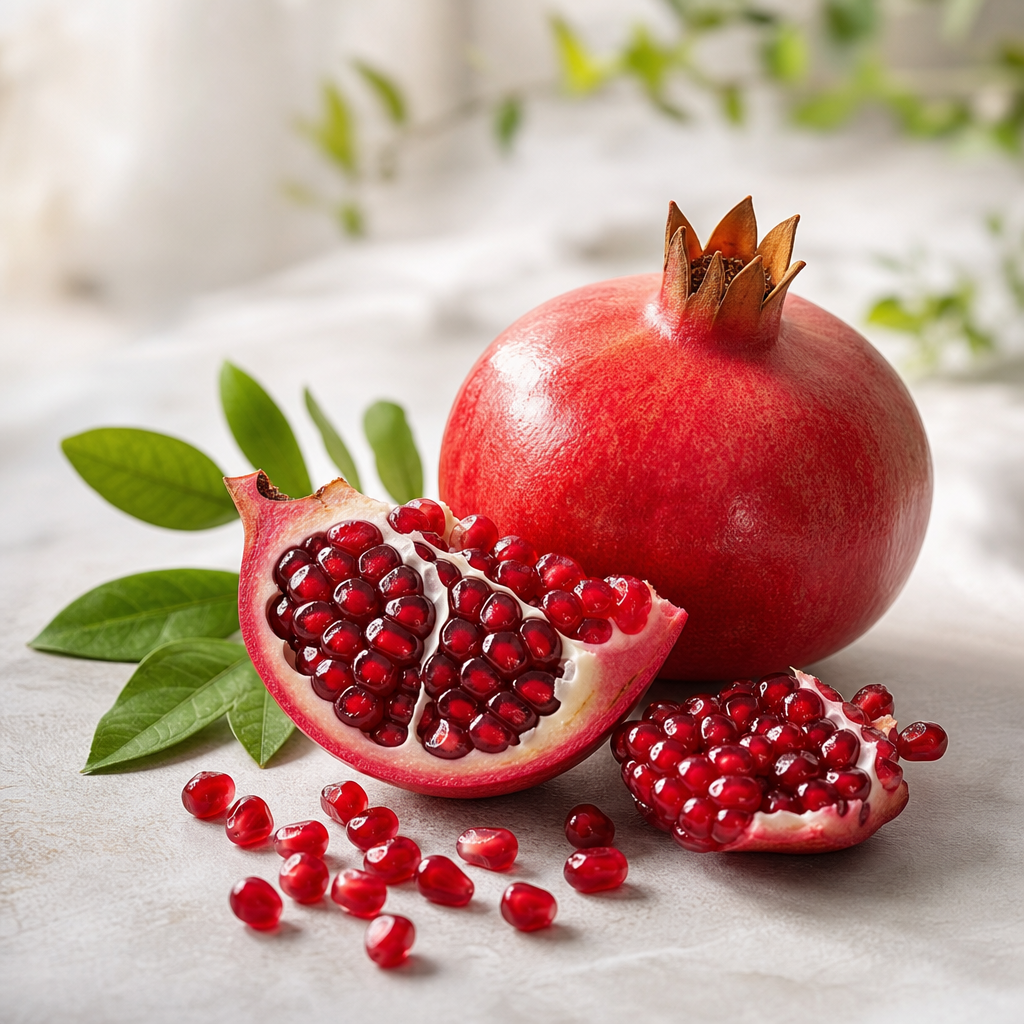
Pomegranate (Punica granatum) is a fruit-bearing shrub native to regions spanning the Middle East, the Mediterranean, and parts of South Asia. Its edible arils (the juicy, ruby-red sacs surrounding the seeds) have been consumed for centuries as food and used in traditional systems of medicine. Pomegranate is rich in polyphenols—especially ellagitannins such as punicalagins and their derivatives (including ellagic acid)—as well as anthocyanins and other antioxidants. Modern interest focuses on these bioactive compounds and their potential roles in cardiovascular health, exercise recovery, and cellular defenses against oxidative stress.
From a nutrition perspective, pomegranate is a food and a botanical source of bioactive compounds. It is not an essential nutrient in the way that vitamins and minerals are required by the body. Instead, its usefulness arises from phytochemicals that may support health through antioxidant, anti-inflammatory, and vasodilatory mechanisms. Pomegranate is commonly consumed as whole fruit or juice, and it is also available as extracts, powders, and seed oil supplements designed to deliver standardized amounts of specific compounds.
Benefits of Pomegranate
-
Blood pressure and vascular function
(Moderate evidence)
Pomegranate juice and standardized extracts have been studied for effects on systolic blood pressure and endothelial function. Several randomized trials and meta-analyses report small but meaningful reductions in systolic blood pressure (often in the range of a few mmHg) and improvements in flow-mediated dilation. These effects are thought to relate to polyphenol-mediated increases in nitric oxide bioavailability and reductions in oxidative stress. Benefits appear more likely with consistent daily intake over weeks and may be more pronounced in people with elevated blood pressure at baseline.
-
Exercise recovery and muscle soreness
(Moderate evidence)
Polyphenol-rich pomegranate juice or extracts have been shown in multiple small trials to help reduce delayed-onset muscle soreness and support faster recovery of strength and performance after strenuous exercise. Proposed mechanisms include mitigation of exercise-induced oxidative stress and inflammation. Practical protocols often involve daily intake for several days before and after intense sessions, or a pre-exercise dose 30–60 minutes before training.
-
Lipids and metabolic markers
(Mixed evidence)
Some studies note favorable changes in LDL oxidation, triglycerides, or HDL, while others find no significant shifts in traditional lipid panels. Findings on fasting glucose, insulin resistance, and waist circumference are similarly inconsistent across populations, dosing regimens, and product types. Pomegranate may contribute to a heart-healthy pattern, but it should not be relied upon as a stand-alone strategy for dyslipidemia or metabolic syndrome management.
-
Prostate health markers
(Mixed evidence)
Trials of pomegranate juice or extracts in men monitoring prostate-specific antigen (PSA) after localized treatment have produced variable outcomes, with some studies suggesting slower PSA rise and others showing no difference. While the mechanistic rationale (polyphenol antioxidant and anti-inflammatory actions) is plausible, clinical results are not consistent and should be interpreted cautiously in consultation with a healthcare professional.
-
Oxidative stress and inflammation biomarkers
(Limited evidence)
Several controlled studies report reductions in markers of lipid peroxidation or modest changes in inflammatory cytokines after pomegranate supplementation, but results vary. Differences in product standardization, dose, and participant health status likely contribute to variability. The overall trend suggests potential for support, yet not all markers change reliably or translate directly to clinical endpoints.
-
Cognitive support in aging
(Limited evidence)
Small randomized studies in older adults with memory complaints have reported improvements in select memory measures after regular pomegranate juice intake. While findings are encouraging, they come from relatively short trials with limited sample sizes. Larger, longer-duration research is needed before drawing firm conclusions.
-
Gut-derived metabolites (urolithins) and cellular health
(Preliminary evidence)
Ellagitannins in pomegranate are transformed by gut microbes into urolithins, which may influence mitochondrial function and anti-inflammatory pathways. Early human and translational research suggests potential benefits, but responses differ by an individual’s microbiome profile. These findings are promising but remain early-stage.
Types or Forms Available
-
Whole fruit and arils:
Provide fiber, vitamins (notably vitamin C and K), potassium, and a broad spectrum of polyphenols from the edible tissues. Eating the arils offers satiety and a food-first approach with complementary nutrients.
-
100% pomegranate juice and concentrates:
Offer a convenient source of polyphenols without the fiber. Potency varies by brand, processing, and storage. Concentrates are more dense; serving sizes are often smaller but deliver similar or higher polyphenol totals. Look for products labeled 100% pomegranate with no added sugars.
-
Standardized pomegranate extracts (capsules/tablets):
Typically derived from the peel or whole fruit and standardized to punicalagins (for example ~30–40%) or to total polyphenols. These offer targeted dosing and batch-to-batch consistency. Peel-derived extracts are usually richer in punicalagins than aril-only products.
-
Ellagic-acid–standardized extracts:
Some supplements highlight ellagic acid content, but ellagic acid alone does not reflect the full spectrum of pomegranate ellagitannins. Products standardized to punicalagins or total polyphenols usually better represent the native profile.
-
Pomegranate seed oil (softgels):
Rich in punicic acid (a conjugated linolenic acid). This is compositionally different from polyphenol extracts and is used more for lipid-related or skin-health applications than for antioxidant polyphenol intake.
-
Powders (freeze-dried aril or peel powders):
Can be mixed into smoothies or yogurt. Potency and taste vary; peel powders are more astringent but may carry higher polyphenol content.
-
Urolithin A supplements (derived compounds):
A downstream metabolite of pomegranate ellagitannins produced by gut bacteria. Commercial urolithin A is a distinct supplement, not the same as pomegranate itself, though related to one of its key metabolic pathways.
How to Use Pomegranate
Practical use depends on your goals, preferences, and whether you choose food or supplements. Whole fruit and juice fit easily into meals and snacks, while extracts allow more precise dosing of polyphenols.
-
Common dosage range:
For juice, 8–12 oz (240–355 mL) daily is common in research. For standardized extracts, typical ranges are 250–500 mg once or twice daily of an extract standardized to punicalagins (for example ~30–40%) or to total polyphenols. For seed oil, 500–1000 mg daily is common. Always follow product labels and avoid megadoses.
-
Best timing:
Timing is flexible for general health. For training, a serving 30–60 minutes before exercise and/or in the recovery window can be practical. For cardio-metabolic support, consistent daily intake is more important than time of day.
-
How to take it:
Juice can be taken on its own or with meals. Extracts are often best with food to reduce the chance of stomach upset from tannins. Seed oil softgels should be taken with meals to support absorption.
-
Consistency:
Benefits often require regular intake over several weeks. For exercise recovery, use around demanding sessions; for cardiovascular markers, assess after 4–12 weeks of consistent use.
Food Sources and Supplement Options
Pomegranate is naturally found in foods, especially as fresh arils and 100% juice. Because the polyphenol content of whole foods varies by variety and processing, some people choose supplements standardized to key compounds for targeted dosing. Whole foods provide additional nutrients like fiber, vitamin C, vitamin K, potassium, and diverse phytochemicals, while supplements can deliver consistent amounts of specific polyphenols in smaller volumes.
-
Fresh arils:
Eat as a snack or add to salads, yogurt, oatmeal, and grain bowls.
-
100% pomegranate juice:
Choose unsweetened products; many are from concentrate but can still provide meaningful polyphenol content.
-
Pomegranate molasses (culinary concentrate):
A tart-sweet syrup used in Middle Eastern cuisine; potent in flavor and sugars, so use sparingly as a condiment.
-
Dried arils or powders:
Convenient for baking or smoothies; check labels for added sugars.
Supplementation may make sense when consistent polyphenol dosing is desired (for example, in research-informed protocols for exercise recovery or vascular support), when pomegranates are out of season, or when calorie/sugar intake from juice is a concern. As with all supplements, choose reputable brands with third-party testing for purity and potency.
Who May Benefit from Pomegranate?
-
Adults seeking to support cardiovascular health alongside diet and lifestyle changes.
-
Athletes and active individuals aiming to reduce post-exercise soreness and support recovery.
-
People with low fruit and vegetable intake who want to increase polyphenol diversity.
-
Older adults interested in maintaining vascular and cognitive function, in consultation with a clinician.
-
Individuals preferring food-first strategies but open to standardized extracts when targeted dosing is desired.
-
Men discussing prostate wellness strategies with their healthcare providers.
Side Effects and Considerations
-
Gastrointestinal upset:
Large amounts of juice or high-dose extracts can cause nausea, stomach discomfort, or diarrhea in some people, likely due to tannins. Start low and take extracts with food.
-
Medication interactions:
Case reports suggest potential interaction with warfarin and other anticoagulants/antiplatelets. Pomegranate may also modestly lower blood pressure and could add to the effects of antihypertensive drugs. Limited data suggest minimal impact on CYP3A4 compared with grapefruit, but caution is prudent with narrow-therapeutic-index medications. Consult a clinician if you take prescription drugs.
-
Blood sugar and calories:
Juice contains natural sugars and calories. People with diabetes or those monitoring carbohydrate intake should choose appropriate serving sizes or consider extracts instead of juice.
-
Potassium load and kidney health:
Pomegranate juice provides potassium. Individuals with chronic kidney disease or those advised to limit potassium should discuss appropriate portions with a healthcare professional.
-
Allergies:
Fruit allergies are uncommon but possible. Discontinue use and seek medical attention if you experience itching, swelling, rash, or breathing difficulty.
-
Pregnancy and breastfeeding:
Culinary amounts of pomegranate are generally considered safe. High-dose extracts and less-studied concentrated products should be used cautiously and only with medical guidance during pregnancy or breastfeeding.
-
Surgery:
Because pomegranate may influence blood pressure and platelet function, stop supplements and concentrated products 1–2 weeks before scheduled surgery unless your surgeon advises otherwise.
-
Product quality and adulteration:
Some juices and concentrates may be blended with other juices or added sugars, and some supplements may not meet label claims. Choose brands that provide polyphenol or punicalagin standardization and third-party testing.
-
Dental enamel:
Like other acidic juices, frequent sipping can erode enamel. Consume with meals, avoid lingering in the mouth, and rinse with water afterward.
-
Medical conditions:
If you are pregnant, breastfeeding, taking medications, or managing a medical condition, consult a healthcare professional before starting pomegranate supplements or concentrated products.
Common Myths About Pomegranate
-
Pomegranate cures heart disease or cancer.
While pomegranate polyphenols may support cardiovascular markers and cell-protective pathways, no fruit or supplement cures complex diseases. Clinical results are variable, and pomegranate should complement—not replace—medical care and proven lifestyle strategies.
-
Pomegranate juice blocks drug metabolism like grapefruit.
Grapefruit strongly inhibits certain drug-metabolizing enzymes. Pomegranate has not consistently shown the same effect in human studies. That said, isolated case reports and theoretical concerns still warrant caution with sensitive medications—speak with your prescriber.
-
More is always better.
Megadoses of polyphenols do not guarantee more benefit and can increase the risk of gastrointestinal side effects. Evidence typically supports moderate, consistent intakes from food or appropriately dosed standardized extracts.
-
All pomegranate products are equivalent.
Polyphenol content varies widely. Peel-based extracts are richer in punicalagins than arils; juices differ by processing; and seed oil contains fatty acids rather than high levels of ellagitannins. Read labels and select products that match your goals.
Conclusion
Pomegranate is a flavorful, nutrient-dense fruit and a rich source of polyphenols that can complement a heart-healthy diet and support exercise recovery. Evidence is strongest for modest improvements in blood pressure and post-exercise soreness, with mixed or early findings in areas like lipids, prostate markers, cognition, and gut-derived metabolites. Choosing high-quality products—100% juice without added sugars or standardized extracts with transparent polyphenol content—helps ensure consistency.
For most people, a food-first approach with regular inclusion of pomegranate arils or moderate portions of 100% juice works well. Supplements may be appropriate when you want targeted dosing, prefer fewer sugars, or aim to follow research-informed protocols. Individuals who are pregnant or breastfeeding, taking medications, or managing medical conditions should consult a healthcare professional before using concentrated products or extracts. When used thoughtfully and consistently, pomegranate can be a beneficial addition to an overall healthy lifestyle.