What is Rhodiola Rosea?
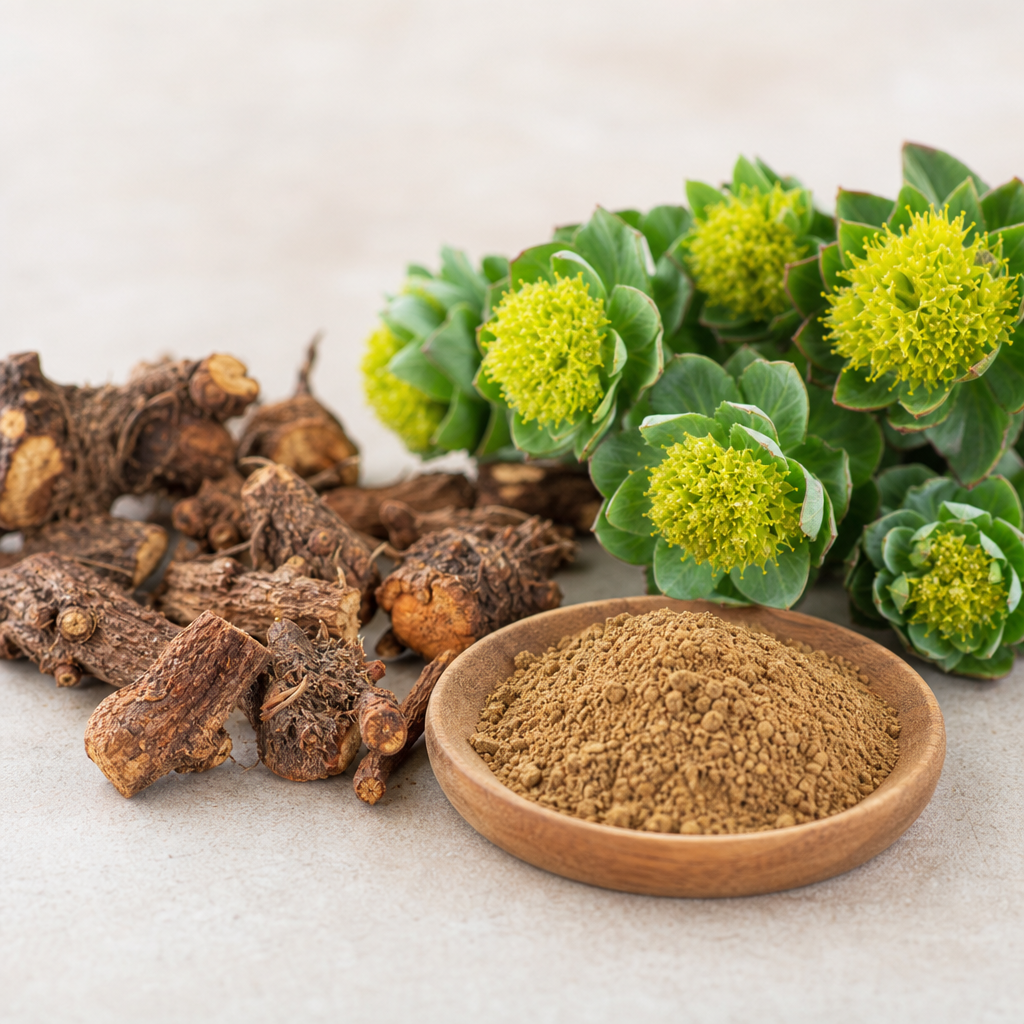
Rhodiola rosea is an adaptogenic herb traditionally used in Northern and Eastern Europe and parts of Asia to help the body cope with physical and mental stress. It grows in cold, high-altitude regions and is sometimes called “golden root” or “Arctic root.” In supplements, the root is typically used, and it contains several bioactive compounds—most notably rosavins and salidroside—that are thought to contribute to its effects on stress resilience, energy, and cognition.
Rhodiola is not an essential nutrient like a vitamin or mineral; the body does not technically require it for survival. Instead, it is a botanical extract that may support aspects of well-being by influencing stress-related pathways (such as the hypothalamic-pituitary-adrenal axis) and neurotransmitter activity. It is commonly taken as a dietary supplement in capsule, tablet, powder, or liquid-extract form.
Benefits of Rhodiola Rosea
-
Stress-related fatigue and burnout
(Moderate evidence)
Rhodiola has been studied in people experiencing stress and burnout, with several randomized trials reporting reductions in fatigue, irritability, and stress-related symptoms alongside improved energy and well-being. Benefits often appear within 1–2 weeks, with continued improvements over several more weeks. While results vary, the consistency across multiple studies supports a practical role for short-term stress and fatigue management.
-
Cognitive performance under fatigue or pressure
(Mixed evidence)
In acute settings—such as sleep deprivation, intense work periods, or exam stress—some studies show improved attention, reduced mental fatigue, and faster reaction times after rhodiola. However, findings are not uniform, and effect sizes are modest. Differences in extract standardization, dosing, and study design likely explain the variability.
-
Exercise endurance and perceived exertion
(Mixed evidence)
A number of small trials suggest rhodiola may modestly improve endurance performance, time to exhaustion, and ratings of perceived exertion, potentially through effects on central fatigue and stress responses. Other studies show no effect. When benefits occur, they appear small to moderate and may be more noticeable in people under heavy training load or during high-stress phases.
-
Mood support in mild anxiety or low mood
(Limited evidence)
Early clinical research in people with mild symptoms suggests rhodiola may ease anxiousness, tension, and low mood and may be well tolerated. However, studies are generally small and short-term. Rhodiola is not a replacement for professional care and is not established as a treatment for clinical depression or anxiety disorders.
-
Altitude and hypoxia tolerance
(Preliminary evidence)
Preclinical and small human studies indicate potential support for adaptation to high-altitude stress and hypoxia, possibly by modulating cellular stress responses and fatigue. Human evidence remains limited and inconsistent, so rhodiola should not be relied on in place of standard acclimatization strategies.
Types or Forms Available
-
Standardized root extracts (capsules/tablets)
: The most studied form typically standardized to about 3% rosavins and 1% salidroside. Standardization helps ensure consistent dosing of key actives and more predictable effects. Look for the plant part (root), Latin name (Rhodiola rosea), and clear standardization on the label.
-
Salidroside-focused extracts
: Some products emphasize salidroside content (sometimes from related species). These may differ in effect profile relative to classic R. rosea extracts rich in rosavins. Choose carefully and avoid mixing species unless that is your intent.
-
Liquid extracts and tinctures
: Useful for flexible dosing and faster absorption, though exact active compound amounts can be less consistent unless the product specifies standardization.
-
Whole-root powders and teas
: Offer a more traditional approach but with variable potency and taste. Effects may be subtler and less consistent than standardized extracts.
-
Combination “adaptogen” blends
: Rhodiola is sometimes paired with ashwagandha, ginseng, or schisandra. Blends can be convenient, but they complicate dose control and can raise interaction risks.
Quality varies widely. Rhodiola products have been subject to species substitution or variable active content. Choose brands that use R. rosea root, specify standardization, and employ third-party testing for identity, potency, and contaminants.
How to Use Rhodiola Rosea
Rhodiola is commonly used short term to help manage periods of high stress, fatigue, or heavy workload. Many users notice effects within 1–2 weeks, though some feel subtle benefits sooner, especially in acute stress or pre-exercise settings.
-
Common dosage range:
200–400 mg per day of a standardized extract (around 3% rosavins and 1% salidroside) is typical in studies. Some protocols use up to 600 mg daily, but higher doses do not necessarily produce better results and may increase the chance of stimulation or GI upset. Start low and assess tolerance.
-
Best timing:
Morning or early afternoon. Rhodiola can feel energizing; taking it late in the day may disrupt sleep. For exercise, 30–60 minutes pre-workout may be helpful in some individuals.
-
How to take it:
Most people take capsules with water. It can be taken with or without food; a small snack may reduce the chance of mild stomach upset.
-
Consistency:
For stress and fatigue, daily use for 2–6 weeks is commonly studied. Some people use it only during demanding periods. Periodic breaks (for example, a week off after 6–8 weeks) are reasonable, though cycling is not formally required by evidence.
Food Sources and Supplement Options
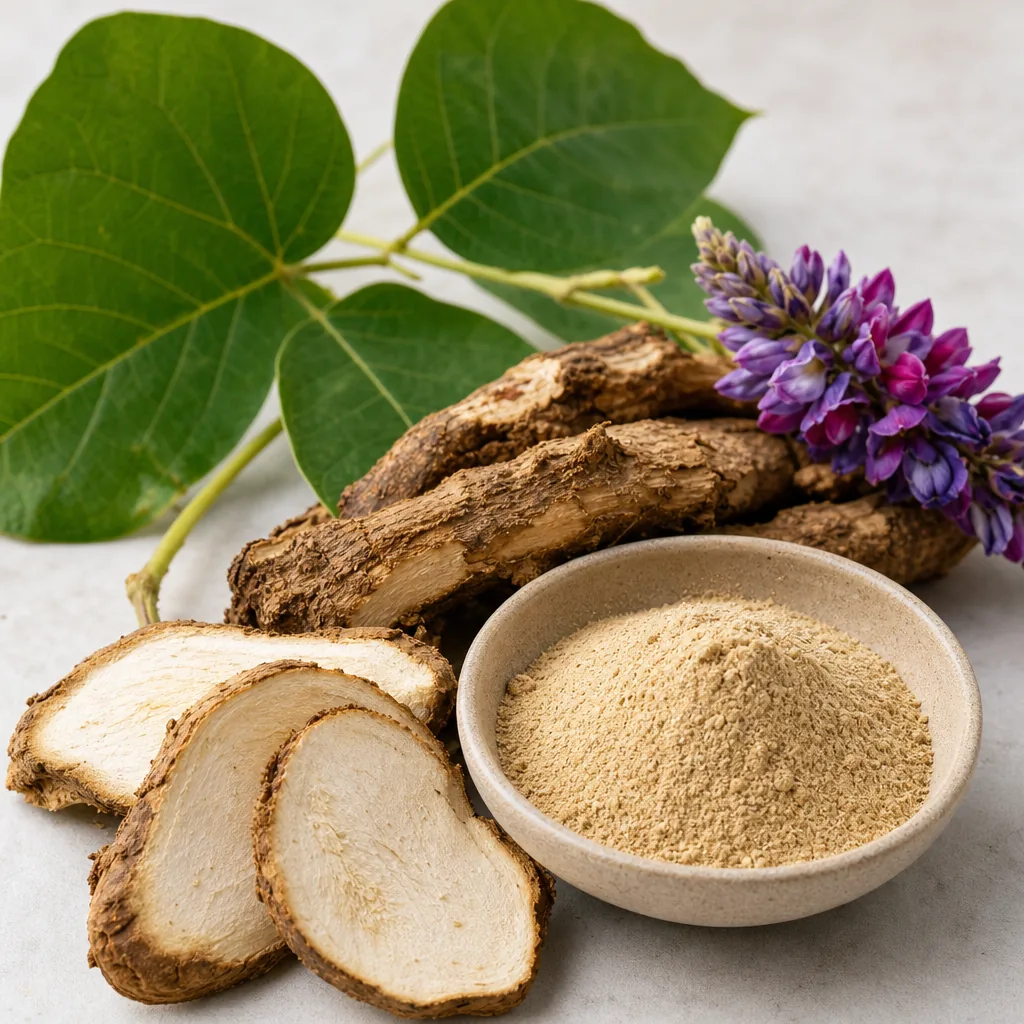
Rhodiola rosea is an herb, not a common food. The root is the natural source of the active compounds and is traditionally prepared as tea, tincture, or dried root. Most people use rhodiola as a dietary supplement because it provides standardized, measurable amounts of the active constituents for more predictable effects.
Supplements may make sense when someone wants targeted support for stress-related fatigue, focus during demanding periods, or pre-exercise use. Whole foods remain essential for overall nutrition and provide a broad spectrum of vitamins, minerals, and phytonutrients, while rhodiola offers a specific herbal approach rather than a nutritional one.
Who May Benefit from Rhodiola Rosea?
-
Adults experiencing periods of high stress or “burnout”-like fatigue who want non-caffeinated support.
-
Students, professionals, or shift workers facing intense cognitive demands or sleep restriction.
-
Endurance athletes or highly trained individuals during heavy training blocks seeking small boosts in perceived energy or resilience.
-
People looking for gentle mood and stress support for mild symptoms, alongside lifestyle measures.
-
Individuals traveling to or training at altitude who want adjunctive support in addition to standard acclimatization practices.
Side Effects and Considerations
-
Common side effects:
Generally well tolerated at typical doses, but can cause dry mouth, dizziness, headache, mild GI upset, or restlessness. Taking it earlier in the day may reduce sleep disturbance.
-
Stimulation and anxiety:
In sensitive individuals or at higher doses, rhodiola may feel too stimulating and could exacerbate anxiety, panic symptoms, or insomnia. Reduce dose or discontinue if this occurs.
-
Mood disorders:
People with bipolar disorder or a history of hypomania/mania should avoid rhodiola unless advised by a clinician, as stimulating herbs could potentially trigger mood elevation.
-
Medication interactions:
Exercise caution if you use antidepressants (such as SSRIs/SNRIs), MAO inhibitors, sedatives, stimulants, or medications affecting blood sugar or blood pressure. Rhodiola may influence neurotransmitter pathways and stress responses. Consult a healthcare professional before combining.
-
Medical conditions:
Use caution with cardiovascular conditions, diabetes, autoimmune disorders, or thyroid issues. Monitor how you feel and discuss with a clinician if you have ongoing medical care.
-
Pregnancy, breastfeeding, and children:
Safety data are limited. Avoid use unless recommended by a qualified healthcare professional.
-
Surgery and procedures:
Because of potential CNS effects, discontinue rhodiola 1–2 weeks before planned surgery unless your surgical team advises otherwise.
-
Allergy and plant family:
Rarely, individuals may react to plants in the Crassulaceae family. Discontinue if you notice allergic symptoms.
-
Quality and adulteration:
Choose products specifying Rhodiola rosea root, standardization (e.g., 3% rosavins/1% salidroside), and third-party testing. Some products may substitute other Rhodiola species or contain variable active content.
-
General guidance:
If you are pregnant, breastfeeding, taking medications, or managing a medical condition, consult a healthcare professional before use.
Common Myths About Rhodiola Rosea
-
Myth: Rhodiola is just like caffeine.
While some users feel more energized, rhodiola is an adaptogen that appears to modulate stress pathways rather than directly stimulate the nervous system like caffeine. Some people even report feeling calmer or more balanced, especially under stress. The effect profile is more nuanced and can vary with dose and individual response.
-
Myth: If a little helps, megadoses will work even better.
With rhodiola, more is not necessarily better. There may be a “sweet spot” where moderate doses work best, while higher amounts can cause jitteriness or reduced benefit. Sticking to typical evidence-based ranges improves tolerability and outcomes.
-
Myth: Rhodiola can treat depression or anxiety on its own.
Evidence for mood support is preliminary and focused on mild symptoms. Rhodiola is not an approved treatment for mental health conditions and should not replace professional care. Anyone with persistent or severe symptoms should seek medical evaluation.
-
Myth: All rhodiola supplements are the same.
Products can vary by species used, plant part, standardization, and quality testing. R. rosea root extracts standardized to rosavins and salidroside are the most studied. Choosing verified products reduces the risk of inconsistent results.
Conclusion
Rhodiola rosea is a well-known adaptogenic herb that may help reduce stress-related fatigue, support focus under pressure, and provide small performance benefits for some active individuals. It is not an essential nutrient, nor is it a cure-all, but standardized extracts used at modest doses can be a practical addition to a broader routine that emphasizes sleep, nutrition, movement, and stress-management skills.
Choose high-quality, standardized products and start with conservative dosing—ideally earlier in the day. People who are pregnant, breastfeeding, taking medications, or managing medical conditions should consult a healthcare professional before use. For most health goals, a food-first approach is foundational, with rhodiola serving as a targeted supplement when short-term stress, fatigue, or demanding schedules call for extra support.