What is Sea Moss?
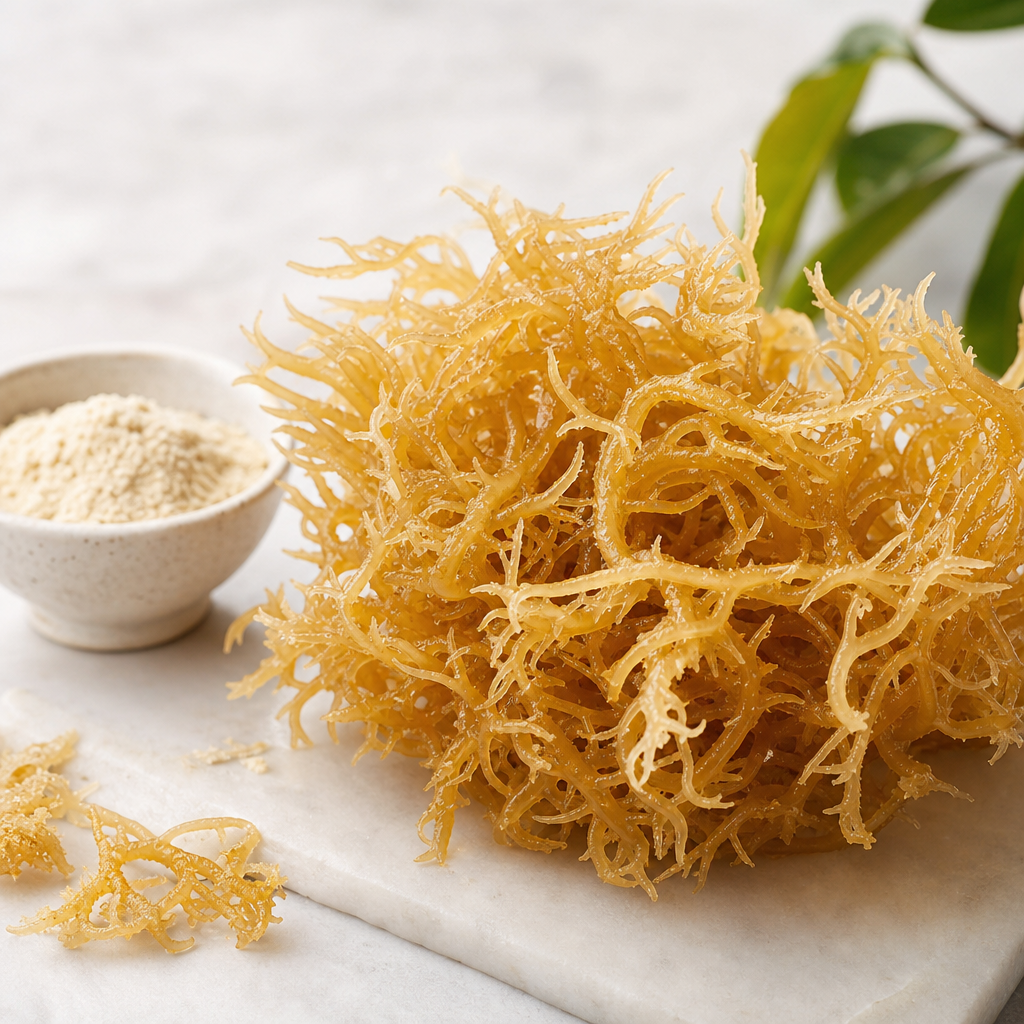
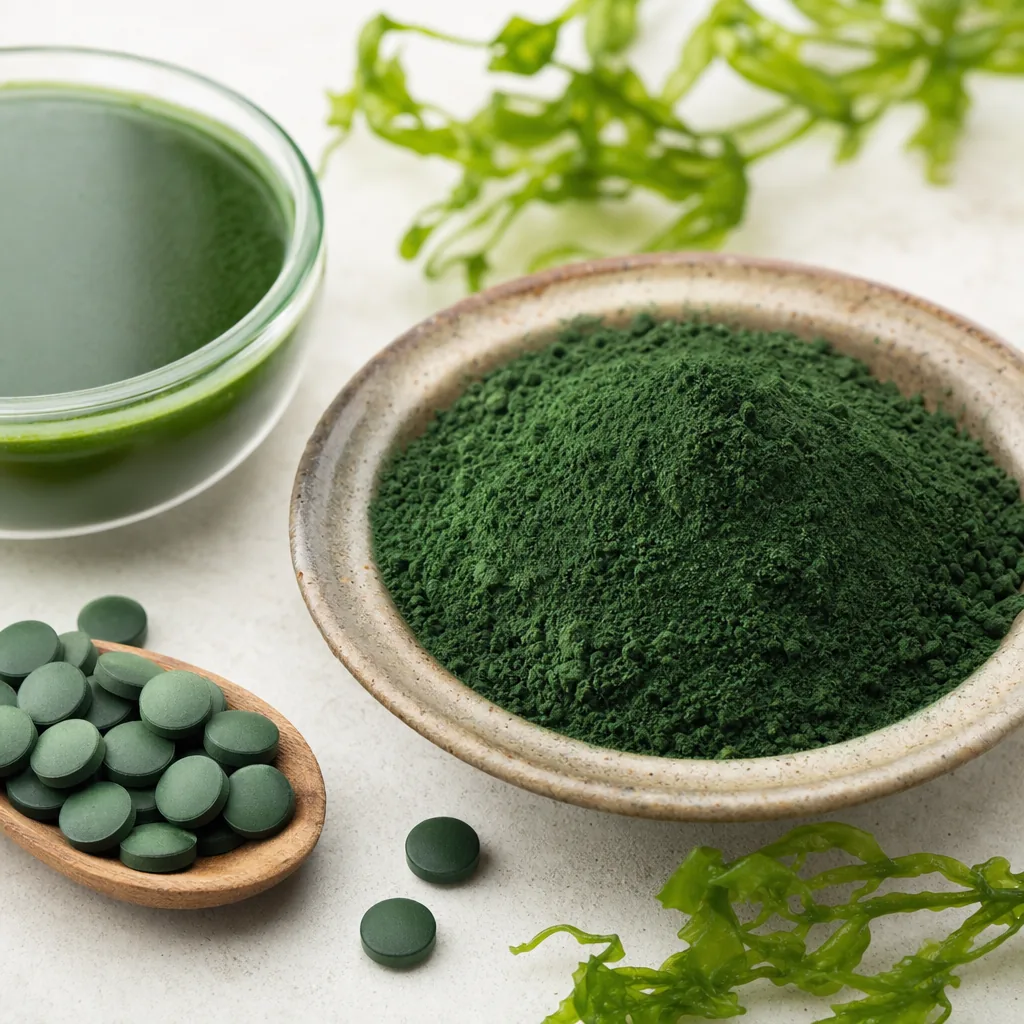
Sea moss, often called Irish moss, is a common name for several red algae species, most notably Chondrus crispus (found along the North Atlantic coasts of Ireland, the UK, and Canada) and various Gracilaria species (commonly harvested in the Caribbean and parts of Asia). Traditionally used as a culinary thickener and in folk remedies, sea moss contains soluble fibers (notably carrageenan), small amounts of minerals, and bioactive sulfated polysaccharides. It can be eaten as a whole food (rehydrated strips or gel) or taken as a supplement (powders, capsules, gummies).
Sea moss is a food-derived ingredient and dietary supplement, not an essential nutrient. The body does not technically require sea moss in the same way it requires vitamins, minerals, essential fatty acids, or essential amino acids. Potential health roles come from its iodine content (which supports thyroid hormone synthesis), its soluble fiber (which may aid gut health and satiety), and various polysaccharides with emerging but still limited evidence for metabolic and immune-related effects.
Benefits of Sea Moss
-
Supports iodine intake and normal thyroid hormone production
(Moderate evidence)
Sea moss can contribute dietary iodine, an essential mineral needed to produce thyroid hormones that regulate metabolism, growth, and development. While brown seaweeds like kelp typically contain much higher iodine levels, red seaweeds such as Chondrus crispus and Gracilaria still provide variable amounts. The benefit is well established for iodine itself; for sea moss specifically, the effect depends on actual iodine content, which can fluctuate widely by species, harvest location, and processing. Using products that disclose tested iodine content helps align total daily iodine intake with recommended levels.
-
May support gut health and regularity
(Limited evidence)
Sea moss is rich in soluble fiber (especially carrageenan and related polysaccharides) that can form gels and increase stool water content. Early human studies on red seaweed fibers and in vitro work suggest prebiotic-like effects, including support for beneficial gut bacteria and production of short-chain fatty acids. Some people report improved regularity or softer stools. However, human trials specific to whole sea moss are small and heterogeneous, and some individuals experience gas or bloating, so results vary.
-
Potential support for metabolic and heart health markers
(Limited evidence)
Small clinical trials and pilot studies with red seaweed extracts and fibers have noted modest changes in LDL cholesterol, postprandial glucose, or insulin response. These effects are biologically plausible given viscous fibers can slow carbohydrate absorption and bind bile acids. Still, the evidence for whole sea moss is sparse, sample sizes are small, and formulations differ. Benefits, if present, are expected to be modest and should complement—not replace—dietary pattern changes, physical activity, and medical care when needed.
-
Satiety and weight-management assistance
(Preliminary evidence)
The gelling nature of sea moss fiber may promote feelings of fullness and slightly reduce subsequent energy intake. Early studies with similar seaweed-derived fibers support this mechanism. Real-world impact depends on portion size, overall diet, and whether the sea moss product is paired with added sugars or calorie-dense ingredients, which can offset potential benefits.
-
Soothing effects for mucosal tissues (traditional use)
(Limited evidence)
Historically, sea moss has been used as a demulcent—a soothing agent for the throat and digestive tract—due to its slippery, gel-like polysaccharides. Some users find it comforting during mild throat irritation or when recovering from illness. Rigorous human clinical evidence is limited, and benefits are mainly experiential and extrapolated from the properties of soluble fibers.
-
Immune and antiviral activity in experimental models
(Preliminary evidence)
Sulfated polysaccharides from red algae have demonstrated antiviral activity in cell and animal models by interfering with viral attachment and replication. These findings are promising but have not translated into high-quality human trials showing clinical benefits for infections. Sea moss should not be relied on to prevent or treat illnesses.
Types or Forms Available
-
Dried whole sea moss (raw)
: Sold as sun-dried strips or fronds that are rinsed, soaked, and sometimes lightly simmered at home. Chondrus crispus (often flatter, fan-shaped) differs from many Gracilaria species (more stringy). Iodine and mineral content vary by species and harvest site. Quality depends on proper drying and cleanliness; beware of bleached or artificially colored products.
-
Sea moss gel
: Prepared by soaking and blending the dried seaweed with water into a smooth gel. Convenient for adding to smoothies, soups, or sauces. Typically perishable and requires refrigeration. Nutrient density depends on how much dried seaweed is used per batch; homemade recipes vary widely.
-
Powders and capsules
: Provide measured amounts of dried sea moss, sometimes alongside other botanicals (e.g., bladderwrack, burdock). Look for products that disclose tested iodine content and are third-party certified for heavy metals and microbes. Standardization of iodine is helpful but not universal.
-
Gummies and ready-to-drink beverages
: Palatable, but often contain added sugars and may deliver lower amounts of sea moss per serving. Check labels for actual sea moss content and iodine per serving.
-
Extracts and carrageenan isolates
: Carrageenan is a purified polysaccharide used widely as a food thickener. It is not the same as whole sea moss and lacks the full nutrient profile. Note that “degraded carrageenan” (poligeenan) is a different compound used in research and is not approved as a food additive.
How to Use Sea Moss
Sea moss is flexible in the kitchen and in supplement routines. Because iodine content can vary, aim for products that disclose tested iodine per serving. Adults generally need 150 mcg iodine daily (higher in pregnancy and lactation), and the tolerable upper limit is 1,100 mcg/day. If you use sea moss primarily for iodine, consider your total iodine intake from all sources (iodized salt, dairy, seafood, multivitamins, and other seaweeds) to avoid excess.
-
Common dosage range:
Many supplements provide 500–1,000 mg of dried sea moss powder once or twice daily. For homemade or store-bought gel, 1–2 tablespoons typically correspond to about 1–4 grams of rehydrated gel (often ~0.5–2 grams dried equivalent), but recipes vary. A prudent approach is to target a total daily iodine intake near the recommended amount unless advised otherwise by a clinician. Do not exceed the iodine upper limit without medical supervision.
-
Best timing:
Timing is not critical. Taking sea moss with meals may improve tolerance and align any modest effects on satiety or post-meal glucose.
-
How to take it:
Stir gel into smoothies, soups, stews, or overnight oats, or take capsules/powder with water. Start with small amounts to assess tolerance.
-
Consistency:
Daily use is not mandatory for most people. If using for iodine support and you rarely consume other iodine sources, routine but moderate intake may help. Some people prefer intermittent use (e.g., a few days per week) to limit iodine accumulation, especially when dietary iodine is variable.
Food Sources and Supplement Options
Sea moss is itself a sea vegetable—a marine red algae harvested from coastal waters. Traditionally, it is used as a culinary ingredient to thicken puddings, soups, and beverages. As a supplement, it is available in powders, capsules, gels, and gummies.
Supplementation may make sense if you want a measured, consistent intake, particularly for iodine, and you select a product that discloses tested iodine content and passes third-party quality checks. Whole-food preparations can provide soluble fiber and a spectrum of minerals, but the actual nutrient amounts vary widely by species and preparation. Whole foods also offer additional nutrients and culinary flexibility, while supplements can provide convenience and potentially more predictable dosing.
Who May Benefit from Sea Moss?
-
Adults with low iodine intake who do not use iodized salt and rarely consume dairy, eggs, or seafood—provided they choose a product with known iodine content and track total daily iodine.
-
Plant-based eaters (vegan or vegetarian) seeking a non-kelp sea vegetable option with modest iodine and soluble fiber, used cautiously to avoid excess iodine.
-
People interested in culinary uses of sea vegetables as a plant-based thickener to add texture and mild mineral content to recipes.
-
Individuals experimenting with gentle increases in soluble fiber for regularity or fullness, starting with small amounts to gauge tolerance.
-
Those who prefer sea moss to stronger-tasting brown seaweeds and want a potentially lower-iodine alternative, with attention to labeling and portion size.
Side Effects and Considerations
-
Iodine excess and thyroid effects:
Sea moss iodine varies by species and batch. Too much iodine can trigger hypothyroidism or hyperthyroidism, especially in people with thyroid nodules or autoimmune thyroid disease. Keep total daily iodine below the adult upper limit of 1,100 mcg unless medically supervised.
-
Thyroid medications and interactions:
People taking levothyroxine, antithyroid drugs (e.g., methimazole), or iodine-containing medications (e.g., amiodarone) should consult a clinician before using sea moss due to potential effects on thyroid function and medication needs.
-
Heavy metals and contaminants:
Seaweeds can accumulate arsenic, cadmium, lead, and mercury, and may harbor microbes if poorly processed. Choose reputable brands with third-party testing for heavy metals, iodine, and microbiological safety.
-
Gastrointestinal symptoms:
Gas, bloating, loose stools, or cramping can occur with soluble fiber. Introduce slowly and consider taking with meals. Discontinue if persistent discomfort occurs.
-
Kidney or heart conditions:
Some seaweeds are high in potassium and other minerals; people with chronic kidney disease, those on potassium-restricted diets, or with arrhythmias should use caution and seek medical advice.
-
Allergies and sensitivities:
Although seaweed is not shellfish, cross-contact can occur in some supply chains. Individuals sensitive to iodine or carrageenan may react; discontinue and seek care if symptoms arise.
-
Pregnancy and breastfeeding:
Iodine needs are higher, but excess can harm maternal or fetal thyroid function. Because sea moss iodine content is variable, pregnant or breastfeeding individuals should consult a healthcare professional before use and avoid products without verified iodine content.
-
Children and adolescents:
Use cautiously, if at all, given variable iodine content and limited research. Consult a pediatric healthcare provider.
-
Surgery and bleeding risk:
Some seaweed polysaccharides can affect coagulation in experimental settings. As a precaution, stop non-essential seaweed supplements 1–2 weeks before surgery and inform your surgical team.
-
Product quality and labeling:
Mislabeling between Chondrus and Gracilaria is common, and “wildcrafted” claims are not always verified. Prefer brands that specify species, harvest location, and provide lab reports.
Common Myths About Sea Moss
-
“Sea moss contains 92 of the 102 minerals the body needs, in meaningful amounts.”
While sea moss contains a variety of trace minerals, the exact profile and quantities vary greatly by species and environment. Many minerals are present only in small amounts, and claims of precise counts are marketing, not established nutrition science.
-
“Sea moss cures thyroid problems.”
Iodine is necessary for thyroid hormone production, and sea moss can contribute iodine. However, thyroid disorders have many causes, and both insufficient and excessive iodine can worsen them. Sea moss is not a cure and should not replace medical evaluation or prescribed treatment.
-
“Carrageenan in sea moss is the same as poligeenan and is proven carcinogenic.”
Food-grade carrageenan used in foods and naturally present in seaweed is chemically distinct from degraded carrageenan (poligeenan) used in certain research models. Current food safety assessments consider food-grade carrageenan acceptable at typical intakes, though some individuals report GI sensitivity.
-
“More is better—take unlimited amounts for maximum benefits.”
Excess sea moss can lead to too much iodine and potential thyroid dysfunction, along with GI side effects. Moderate, informed use—preferably with products that disclose iodine content—is safer and more sensible.
Conclusion
Sea moss is a versatile sea vegetable and supplement that can contribute iodine and soluble fiber, with emerging but still limited evidence for gut, metabolic, and satiety benefits. Its usefulness is most credible as a moderate source of iodine (when content is verified) and as a culinary thickener offering small amounts of minerals and viscous fiber. Because actual nutrient levels vary, quality matters—choose products that identify species and harvest region and provide third-party testing for iodine and contaminants.
Sea moss is not essential for everyone and is not a substitute for a balanced diet or medical care. People with thyroid disease, those taking thyroid or iodine-containing medications, individuals who are pregnant or breastfeeding, children, and anyone with kidney or other chronic conditions should consult a healthcare professional before use. For most, a food-first approach—prioritizing overall dietary quality and reliable iodine sources—makes sense, with sea moss as an optional, moderate addition rather than a daily necessity. When supplementation is considered, aim for prudent doses, avoid exceeding the iodine upper limit, and monitor how you feel.