What is Spirulina?
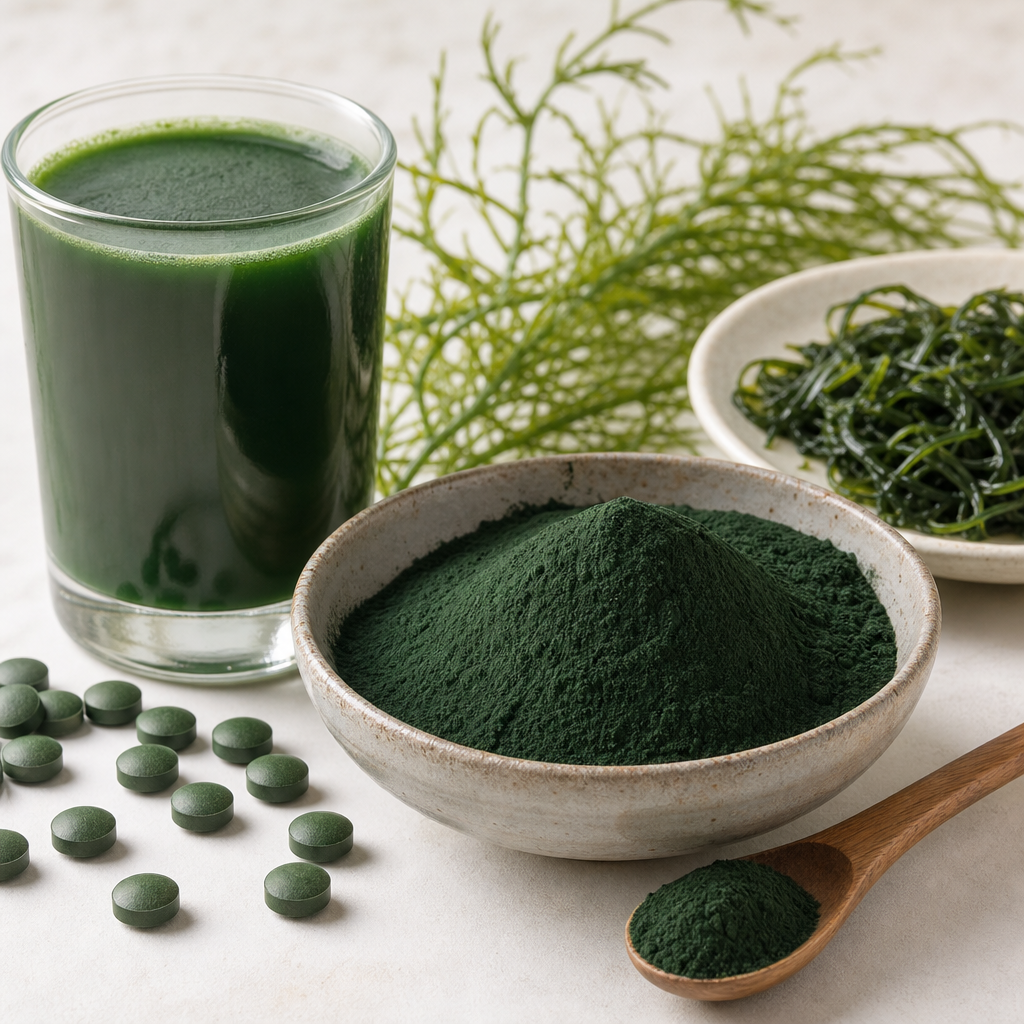
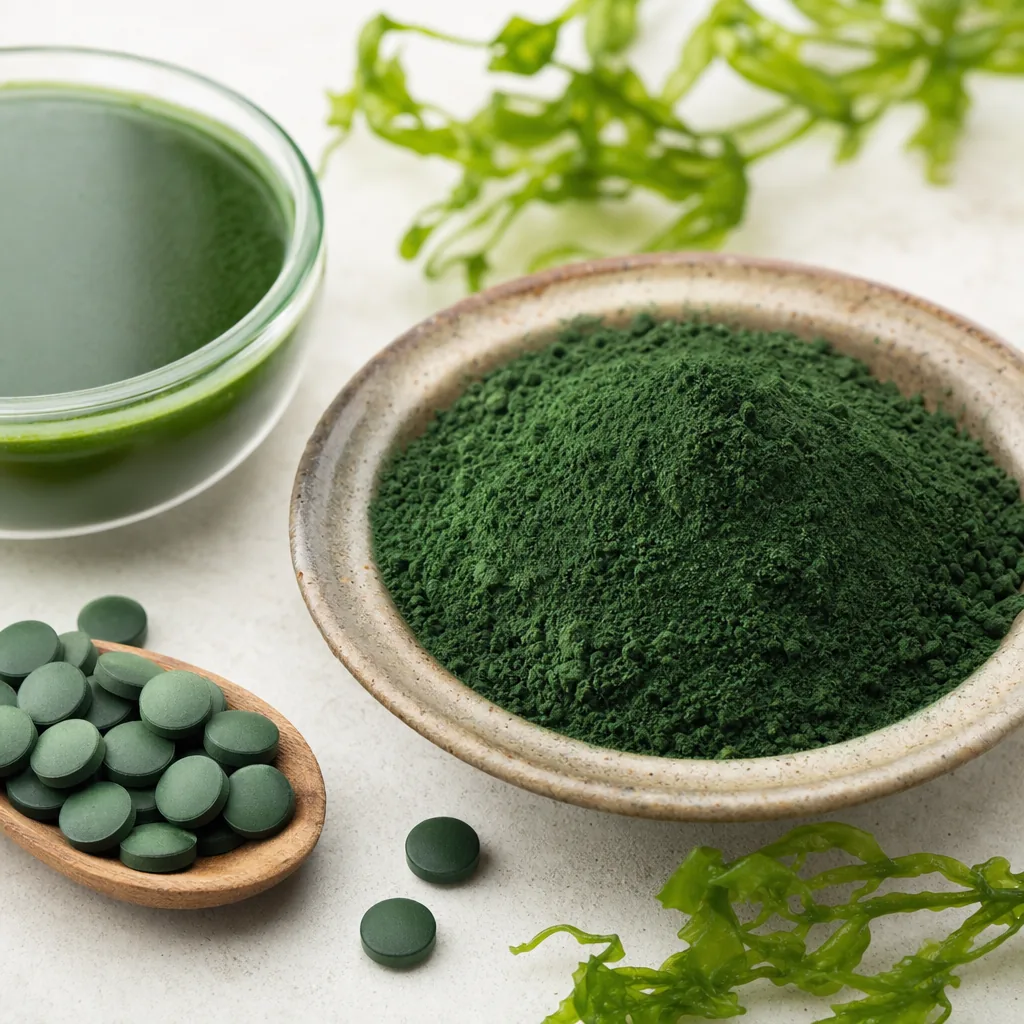
Spirulina is the common name for edible cyanobacteria (often called “blue-green algae”), primarily species within the Arthrospira genus such as Arthrospira platensis and Arthrospira maxima. It naturally grows in alkaline, mineral-rich lakes in tropical and subtropical regions, and today is mostly cultivated in controlled aquaculture ponds. Spirulina is known for its deep green-blue color, driven by chlorophyll and a unique blue pigment-protein complex called phycocyanin. It has been used as a traditional food in some cultures and is now widely sold as a concentrated food-derived supplement in powders, tablets, and capsules.
Rich in protein, B-vitamins (though not reliable for vitamin B12 needs), minerals, and antioxidant pigments, spirulina is used for general wellness and targeted goals like supporting healthy lipid profiles and oxidative stress balance. It is not an essential nutrient like a vitamin or mineral; the body does not technically require spirulina to function. Instead, it is a nutrient-dense food-derived ingredient and supplement that may complement a balanced diet.
Benefits of Spirulina
-
Supports healthy lipid profiles
(Moderate evidence)
Spirulina intake in several small to mid-sized randomized trials has been associated with modest reductions in total cholesterol, LDL cholesterol, and sometimes triglycerides, with occasional small increases in HDL cholesterol. Typical effects are modest (for example, single-digit percentage reductions in LDL), and results vary by dose, duration, and baseline risk. Benefits appear stronger in people with dyslipidemia and when spirulina is used alongside diet and lifestyle changes.
-
Helps modestly improve glycemic control
(Moderate evidence)
Among adults with type 2 diabetes or prediabetes, spirulina at a few grams per day has been linked to small improvements in fasting glucose and, over longer periods, slight reductions in HbA1c. Not all studies are positive, and the magnitude is typically mild. Spirulina should be viewed as an adjunct to, not a replacement for, medical care, medications, and a diet and exercise plan for blood sugar management.
-
Supports small reductions in blood pressure
(Moderate evidence)
Several trials suggest spirulina can produce mild but meaningful decreases in systolic and diastolic blood pressure, particularly in people with elevated baseline values. Average changes are often in the low single-digit mmHg range. Consistent daily use and attention to salt intake, physical activity, and overall diet quality remain key.
-
May reduce seasonal allergy symptoms
(Limited evidence)
Early studies in people with allergic rhinitis report improvements in nasal congestion, sneezing, and itching, potentially by modulating inflammatory pathways and histamine release. Evidence is limited by small sample sizes and variability in products used, so more robust research is needed to confirm the effect and optimal dosing.
-
Antioxidant support and exercise recovery
(Mixed evidence)
Spirulina’s pigments, especially phycocyanin, have antioxidant and anti-inflammatory properties in vitro. Some human trials in athletes show reduced markers of oxidative stress and muscle damage and improvements in time-to-exhaustion, while others show no performance benefit. Outcomes likely depend on training status, dose, and duration.
-
Immune and inflammatory marker modulation
(Preliminary evidence)
Early studies indicate spirulina may modestly influence immune function and inflammatory cytokines. While intriguing, data are preliminary, heterogeneous, and not sufficient to recommend spirulina as an immune therapy. People with autoimmune conditions should be cautious due to potential immunomodulatory effects.
Types or Forms Available
-
Whole spirulina powder (green)
: The most common form, made from dried, milled biomass. It retains the full spectrum of spirulina components, including protein, phycocyanin, carotenoids, minerals, and other micronutrients. It can be mixed into smoothies, yogurt, or soft foods. Drying method matters: gentle, low-heat or freeze-dried processes better preserve pigments.
-
Tablets and capsules
: Convenient for those who dislike the taste or want precise dosing. Tablets typically contain pressed spirulina powder, while capsules contain powder in a shell. They offer similar nutrient profiles to whole powder, assuming comparable quality and processing.
-
Blue spirulina (phycocyanin extract)
: A concentrated extract of the blue pigment-protein phycocyanin. This is not whole spirulina; it emphasizes antioxidant pigment content while omitting much of the protein and other components. Often used for natural coloring or targeted antioxidant support.
-
Standardized formulations
: Some products list standardized phycocyanin content (e.g., 15–30%). Standardization can support more consistent potency across batches. Verify third-party testing for contaminants regardless of standardization.
-
Organic vs. conventional
: Organic spirulina is cultivated with certified inputs and may appeal to those avoiding certain agricultural chemicals. Whether organic or conventional, rigorous testing for microcystins, heavy metals, and microbial contaminants is more critical than the organic label alone.
How to Use Spirulina
Practical use depends on your goals and tolerance. Start with a low dose to assess digestion and taste preferences, and emphasize consistent, daily intake over chasing high doses.
-
Common dosage range:
1–3 grams per day is typical for general wellness and nutrient support. Some studies investigating lipids, glycemia, or blood pressure use 2–8 grams per day for 8–12 weeks. Higher intakes are not necessarily better and may increase the risk of gastrointestinal discomfort. Avoid megadoses.
-
Best timing:
Timing is flexible; it does not act like a stimulant. Taking with meals can improve tolerance and may blunt any mild aftertaste. Athletes sometimes take it pre- or post-workout, but consistency matters more than timing.
-
How to take it:
Mix powder into smoothies, yogurt, or soft foods, or take as tablets/capsules with water. Avoid high-heat cooking to help preserve heat-sensitive pigments like phycocyanin.
-
Consistency:
For metabolic or lipid effects, aim for daily use over at least 8–12 weeks while maintaining a balanced diet and active lifestyle. Occasional use may provide nutrient variety but is less likely to affect biomarkers.
Food Sources and Supplement Options
Spirulina is not commonly found in everyday foods unless added as an ingredient. It is itself a food-derived biomass and is primarily consumed as a supplement (powders, tablets, capsules) or incorporated into functional foods like smoothie blends and snack bars. The natural source is cyanobacteria cultivated in controlled ponds or harvested from specific alkaline lakes, then dried and processed for consumption.
Supplementation can make sense if you want a concentrated, low-calorie way to add protein, pigments like phycocyanin, and certain micronutrients, or if you are targeting modest effects on lipids or glycemic measures as part of a broader lifestyle plan. Whole foods, however, provide fiber, diverse phytonutrients, and a broader nutritional matrix that supplements cannot fully replicate. Many people will benefit from a food-first approach, using spirulina as an optional addition rather than a replacement for vegetables, legumes, fruits, and whole grains.
Who May Benefit from Spirulina?
-
Adults with mildly elevated cholesterol or triglycerides seeking modest, adjunctive support alongside diet and exercise.
-
People with prediabetes or type 2 diabetes interested in small, complementary improvements in fasting glucose or HbA1c, in coordination with their healthcare team.
-
Recreational and competitive athletes who want an additional source of antioxidant pigments and are experimenting with recovery strategies.
-
Plant-forward eaters looking to diversify protein sources with a low-calorie, nutrient-dense option, recognizing it should not replace core proteins or a varied diet.
-
Individuals with seasonal allergic rhinitis exploring non-pharmacologic adjuncts, after discussing options with a clinician.
Side Effects and Considerations
-
Gastrointestinal effects:
Some people experience nausea, abdominal discomfort, diarrhea, or green stool, especially at higher doses or when starting. Begin low and take with food.
-
Allergy and sensitivity:
Rare allergic reactions can occur. People with known algae/seaweed sensitivities or who develop rash, itching, or breathing symptoms should discontinue and seek medical advice.
-
Autoimmune conditions:
Because spirulina may influence immune activity, people with autoimmune diseases (e.g., multiple sclerosis, lupus, rheumatoid arthritis) should use caution and consult a clinician before use.
-
Medication interactions:
Potential additive effects may occur with antidiabetic and antihypertensive medications. Theoretical antiplatelet activity and variable vitamin K content could interact with anticoagulants/antiplatelets. Those on immunosuppressants should avoid or use only under medical supervision due to possible immune modulation.
-
Contamination risks:
Poor-quality spirulina may contain microcystins (toxic cyanotoxins), heavy metals, or harmful microbes. Choose reputable brands with third-party testing for microcystins, heavy metals, and microbial safety. Avoid products harvested from uncontrolled wild waters.
-
Kidney, liver, and gout considerations:
People with significant kidney or liver disease should consult a healthcare professional before use. Spirulina contains purines, which may not be suitable for individuals with gout or hyperuricemia.
-
Phenylketonuria (PKU):
Spirulina is protein-rich and contains phenylalanine. Individuals with PKU or phenylalanine restrictions should avoid or use only under medical guidance.
-
Pregnancy, breastfeeding, and children:
Safety data are limited and contamination risk is a concern. Those who are pregnant, breastfeeding, giving spirulina to children, taking medications, or managing a medical condition should consult a healthcare professional before use.
-
Surgery:
Due to possible effects on platelets and blood pressure, stop spirulina at least 1–2 weeks before surgery unless your surgical team advises otherwise.
-
Dosing prudence:
More is not necessarily better. Stick to typical ranges and monitor how you feel. Discontinue if adverse effects occur.
Common Myths About Spirulina
-
Myth: Spirulina provides all the vitamin B12 vegans need.
Spirulina contains B12-like corrinoids that are largely inactive in humans. It should not be relied upon to meet B12 requirements. Vegans and older adults should use proven B12 sources (fortified foods or supplements with cyanocobalamin or methylcobalamin).
-
Myth: Spirulina “detoxes” heavy metals from the body.
While spirulina can bind certain metals in lab settings, robust human trials demonstrating clinical detoxification benefits are lacking. The safer, evidence-based approach is to avoid exposure and follow medical guidance if toxicity is suspected.
-
Myth: Blue spirulina is the same as whole spirulina.
Blue spirulina is typically an extract of phycocyanin. It lacks much of the whole-food matrix—protein structure, carotenoids, and minerals—present in intact spirulina powder. Choose based on your goal: pigment emphasis vs. whole-food profile.
-
Myth: Spirulina can replace a balanced diet or cure chronic diseases.
No supplement can substitute for an overall healthy dietary pattern or replace prescribed medical treatments. Spirulina may offer modest support for certain biomarkers, but it is not a cure or stand-alone therapy.
-
Myth: Higher doses always yield better results.
Benefits tend to plateau, and higher intakes may increase side effects without added upside. Evidence for most outcomes comes from modest daily doses over weeks to months.
Conclusion
Spirulina is a nutrient-dense, food-derived supplement containing protein and distinctive pigments like phycocyanin. Research supports modest benefits for lipids, blood glucose, and blood pressure in some individuals, with emerging but not definitive findings for exercise recovery and seasonal allergies. It is not essential for health, and its effects are best realized when combined with a high-quality diet, regular physical activity, and appropriate medical care.
If you choose to use spirulina, prioritize reputable products with third-party testing to minimize contamination risks, start with conservative doses, and monitor tolerance. People who are pregnant, breastfeeding, taking medications, or managing a medical condition should consult a healthcare professional before use. For most, a food-first strategy—centered on vegetables, fruits, legumes, whole grains, nuts, and seeds—provides the broadest health benefits, with spirulina serving as an optional, targeted addition rather than a necessity.