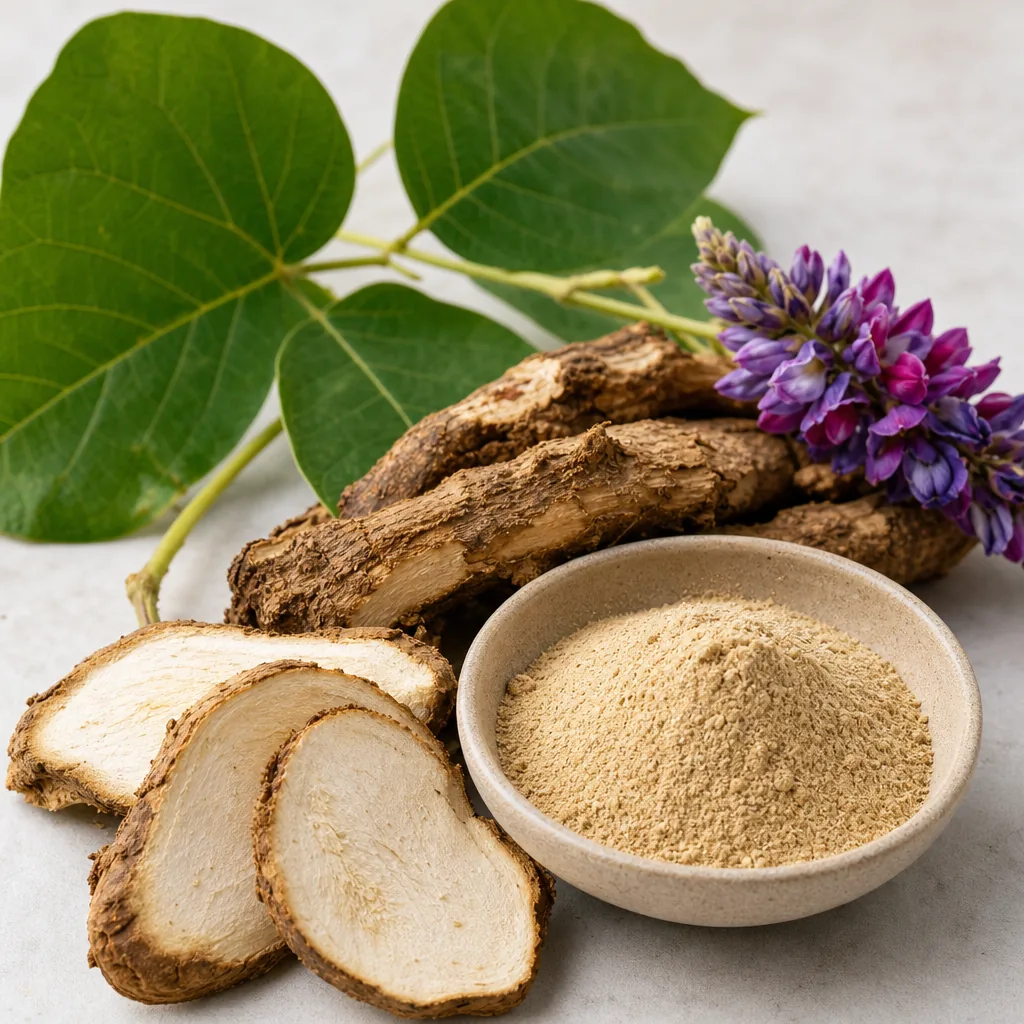
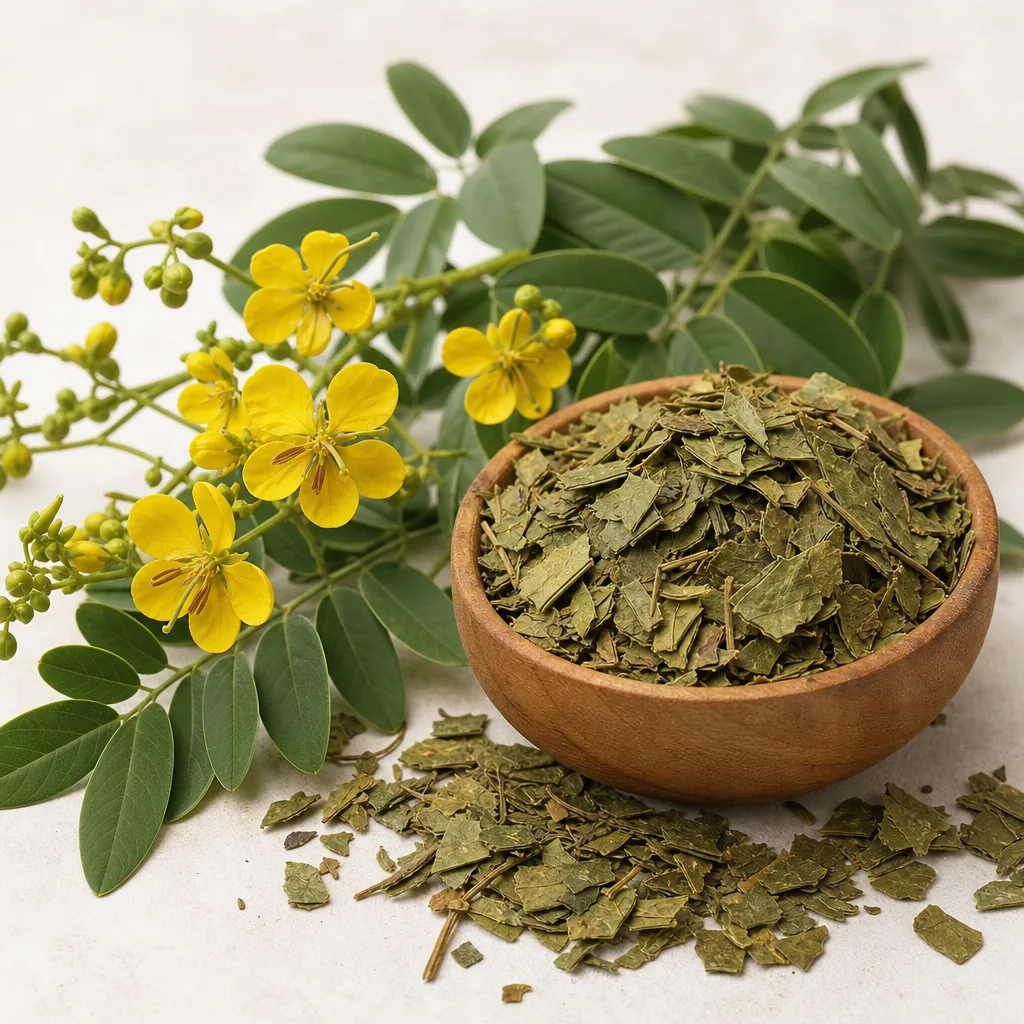
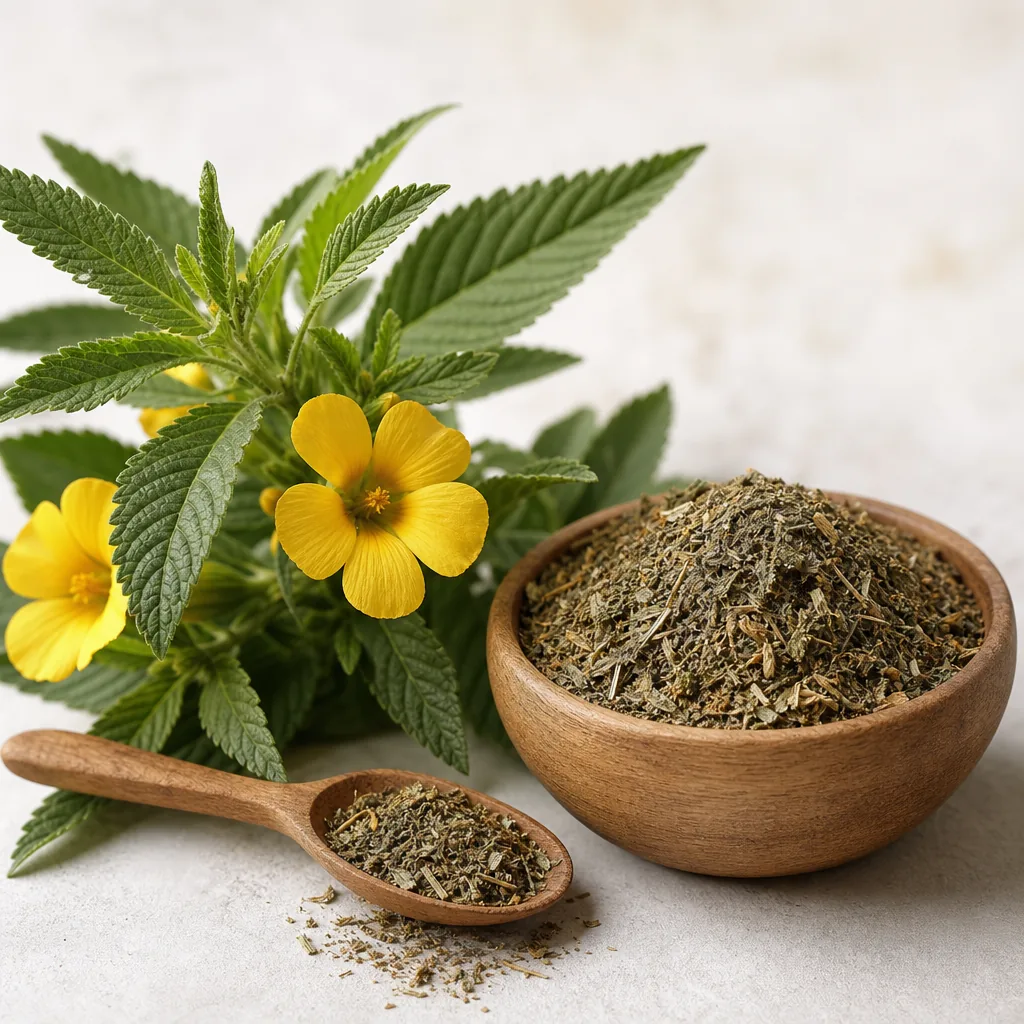
What is Triphala?
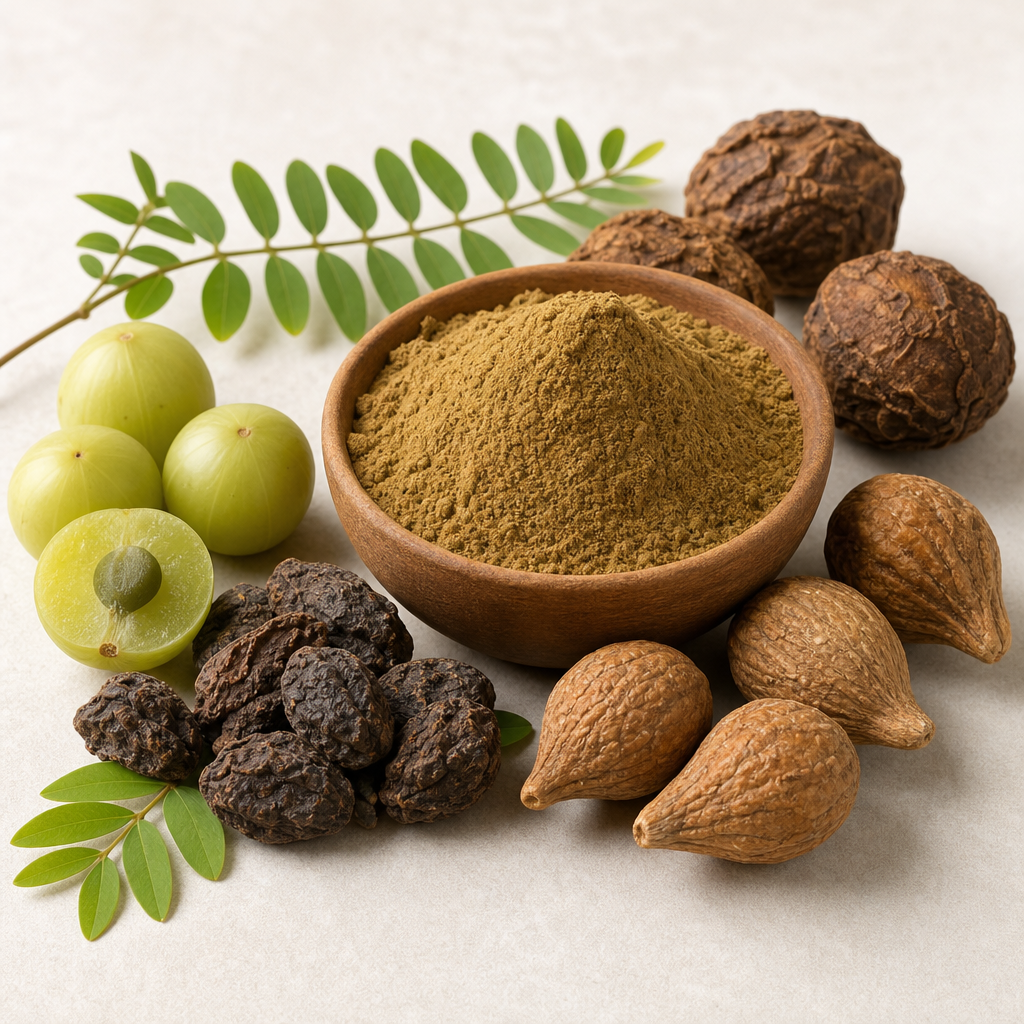
Triphala is a traditional Ayurvedic herbal formulation made from the dried fruits of three trees native to the Indian subcontinent: amla (Phyllanthus emblica), bibhitaki (Terminalia bellirica), and haritaki (Terminalia chebula). Its name literally means “three fruits.” In Ayurveda, Triphala is often described as a balancing, gentle tonic for the digestive system and overall well-being. Modern supplements typically present Triphala as a powder (churna), capsule, tablet, or liquid extract, and it may also appear in mouthwashes or oral care products.
Triphala is not an essential nutrient like a vitamin or mineral; the body does not require it to survive. Instead, it is a botanical blend rich in polyphenols, tannins, and other plant compounds that may influence digestion, antioxidant capacity, the oral microbiome, and metabolic markers. Interest in Triphala has grown beyond traditional use as early research explores its potential roles in gut health and oral hygiene. However, it should be viewed as a supportive supplement or food-derived herbal preparation rather than a required nutrient.
Benefits of Triphala
-
Digestive regularity and mild constipation relief
(Moderate evidence)
Triphala has a long history of use as a gentle laxative and digestive tonic. Small clinical studies and traditional usage suggest it can improve stool frequency and ease of passage without the cramping often seen with stimulant laxatives. The effect appears to come from a combination of mild laxative action, support for intestinal motility, and its fiber-like, tannin-rich composition. For persistent or severe constipation, medical evaluation is important to identify underlying causes.
-
Oral health support (plaque and gingivitis)
(Moderate evidence)
Triphala-based mouthwashes and gels have been studied in small human trials, where short-term use reduced dental plaque and gingival inflammation compared with baseline and sometimes performed similarly to standard antimicrobial rinses. The benefits are attributed to Triphala’s polyphenols, which may reduce harmful oral bacteria and inflammation. These products are adjuncts to—not replacements for—brushing, flossing, and regular dental care.
-
Antioxidant and anti-inflammatory activity
(Mixed evidence)
Triphala’s fruits are rich in polyphenols (such as gallic acid, chebulagic acid, and ellagic acid) and vitamin C from amla. Laboratory and animal studies consistently show antioxidant, anti-inflammatory, and antimicrobial properties. Some small human studies report improvements in oxidative stress biomarkers; however, clinical outcomes (like disease risk reduction) remain uncertain. Benefits likely vary with dose, extract standardization, and individual health status.
-
Support for metabolic markers (cholesterol, triglycerides, glucose)
(Limited evidence)
Preliminary clinical research has found modest improvements in lipid profiles or fasting glucose with Triphala, but findings are inconsistent and often from small, short-duration studies. Lifestyle changes—diet quality, fiber intake, physical activity, and weight management—remain first-line for cardiometabolic health. Triphala may be considered a complementary approach under professional guidance.
-
Gut microbiome and gastrointestinal comfort
(Preliminary evidence)
Early research suggests Triphala may favorably influence gut bacteria, including increases in beneficial or butyrate-producing species. Some users report reduced bloating and improved digestive comfort. Evidence in humans is still emerging, and individual responses vary. As with any gut-directed supplement, introducing it gradually and pairing it with adequate hydration and fiber can help.
-
Adjunct for occasional heartburn or dyspepsia
(Limited evidence)
Traditional use and small studies suggest Triphala may soothe the upper digestive tract in some individuals. However, rigorous clinical data are limited, and people with frequent reflux, ulcers, or alarming symptoms (like unexplained weight loss or blood in stool) should seek medical care rather than self-treat.
Types or Forms Available
-
Powder (churna)
: The classic Ayurvedic form. It allows flexible dosing and can be mixed with warm water, tea, or honey. Taste is astringent and sour. Quality varies widely; look for products specifying the three-fruit composition and third-party testing for contaminants.
-
Capsules or tablets
: Convenient, standardized doses that avoid the strong taste. Good for consistent daily use; check labels for the amount of raw herb equivalent per capsule and whether the product is an extract or whole-fruit powder.
-
Standardized extracts
: Concentrated forms that may list percentages of total tannins or key polyphenols (e.g., gallic acid). These provide more predictable potency but may differ in effect from whole-powder preparations due to altered phytochemical profiles.
-
Liquid extracts or decoctions
: Tinctures and water-based decoctions are used traditionally and in modern herbal practice. They may be easier to titrate but can vary in strength; follow manufacturer or practitioner guidance.
-
Oral care formulations (mouthwash, gels)
: Designed for plaque and gingivitis support. Concentrations and excipients vary; evidence generally supports short-term use as an adjunct to standard oral hygiene.
-
Related Ayurvedic blends (e.g., Triphala guggulu)
: These include additional botanicals and are not the same as plain Triphala. They may have different indications and safety profiles; use only under qualified guidance.
How to Use Triphala
There is no single universally accepted dose for Triphala. Traditional use often starts low and adjusts based on response. Choose reputable products and read labels carefully.
-
Common dosage range:
For capsules/tablets, 500–1,000 mg once or twice daily is typical. For powder, about 1/2–1 teaspoon (roughly 1–3 grams) once daily is common. Some people use up to 3 grams per day in divided doses. Start at the lower end to assess tolerance. Avoid high or escalating doses intended to “cleanse” quickly.
-
Best timing:
Frequently taken on an empty stomach—either 30–60 minutes before breakfast or at bedtime—to support bowel regularity. If it causes stomach upset, try taking it with a small amount of food.
-
How to take it:
Swallow capsules with water. Mix powder in warm water or herbal tea; a squeeze of lemon or a small amount of honey can improve palatability. For oral care products, follow label directions and do not swallow mouthwash.
-
Consistency:
For digestive regularity, many use it daily for a period of weeks. Some prefer occasional, as-needed use. If you find you rely on Triphala frequently to have a bowel movement, consult a clinician to evaluate underlying diet, hydration, medication effects, or medical conditions.
Food Sources and Supplement Options
Triphala itself is not a single food but a blend of three fruits. In regions where these fruits are available, they can be consumed as part of the diet; however, most people outside South Asia encounter Triphala primarily as a supplement or herbal preparation. Whole fruits offer additional fiber, micronutrients, and culinary uses, while supplements allow standardized dosing and convenience.
-
Amla (Phyllanthus emblica):
Also called Indian gooseberry; tart and rich in vitamin C and polyphenols.
-
Bibhitaki (Terminalia bellirica):
Less commonly eaten fresh; used traditionally for digestive support.
-
Haritaki (Terminalia chebula):
Astringent fruit with diverse traditional applications.
Supplementation may make sense when consistent dosing is desired, when the fruits are not readily available, or when using specific delivery forms (e.g., mouthwash). As with all botanicals, choose products from companies that provide third-party testing for identity, potency, and contaminants. Whole-food dietary patterns remain foundational for health; supplements are complementary, not replacements for a balanced diet rich in fiber, fruits, vegetables, legumes, and whole grains.
Who May Benefit from Triphala?
-
Adults with occasional, mild constipation who prefer a gentle, non-stimulant herbal option alongside fiber, hydration, and activity.
-
People seeking an adjunct to regular oral hygiene; Triphala mouthwash or gel may help reduce plaque and gingival inflammation short term.
-
Individuals experimenting with polyphenol-rich botanicals for general wellness or antioxidant support, acknowledging that clinical outcome data are limited.
-
Travelers or those with routine disruptions who experience transient digestive irregularity.
-
Older adults interested in a mild digestive tonic, provided medications and health conditions are reviewed with a clinician.
-
Health-conscious users who cannot access the whole fruits but want a traditional Ayurvedic preparation in a standardized form.
Side Effects and Considerations
-
Gastrointestinal effects:
The most common reactions are loose stools, increased bowel frequency, abdominal cramping, or gas—especially at higher doses or when starting. Reduce the dose or discontinue if symptoms persist.
-
Dehydration and electrolytes:
Overuse of any laxative can contribute to dehydration and electrolyte imbalance. Maintain adequate fluid intake and avoid escalating doses to force bowel movements.
-
Medication interactions:
Triphala contains tannins and polyphenols that may bind minerals and some medications in the gut, reducing absorption. Separate dosing from iron, zinc, and certain medications by at least 2–4 hours. In vitro data suggest possible effects on liver enzymes (CYP pathways); use caution with narrow-therapeutic-index drugs and consult a professional.
-
Glucose and blood pressure:
Limited data suggest potential small effects on glucose or blood pressure. People using diabetes or antihypertensive medications should monitor values and discuss use with a clinician to avoid additive effects.
-
Pregnancy and breastfeeding:
Safety data are insufficient. Avoid use unless a qualified healthcare professional recommends it and monitors you.
-
Children and adolescents:
Use only under guidance from a pediatric clinician; dosing and safety are less established.
-
Liver and kidney concerns:
Although serious events are rare, people with liver or kidney disease should be cautious with concentrated herbal extracts and consult their healthcare team before use.
-
Quality and contamination:
Some Ayurvedic products have been found to contain heavy metals (lead, arsenic, mercury) or adulterants. Choose brands that conduct third-party testing for contaminants and publish certificates of analysis.
-
Allergies and sensitivity:
Individuals sensitive to amla, Terminalia species, or related botanicals should avoid Triphala. Discontinue if rash, itching, or breathing difficulties occur and seek care.
-
Pre-surgery:
Stop herbal supplements, including Triphala, at least 1–2 weeks before surgery unless your surgical team advises otherwise, due to potential effects on bleeding, blood sugar, or anesthesia interactions.
-
Medical supervision:
Anyone who is pregnant, breastfeeding, taking medications, or managing a medical condition should consult a healthcare professional before starting Triphala.
Common Myths About Triphala
-
“Triphala will detoxify everything and cure most diseases.”
While Triphala has antioxidant and antimicrobial properties and may support digestion and oral health, it is not a cure-all. Evidence for disease treatment is limited, and benefits are generally modest. It should complement, not replace, medical care and healthy lifestyle habits.
-
“Because it’s natural, Triphala is safe for everyone.”
Natural does not guarantee universal safety. Triphala can interact with medications, worsen diarrhea, or be inappropriate in pregnancy, breastfeeding, or certain medical conditions. Quality varies, and contamination risks exist. Professional guidance is prudent for many users.
-
“More is better—high doses cleanse faster.”
Excessive doses increase the risk of cramps, diarrhea, dehydration, and impaired nutrient or drug absorption. Gradual, conservative dosing is safer. If bowel function relies on daily Triphala, underlying causes should be evaluated by a healthcare professional.
-
“Triphala guarantees weight loss.”
Evidence for weight loss is weak and inconsistent. Any small changes are likely secondary to dietary patterns and overall lifestyle, not Triphala alone. Sustainable weight management depends on nutrition, activity, sleep, and behavior—not a single supplement.
Conclusion
Triphala is a time-honored Ayurvedic blend of three fruits that may gently support bowel regularity, oral hygiene, and antioxidant status. The strongest modern evidence relates to digestive comfort and short-term plaque/gingivitis reduction with oral care formulations, while research on metabolic markers and broader health outcomes remains limited or mixed. As a non-essential botanical, Triphala is optional and best viewed as a complementary tool alongside fiber-rich foods, hydration, movement, and sound oral hygiene.
Those who choose to try Triphala should select high-quality, third-party-tested products and start with conservative doses. People who are pregnant, breastfeeding, taking medications, or managing medical conditions should consult a healthcare professional before use. A food-first approach remains foundational; supplements can offer targeted support when specific goals, access to the fruits, or dosing consistency make them practical.