What is Turmeric?
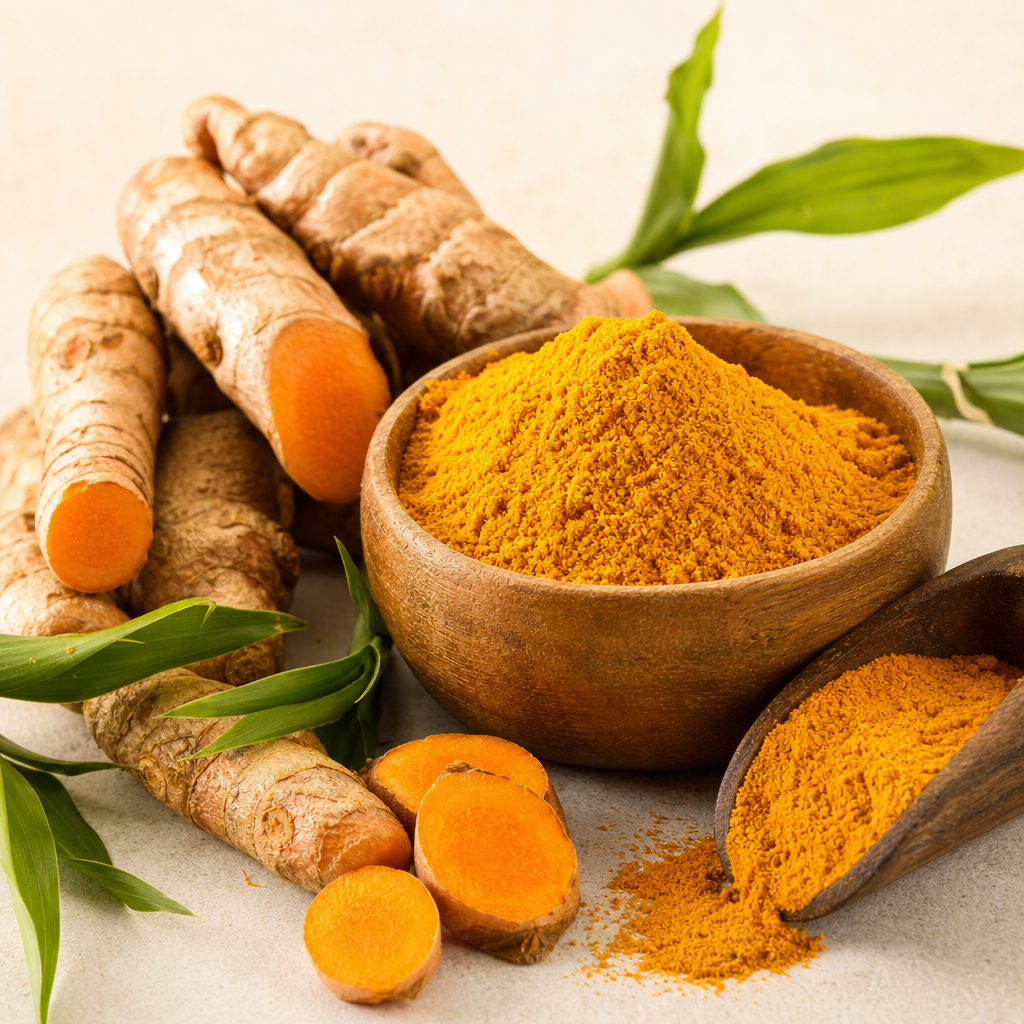
Turmeric is the bright yellow-orange rhizome (root) of Curcuma longa, a plant in the ginger family native to South Asia. As a culinary spice, it imparts color and a warm, slightly bitter flavor to many dishes, especially in Indian, Southeast Asian, and Middle Eastern cuisines. Beyond its culinary role, turmeric has been used traditionally in Ayurveda and other systems of medicine for a wide range of health purposes.
From a nutrition and supplement perspective, turmeric is a botanical herb and food-derived ingredient. Its most studied bioactive compounds are curcuminoids (primarily curcumin), along with essential oils such as turmerones. Turmeric is not an essential nutrient like vitamins or minerals; the body does not require it to function in the way it requires essential nutrients. However, standardized extracts and enhanced-bioavailability formulations of turmeric or curcumin are widely used as supplements because of their potential effects on inflammation, joint comfort, metabolic health, and overall wellness.
Benefits of Turmeric
-
Joint comfort and function (especially osteoarthritis)
(Moderate evidence)
Turmeric extracts standardized to curcuminoids have been studied in people with knee osteoarthritis, with several randomized controlled trials and meta-analyses reporting small-to-moderate improvements in pain and physical function compared with placebo. Some studies suggest effects comparable to low-dose NSAIDs, though study quality and formulations vary. Benefits typically appear after several weeks of consistent use and are more likely with standardized, higher-bioavailability products.
-
Support for healthy inflammatory responses
(Mixed evidence)
Curcumin influences multiple inflammatory pathways and may modestly reduce markers like C-reactive protein (CRP) and certain cytokines in some populations. However, results are inconsistent across studies, likely due to differences in dosing, bioavailability, health status, and study duration. While mechanistic data are strong, clinical findings are variable, so expectations should remain conservative.
-
Metabolic health (lipids, glycemia, and liver enzymes)
(Moderate evidence)
In people with metabolic syndrome, type 2 diabetes, or nonalcoholic fatty liver disease (NAFLD), curcuminoid supplementation has shown modest improvements in fasting glucose, triglycerides, HDL/LDL balance, and liver enzymes (ALT/AST) in several trials and meta-analyses. Effects are typically small and adjunctive to diet, physical activity, and medical therapy. Results depend on formulation, dose, and baseline metabolic risk.
-
Digestive comfort in functional complaints
(Limited evidence)
Preliminary trials suggest turmeric or curcumin may help reduce symptoms such as bloating or upper abdominal discomfort in functional dyspepsia or IBS-like presentations. Evidence is limited, sample sizes are small, and formulations differ, so more rigorous studies are needed. People with gallstones or bile duct obstruction should avoid supplemental doses due to potential stimulation of bile flow.
-
Exercise recovery and soreness
(Limited evidence)
Some small studies in athletes and active individuals report reductions in delayed-onset muscle soreness and markers of muscle damage when using curcumin around strenuous exercise. Findings are not universal, and benefits, when present, are usually modest. Enhanced-bioavailability forms seem more promising than plain powder.
-
Mood support (adjunctive)
(Mixed evidence)
Meta-analyses of small randomized trials suggest curcumin may have a modest adjunctive benefit on depressive symptoms, particularly in mild-to-moderate cases. Results vary by dose, formulation, and study quality, with some trials finding no effect. Curcumin should not replace evidence-based treatments; any use for mood support should be coordinated with a healthcare professional.
-
General antioxidant activity
(Preliminary evidence)
Turmeric’s polyphenols can influence oxidative stress pathways and increase antioxidant capacity in some studies. While laboratory and animal data are compelling, human outcomes linking antioxidant effects to clear clinical benefits remain preliminary.
Types or Forms Available
-
Turmeric root (fresh) and culinary powder (dried)
: Used in cooking, teas, and lattes. Provides a broad spectrum of turmeric constituents but relatively low amounts of curcuminoids by weight and limited bioavailability. Best for food-first approaches and gentle, long-term inclusion.
-
Standardized curcumin extracts (typically ~95% curcuminoids)
: Concentrated extracts designed to deliver defined amounts of curcumin and related curcuminoids. Greater potency than culinary powder but still limited absorption unless combined with an absorption enhancer or specialized delivery system.
-
Curcumin with piperine (black pepper extract)
: Piperine can substantially increase curcumin’s absorption. Effective for bioavailability, but piperine may also affect drug metabolism, increasing the risk of interactions in some users.
-
Phytosome/phospholipid complexes (e.g., curcumin-phosphatidylcholine)
: Curcumin bound to phospholipids improves absorption and may require lower doses to achieve similar blood levels. Dosing is not interchangeable with standard extracts because the curcuminoid content per capsule is typically lower but better absorbed.
-
Micellar, nanoparticle, or water-dispersible curcumin
: Formulations that increase dispersion and solubility to improve bioavailability. These products often demonstrate higher blood levels for a given dose, though clinical outcomes vary by brand and study.
-
Full-spectrum turmeric extracts (with essential oils)
: Include turmerones and other volatile compounds in addition to curcuminoids. Some users prefer a broader profile of native constituents; clinical data are less extensive than for curcuminoid-standardized extracts.
-
Combination products
: Turmeric paired with boswellia, ginger, collagen, or joint-support nutrients. May offer complementary mechanisms but make it harder to attribute benefits to a single ingredient.
How to Use Turmeric
Turmeric can be used as a food or a supplement. Because plain curcumin has poor bioavailability, many supplements utilize enhancers or specialized delivery systems. Choose products with clear labeling of curcuminoid content and formulation type.
-
Common dosage range:
For standardized curcumin, many studies use about 500–1,000 mg curcuminoids once or twice daily (total 500–1,500 mg/day). For phytosome or micellar forms, labeled doses are typically lower because of better absorption (for example, 250–500 mg of a phytosome complex once or twice daily, delivering a smaller amount of curcuminoids). Culinary turmeric powder is commonly used in the 1–3 grams per day range in food; supplemental doses of whole turmeric powder can reach higher amounts but may cause GI upset in some people. Avoid megadoses beyond typical study ranges without medical guidance.
-
Best timing:
Consistency matters more than exact timing. Some prefer splitting the dose morning and evening. When using for exercise recovery, limited evidence suggests taking it with meals in the day before and/or after strenuous sessions may be reasonable.
-
How to take it:
Take with food, ideally containing some fat, to aid absorption. If using a product with piperine or a specialized delivery system, follow label directions. If sensitive to spice, start low and increase slowly.
-
Consistency:
Most benefits, particularly for joint comfort and metabolic markers, require daily or near-daily use for several weeks. Reassess after 8–12 weeks to judge response.
Food Sources and Supplement Options
Turmeric is a botanical and a common culinary spice. It is naturally derived from the rhizome of Curcuma longa and can be consumed as fresh root or dried powder. Many people also use supplements to achieve standardized and reliably absorbed curcuminoid doses.
-
Fresh turmeric root (peeled, grated, or sliced in cooking)
-
Dried turmeric powder used in curries, rubs, soups, and rice dishes
-
Culinary preparations such as “golden milk” or turmeric tea
-
Curry powder blends that typically include turmeric
Whole foods provide a broad range of plant compounds and can be integrated easily into meals. Supplements make sense when a targeted, consistent dose of curcuminoids is desired (for example, in joint support protocols) or when enhanced-bioavailability formulations are preferred. Choose reputable brands that verify curcuminoid content and screen for contaminants such as heavy metals and adulterants.
Who May Benefit from Turmeric?
-
Adults with knee or hand osteoarthritis seeking non-NSAID options for modest pain and function support
-
People with metabolic risk factors (elevated triglycerides, impaired fasting glucose, NAFLD) who are already addressing diet, activity, and medical care
-
Active individuals or athletes aiming for small improvements in post-exercise soreness or recovery
-
Adults interested in supporting a balanced inflammatory response as part of a broader lifestyle approach
-
Individuals who enjoy incorporating anti-inflammatory spices into cooking and want a food-first strategy
-
People exploring adjunctive mood support under professional guidance
Side Effects and Considerations
-
Gastrointestinal effects:
High amounts can cause nausea, stomach upset, reflux, or loose stools. Start with lower doses and take with food.
-
Gallbladder and bile duct issues:
Turmeric may stimulate bile flow. Avoid supplemental doses if you have gallstones, biliary obstruction, or active gallbladder disease unless cleared by a clinician.
-
Liver safety:
Rare cases of liver injury have been reported with turmeric/curcumin supplements, sometimes involving formulations with bioavailability enhancers. Stop use and seek care if you develop jaundice, dark urine, severe fatigue, or right upper abdominal pain.
-
Kidney stones and oxalates:
Turmeric powder contains oxalates, which can contribute to kidney stone formation in susceptible individuals. Limit high intakes if you have a history of calcium oxalate stones.
-
Bleeding risk and surgery:
Curcumin may have antiplatelet effects. Use caution with anticoagulants or antiplatelet medications, and consider stopping supplements 1–2 weeks before surgery after discussing with your healthcare team.
-
Drug interactions:
Piperine-containing products can increase absorption of certain drugs by affecting metabolizing enzymes and transporters. Curcumin itself may interact with CYP enzymes and P-glycoprotein in vitro. If you take prescription medications (e.g., warfarin, clopidogrel, DOACs, antidiabetic drugs, some chemotherapies), consult your prescriber.
-
Blood sugar and blood pressure:
Curcumin may modestly lower glucose and, less commonly, blood pressure. Monitor if you use medications for these conditions.
-
Allergies and sensitivities:
Rare allergic reactions can occur. Those sensitive to ginger family plants should exercise caution.
-
Pregnancy, breastfeeding, and children:
Culinary amounts are generally considered acceptable; high-dose supplements lack robust safety data. If you are pregnant, breastfeeding, giving to a child, taking medications, or managing a medical condition, consult a qualified healthcare professional before use.
-
Quality concerns:
Choose products that provide third-party testing and specify curcuminoid content and formulation. Avoid products with undisclosed proprietary blends or unusually high claims of potency without documentation.
Common Myths About Turmeric
-
“Turmeric cures serious diseases like cancer.”
Turmeric and curcumin show promising mechanisms in lab and animal studies, but human evidence does not support using turmeric as a cure. Clinical trials are limited and typically explore adjunctive or preventive roles with cautious conclusions. Standard medical care should not be replaced by turmeric.
-
“More turmeric is always better.”
Higher doses do not guarantee better results and may increase side effects such as GI upset or interact with medications. Many studies observe benefits within moderate, standardized ranges, especially with enhanced-bioavailability formulations. Start low, follow labels, and avoid megadoses.
-
“Black pepper is mandatory for turmeric to work.”
Piperine can increase curcumin absorption, but it also raises the risk of drug interactions for some individuals. Alternative formulations (phytosomes, micellar, nanoparticle) can also improve bioavailability without piperine. Culinary use without black pepper can still be part of a healthful diet.
-
“Turmeric and curcumin are the same thing.”
Turmeric is the whole root/spice containing many compounds. Curcumin is one major curcuminoid within turmeric. Supplements may provide whole turmeric, isolated curcuminoids, or specialized complexes; these are not interchangeable in dose or effect.
Conclusion
Turmeric is a culinary spice and botanical supplement with potential benefits for joint comfort, balanced inflammatory responses, and certain metabolic health markers. Evidence is strongest for osteoarthritis symptom support and modest improvements in some metabolic parameters, while other areas such as digestive comfort, exercise recovery, and mood are promising but less consistent. Because bioavailability varies widely, product quality and formulation matter. A food-first approach—regularly cooking with turmeric—can provide broad plant compounds with a low risk profile, while supplements may be useful for those seeking targeted, standardized doses.
As with any supplement, consider personal health status, medications, and goals. Individuals who are pregnant or breastfeeding, people with gallbladder disease, those at bleeding risk, and anyone taking prescription drugs should consult a healthcare professional before using turmeric supplements. Choose reputable products, start with conservative doses, and reassess after several weeks to determine whether turmeric meaningfully supports your specific health objectives.