What is Vitamin C?
Vitamin C (ascorbic acid) is an essential, water-soluble vitamin that humans must obtain from diet or supplements because we cannot synthesize it on our own. It naturally occurs in many fruits and vegetables and is widely available as a dietary supplement. As an essential nutrient, vitamin C plays fundamental roles in human physiology, including enzymatic reactions needed for collagen production, antioxidant protection, immune system support, and the maintenance of skin, blood vessels, bones, and cartilage.
In the body, vitamin C functions as a potent reducing agent (antioxidant), helping recycle other antioxidants and protect cells from oxidative stress generated by normal metabolism, exercise, and environmental exposures. It also enhances the absorption of non-heme iron from plant foods and supports the normal function of leukocytes and epithelial barriers. Because it is water-soluble and not stored extensively in the body, consistent intake from foods or supplements is important to maintain adequate levels.
Benefits of Vitamin C
-
Supports collagen synthesis and connective tissue health
(Strong evidence)
Vitamin C is a required cofactor for enzymes that stabilize and cross-link collagen, the main structural protein in skin, tendons, ligaments, and blood vessels. Adequate intake helps maintain healthy gums, skin integrity, and wound healing capacity. Severe deficiency leads to scurvy, which demonstrates how central vitamin C is to connective tissue maintenance. Supplementation is most impactful when dietary intake is inadequate or needs are increased (e.g., healing after injury or surgery under medical guidance).
-
Enhances non-heme iron absorption
(Strong evidence)
Ascorbic acid improves the intestinal absorption of iron from plant sources by reducing ferric iron (Fe3+) to the more absorbable ferrous form (Fe2+) and forming soluble complexes. Taking vitamin C with iron-rich plant foods or iron supplements can meaningfully increase iron status, especially for people with low iron intake, vegetarians/vegans, or those with marginal iron levels.
-
Antioxidant protection and redox balance
(Moderate evidence)
Vitamin C neutralizes reactive oxygen species and helps regenerate other antioxidants such as vitamin E, supporting the body’s defense against oxidative stress. Clinical studies show improvements in some oxidative stress biomarkers, particularly in individuals with low baseline vitamin C status or higher oxidative burden (e.g., smoking, certain chronic conditions). However, translating these biomarker changes into consistent long-term clinical outcomes is less clear.
-
Immune support and common cold duration
(Mixed evidence)
Regular vitamin C intake does not consistently reduce the number of colds in the general population, but it may slightly reduce cold duration and symptom severity when taken daily at adequate doses. People under severe physical stress or exposed to cold environments (e.g., endurance athletes, military personnel in subarctic conditions) may experience fewer colds with preventive supplementation. Starting vitamin C only after symptoms begin shows smaller and less consistent benefits.
-
Skin appearance and wound healing
(Moderate evidence)
Because of its role in collagen formation and as an antioxidant, vitamin C contributes to normal skin structure and defense against environmental stressors. Supplementation or improved dietary intake can support wound healing in people with poor or marginal vitamin C status. For those already replete, additional vitamin C beyond recommended intakes has less predictable impact on skin appearance.
-
Exercise recovery and soreness
(Limited evidence)
Some trials suggest vitamin C might reduce markers of exercise-induced oxidative stress or modestly influence perceived soreness. However, high-dose antioxidant use around training may blunt certain training adaptations, particularly in endurance and mitochondrial biogenesis pathways. Athletes should avoid routine high-dose vitamin C around workouts unless addressing a deficiency or under professional guidance.
-
Eye health (cataract and macular health)
(Mixed evidence)
Observational data link higher dietary vitamin C intake with lower risk of some age-related eye conditions, and multi-nutrient formulations including vitamin C can slow progression in specific populations. Isolated vitamin C supplementation alone has not consistently shown protective effects. Benefits likely depend on overall diet quality and combined antioxidant and carotenoid intake.
Deficiency or Low Levels of Vitamin C
-
Common signs of low levels:
Fatigue, irritability, poor wound healing, easy bruising, bleeding or swollen gums, tooth loss, joint pain, dry or rough skin, corkscrew-shaped hairs, and, in severe cases, scurvy with anemia and petechiae. Mild insufficiency may present more subtly with low energy and frequent minor infections.
-
Who may be at risk:
People with very low fruit and vegetable intake; older adults with limited diets; individuals with alcohol or substance use disorders; smokers or those with high exposure to secondhand smoke (due to higher oxidative stress and turnover); people with malabsorption, inflammatory bowel disease, celiac disease, or after bariatric/intestinal surgery; those on dialysis; and infants fed evaporated/boiled milk without adequate vitamin C.
-
How it is checked:
Plasma or serum ascorbate measurement reflects recent intake and status; leukocyte ascorbate can reflect tissues more closely but is less commonly used. Diet history (intake of fruits/vegetables) and clinical signs also inform assessment. A healthcare professional can determine need for testing and appropriate repletion plans.
Types or Forms Available
-
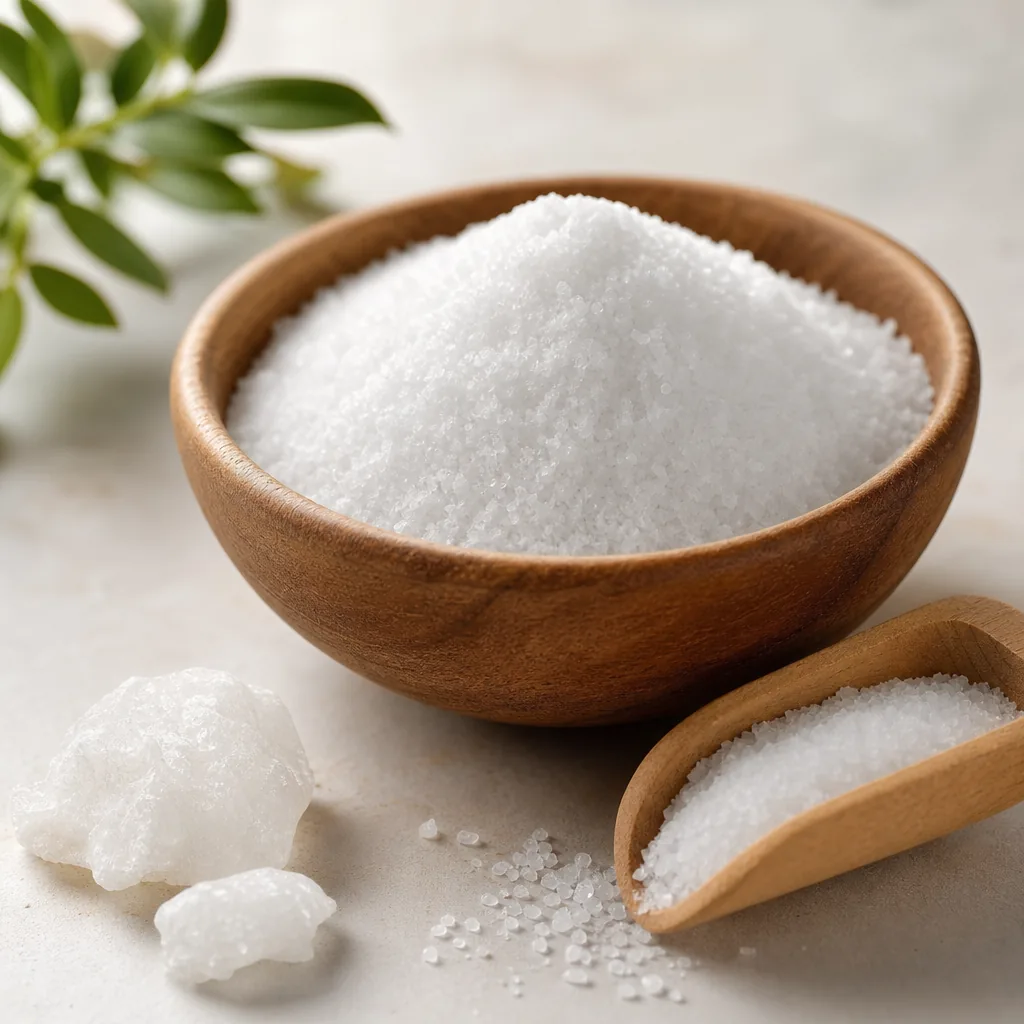
Ascorbic acid (standard form):
The most common and well-studied form; highly bioavailable. Its acidity can bother sensitive stomachs at higher doses, but for most people it is well tolerated.
-
Buffered mineral ascorbates (e.g., sodium ascorbate, calcium ascorbate):
Less acidic and sometimes better tolerated. They deliver the same active vitamin C (ascorbate) along with small amounts of the mineral. Not inherently more effective than ascorbic acid for most uses.
-
“Ester-C” (calcium ascorbate with metabolites):
A branded form that includes calcium ascorbate and vitamin C metabolites. Marketing claims suggest gentler absorption or better retention, but independent studies have not conclusively shown superior benefits over standard forms.
-
Liposomal vitamin C:
Vitamin C encapsulated in phospholipids, marketed for enhanced absorption. Some preliminary data suggest higher blood levels compared with standard tablets, but evidence remains limited, and real-world advantages for most users are uncertain.
-
Ascorbyl palmitate:
A fat-soluble derivative often used in cosmetics and some supplements. When ingested, it ultimately provides ascorbate, but it has not proven superior to standard vitamin C for general health outcomes.
-
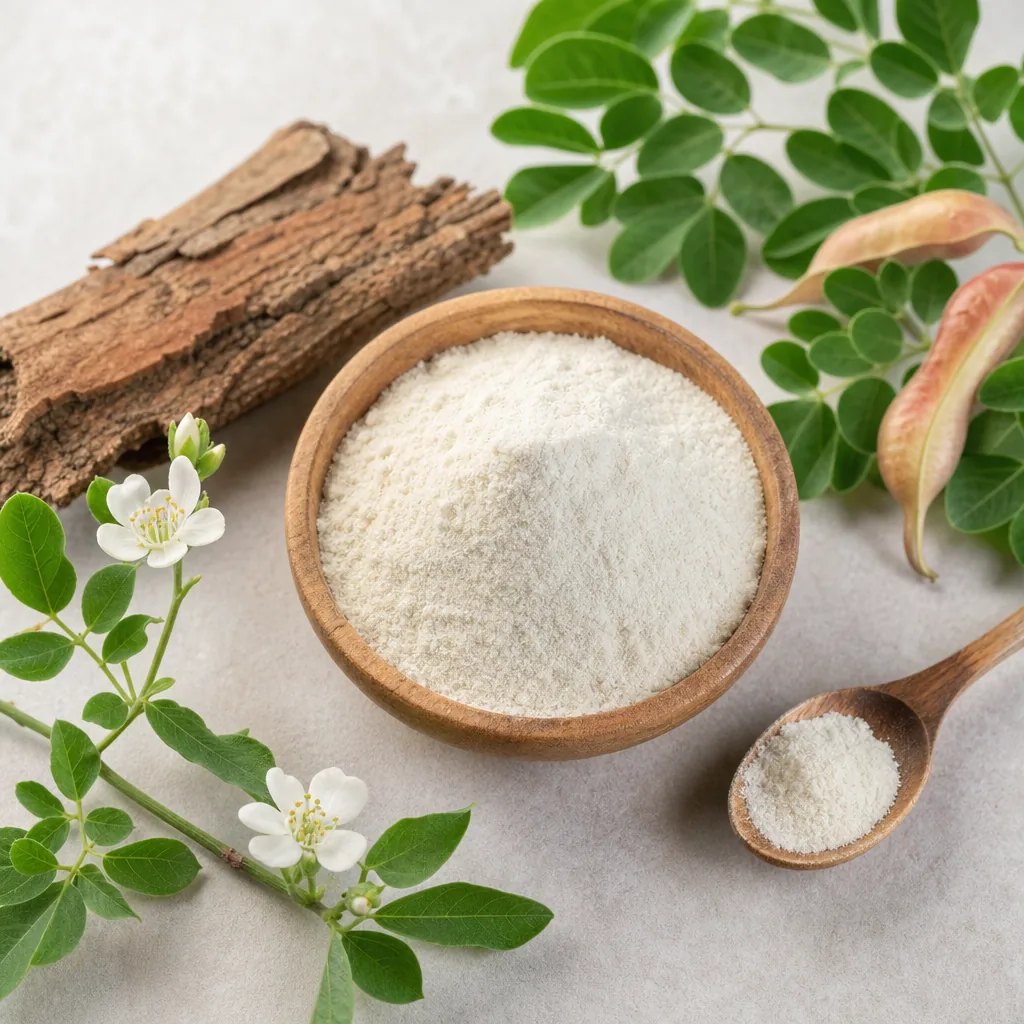
Food-based powders and concentrates (e.g., acerola, camu camu, rose hips):
Naturally rich in vitamin C and may include additional phytonutrients. These provide ascorbic acid plus plant compounds, though clear advantages over synthetic ascorbic acid for most endpoints are not firmly established.
-
Slow-release or timed-release tablets:
Designed to reduce gastrointestinal discomfort for some users. They may maintain steadier blood levels, but clinical advantages are modest for most people meeting daily needs.
-
Intravenous (IV) vitamin C:
A medical therapy reserved for specific clinical settings and always under healthcare supervision. Not intended for routine wellness use.
How to Use Vitamin C
Most people can meet vitamin C needs by eating a variety of fruits and vegetables daily. Supplements are helpful for those with low intake, increased needs, or specific goals like enhancing iron absorption. Because vitamin C absorption saturates and excess is excreted, moderate, consistent intakes work well for most people.
-
Common dosage range:
Typical supplemental amounts are 100–500 mg per day, often in one or two divided doses. Daily requirements are about 90 mg for most adult men and 75 mg for most adult women, with an additional 35 mg/day advised for smokers. The tolerable upper intake level (UL) for adults is 2,000 mg/day; higher doses increase the risk of gastrointestinal upset and are generally unnecessary for routine use.
-
Best timing:
Timing is flexible. If using vitamin C to support non-heme iron absorption, take it with iron supplements or plant-based meals. Athletes aiming for training adaptations should avoid high-dose vitamin C immediately before or after key workouts.
-
How to take it:
Swallow with water. Those sensitive to acidity may prefer buffered forms or take vitamin C with meals. Powdered and chewable forms are options; note sugar content in gummies or chewables.
-
Consistency:
Because vitamin C is water-soluble and not well stored, daily intake through food and/or modest supplementation supports steady status. Short-term higher dosing is sometimes used during periods of increased need under guidance, but mega-doses are not recommended.
Food Sources and Supplement Options
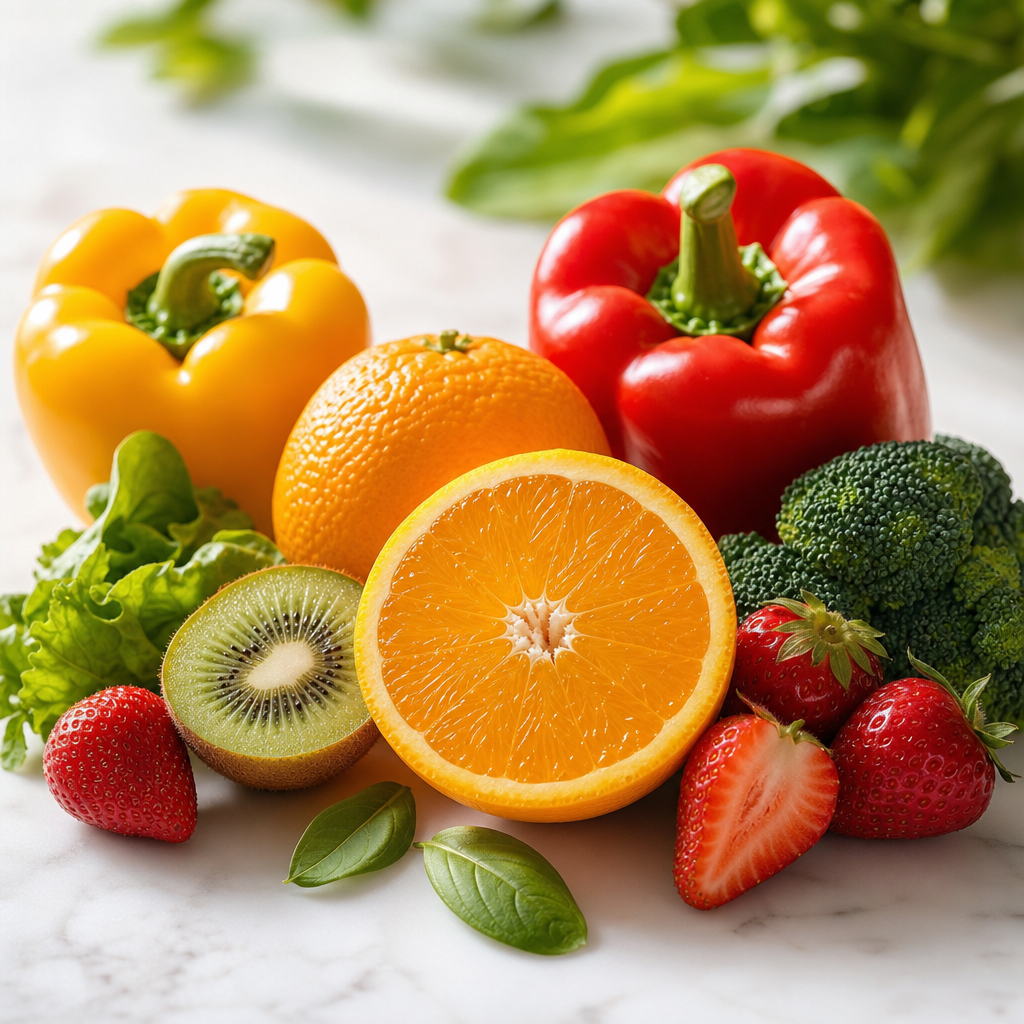
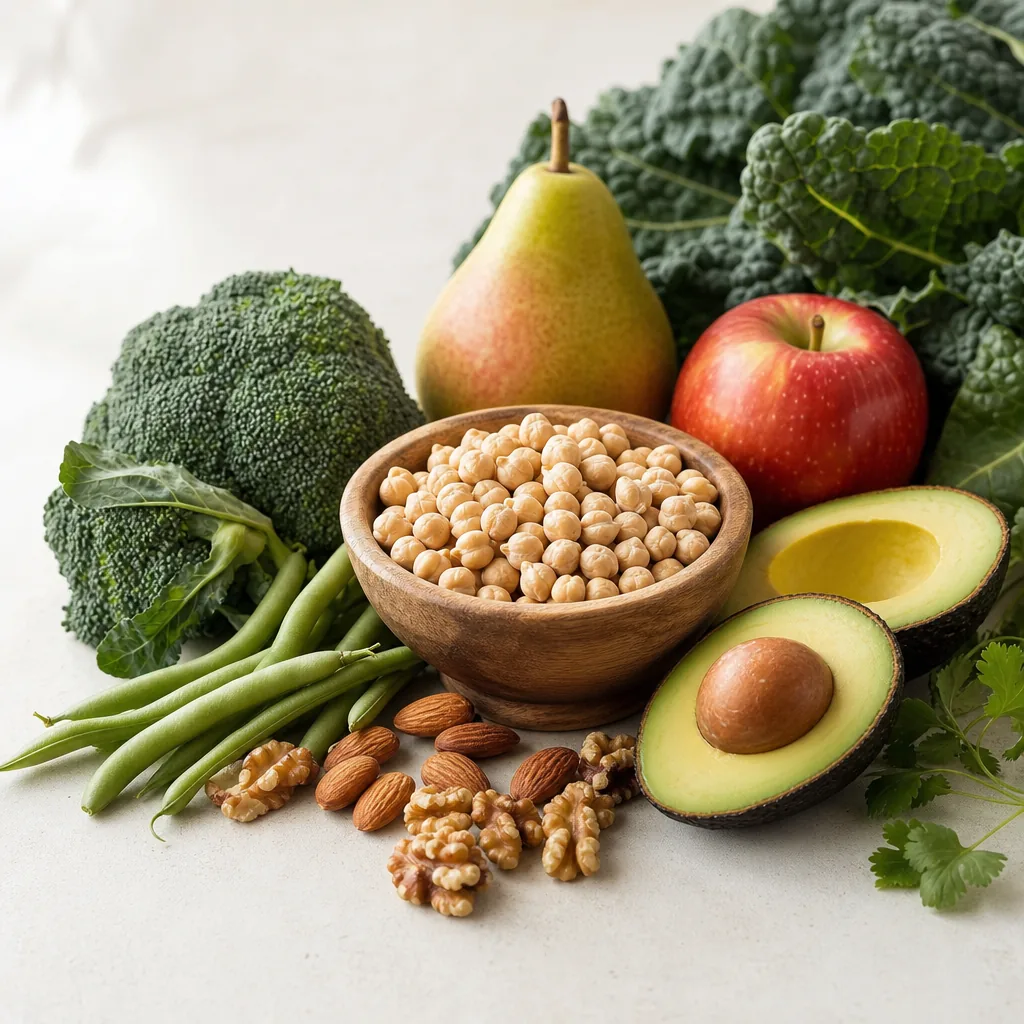
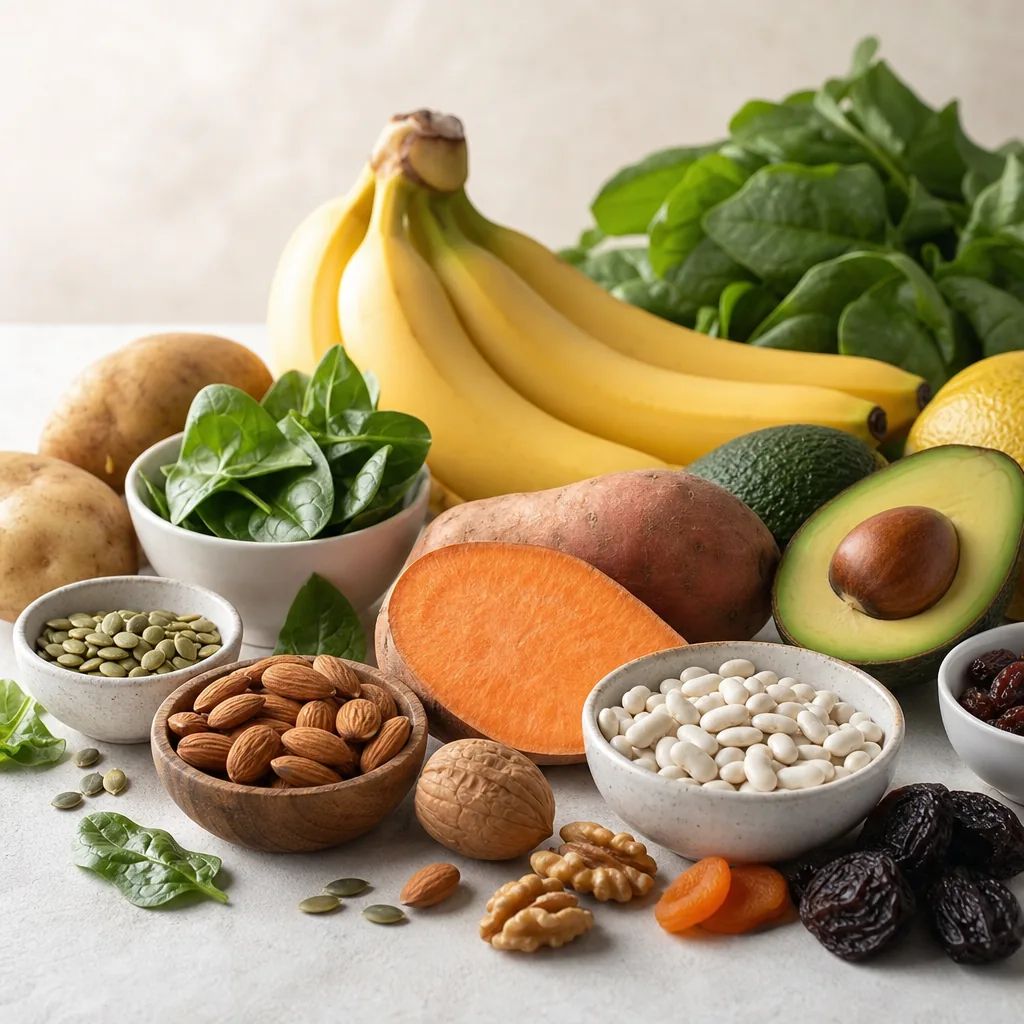
Vitamin C is abundant in foods, especially fruits and vegetables, and it is also available as a supplement. Whole-food sources offer additional nutrients like fiber and polyphenols, while supplements provide targeted dosing when diet is insufficient or needs are elevated.
-
Citrus fruits (oranges, grapefruit, mandarins), orange juice
-
Strawberries, kiwi, guava, papaya, pineapple
-
Bell peppers (red/yellow/green), broccoli, Brussels sprouts, kale
-
Tomatoes and tomato products
-
White and sweet potatoes
-
Cruciferous vegetables and leafy greens more broadly
Lightly cooking or steaming preserves more vitamin C than prolonged boiling, and cutting produce close to mealtime helps limit losses. Supplements may make sense for people who eat few fruits and vegetables, follow restrictive diets, smoke, have malabsorption, or need support for iron absorption. Aim for a food-first pattern, and use supplements to fill genuine gaps or for specific purposes.
Who May Benefit from Vitamin C?
-
People with low fruit and vegetable intake or limited access to fresh produce
-
Smokers and those with high exposure to secondhand smoke or air pollution
-
Individuals with malabsorption (e.g., inflammatory bowel disease, celiac disease) or after bariatric/intestinal surgery
-
People taking non-heme iron or following vegetarian/vegan diets who want to enhance iron absorption
-
Older adults with limited diets or increased oxidative stress
-
Athletes training intensely or in cold environments, while avoiding high-dose use around key sessions
-
Individuals recovering from wounds or surgery, under medical guidance
-
People on dialysis or with conditions that increase vitamin C losses (with clinician oversight)
-
Pregnant or breastfeeding individuals with increased needs, after consulting a healthcare professional
Side Effects and Considerations
-
Gastrointestinal upset at high doses:
Intakes above the UL (2,000 mg/day for adults) can cause diarrhea, nausea, abdominal cramps, and bloating. Split doses and moderate amounts improve tolerability.
-
Kidney stone risk:
High supplemental intakes have been associated with an increased risk of calcium oxalate stones in susceptible individuals, particularly some men. Those with a history of stones or chronic kidney disease should discuss dosing with a clinician.
-
Iron overload disorders:
People with hemochromatosis, thalassemia, sideroblastic anemia, or other iron-loading conditions should avoid high-dose vitamin C, which can increase iron absorption and oxidative iron activity. Medical supervision is advised.
-
Medication and lab interactions:
Vitamin C can increase aluminum absorption from aluminum-containing antacids; separate dosing. Very high doses (especially IV) may interfere with certain lab tests, including point-of-care glucose readings. Some chemotherapies and radiation protocols caution against high-dose antioxidants; follow oncology guidance.
-
Renal considerations:
Individuals with impaired kidney function should avoid high doses and seek medical guidance, particularly with concurrent electrolyte or mineral disturbances.
-
Pregnancy, breastfeeding, and children:
Meeting needs from foods is preferred; supplements within age-appropriate RDAs are generally considered. Do not exceed age-specific ULs (lower than adult ULs for children). Consult a healthcare professional before starting supplements during pregnancy or lactation.
-
Surgery and medical procedures:
Inform your surgical team about all supplements. Avoid initiating high-dose vitamin C shortly before procedures unless advised by your clinician.
-
Quality and formulation:
Choose third-party tested products to ensure potency and purity. Be mindful that chewables and gummies may contain sugars or acids that can affect dental enamel; rinse or brush after use.
-
Allergies and sensitivities:
Though rare, some individuals may react to excipients or flavorings in certain formulations. Buffered forms may be easier on sensitive stomachs.
-
General medical advice:
Anyone who is pregnant, breastfeeding, taking medications, or managing a medical condition should consult a healthcare professional before using vitamin C supplements.
Common Myths About Vitamin C
-
“Vitamin C prevents all colds.”
While regular vitamin C may slightly shorten cold duration and reduce severity, it does not reliably prevent colds in the general population. The exception is in people under heavy physical stress or extreme environments, where preventive use may reduce incidence.
-
“Natural vitamin C is superior to synthetic vitamin C.”
Ascorbic acid is chemically identical whether derived from foods or synthesized. Whole foods bring additional nutrients and fiber, but synthetic and food-derived ascorbic acid perform the same core biological functions. Added bioflavonoids in some products have not consistently shown superior outcomes.
-
“More is always better.”
Vitamin C absorption saturates, and excess is excreted. Very high doses can cause gastrointestinal distress and may increase kidney stone risk in susceptible individuals. Moderate, consistent intake is typically sufficient.
-
“Megadoses cure cancer and serious infections.”
High-dose IV vitamin C is being studied in specific clinical contexts but is not a proven cure and should only be considered under medical supervision. Routine mega-dosing has not shown consistent benefits and may pose risks.
Conclusion
Vitamin C is an essential nutrient central to collagen formation, antioxidant defense, immune function, and iron absorption. For most people, a varied diet rich in fruits and vegetables easily covers daily needs. Supplements can be helpful for individuals with low intake, increased requirements, or specific goals such as optimizing non-heme iron absorption or supporting recovery when status is marginal.
Use food first when possible, and choose supplements thoughtfully for targeted purposes at moderate doses. People who are pregnant or breastfeeding, taking medications, or living with medical conditions should consult a healthcare professional before supplementing. Quality matters—select third-party tested products and avoid megadoses. With consistent, reasonable intake, vitamin C can be a simple and effective part of overall nutrition and wellness.