What is Vitamin E?
Vitamin E is a family of fat-soluble compounds best known for their antioxidant role in the body. It includes eight naturally occurring molecules: four tocopherols (alpha, beta, gamma, delta) and four tocotrienols. In human nutrition, alpha-tocopherol is the primary form that meets vitamin E requirements and is used to set dietary recommendations. As an essential nutrient, vitamin E must be obtained from food or supplements because the body cannot produce it.
In the body, vitamin E is incorporated into cell membranes and lipoproteins, where it helps protect polyunsaturated fatty acids from oxidative damage. This protection is important for the integrity of red blood cells, immune cells, and nervous tissue. Vitamin E also interacts with other antioxidants, such as vitamin C and glutathione, to help maintain a balanced redox environment. Vitamin E can be consumed through foods like nuts, seeds, and vegetable oils, and is also widely available as a dietary supplement in various forms.
Benefits of Vitamin E
-
Antioxidant protection of cell membranes
(Strong evidence)
Vitamin E helps interrupt lipid peroxidation in cell membranes and lipoproteins, protecting cells from oxidative stress. Adequate intake reduces biomarkers of oxidative damage (for example, lipid peroxides and isoprostanes) and supports the stability of red blood cells and neuronal membranes. This fundamental role is well established biochemically and physiologically.
-
Supports immune function, especially in older adults with low intake
(Moderate evidence)
Vitamin E contributes to normal immune responses, including T-cell function and antibody production. Trials in older adults with low baseline status show that supplementation can modestly enhance certain immune markers and may reduce the incidence or duration of some respiratory infections. Benefits appear most likely when correcting inadequate intake rather than from high-dose use.
-
Eye health as part of combined antioxidant formulas
(Moderate evidence)
Vitamin E (often 400 IU) is included in clinically tested formulations for people at high risk of advanced age-related macular degeneration (AMD), alongside vitamin C, zinc, copper, and carotenoids. These combination formulas have been shown to slow AMD progression in high-risk groups, though vitamin E alone has not shown the same effect. People should follow product-specific guidance and eye-care professional advice.
-
Adjunct in specific liver conditions (nonalcoholic steatohepatitis, NASH)
(Moderate evidence)
In non-diabetic adults with biopsy-confirmed NASH, high-dose alpha-tocopherol (commonly 800 IU/day) has improved liver histology in clinical trials. This use carries potential risks and should only be considered under medical supervision after a thorough discussion of benefits and safety.
-
Cardiovascular marker support (not proven to reduce events)
(Mixed evidence)
Vitamin E can reduce the susceptibility of LDL to oxidation and may influence certain inflammatory or endothelial markers. However, large randomized trials of vitamin E supplements have generally not shown reductions in heart attacks, strokes, or overall mortality. Adequate dietary intake remains prudent, while high-dose supplementation solely for heart disease prevention is not supported.
-
Skin barrier and photoprotection (topical or combined approaches)
(Limited evidence)
Topical vitamin E and oral combinations with vitamin C have shown protective effects against UV-induced damage in some studies and may support skin barrier function. Evidence for oral vitamin E alone on visible skin outcomes is limited, and responses vary. Some people may experience skin irritation from topical products.
-
Neuromuscular function and nerve health (prevention of deficiency-related problems)
(Strong evidence)
Adequate vitamin E is essential for normal nerve conduction and muscle function. Severe deficiency leads to peripheral neuropathy, ataxia, and muscle weakness. Correcting deficiency reliably improves biochemical markers and can stabilize or improve symptoms in deficiency states.
Deficiency or Low Levels of Vitamin E
-
Common signs of low levels:
Early signs may be subtle but can include impaired immune responses. With more severe or prolonged deficiency, symptoms can include peripheral neuropathy (numbness, tingling), ataxia (poor coordination), muscle weakness or cramps, vision changes, and, in infants, hemolytic anemia or retinopathy.
-
Who may be at risk:
People with fat-malabsorption conditions (cystic fibrosis, cholestatic liver disease, pancreatic insufficiency), genetic disorders affecting lipoprotein transport (such as abetalipoproteinemia), very preterm infants, individuals on long-term parenteral nutrition without adequate vitamin E, those on very low-fat diets, and some post–bariatric surgery patients.
-
How it is checked:
Healthcare professionals typically measure plasma or serum alpha-tocopherol. Because vitamin E circulates with lipids, a ratio to total lipids or cholesterol may be used to improve interpretation. Clinical evaluation also considers signs, symptoms, and underlying conditions that affect absorption or transport.
Types or Forms Available
-
Alpha-tocopherol (natural vs. synthetic):
Natural vitamin E is often listed as d-alpha-tocopherol or RRR-alpha-tocopherol; synthetic forms appear as dl-alpha-tocopherol or all-rac-alpha-tocopherol. Natural alpha-tocopherol has greater biological activity per milligram. Conversion guide: 1 IU natural alpha-tocopherol ≈ 0.67 mg alpha-tocopherol; 1 IU synthetic alpha-tocopherol ≈ 0.45 mg alpha-tocopherol.
-
Esterified forms (alpha-tocopheryl acetate or succinate):
These are more stable for supplements and fortified foods. In the body, they are de-esterified to free alpha-tocopherol and have similar activity when absorbed.
-
Mixed tocopherols:
Products containing alpha-, beta-, gamma-, and delta-tocopherols aim to reflect dietary diversity. Only alpha-tocopherol counts toward the vitamin E requirement, but mixed formulas may provide a broader tocopherol profile. High-dose alpha-tocopherol can reduce circulating gamma-tocopherol levels.
-
Tocotrienols:
These forms differ structurally from tocopherols and are under investigation for additional properties. Tocotrienols are not used to set the vitamin E requirement, and evidence for specific health outcomes is still emerging.
-
Topical vitamin E:
Available in creams, serums, and oils (often as tocopheryl acetate). Used for cosmetic and barrier-support purposes; effects vary by formulation and individual sensitivity.
-
Water-dispersible or oil-based softgels:
Because vitamin E is fat-soluble, oil-based softgels are common. Some products use emulsified or water-miscible forms to aid absorption, especially in clinical settings.
How to Use Vitamin E
Most healthy adults can meet their vitamin E needs through food. When supplements are used, choose evidence-based doses and avoid unnecessary high intakes.
-
Common dosage range:
The recommended intake for adults is 15 mg/day of alpha-tocopherol. Typical supplement doses to fill gaps are 15–67 mg/day (about 22–100 IU). Many products offer 100–400 IU (67–268 mg); higher doses increase the risk of side effects and are generally not advised unless a clinician recommends them for a specific medical reason.
-
Best timing:
Take with a meal that contains fat to enhance absorption. Timing within the day is less important than taking it with food.
-
How to take it:
Swallow capsules with water alongside a mixed meal (including some healthy fats such as olive oil, nuts, or avocado). If using a multivitamin, consider the total vitamin E content from all sources.
-
Consistency:
Daily intake is ideal for meeting requirements. For targeted medical uses (for example, NASH), follow the dosing schedule provided by a healthcare professional and reassess periodically.
Food Sources and Supplement Options
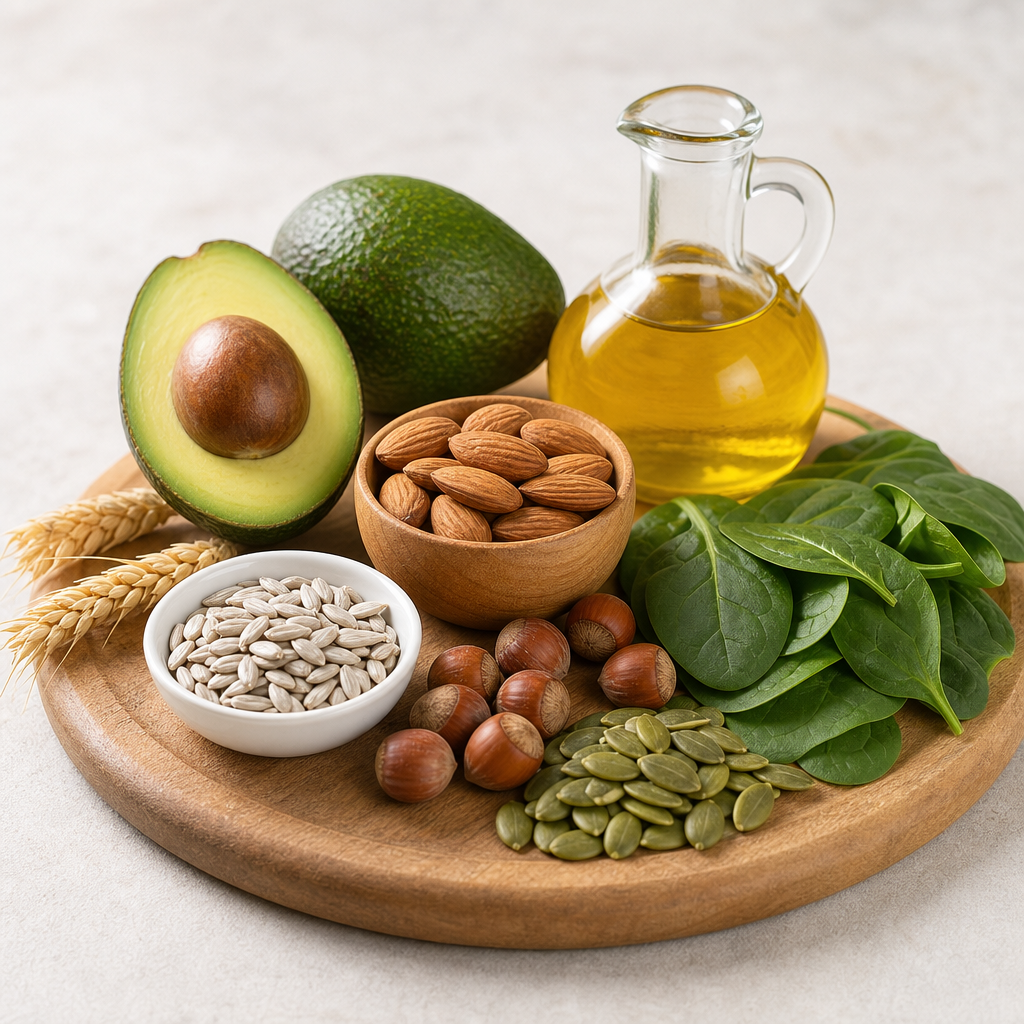
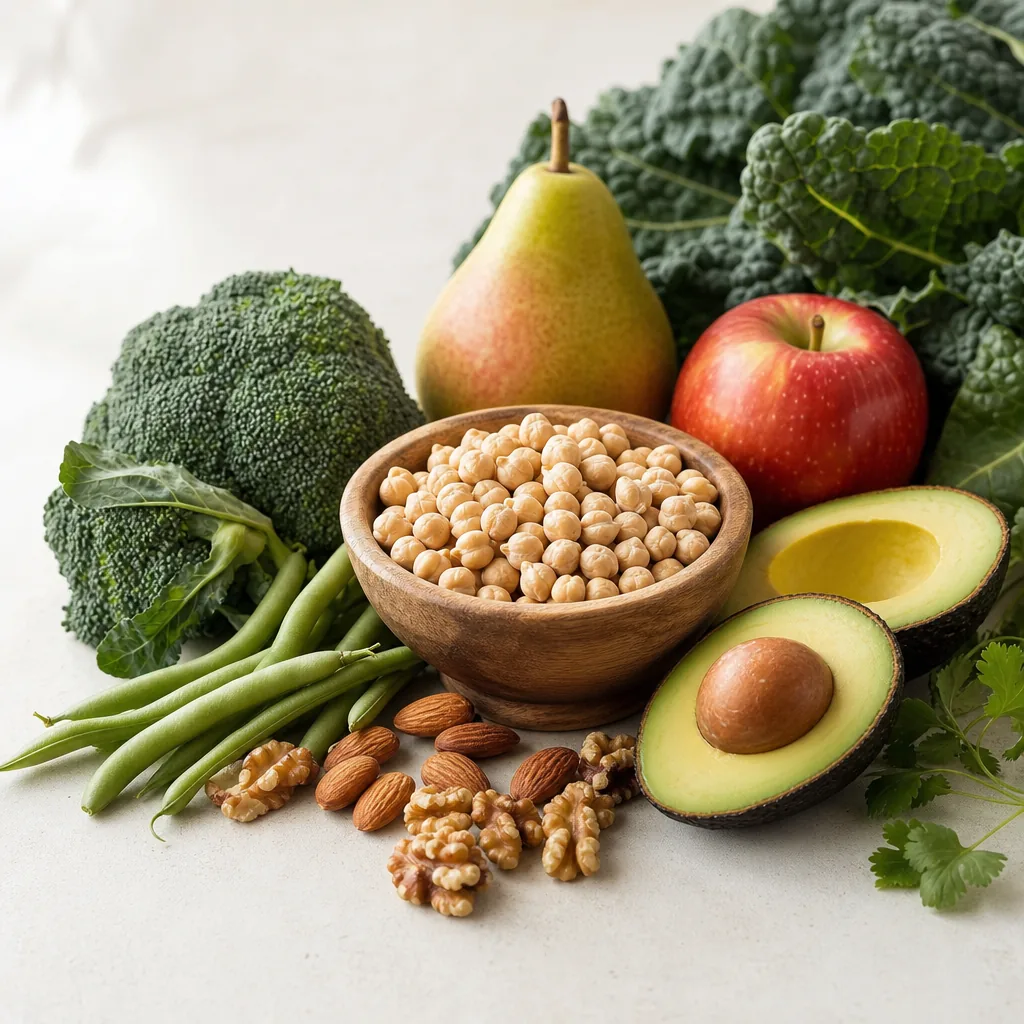
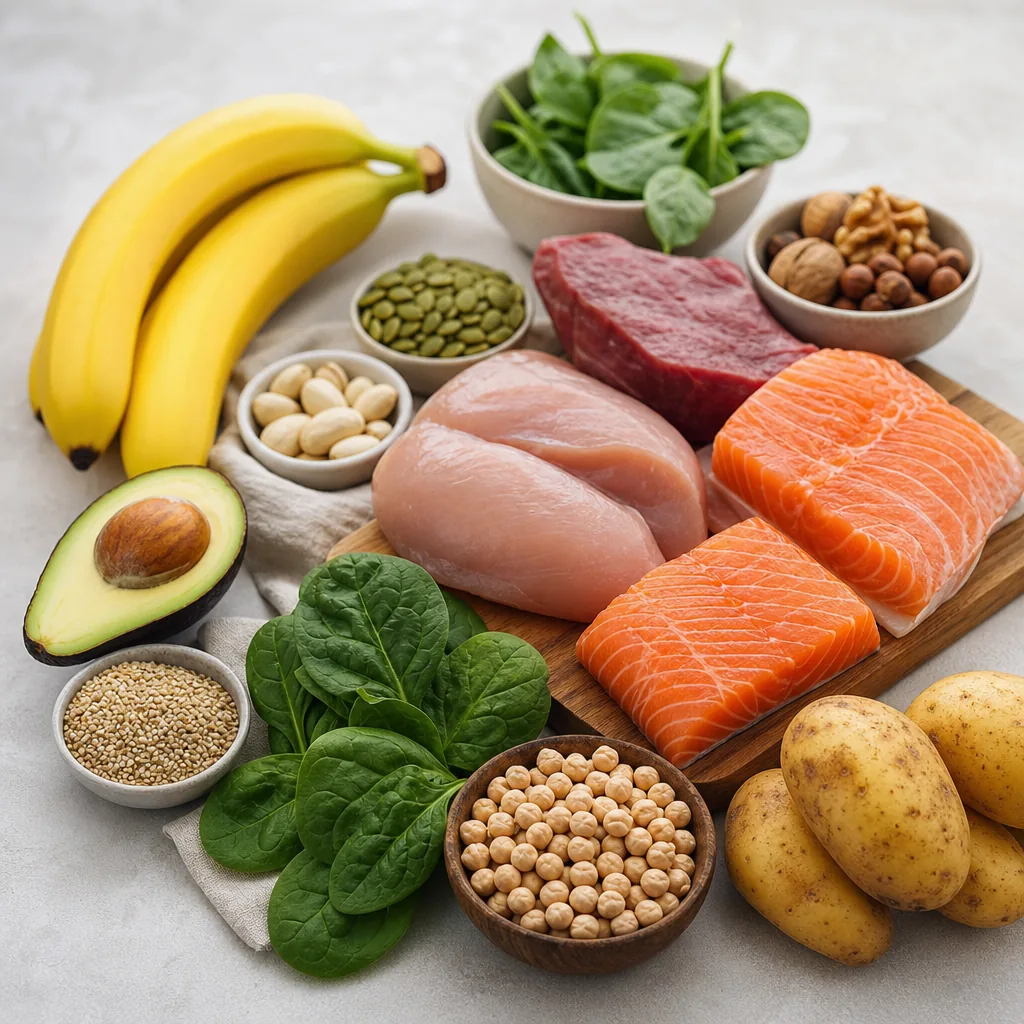
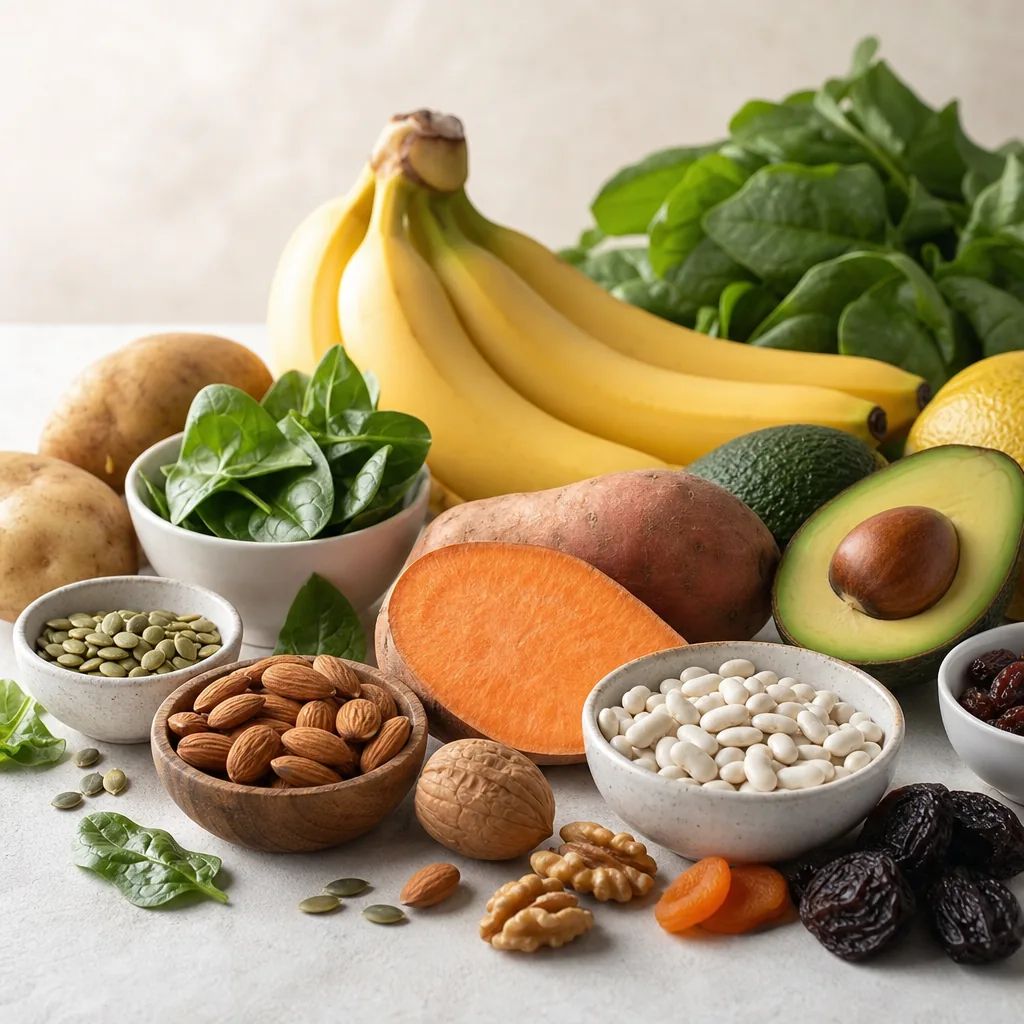
Vitamin E is naturally abundant in foods, especially nuts, seeds, and plant oils. Whole foods provide a matrix of additional nutrients and phytochemicals that work together to support health. Supplements can be helpful when dietary intake is low, when medical conditions impair fat absorption, or when a clinician advises targeted dosing.
-
Wheat germ oil, sunflower oil, safflower oil, and olive oil (use for dressings to preserve vitamin E content)
-
Almonds, hazelnuts, peanuts, and peanut butter
-
Sunflower seeds and other seeds
-
Avocado
-
Spinach, Swiss chard, and other leafy greens
-
Fortified cereals and plant-based milk alternatives (check labels)
Dietary patterns rich in nuts, seeds, and plant oils typically provide adequate vitamin E. Supplements may make sense for individuals with low intake, specific medical conditions influencing absorption, or when clinically indicated. Remember that whole foods contribute fiber, minerals, and other antioxidants, while supplements allow for more precise dosing when needed.
Who May Benefit from Vitamin E?
-
People with low dietary intake of nuts, seeds, and plant oils who struggle to meet the daily requirement
-
Individuals with fat-malabsorption disorders (for example, cystic fibrosis, cholestatic liver disease, pancreatic insufficiency) under medical guidance
-
Adults receiving long-term parenteral nutrition or those who have had bariatric surgery, as advised by their care team
-
Older adults with suboptimal intake who are at risk for immune function decline
-
Non-diabetic adults with biopsy-proven NASH, only under clinician supervision
-
Very preterm infants, managed by pediatric specialists
-
Athletes with high training loads may prioritize meeting—not exceeding—daily needs to support recovery and immune health
Side Effects and Considerations
-
High doses may increase bleeding risk, especially in people taking anticoagulants (for example, warfarin) or antiplatelet drugs (aspirin, clopidogrel). Monitor closely and consult a clinician before supplementation if you use these medications.
-
Very high intakes have been associated with a small increase in hemorrhagic stroke risk in some studies. Avoid megadoses and stay within recommended ranges unless medically supervised.
-
A large trial reported a higher incidence of prostate cancer with 400 IU/day of alpha-tocopherol. Men should avoid high-dose vitamin E supplements without a medical reason.
-
Vitamin E can interact with vitamin K–dependent clotting; people with vitamin K deficiency or on vitamin K antagonists should seek medical advice before using supplements.
-
Antioxidant supplements may interfere with certain chemotherapy or radiation regimens. Individuals undergoing cancer treatment should discuss supplement use with their oncology team.
-
People with retinitis pigmentosa may experience faster functional decline with high-dose vitamin E; specialist guidance is advised.
-
Topical vitamin E can cause contact dermatitis or irritation in some users; patch-test new products.
-
Liver disease, bleeding disorders, or a history of stroke warrant extra caution with supplementation and careful dose selection.
-
Stop high-dose vitamin E at least 1–2 weeks before surgery to reduce bleeding risk, unless your surgeon advises otherwise.
-
Pregnant or breastfeeding individuals, children, and anyone taking medications or managing a medical condition should consult a healthcare professional before using vitamin E supplements.
-
Quality matters: choose reputable brands with third-party testing and clearly labeled natural or synthetic forms to understand potency.
Common Myths About Vitamin E
-
Myth: “More vitamin E is always better because it’s an antioxidant.”
Taking more than you need does not necessarily improve health and can increase risks, including bleeding and, in some studies, higher rates of certain adverse outcomes. Meeting, not exceeding, daily needs is the safest approach unless a clinician prescribes otherwise.
-
Myth: “Vitamin E supplements prevent heart disease.”
While vitamin E affects oxidative processes, large randomized trials have not consistently shown fewer heart attacks, strokes, or deaths with supplementation. Heart health is better supported by overall dietary patterns, exercise, and evidence-based medical care.
-
Myth: “Alpha-tocopherol is the only form that matters.”
Alpha-tocopherol meets human requirements, but other tocopherols and tocotrienols exist in foods and may have unique biological roles. High-dose alpha-tocopherol can actually lower gamma-tocopherol levels in the blood, so balance and food variety are important.
-
Myth: “Topical vitamin E guarantees scar removal.”
Evidence for scar improvement is inconsistent, and some people develop skin irritation. Good wound care, sun protection, and time are often more impactful, while topical vitamin E may help some individuals and not others.
Conclusion
Vitamin E is an essential fat-soluble nutrient that protects cell membranes and supports immune and neuromuscular function. Most people can meet their needs through a balanced diet rich in nuts, seeds, and plant oils. Supplements may be useful for those with low intake, conditions that impair fat absorption, or certain medically supervised situations such as non-diabetic NASH or preterm infant care. When supplements are used, select quality products, choose appropriate doses, and take them with meals that contain fat.
High-dose vitamin E is not a shortcut to better health and may carry risks, including increased bleeding and other adverse outcomes in some groups. Individuals who are pregnant, breastfeeding, taking medications, or managing a medical condition should consult a healthcare professional before starting supplementation. A food-first strategy is generally preferable, with targeted supplementation used judiciously to fill gaps or address specific clinical needs.