What is Vitamin K?
Vitamin K is a fat-soluble essential nutrient that plays a central role in normal blood clotting and in the activation of several proteins involved in bone and cardiovascular health. It refers to a family of compounds that share a similar chemical structure and function, most notably vitamin K1 (phylloquinone) found in green plants and vitamin K2 (menaquinones) produced by certain bacteria and present in some animal and fermented foods. Because it is essential, the body must obtain adequate amounts through diet or, when appropriate, supplements.
In the body, vitamin K enables an enzymatic process called carboxylation, which “activates” vitamin K–dependent proteins. These include clotting factors II, VII, IX, and X, as well as proteins C and S, which together support normal coagulation; osteocalcin, which helps bind calcium in bone; and matrix Gla protein (MGP), which helps regulate calcium deposition in blood vessels and soft tissues. While the liver uses vitamin K primarily for clotting factor activation, extrahepatic tissues (like bone and vascular tissue) also rely on it for maintaining structural and functional integrity.
Vitamin K occurs naturally in foods—especially leafy greens (vitamin K1) and fermented foods like natto (rich in the K2 subtype MK-7). It is also available as a dietary supplement, commonly as K1, MK-4, or MK-7. Because it is fat-soluble, absorption improves when consumed with dietary fat.
Benefits of Vitamin K
-
Supports normal blood clotting
(Strong evidence)
Vitamin K is required to activate several coagulation factors in the liver. Adequate intake helps the body respond appropriately to bleeding from cuts or injuries, while avoiding excessive bleeding or easy bruising associated with low vitamin K status.
-
Bone health and bone protein activation
(Moderate evidence)
Vitamin K helps carboxylate osteocalcin, a protein that binds calcium in the bone matrix. Supplementation, particularly with K2 forms, improves blood markers of vitamin K status and osteocalcin carboxylation and may help slow bone loss, especially in postmenopausal adults and older individuals when combined with adequate calcium and vitamin D.
-
Vascular health and calcium regulation
(Mixed evidence)
Matrix Gla protein (MGP) depends on vitamin K to function. Activated MGP helps inhibit inappropriate calcium deposition in arteries and soft tissues. Studies show improved MGP activation with K supplementation, but effects on arterial calcification, stiffness, or cardiovascular events vary by population, dose, and duration.
-
Fracture risk in at-risk populations
(Mixed evidence)
Some clinical trials, especially those using high-dose MK-4 in certain countries, report fewer fractures, while others using lower doses or different forms do not show clear benefits. Improving overall bone health through diet, activity, vitamin D, and calcium remains essential, with vitamin K playing a supportive role.
-
Metabolic health markers
(Limited evidence)
Observational research links higher vitamin K status with favorable insulin sensitivity and inflammatory profiles, and small trials suggest potential improvements in some metabolic markers. Findings are not consistent, and vitamin K should not replace established approaches like nutrition, exercise, and medical care.
-
Newborn bleeding prevention (medical use)
(Strong evidence)
A single vitamin K dose given to newborns (typically by injection in clinical settings) prevents vitamin K deficiency bleeding, a potentially serious condition. This is a standard medical practice and distinct from routine over-the-counter supplementation.
Deficiency or Low Levels of Vitamin K
-
Common signs of low levels:
Easy bruising, prolonged bleeding from cuts, nosebleeds, bleeding gums, heavy menstrual bleeding, blood in urine or stool, and—in severe deficiency—prolonged clotting times on lab tests. In newborns, deficiency can cause vitamin K deficiency bleeding (VKDB), which may be serious.
-
Who may be at risk:
Newborns (limited vitamin K stores at birth), people with fat malabsorption (e.g., celiac disease, inflammatory bowel disease, pancreatic insufficiency, cystic fibrosis), those with liver disease, individuals on long-term broad-spectrum antibiotics (which may reduce K2 production by gut bacteria), people following very low-fat diets, and those who have undergone bariatric surgery. Older adults and individuals with chronically low intake of leafy greens may also be at higher risk.
-
How it is checked:
Clinicians may assess clotting status with prothrombin time (PT) or INR, though these are influenced by multiple factors. More specific markers include undercarboxylated prothrombin (PIVKA-II), undercarboxylated osteocalcin, or dephospho–uncarboxylated MGP (dp-ucMGP) to gauge extrahepatic vitamin K status.
Types or Forms Available
-
Vitamin K1 (Phylloquinone):
The predominant dietary form from green leafy vegetables and plant oils. Common in supplements. It has a shorter half-life than some K2 forms but is effective for supporting normal coagulation and general vitamin K functions.
-
Vitamin K2 (Menaquinones):
A family of compounds designated MK-4, MK-7, MK-8, etc.
-
MK-4:
Found in small amounts in animal foods (e.g., liver, egg yolks). Shorter half-life. Very high-dose MK-4 (pharmacologic dosing) is used in some countries under medical supervision; typical over-the-counter doses are much lower.
-
MK-7:
Abundant in natto and common in supplements. Longer half-life allows once-daily dosing and may sustain vitamin K status between meals.
-
Other MKs (e.g., MK-8, MK-9):
Present in certain fermented cheeses; less commonly used in supplements.
-
Menadione (Vitamin K3):
A synthetic form not recommended for human supplementation due to safety concerns. It may appear in animal feed but is not used in reputable human supplements.
-
Delivery formats:
Softgels in oil, microencapsulated powders, and combination products with vitamin D3 and calcium. Because vitamin K is fat-soluble, oil-based or fat-containing formulations can improve absorption. Reputable products specify the exact form (e.g., phylloquinone, MK-7) and dose.
How to Use Vitamin K
Vitamin K needs are modest for most adults, and many people can meet them through a diet rich in leafy greens and other plant foods. Supplements can help individuals with low intake, specific health goals, or medical contexts where a clinician recommends them. Because vitamin K influences coagulation, people using anticoagulant medications or those with bleeding/clotting disorders must consult a healthcare professional before making changes.
-
Common dosage range:
Typical supplemental intakes are about 50–200 mcg per day of K1 or K2 (often MK-7 at 90–200 mcg). These amounts generally support vitamin K–dependent protein activation without approaching pharmacologic dosing. Very high-dose MK-4 protocols used in some countries for osteoporosis are medical therapies and are not over-the-counter recommendations.
-
Best timing:
Take with a meal that contains some fat to enhance absorption. Once-daily dosing is common; MK-7’s longer half-life supports convenient daily use.
-
How to take it:
Swallow with water and a meal or snack that includes fat (e.g., olive oil, avocado, nuts). Oil-based softgels or emulsified drops often have good bioavailability.
-
Consistency:
Regular daily intake—whether from food or supplements—helps maintain stable vitamin K status. If you use a vitamin K antagonist (e.g., warfarin), consistent dietary intake is particularly important; do not start, stop, or change supplements without medical guidance.
Food Sources and Supplement Options
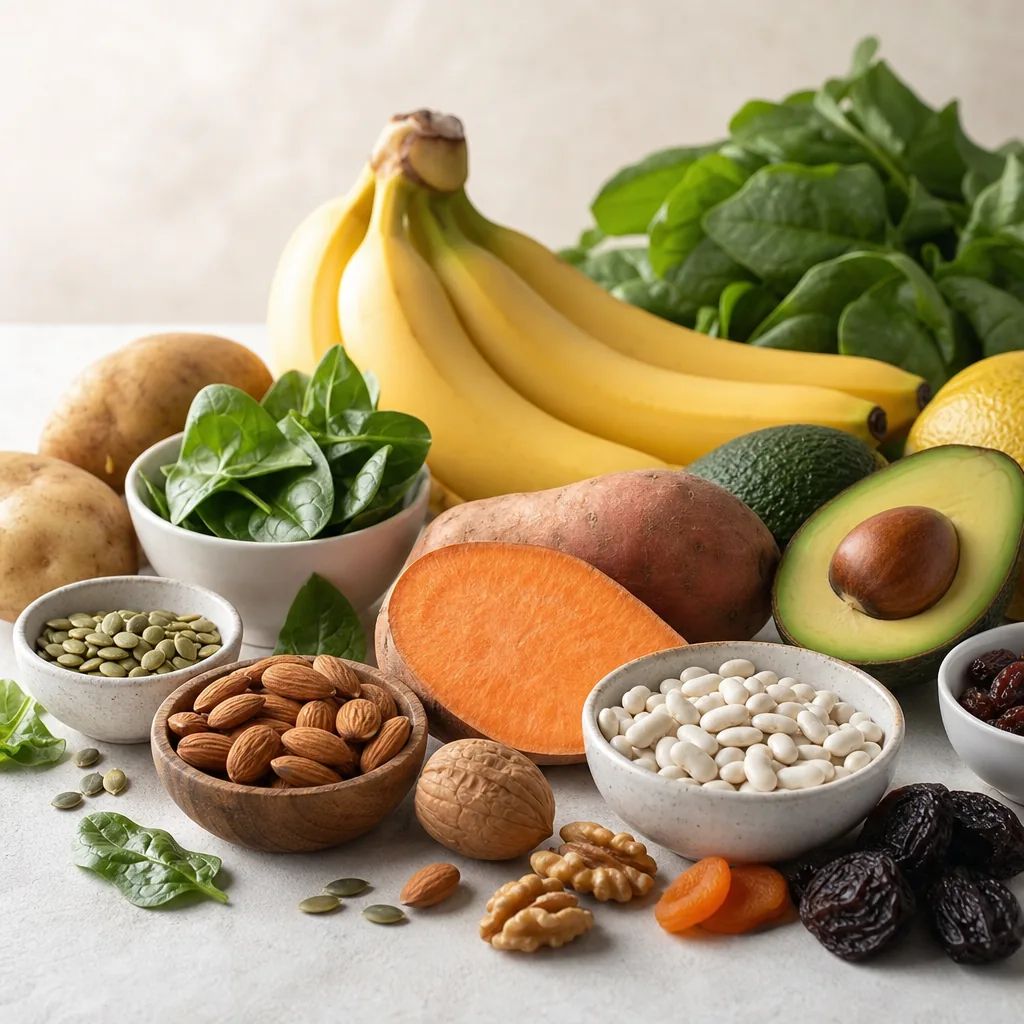
Vitamin K occurs naturally in many foods and is also available as a supplement. Emphasizing food sources is a practical first step because whole foods supply additional vitamins, minerals, fiber, and phytonutrients. Supplements can offer targeted dosing when intake is low or when a clinician recommends them for specific needs.
-
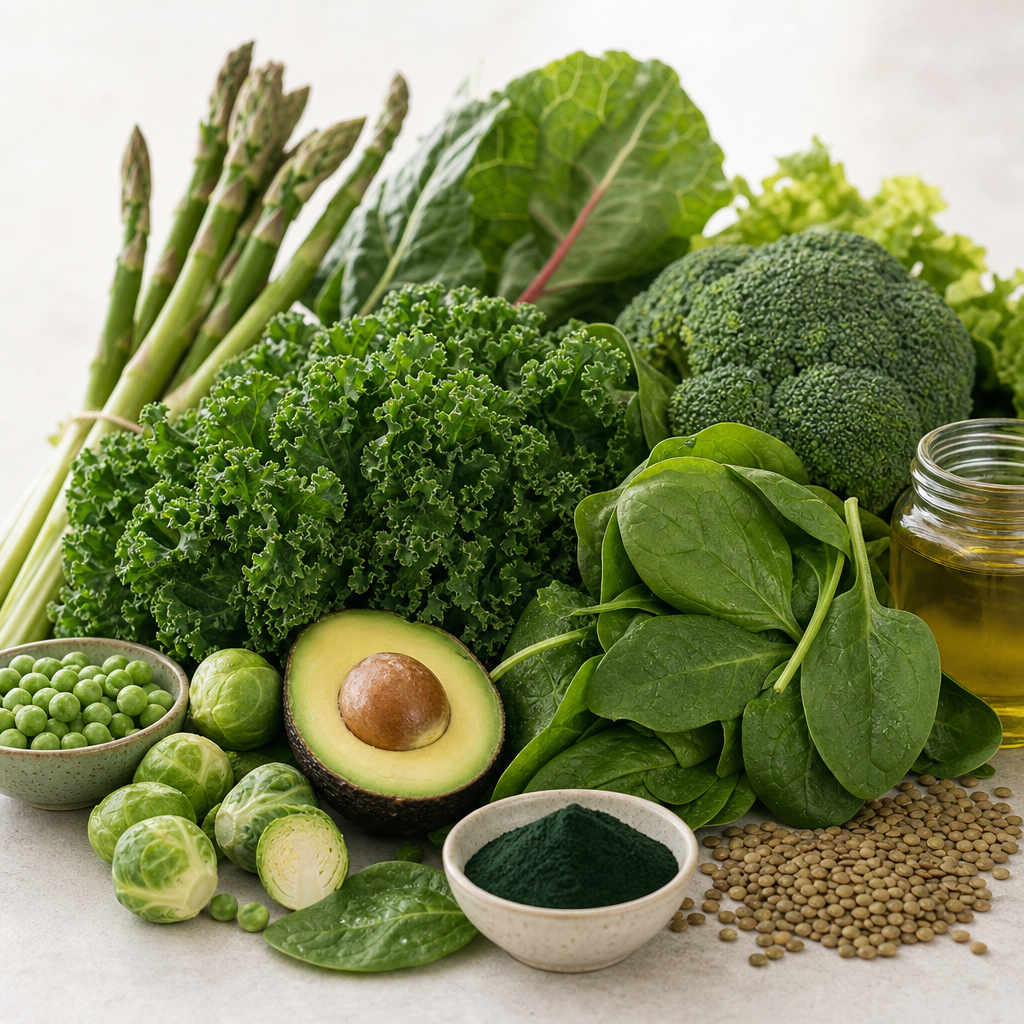
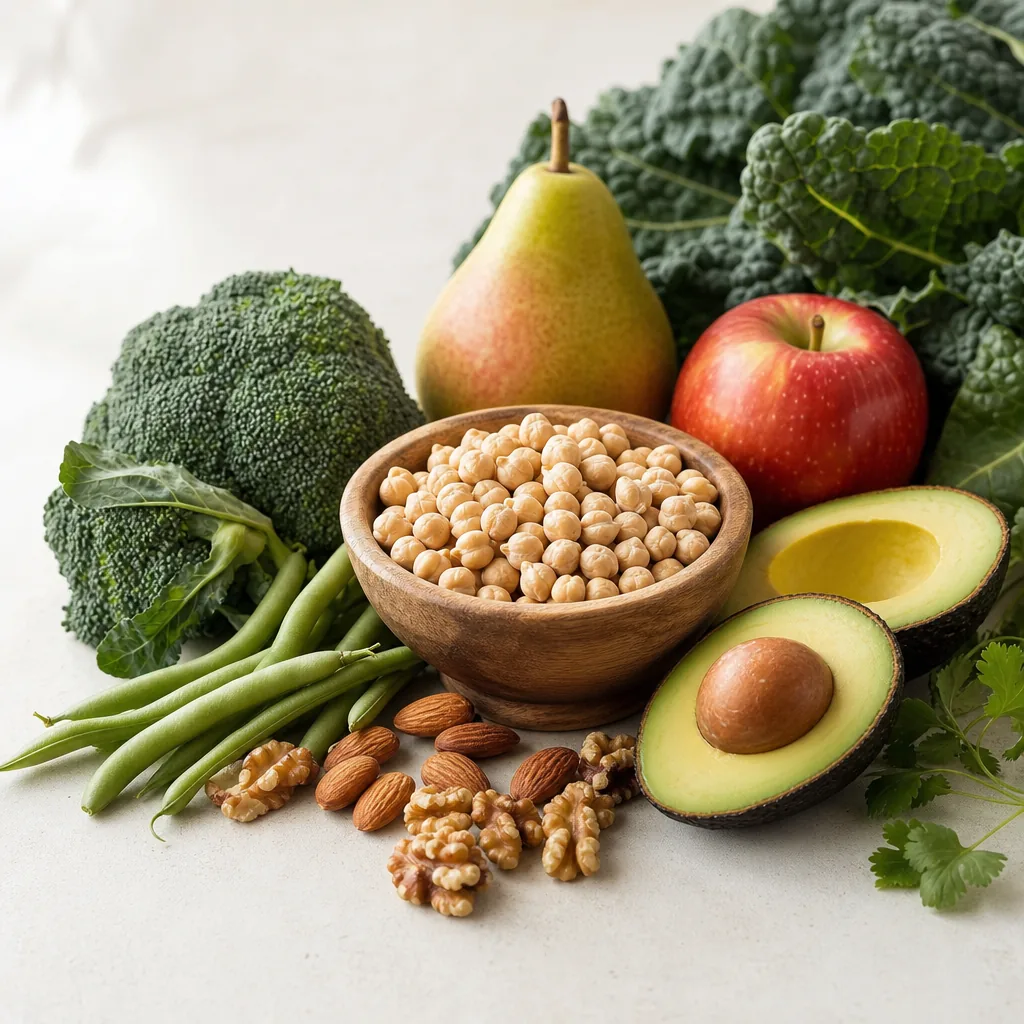
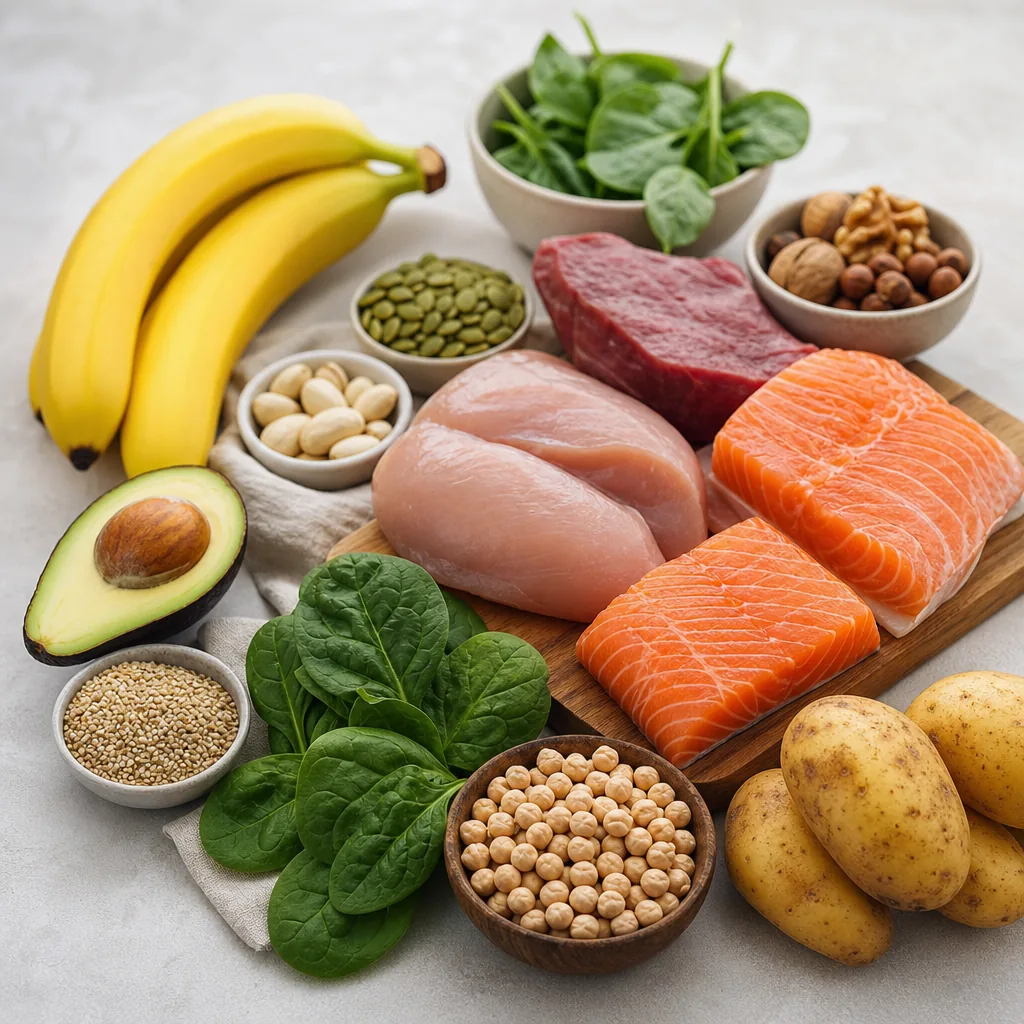
Leafy greens (vitamin K1):
Kale, spinach, collard greens, Swiss chard, mustard greens, turnip greens, and beet greens are among the richest sources.
-
Cruciferous vegetables:
Broccoli, Brussels sprouts, and cabbage contribute meaningful amounts.
-
Plant oils:
Soybean and canola oils provide vitamin K1 in smaller portions relative to leafy greens.
-
Fermented foods (vitamin K2):
Natto is exceptionally rich in MK-7. Some aged cheeses contain MK-8 and MK-9 in modest amounts.
-
Animal foods (vitamin K2, mainly MK-4):
Liver, dark poultry meat, and egg yolks contain small amounts.
Supplements may make sense for people who rarely eat leafy greens, have conditions that impair fat absorption, are on long-term antibiotics, or are following clinician-directed strategies for bone or vascular health. Whole foods provide a broad nutrient package, while supplements allow consistent, measured intake of specific K forms (e.g., MK-7 at a defined dose).
Who May Benefit from Vitamin K?
-
People who eat few or no leafy green vegetables or have inconsistent vegetable intake.
-
Older adults seeking to support bone health as part of a program that also includes calcium, vitamin D, protein, and resistance exercise.
-
Individuals with fat malabsorption (e.g., celiac disease, inflammatory bowel disease, pancreatic or liver disorders) or those who have had bariatric surgery, under medical supervision.
-
People on long-term broad-spectrum antibiotics that may reduce intestinal K2 production, if advised by a clinician.
-
Athletes focusing on bone durability during heavy training, especially if dietary intake of greens is low.
-
Individuals with chronically low dietary fat intake who may not absorb fat-soluble vitamins efficiently.
Side Effects and Considerations
-
Medication interactions:
Vitamin K can counteract vitamin K antagonist anticoagulants (e.g., warfarin). Do not start, stop, or change vitamin K intake (diet or supplements) without medical guidance if you use these medications. Other anticoagulants (e.g., DOACs) are not vitamin K–dependent, but you should still consult your clinician.
-
General safety:
Vitamin K1 and K2 have low toxicity at typical dietary and supplemental intakes. There is no established Tolerable Upper Intake Level for K1, but megadoses are not advised unless medically supervised.
-
Absorption issues and drug interactions:
Fat-blocking agents (orlistat), bile acid sequestrants (cholestyramine, colesevelam), mineral oil, and certain weight-loss regimens can reduce absorption of fat-soluble vitamins including vitamin K. Separate timing and discuss with a healthcare professional.
-
Liver and kidney conditions:
Individuals with liver disease may have altered clotting and vitamin K handling; those with chronic kidney disease often take multiple medications. In both cases, coordinate any supplementation with a healthcare provider.
-
Allergies and excipients:
Some supplements use soybean oil or other carriers. People with allergies should check labels and choose products with suitable excipients.
-
Pregnancy and breastfeeding:
Typical dietary intake is encouraged. Supplements should be used under medical guidance. Newborn vitamin K prophylaxis is a medical intervention and should not be replaced by over-the-counter products.
-
Pediatric use:
Infants require specific dosing and forms provided by healthcare professionals to prevent VKDB; do not substitute adult supplements.
-
Surgery and procedures:
Because vitamin K affects clotting, inform your healthcare team about your intake before procedures. Follow clinician instructions regarding any changes.
-
Product quality:
Choose brands that identify the exact form (K1, MK-4, MK-7) and dose and that use third-party testing. For MK-7, look for products specifying high all-trans content and stability data.
Common Myths About Vitamin K
-
Myth: “Vitamin K is just one vitamin, and all forms work the same.”
In reality, vitamin K refers to a family of related compounds. K1 and various K2 forms share core functions but differ in sources, half-lives, and tissue distribution. For example, MK-7 has a longer half-life than K1, which can influence dosing and sustained activity.
-
Myth: “If you’re on warfarin, you must avoid all vitamin K foods.”
Completely avoiding vitamin K is not the goal. Consistent intake is key so that medication dosing can be adjusted appropriately. Abrupt increases or decreases in vitamin K intake can destabilize INR; work with your clinician to set a stable dietary pattern.
-
Myth: “More vitamin K always equals stronger bones.”
Vitamin K supports bone protein activation, but it is only one piece of the bone health puzzle. Adequate protein, calcium, vitamin D, resistance exercise, and overall nutrition are crucial. Higher doses do not guarantee better outcomes and are not a substitute for a comprehensive approach.
-
Myth: “Gut bacteria make all the vitamin K you need.”
While intestinal bacteria produce some K2, this does not reliably meet human needs. Dietary intake—especially from leafy greens and certain fermented foods—remains important for maintaining adequate status.
Conclusion
Vitamin K is a foundational, fat-soluble nutrient that supports normal clotting and the activation of proteins involved in bone and vascular health. Most people can meet their needs by regularly eating leafy greens and other plant foods, with fermented foods contributing additional K2. Supplements may be useful for those with low intake, fat malabsorption, specific bone or vascular goals, or clinical guidance to maintain consistent intake.
Individuals who are pregnant or breastfeeding, taking medications (particularly anticoagulants), managing a medical condition, or considering higher-dose products should consult a healthcare professional. When choosing supplements, prioritize clear labeling of the vitamin K form and dose and look for third-party testing. A food-first approach usually makes sense, with supplements serving as a targeted tool to fill gaps or support specific needs as part of an overall health strategy.