What is Açai Extract?
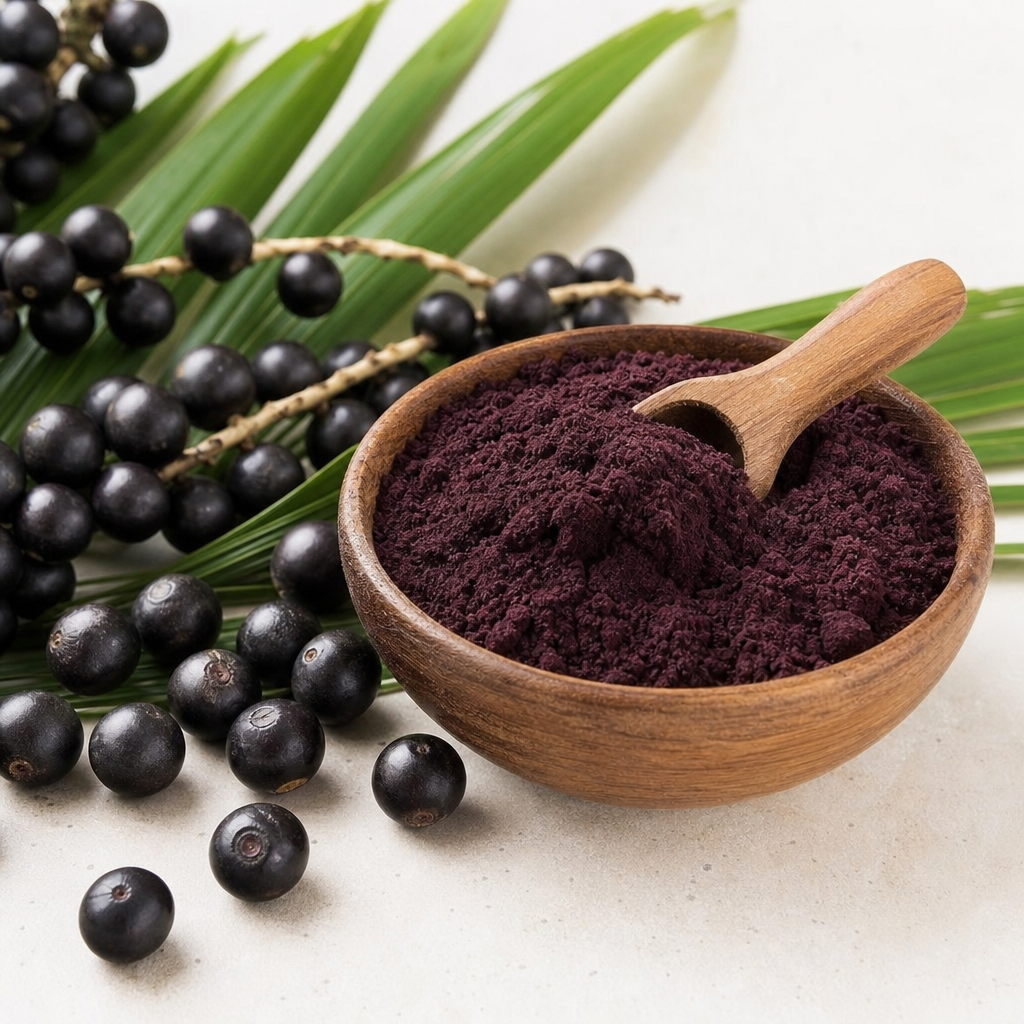
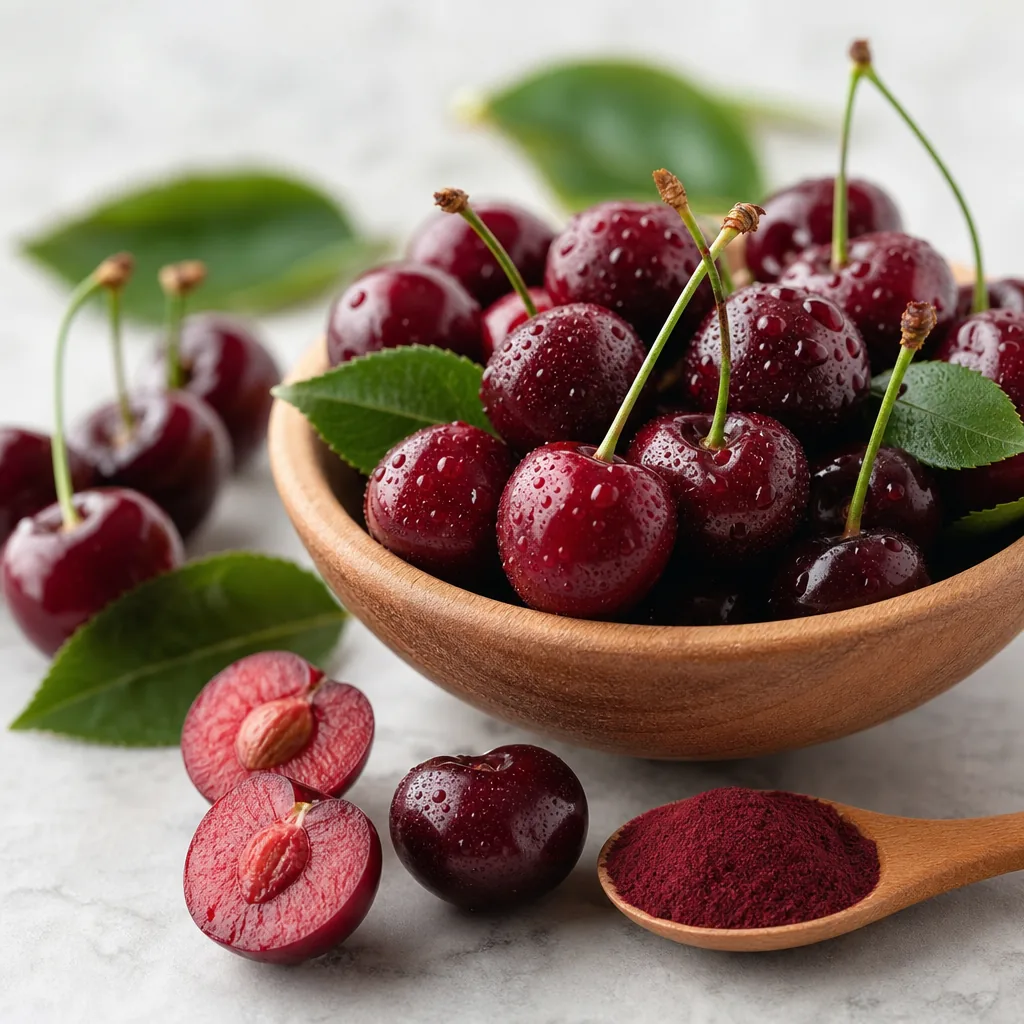
Açai extract comes from the dark purple berries of the açai palm (Euterpe oleracea), a tree native to the Amazon basin. The berries are rich in polyphenols—especially anthocyanins—that give them their deep color. Supplements typically concentrate these compounds from the fruit pulp into powders, capsules, or liquids. You may also see açai in foods like frozen purees, smoothie packs, and beverage blends.
Açai extract is a botanical extract and food-derived ingredient, not an essential nutrient. Unlike vitamins and minerals, the body does not require açai to function. Its interest in wellness comes from its antioxidant and anti-inflammatory polyphenols, along with small amounts of fiber and fatty acids present in the whole fruit. People use açai extract to help support overall dietary polyphenol intake, with potential benefits for oxidative stress, inflammation, exercise recovery, and aspects of cardiometabolic health. However, effects vary by product quality, dose, and the rest of your diet and lifestyle.
Benefits of Açai Extract
-
Antioxidant support and oxidative stress markers
(Moderate evidence)
Açai is rich in anthocyanins and other polyphenols that can increase antioxidant capacity in the blood and may reduce biomarkers of oxidative stress in small human trials. Similar to other berry polyphenols, benefits are most apparent when açai is used regularly as part of an overall fruit- and vegetable-rich diet. Effects are modest and depend on product quality and dose.
-
Cardiometabolic support (lipids and vascular function)
(Mixed evidence)
Some small studies suggest açai products may help lower total or LDL cholesterol or modestly improve endothelial function (how well blood vessels relax) when included in a balanced diet. Other studies report no meaningful change. Differences in formulations (juice vs. pulp vs. standardized extract), sugar content, and study design likely explain the mixed results.
-
Exercise recovery and muscle soreness
(Limited evidence)
Early research indicates açai may blunt exercise-induced oxidative stress and slightly reduce perceived soreness after demanding workouts. Findings are not consistent across studies, and changes in performance metrics are small. Açai should be viewed as a possible adjunct to recovery basics like sleep, protein adequacy, and periodized training.
-
Inflammation markers
(Limited evidence)
Some preliminary human studies and mechanistic research show açai polyphenols can modestly influence inflammatory pathways and may lower certain inflammatory markers. Results are inconsistent and often short-term; benefits, when present, appear to be modest and best considered as part of an overall anti-inflammatory dietary pattern.
-
Glycemic control (post-meal responses)
(Preliminary evidence)
Açai pulp contains fiber and fat, which may slow carbohydrate absorption when eaten with meals, and polyphenols that may influence glucose handling. Small trials show mixed or minimal effects on fasting glucose or insulin. More rigorous research is needed before drawing firm conclusions.
Types or Forms Available
-
Freeze-dried açai powder (whole fruit pulp)
: Made by drying fruit pulp at low temperatures, retaining much of the polyphenol profile and healthy fats. Quality varies; look for unsweetened powders from reputable brands that provide polyphenol or anthocyanin content per serving.
-
Standardized extracts (capsules/tablets)
: Concentrated forms labeled by extraction ratio (e.g., 4:1, 10:1) or by specific actives (e.g., “10% polyphenols” or “1–3% anthocyanins”). Standardization can improve dose consistency, but labels should specify exact amounts per serving.
-
Liquid juices and purees
: Available as 100% açai puree (often frozen) or bottled juices. Many beverages are blends with added sugars. Puree typically provides more of the native pulp matrix and fat than filtered juices, which may influence satiety and nutrient delivery.
-
Softgels with açai oil
: Derived from the fatty portion of the fruit, providing mainly oleic and palmitic acids with minor phytochemicals. These do not replicate the full polyphenol profile of pulp-based products. Evidence for unique benefits of açai oil softgels is limited.
-
Combination formulas
: Açai paired with other berries, green tea, or vitamins. These can confound what’s providing the effect and occasionally include stimulants or high sugar loads. Review the full ingredient list and active amounts.
How to Use Açai Extract
There is no universally accepted clinical dose for açai. Practical ranges below reflect common usage in studies and products; always follow the product label unless advised otherwise by a professional.
-
Common dosage range:
Standardized açai extract: about 300–1,000 mg per day, typically divided once or twice daily, with products specifying polyphenol or anthocyanin content. Freeze-dried açai powder: about 1–3 grams per day mixed into food or drinks. Unsweetened puree: roughly 100–200 mL (3–7 fl oz). Avoid high-sugar açai beverages marketed as “shots” unless the label confirms low added sugar.
-
Best timing:
Timing is flexible. Taking açai with meals may improve tolerance, and pairing polyphenols with mixed meals supports steady absorption. For training recovery, some users take it within a few hours after exercise along with protein and carbohydrates.
-
How to take it:
Mix powder or puree into smoothies, yogurt, or oatmeal, or take capsules with water. Combining with food—especially meals containing healthy fats—can complement the native fat matrix of the fruit pulp and may help with satiety.
-
Consistency:
Benefits, when present, are most likely with regular use over weeks within an overall healthy diet. Occasional use is fine for variety, but do not expect immediate or dramatic effects from a single serving.
Food Sources and Supplement Options
Açai is a fruit, so it can be consumed as food or as a supplement. Outside of the Amazon region, you will most often find it as frozen puree, freeze-dried powder, or in beverage blends rather than fresh whole berries. Supplements provide a concentrated and standardized way to increase intake of açai polyphenols when food forms are unavailable or impractical.
-
Frozen, unsweetened açai puree packets
-
Freeze-dried açai powder (unsweetened)
-
Açai-containing smoothie bowls or blends (check for added sugars)
-
Bottled açai juices or juice blends (often sweetened)
Whole-food forms offer additional nutrients—such as fiber and the fruit’s native fatty acids—and generally support satiety. Supplements can deliver more targeted, lower-sugar dosing of polyphenols and offer convenience. Consider supplements if you lack access to quality food forms, prefer to avoid added sugars in commercial products, or want a standardized amount of active compounds for a trial period. As with any botanical supplement, choose reputable brands that test for purity and potency.
Who May Benefit from Açai Extract?
-
People who enjoy açai as a way to increase overall fruit and polyphenol intake without relying on sugary treats
-
Individuals with limited access to fresh berries who prefer a shelf-stable powder or capsule
-
Active people and athletes seeking small, adjunctive support for recovery and oxidative stress alongside core nutrition and training strategies
-
Adults focused on heart-healthy dietary patterns who want to include a polyphenol-rich fruit option as part of broader lifestyle changes
-
Those aiming to diversify plant foods in predominantly plant-based diets
Side Effects and Considerations
-
General tolerance:
Açai foods and extracts are usually well tolerated. Possible side effects include mild digestive upset, gas, or loose stools, particularly with high intake or when products contain added sugars or sugar alcohols.
-
Sugar and calorie load:
Many commercial açai bowls and beverages contain substantial added sugars and toppings. These can undermine health goals. Prefer unsweetened puree or powders, and add your own fruit for sweetness.
-
Medication interactions:
Laboratory studies suggest some berry polyphenols can influence drug-metabolizing enzymes. The real-world impact for açai is unclear, but if you take medications with a narrow therapeutic range, consult your clinician before using concentrated extracts.
-
Oncology considerations:
People undergoing chemotherapy or radiation should discuss any antioxidant-rich supplements, including açai extract, with their oncology team. Some clinicians prefer to avoid concentrated antioxidant supplements during active treatment.
-
Allergies and sensitivities:
Rarely, individuals may react to components of the berry or to processing aids. Those with known palm family allergies should exercise caution and try small amounts first in food form.
-
Pregnancy, breastfeeding, and children:
Food forms of açai consumed as part of a balanced diet are generally considered acceptable. Safety data for concentrated extracts are limited; pregnant or breastfeeding individuals and children should consult a healthcare professional before using supplements.
-
Liver or kidney conditions:
Use caution with concentrated extracts if you have liver or kidney disease. Discuss with a healthcare provider, as botanicals can add metabolic burden or interact with medications.
-
Surgery and procedures:
Discontinue botanical supplements, including açai extract, 1–2 weeks before elective surgery unless your surgical team advises otherwise.
-
Quality and contamination:
Choose third-party tested products to reduce risks of adulteration or heavy metals. In endemic regions, unpasteurized açai juice has, on rare occasions, been linked to contamination (e.g., with parasites). Outside endemic regions, choose pasteurized and certified products.
-
Dietary pattern context:
Açai is not a substitute for an overall healthy diet. Its benefits are most meaningful when your diet is already rich in vegetables, fruits, legumes, whole grains, and healthy fats.
Common Myths About Açai Extract
-
Açai melts fat and causes rapid weight loss.
There is no high-quality evidence that açai alone produces significant or lasting weight loss. Any small effects likely come from replacing higher-calorie desserts with lower-sugar açai options and from overall dietary improvements.
-
Açai “detoxes” your body.
Your liver, kidneys, lungs, skin, and gut already handle detoxification. Açai provides polyphenols that may support antioxidant defenses, but it does not “cleanse” toxins in a medical sense.
-
Higher ORAC scores mean better health results.
ORAC is a lab measure that does not reliably translate to benefits in humans. The USDA discontinued its ORAC database due to misuse. Real-world effects depend on bioavailability, dose, and overall diet—not a single number.
-
All açai products are equal.
Products vary widely in polyphenol content, processing, and added sugars. Unsweetened purees or standardized extracts from reputable brands are more consistent than sweetened blends or proprietary mixes.
Conclusion
Açai extract is a polyphenol-rich botanical derived from the açai berry. It is not an essential nutrient, but it can be a convenient way to increase intake of beneficial plant compounds. Evidence suggests modest support for antioxidant capacity, with mixed or limited findings for cardiometabolic markers, inflammation, and exercise recovery. Benefits are most likely when açai complements, rather than replaces, a balanced diet and active lifestyle.
If you choose to use açai, prioritize product quality, low added sugars, and realistic expectations. Food-first options like unsweetened puree or freeze-dried powder offer additional nutrients and satiety, while standardized supplements can provide more targeted dosing when foods are impractical. People who are pregnant, breastfeeding, taking medications, or managing a medical condition should consult a healthcare professional before using concentrated extracts. As with any supplement, steady habits—sleep, movement, diverse plant foods, and stress management—will drive the greatest health impact, with açai playing a supportive role.