The immune system is the body's natural defense against harmful pathogens, working continuously to protect against infections and maintain overall health. It is a complex network of cells, tissues, and organs that detect and neutralize threats while also supporting recovery and healing. A strong immune system relies on a balanced diet rich in vitamins, minerals, and antioxidants, as well as adequate sleep, regular physical activity, and stress management. Factors such as gut health, hydration, and lifestyle choices play a crucial role in immune function. By nurturing the immune system, the body becomes more resilient, better equipped to fight off illnesses, and capable of maintaining long-term vitality.
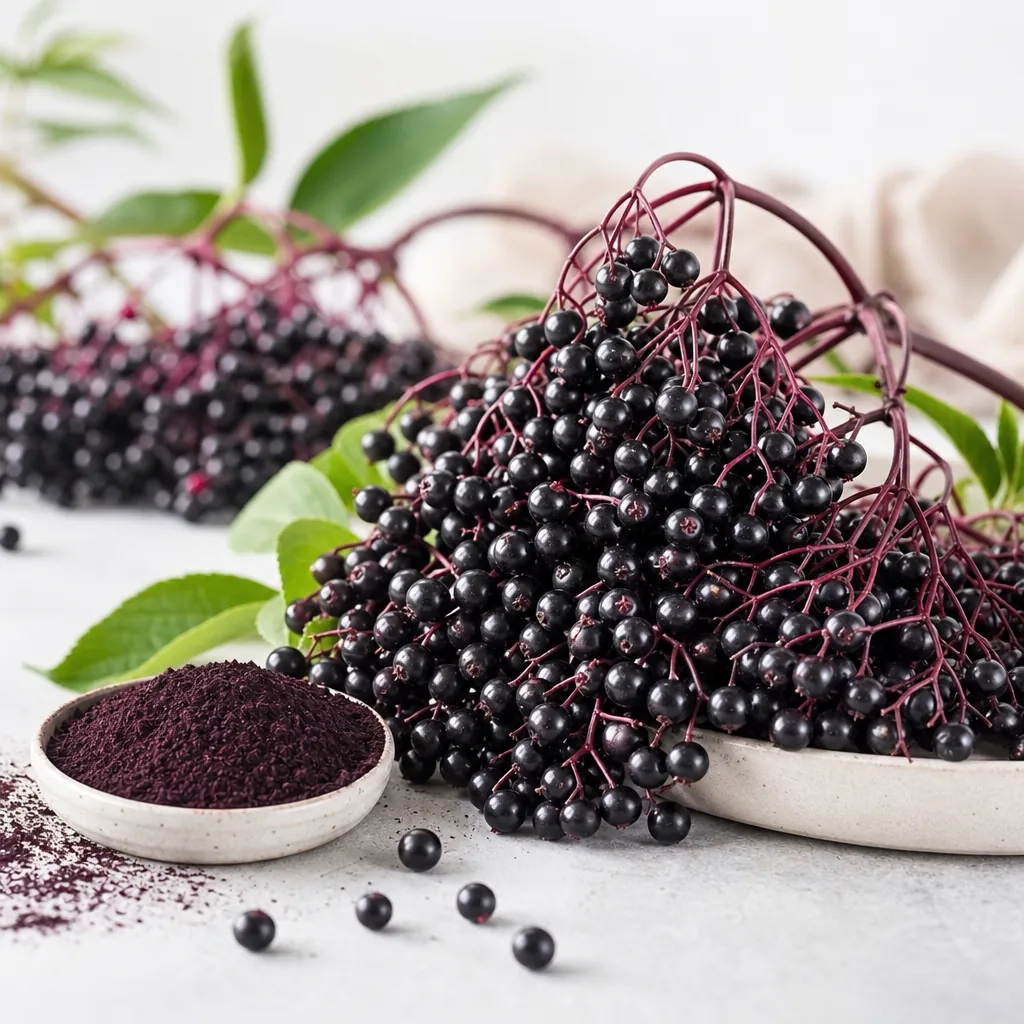
What is Elderberry? Elderberry refers most commonly to the dark purple berries of Sambucus nigra (European elder), a small tree or shrub native to Europe …
Read more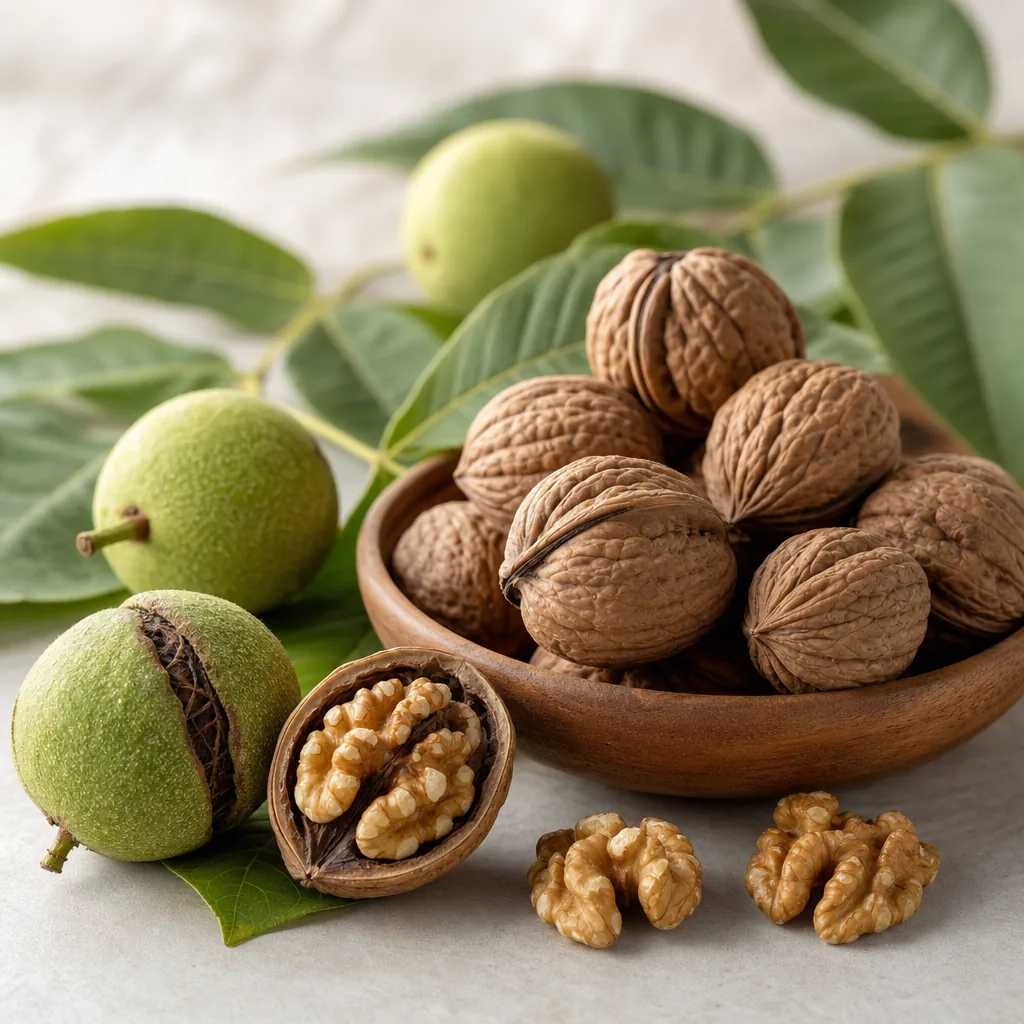
What is Black Walnut? Black walnut (Juglans nigra) is a North American tree known for its hard, dark wood and edible nuts. In traditional herbalism, the g…
Read more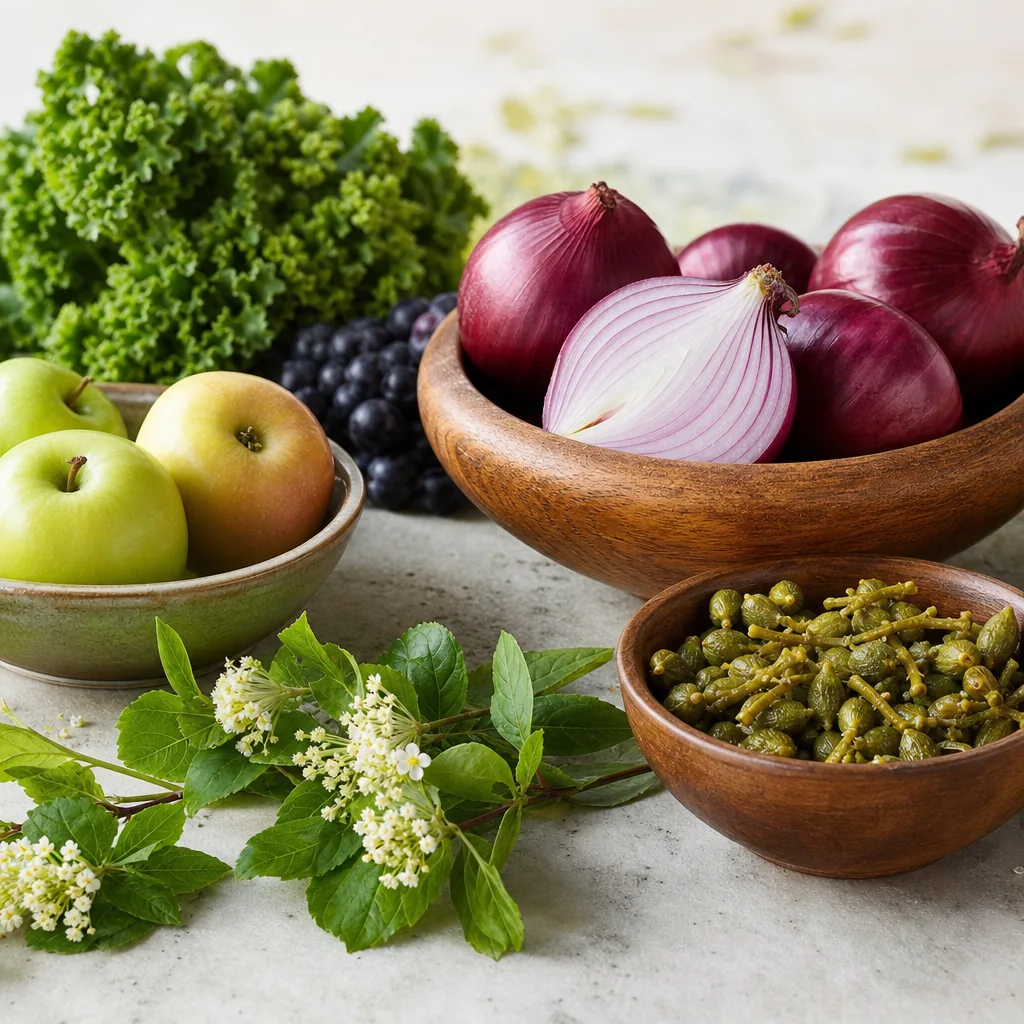
What is Quercetin? Quercetin is a naturally occurring plant flavonoid (a type of polyphenol) found widely in fruits, vegetables, leaves, and certain grain…
Read more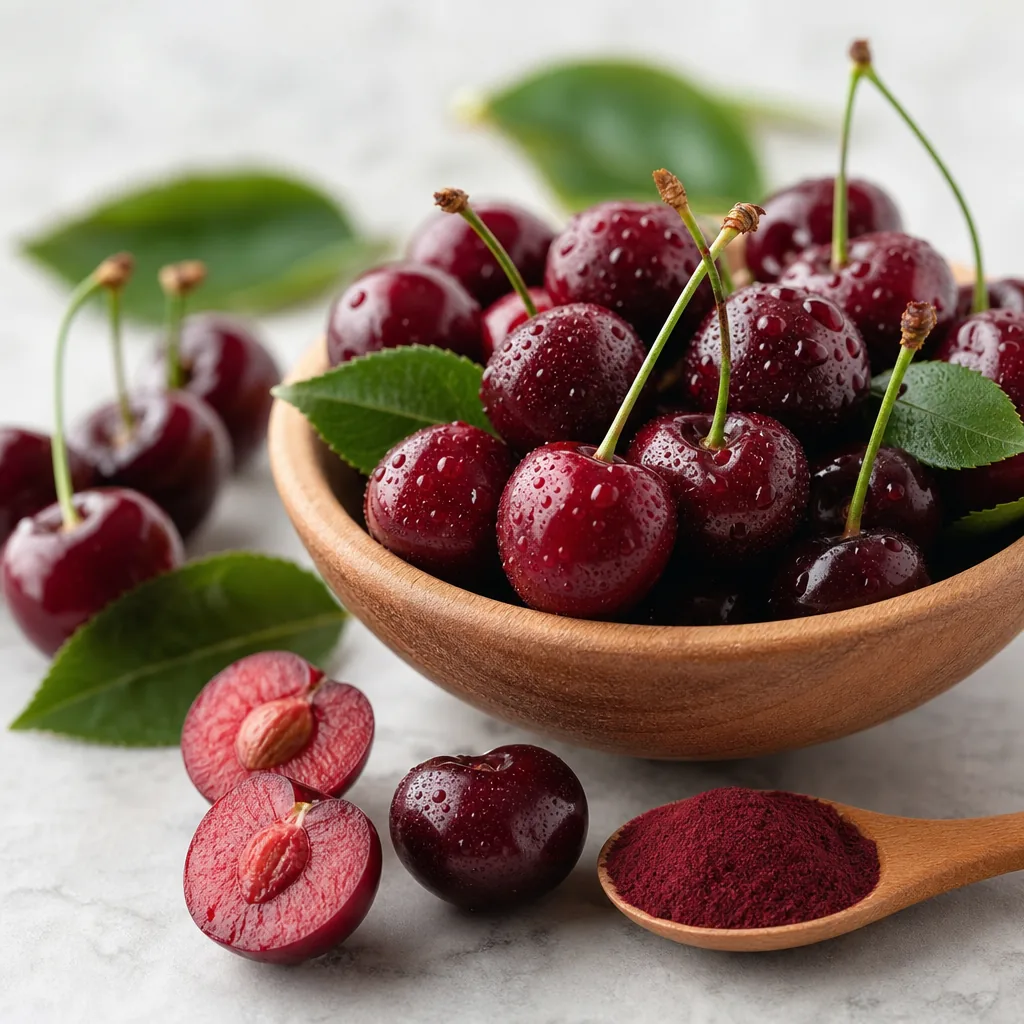
What is Tart Cherry? Tart cherry refers to the sour cherry varieties, most commonly Montmorency (Prunus cerasus), that are higher in certain plant compoun…
Read more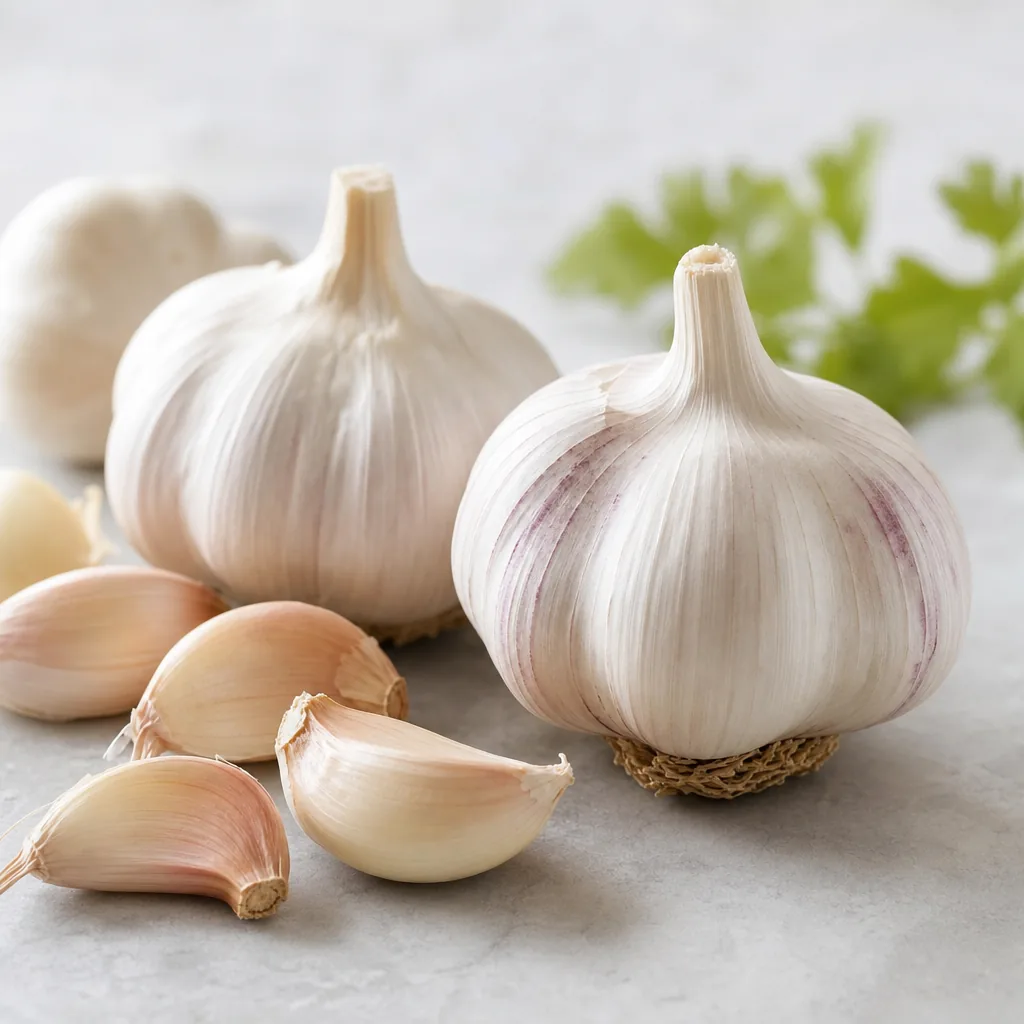
What is Garlic Bulb? Garlic bulb (Allium sativum) is a culinary plant from the onion family that has been used for flavor and traditional wellness practic…
Read more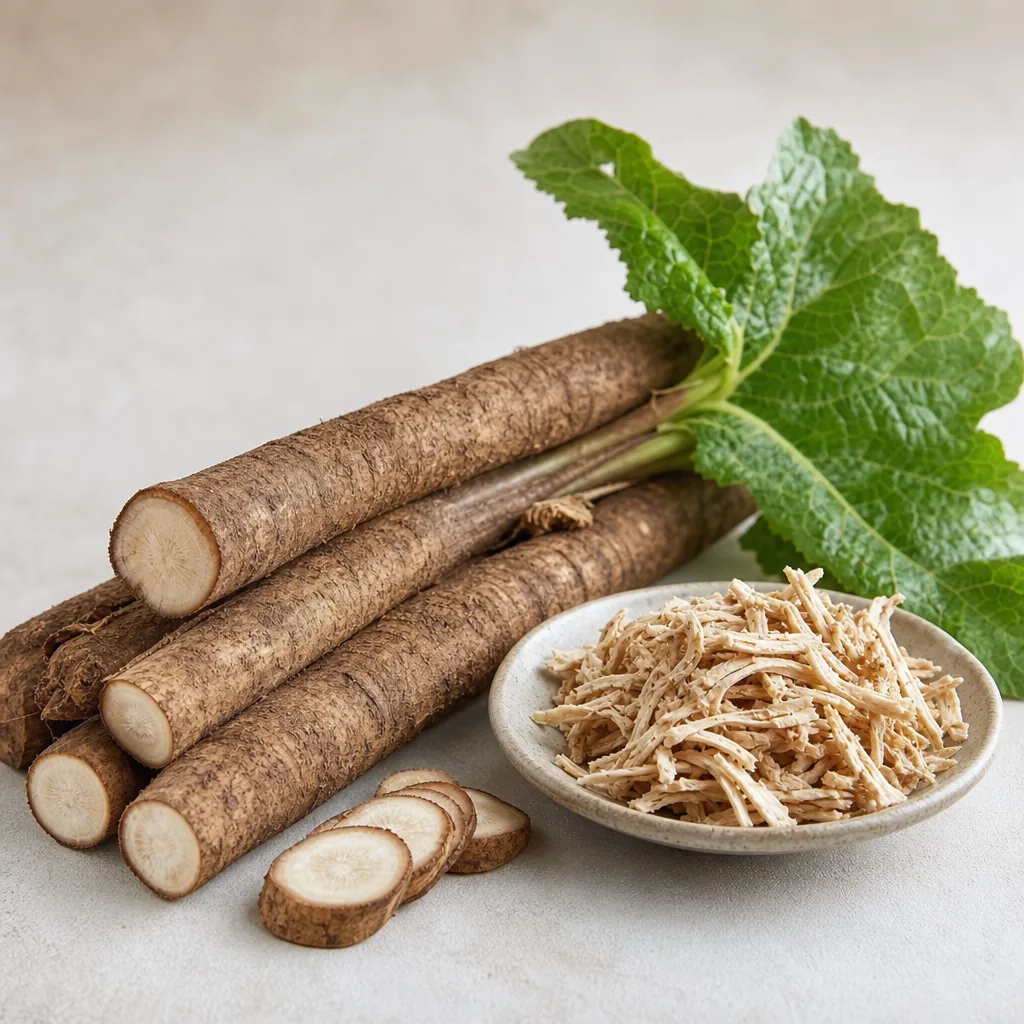
What is Burdock? Burdock (Arctium lappa and related Arctium species) is a hardy biennial plant in the Asteraceae family, long used in European folk medici…
Read more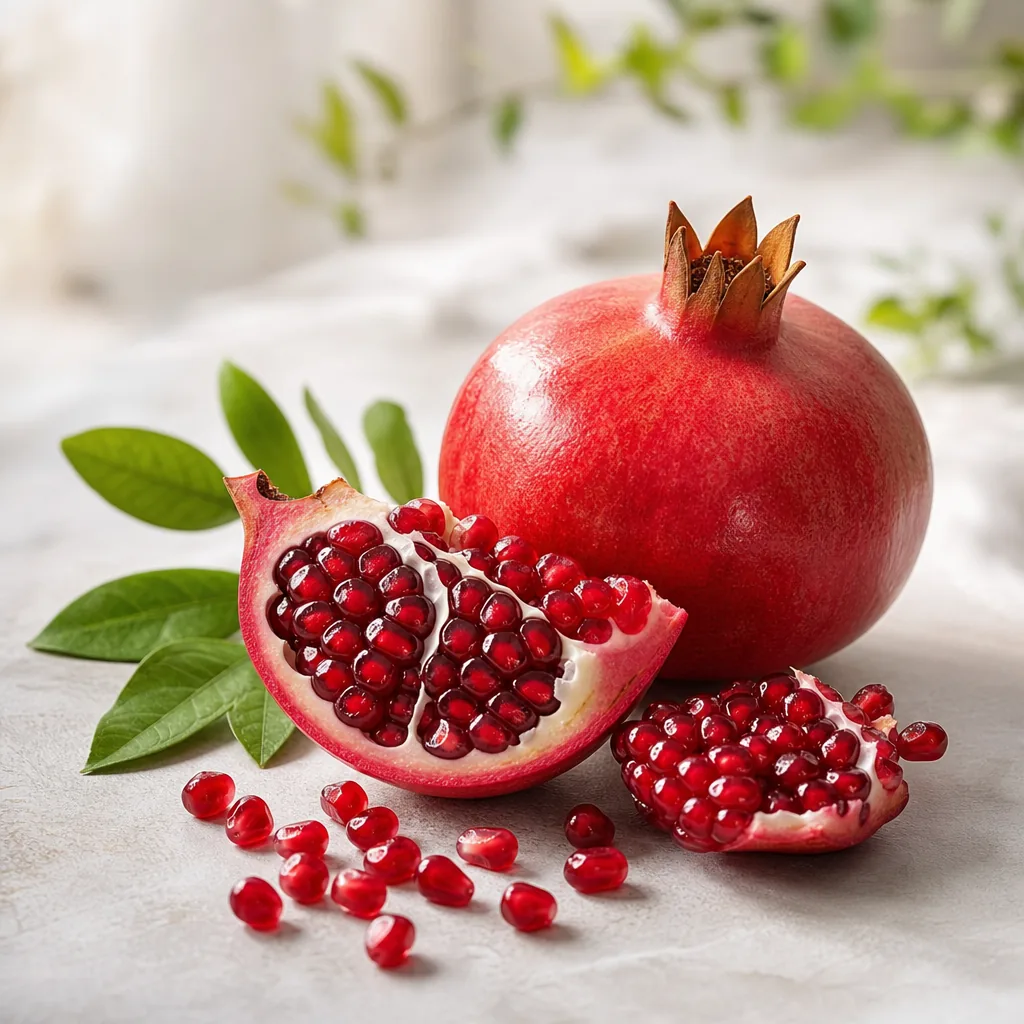
What is Pomegranate? Pomegranate (Punica granatum) is a fruit-bearing shrub native to regions spanning the Middle East, the Mediterranean, and parts of So…
Read more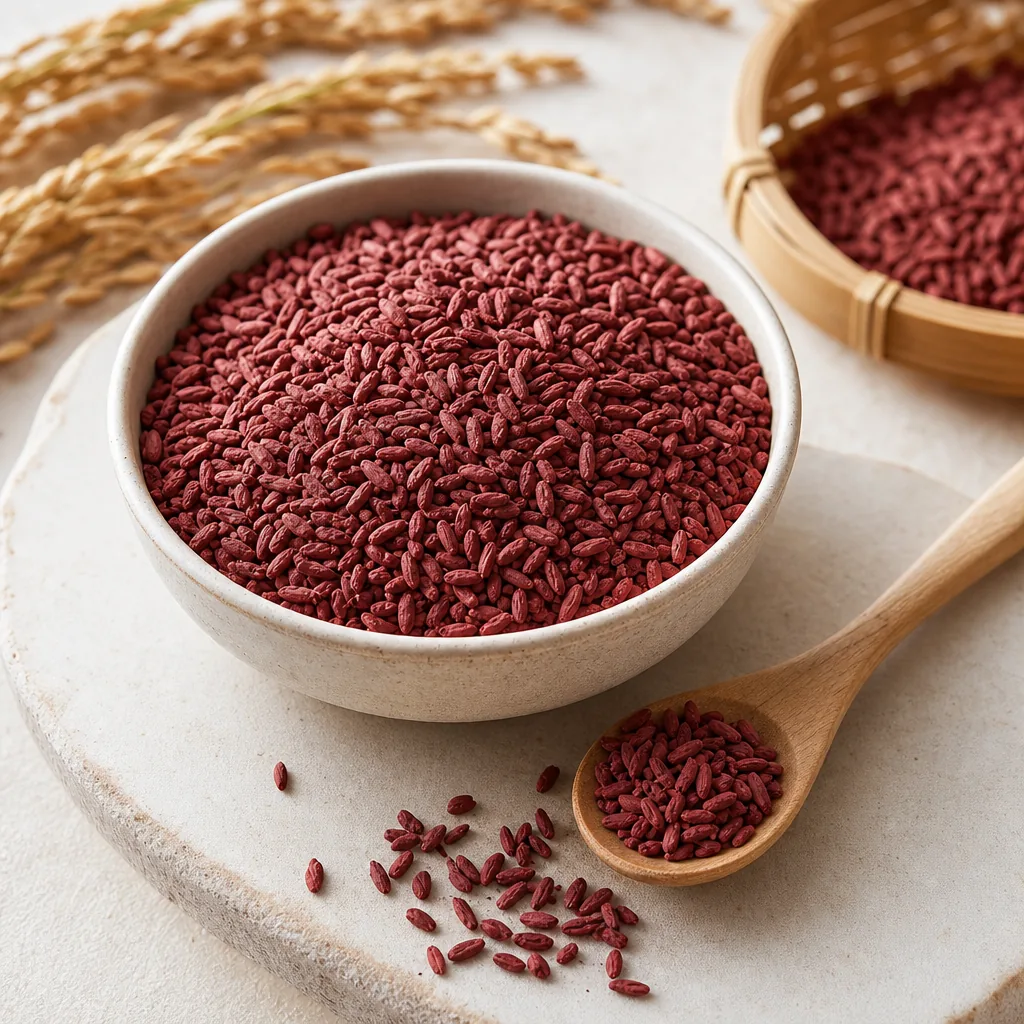
What is Red Yeast Rice? Red yeast rice (RYR) is a traditional East Asian fermented food made by culturing rice with Monascus species of yeast, most common…
Read more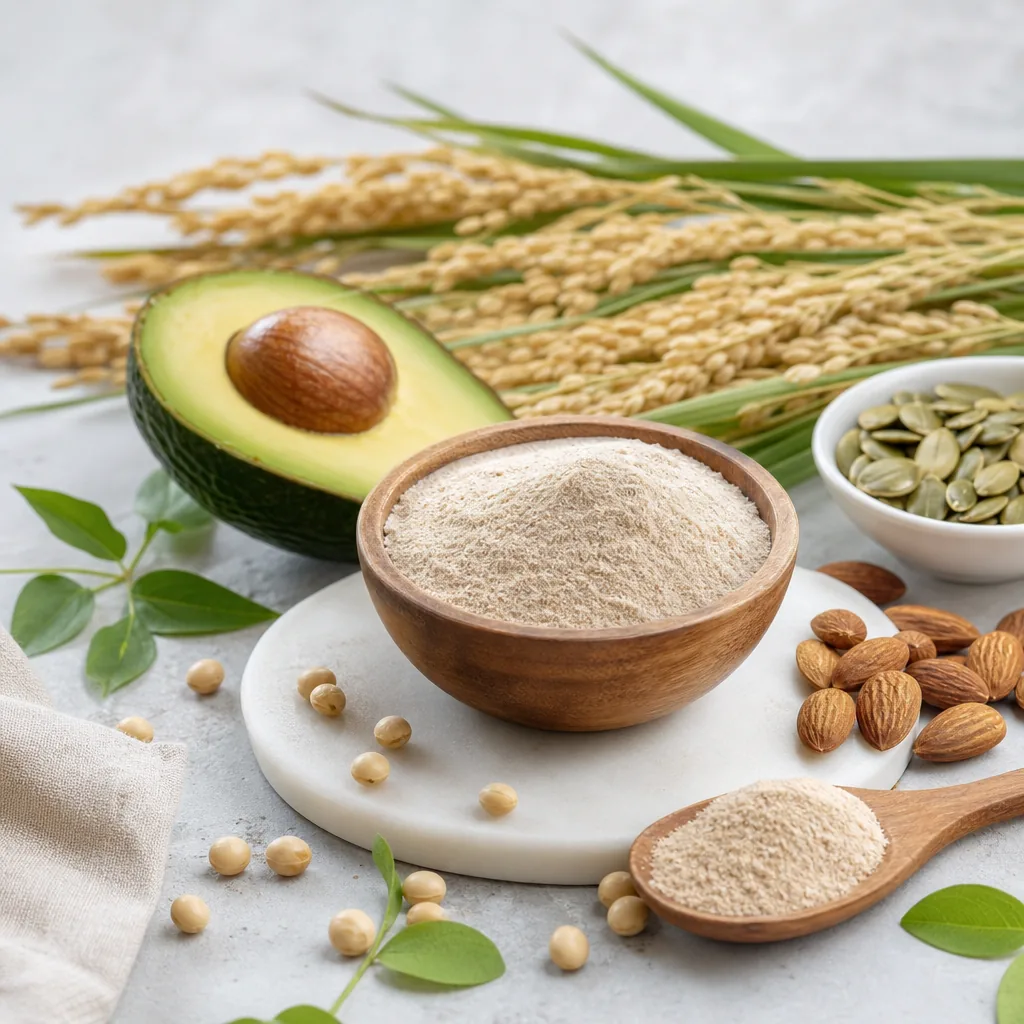
What is Beta Sitosterol? Beta sitosterol is a plant-derived compound classified as a phytosterol, a family of molecules structurally similar to cholestero…
Read more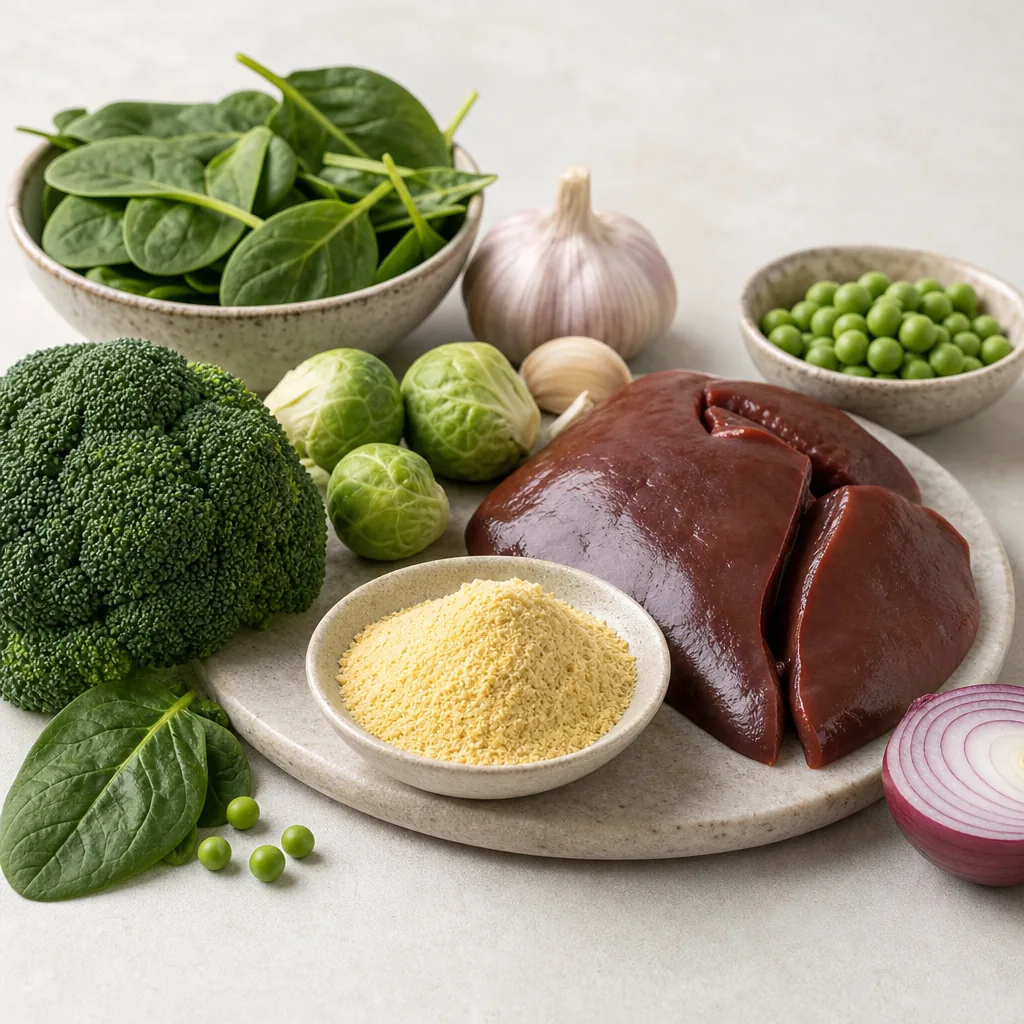
What is Alpha Lipoic Acid? Alpha lipoic acid (ALA) is a sulfur-containing compound that acts as a cofactor for mitochondrial enzymes involved in energy me…
Read more
What is Juniper? Juniper typically refers to the berries of Juniperus communis, an evergreen shrub in the cypress family native to parts of Europe, North …
Read more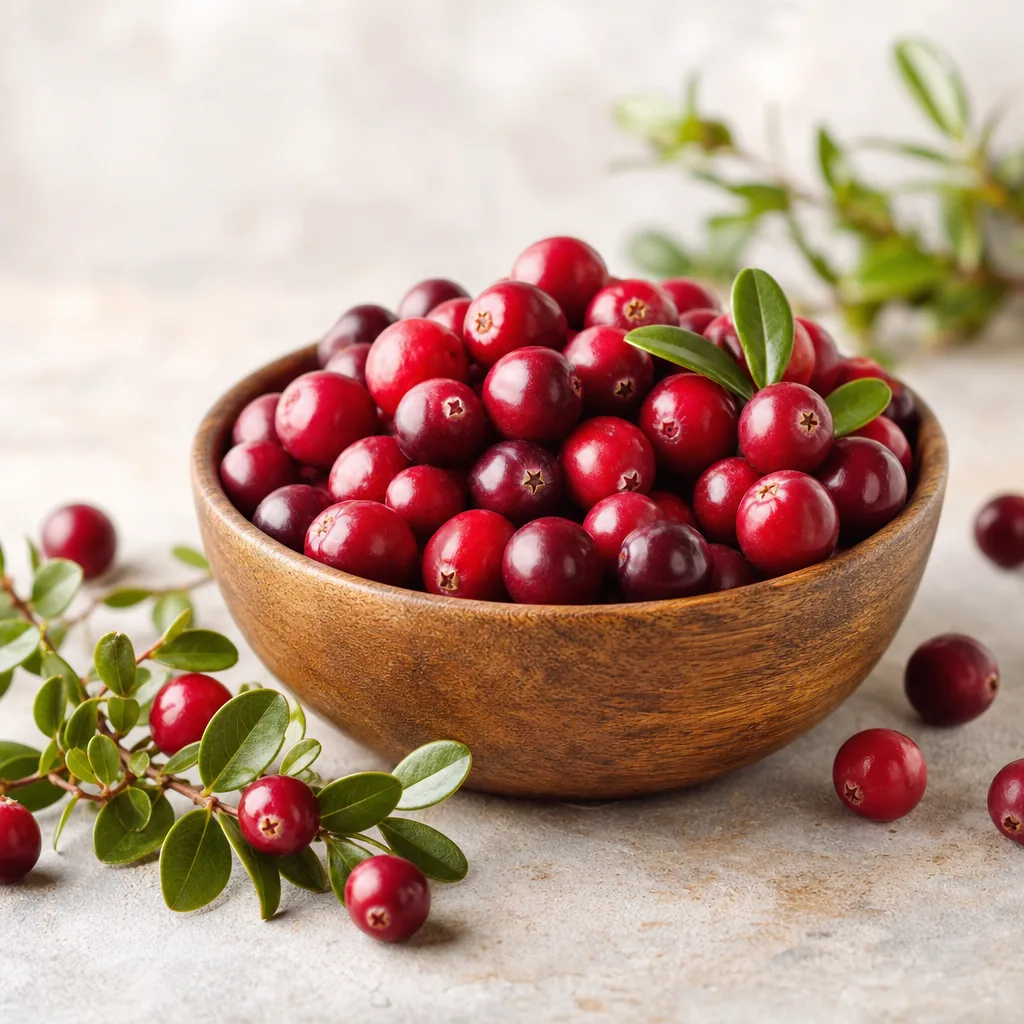
What is Cranberry? Cranberry (Vaccinium macrocarpon) is a small, tart red berry native to North America. It is widely consumed as a food (fresh, dried, ju…
Read more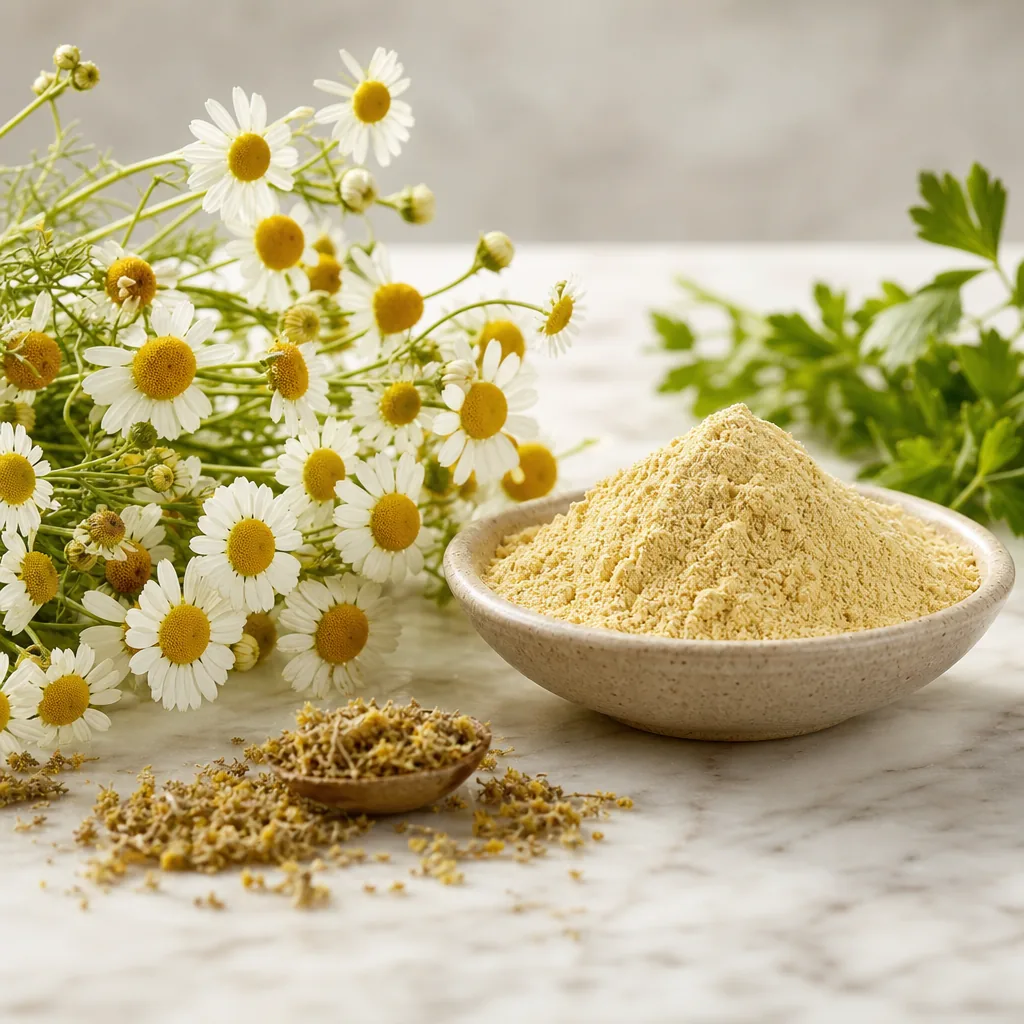
What is Apigenin? Apigenin is a naturally occurring plant compound belonging to the flavone family of polyphenols. It is found in many culinary herbs and …
Read more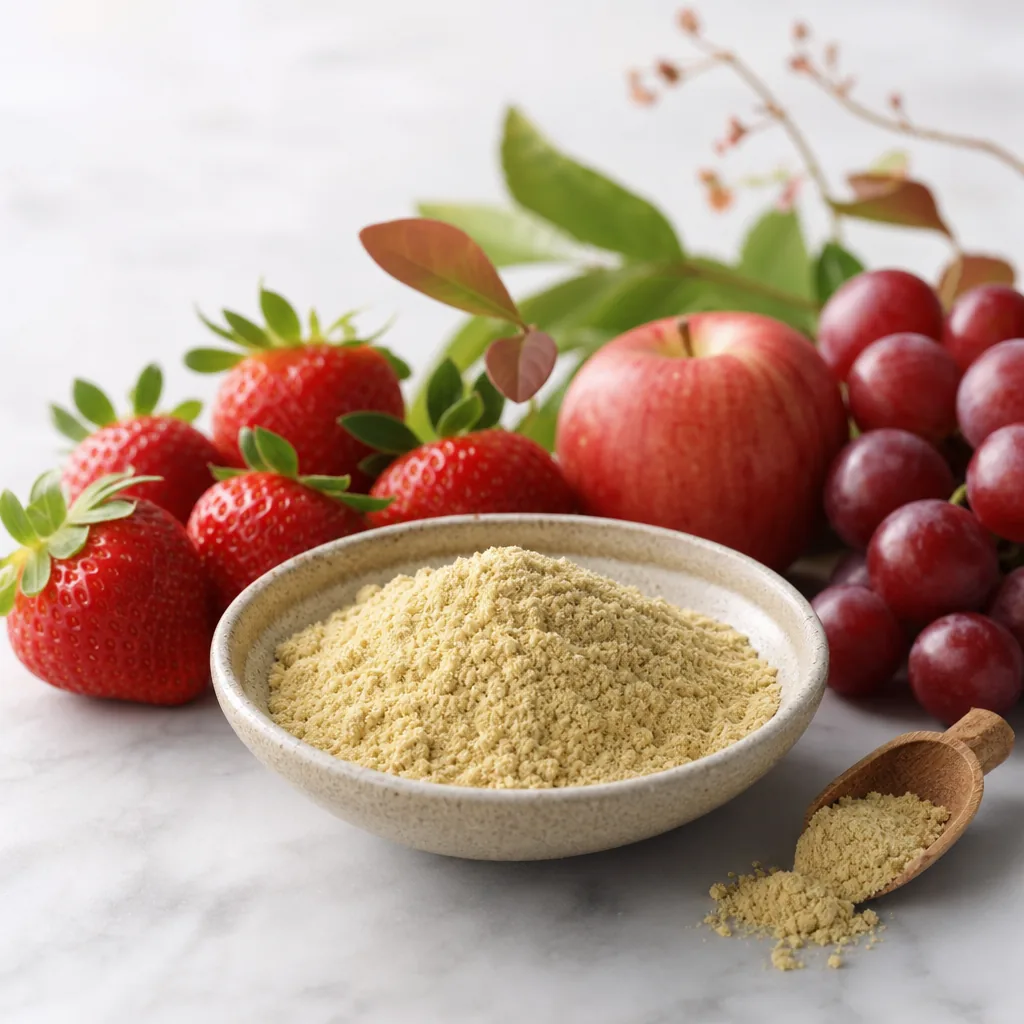
What is Bio-Fisetin? Bio-Fisetin refers to fisetin, a plant-derived polyphenol (a flavonol) formulated for improved absorption. Fisetin occurs naturally i…
Read more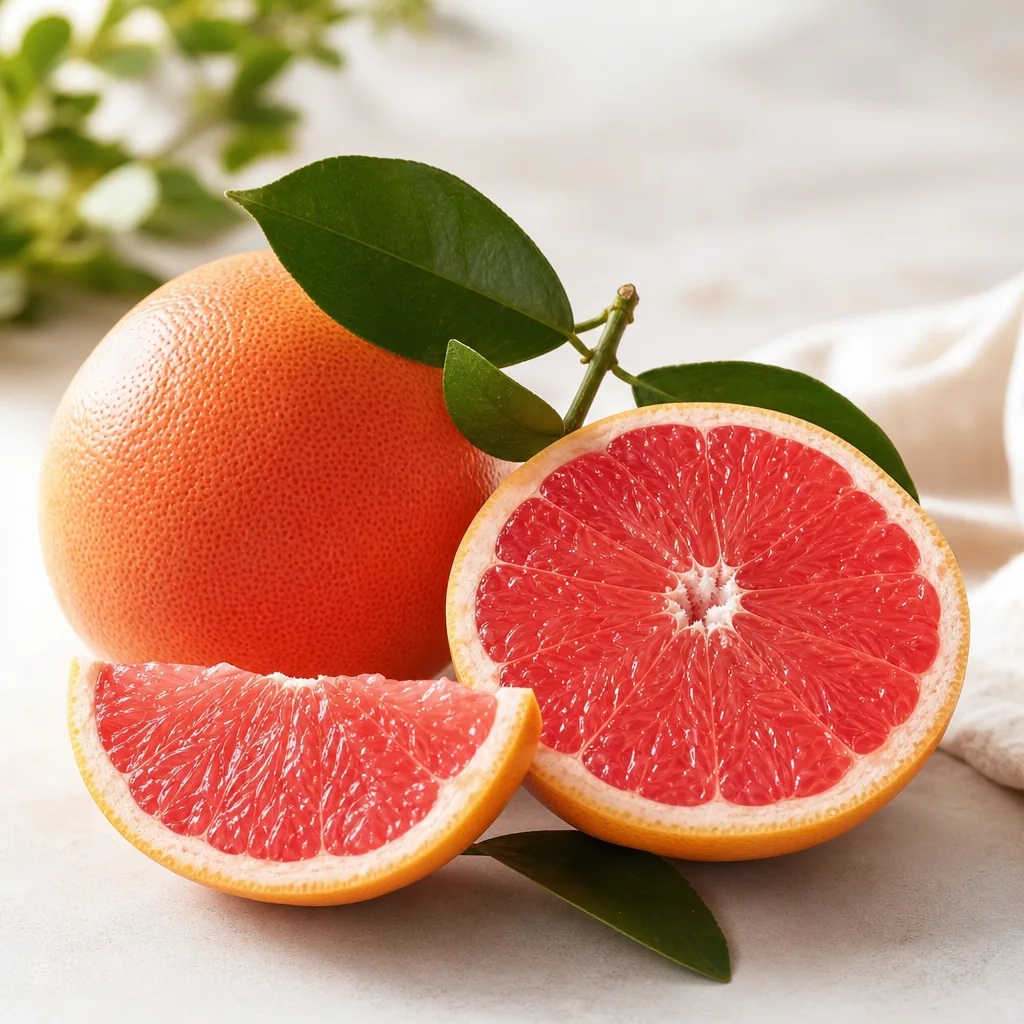
What is Grapefruit? Grapefruit (Citrus × paradisi) is a hybrid citrus fruit that likely originated in the Caribbean from a cross between sweet orange and …
Read more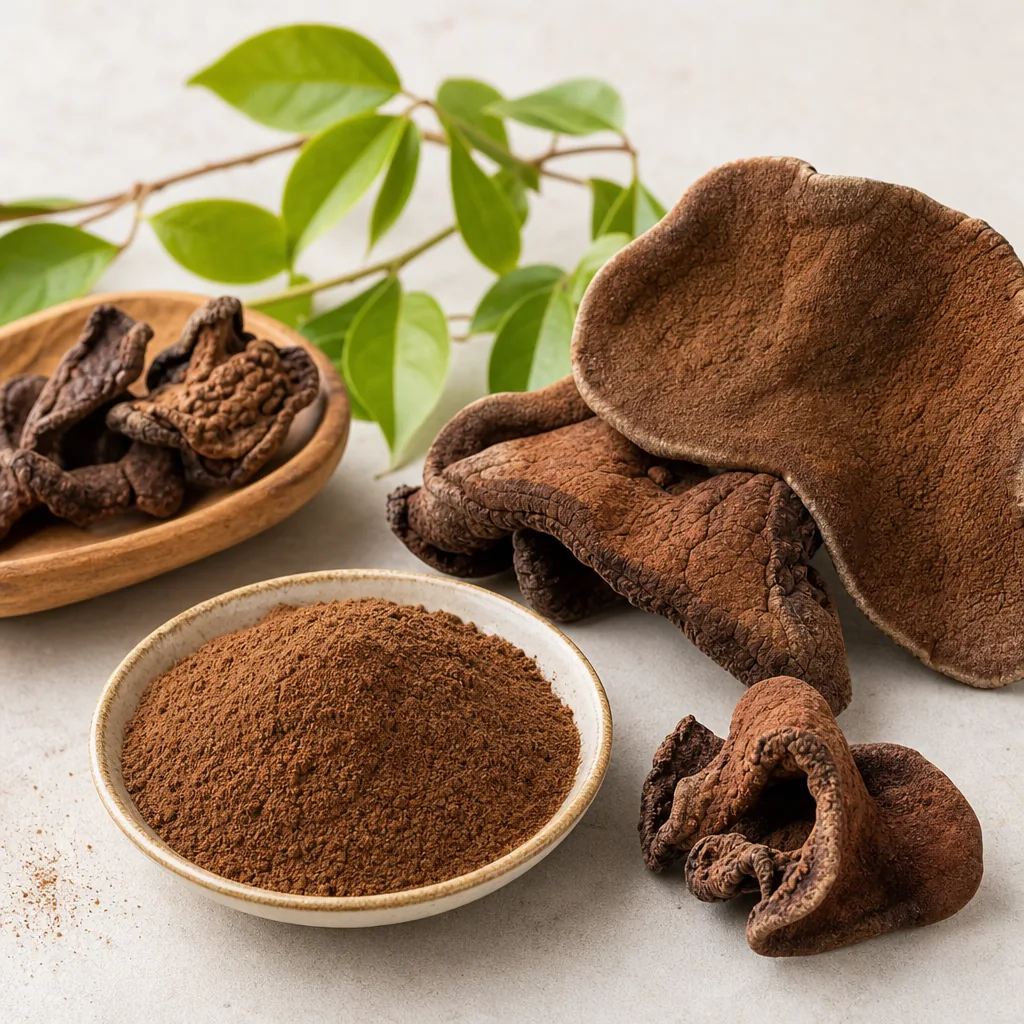
What is Velvet Foot? Velvet foot is the common name for Flammulina velutipes, an edible mushroom also known as enoki or velvet shank. In the wild, it grow…
Read more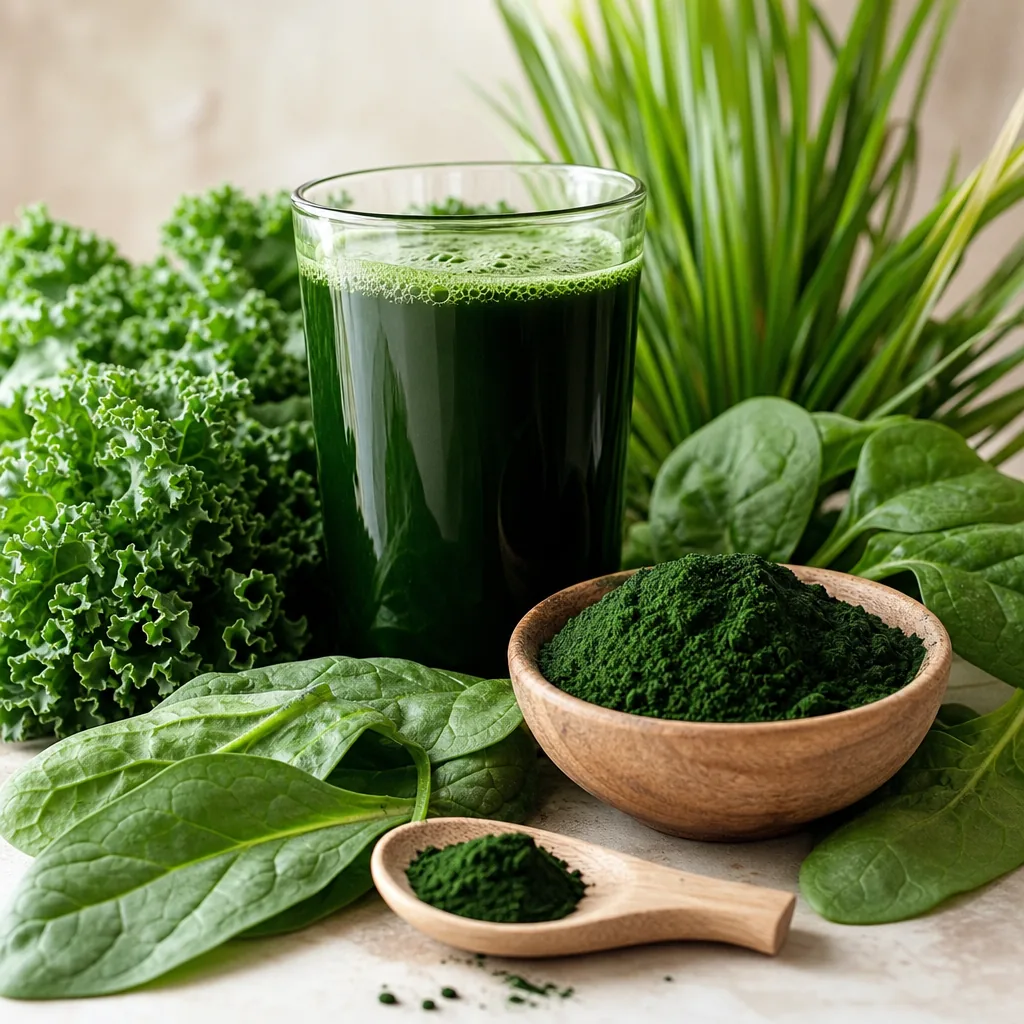
What is Chlorophyll? Chlorophyll is the green pigment in plants, algae, and some bacteria that captures light energy for photosynthesis. In nature, it hel…
Read more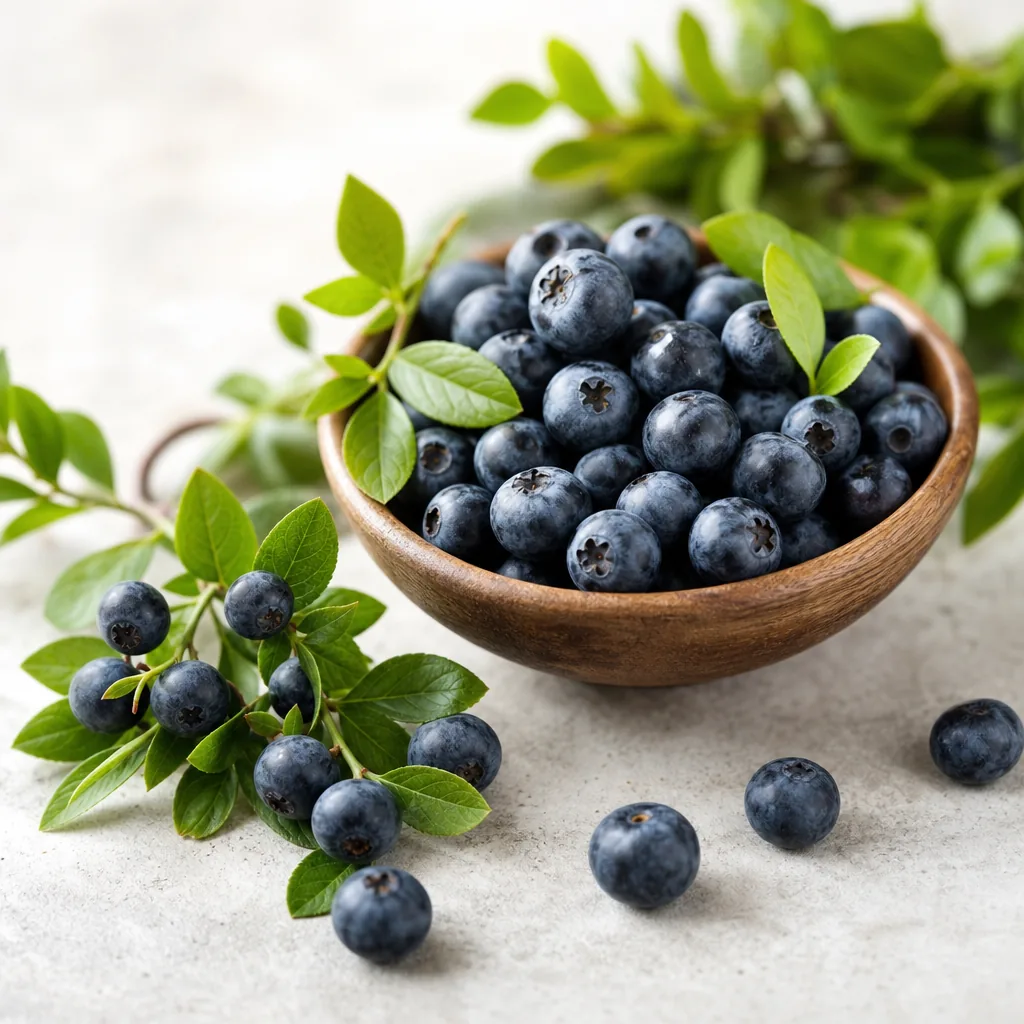
What is Bilberry? Bilberry (Vaccinium myrtillus) is a small, dark-blue berry native to northern Europe and parts of Asia. It belongs to the same genus as …
Read more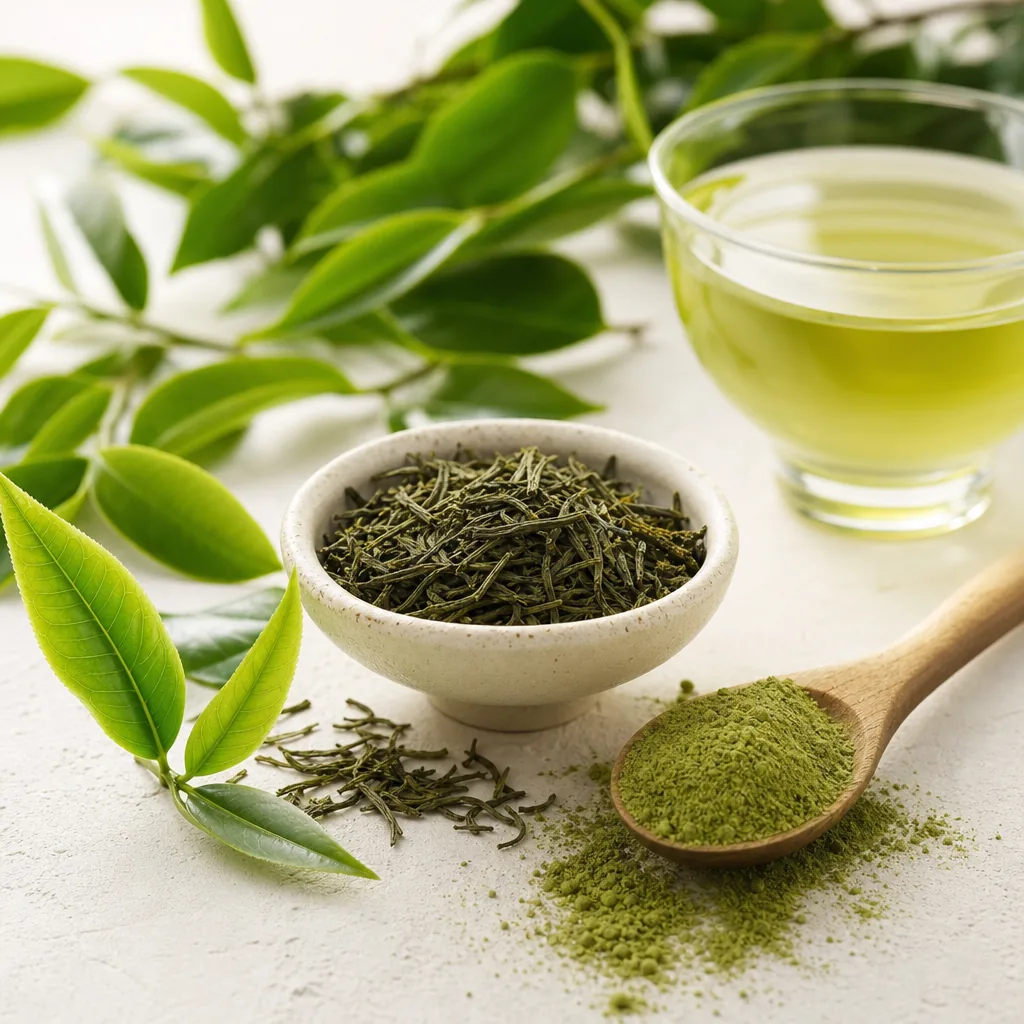
What is Green Tee Leaf? Green Tee Leaf—more commonly known as green tea leaf—comes from the plant Camellia sinensis. Unlike black or oolong tea, green tea…
Read more
What is Nac? N-acetylcysteine (NAC) is the acetylated form of the amino acid L-cysteine. It is a compound used as a dietary supplement and, in medical…
Read more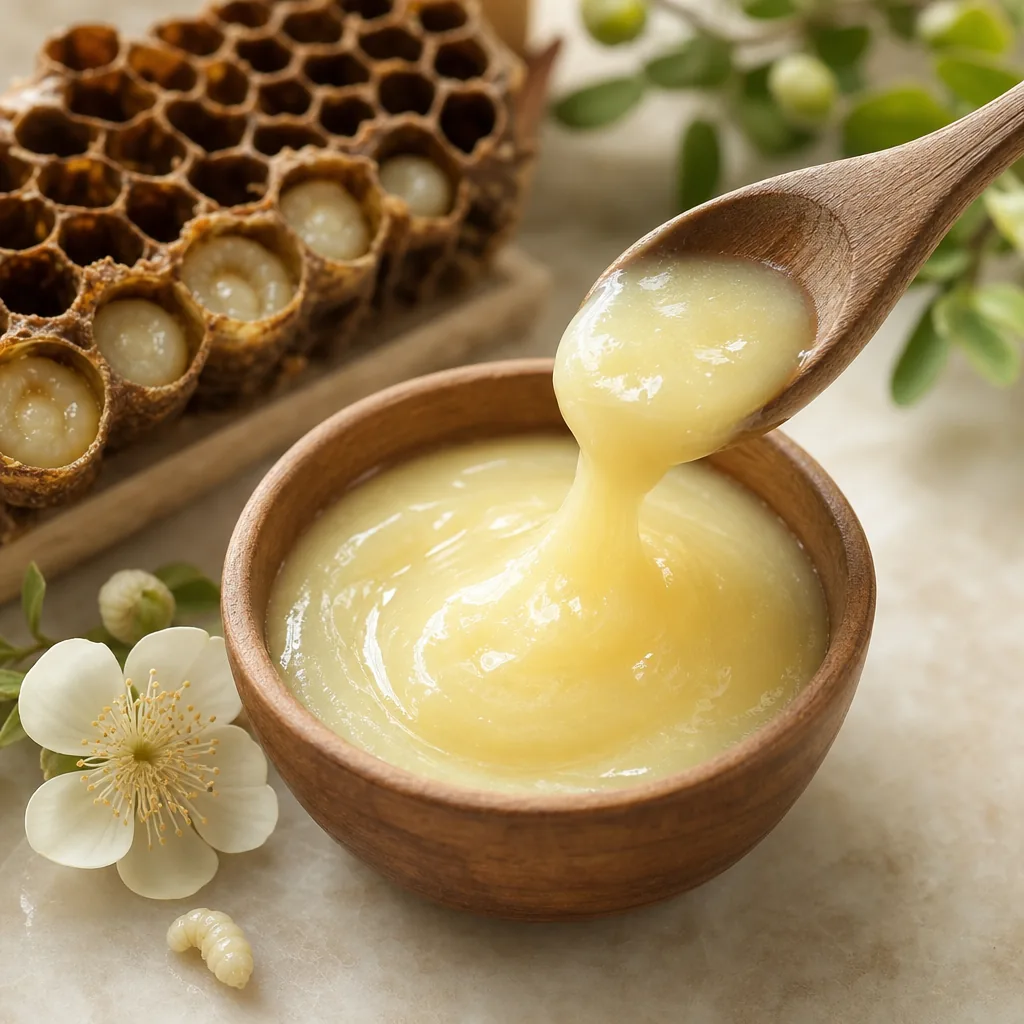
What is Royal Jelly? Royal jelly is a creamy, nutrient-dense secretion produced by worker honeybees to feed all larvae in their first days of life and exc…
Read more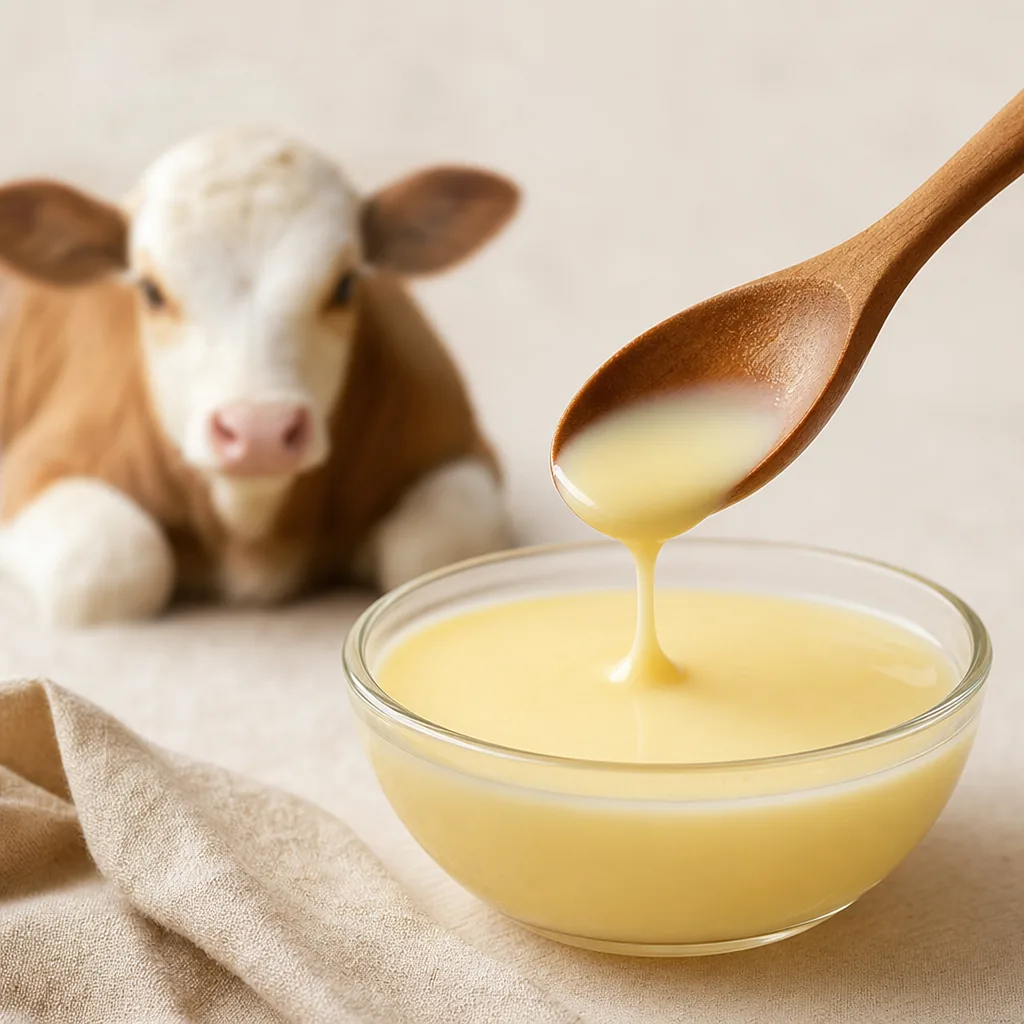
What is Colostrum? Colostrum is the first milk produced by mammals in the first days after giving birth. It is rich in immunoglobulins (antibodies such as…
Read more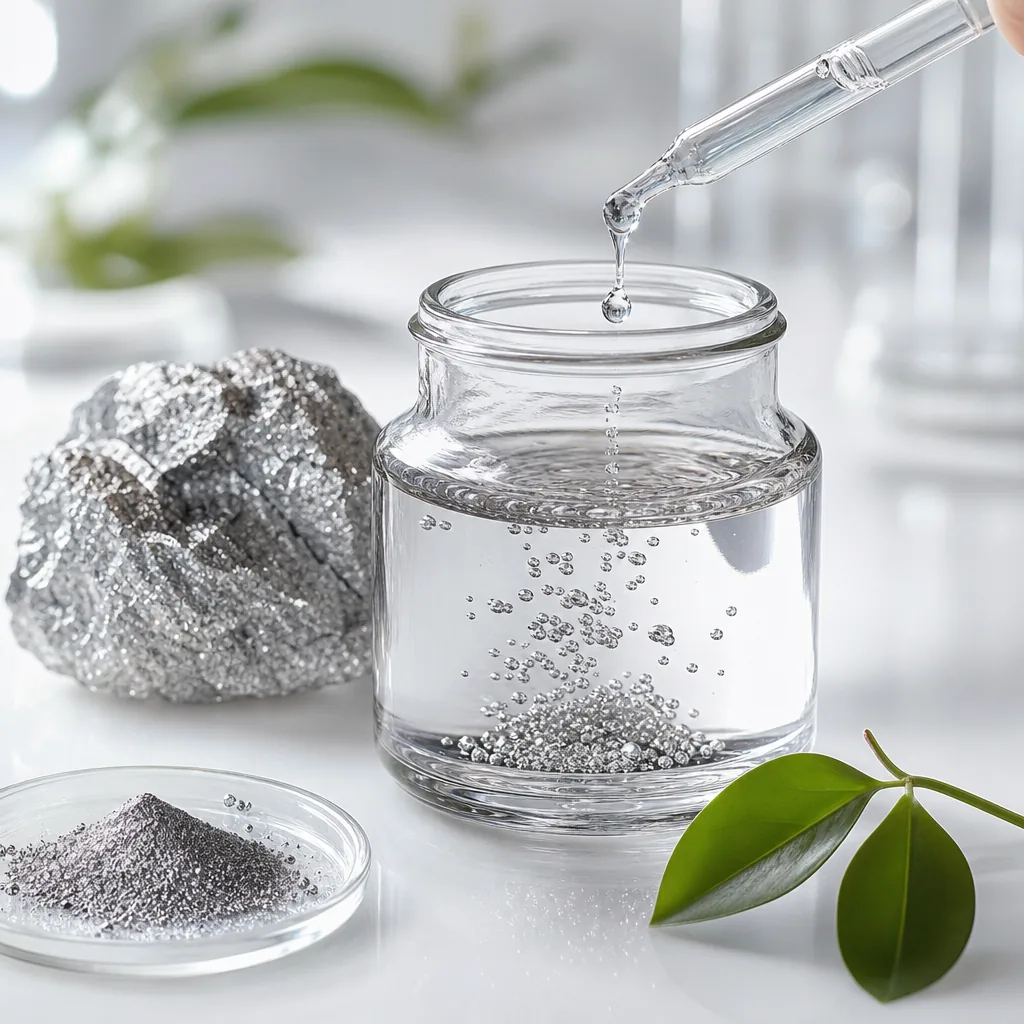
What is Colloidal Silver? Colloidal silver is a suspension of extremely small particles of elemental silver dispersed in liquid, typically water. Products…
Read more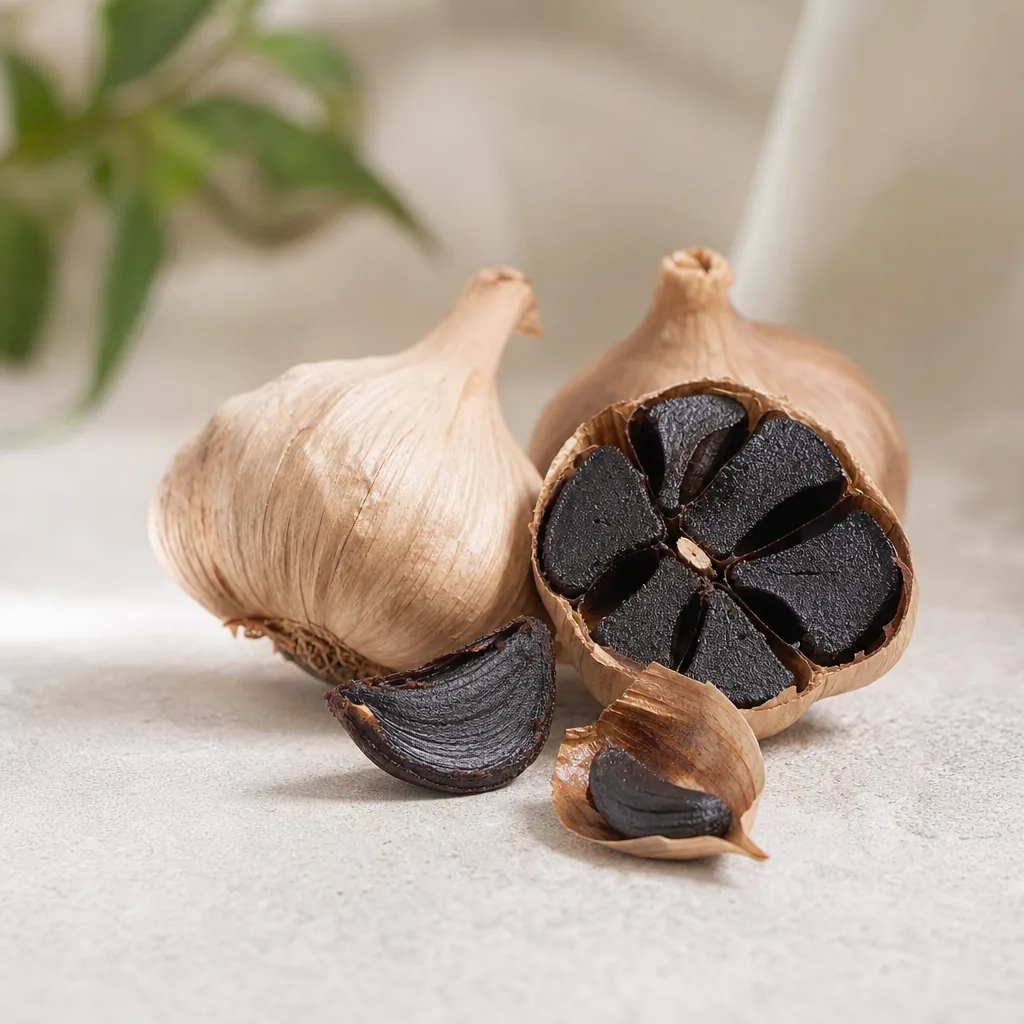
What is Black Garlic? Black garlic is a culinary form of garlic (Allium sativum) that has been slowly aged at controlled warm temperatures and high humidi…
Read more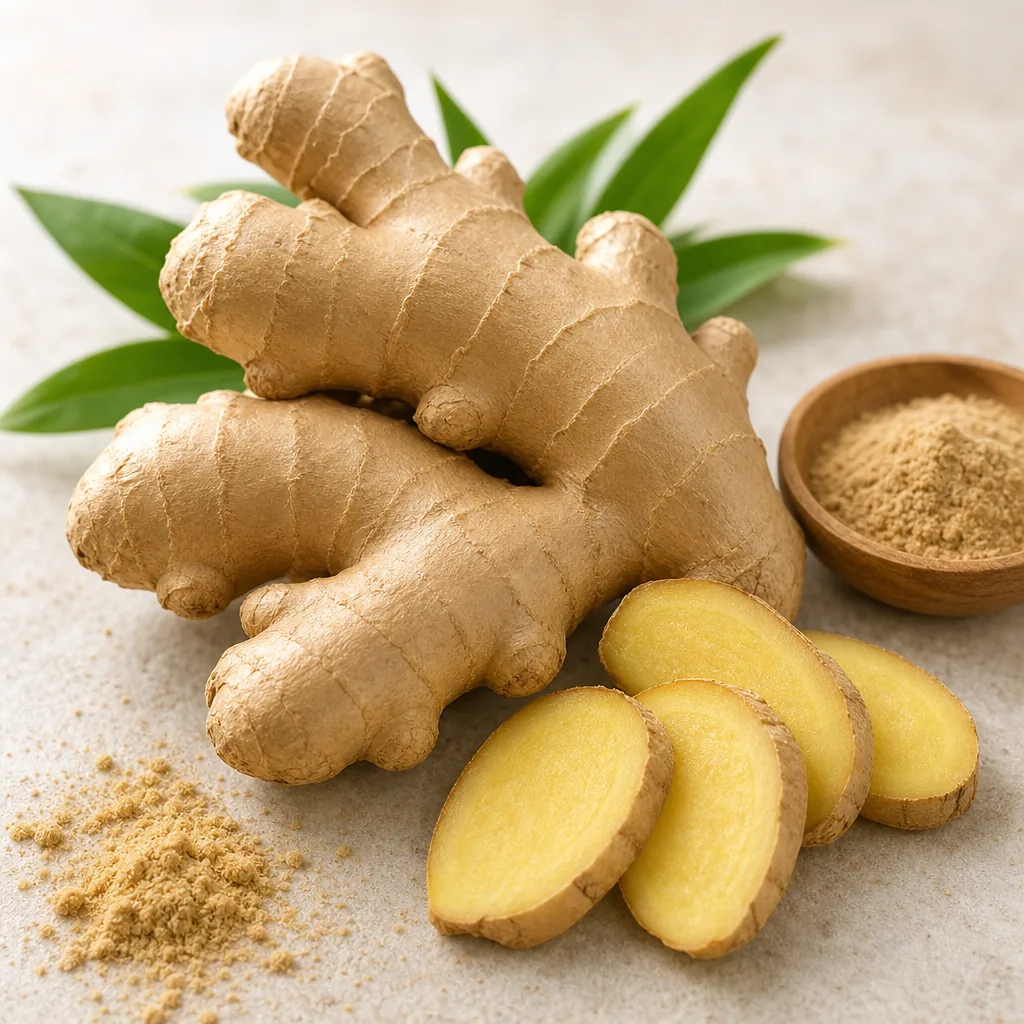
What is Ginger root? Ginger root is the knobby underground stem (rhizome) of Zingiber officinale, a flowering plant in the Zingiberaceae family. Used for …
Read more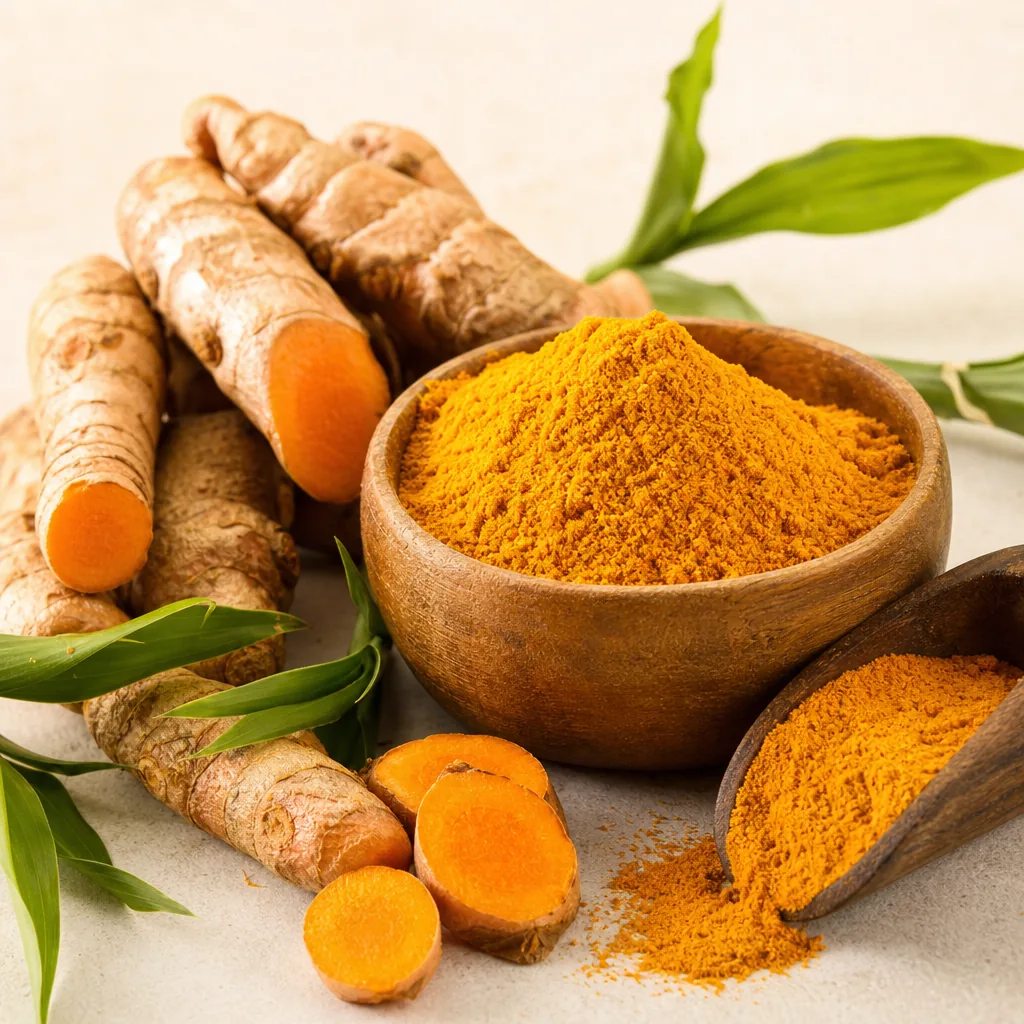
What is Turmeric? Turmeric is the bright yellow-orange rhizome (root) of Curcuma longa, a plant in the ginger family native to South Asia. As a culinary s…
Read more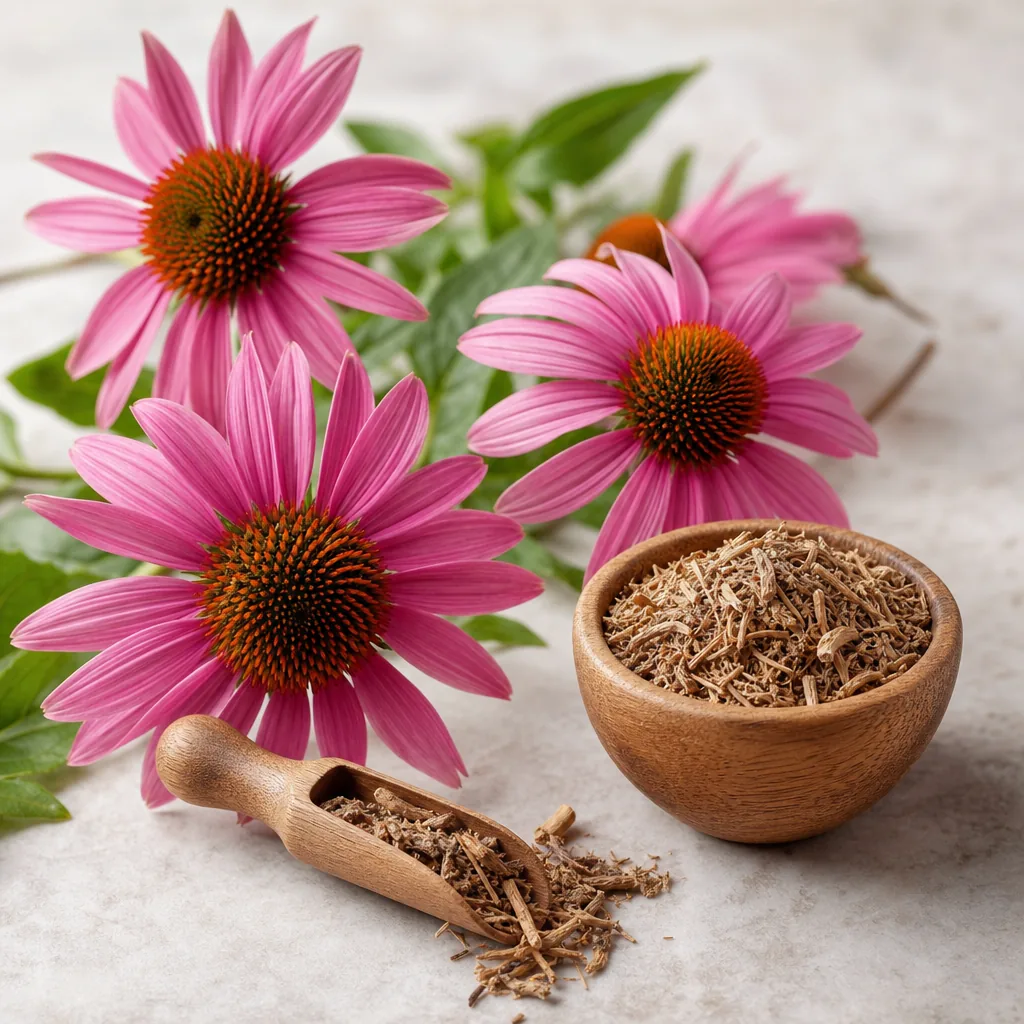
What is Echinacea? Echinacea is a group of flowering plants in the daisy family (Asteraceae), native to North America. The most commonly used species in s…
Read more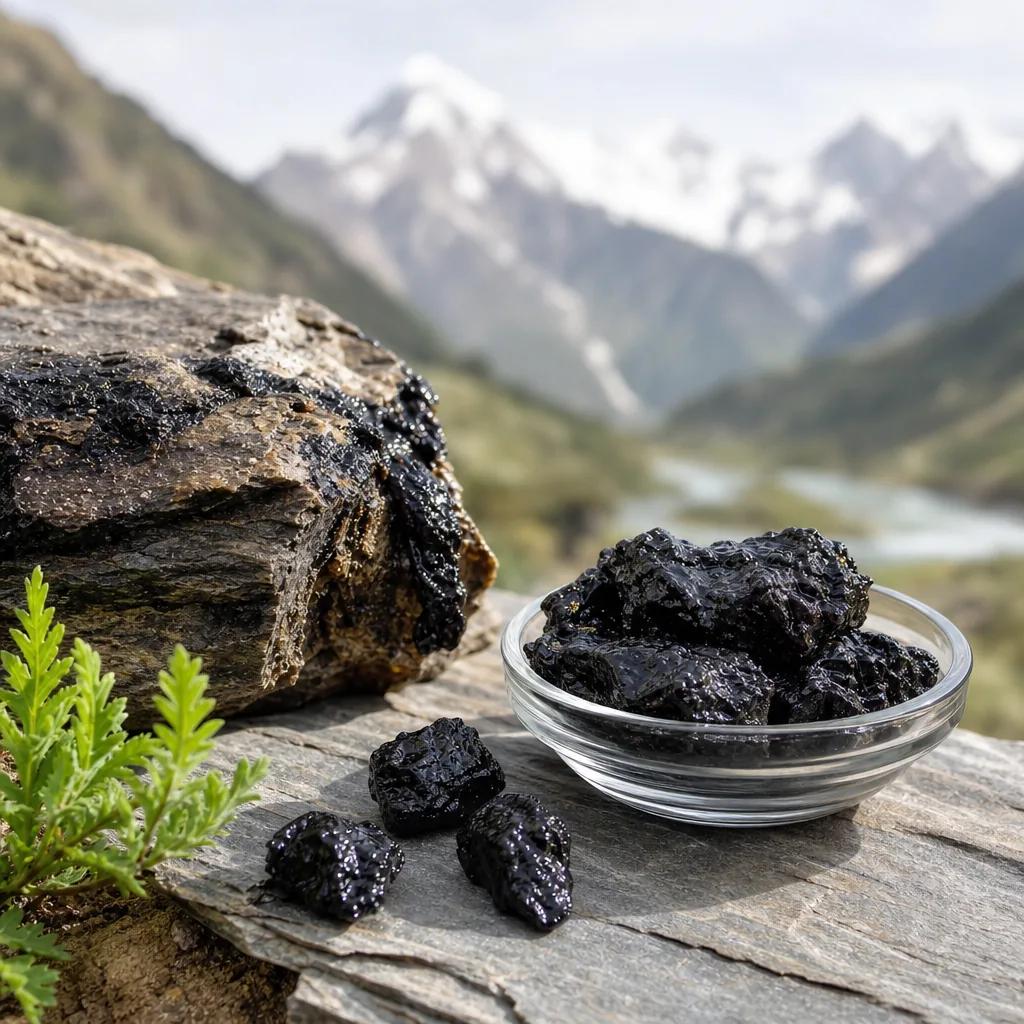
What is Shilajit? Shilajit is a tar-like, mineral-rich exudate that seeps from rocks in high mountain ranges such as the Himalayas, Altai, and Caucasus, f…
Read more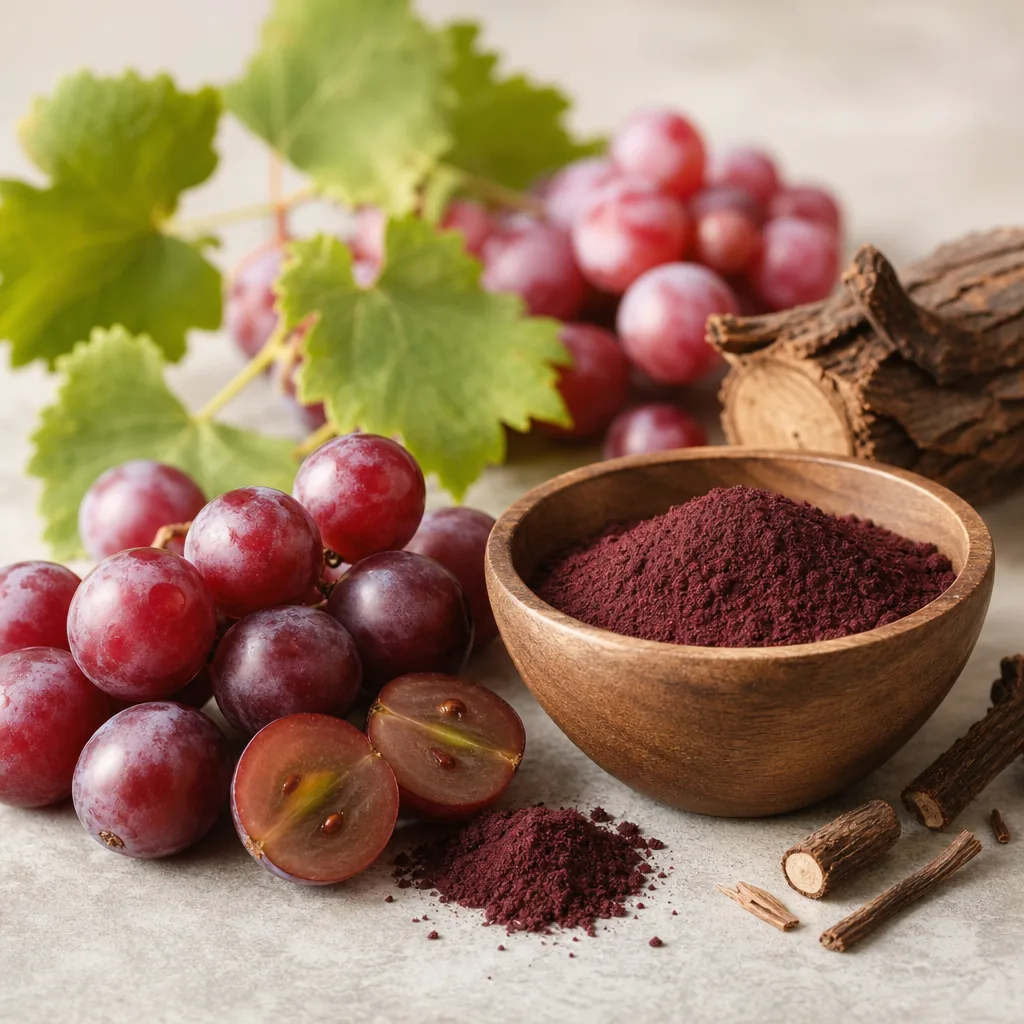
What is Resveratrol? Resveratrol is a naturally occurring polyphenol (specifically a stilbene) found in certain plants as part of their defense system. It…
Read more
What is Benfotiamine? Benfotiamine is a fat-soluble derivative of thiamine (vitamin B1) designed to enhance absorption and increase thiamine availability …
Read more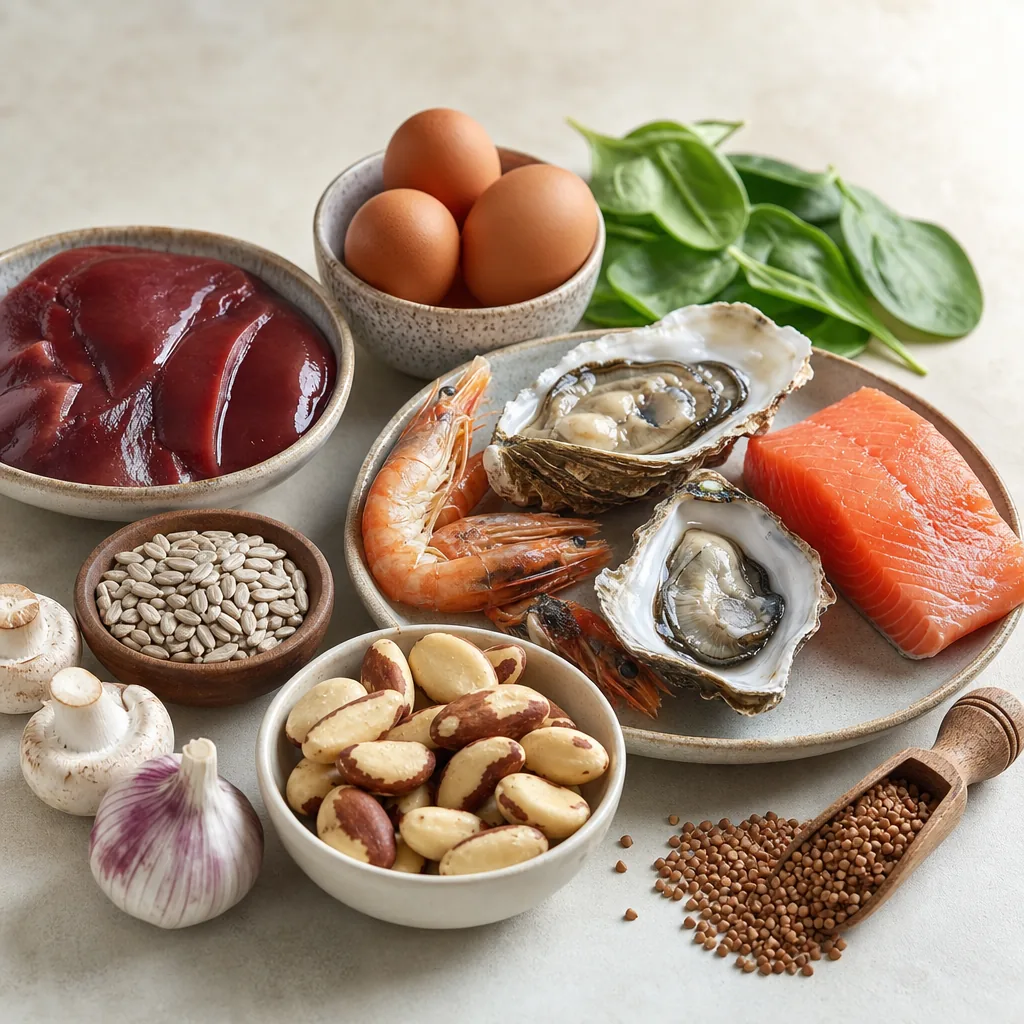
What is Selenium? Selenium is an essential trace mineral that the body needs in very small amounts to support critical processes. It is naturally present …
Read more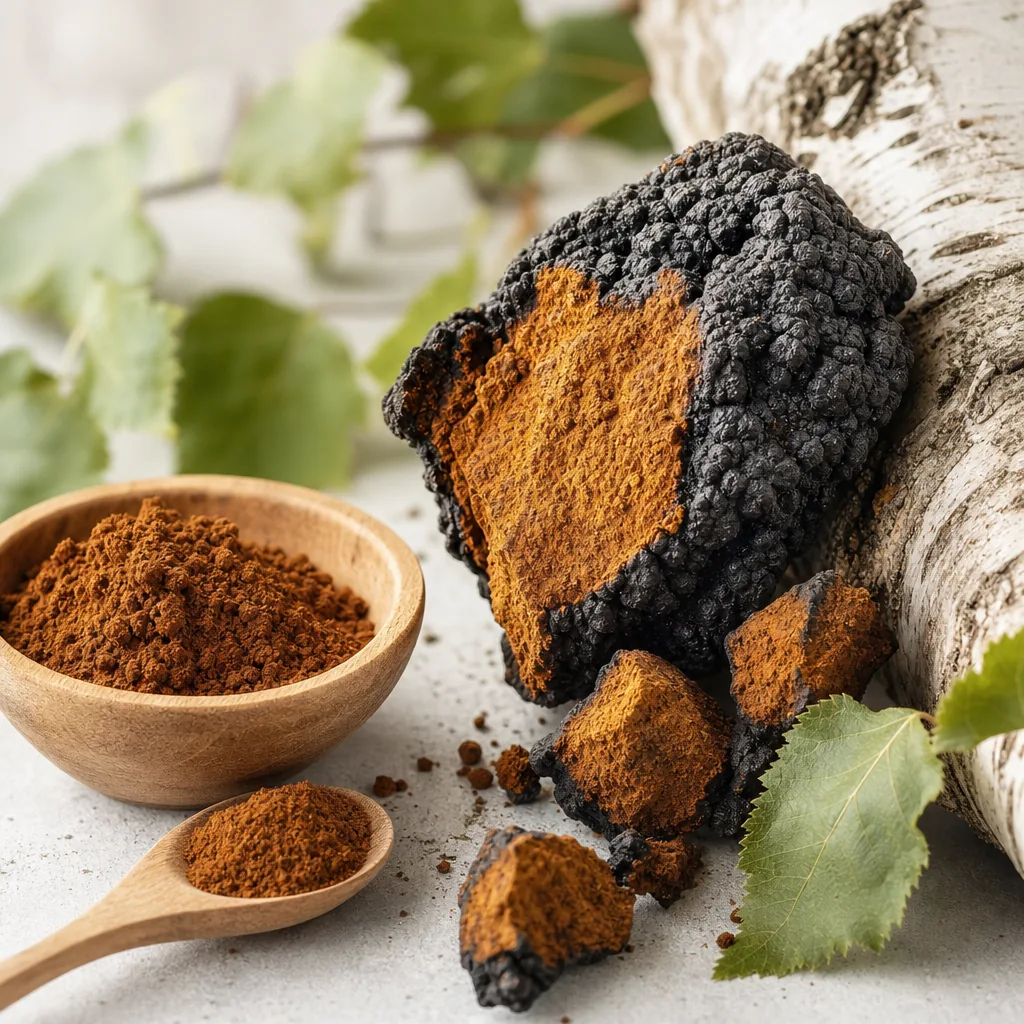
What is Chaga? Chaga (Inonotus obliquus) is a slow-growing, woody fungal mass (called a sclerotium) that forms primarily on birch trees in cold climates s…
Read more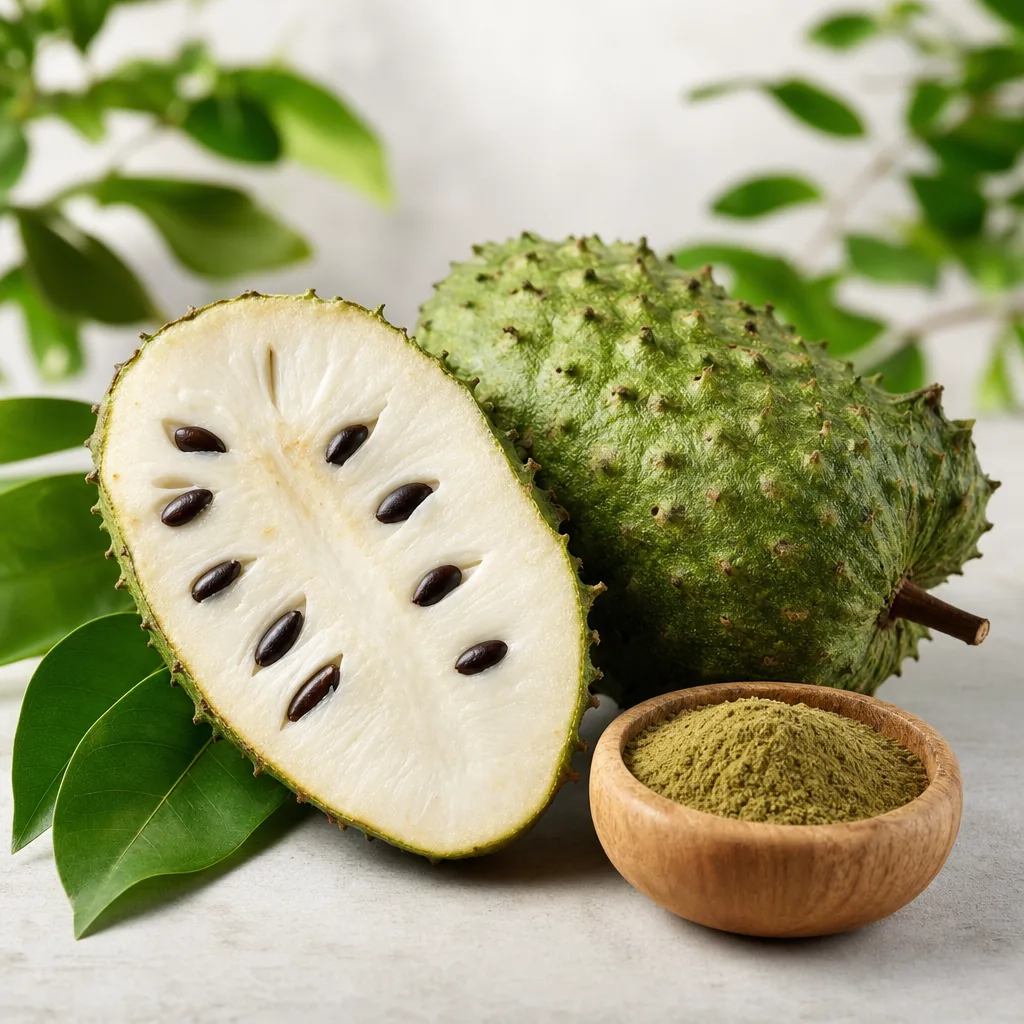
What is Graviola? Graviola (Annona muricata), also known as soursop or guanábana, is a tropical evergreen tree native to the Caribbean and Central and Sou…
Read more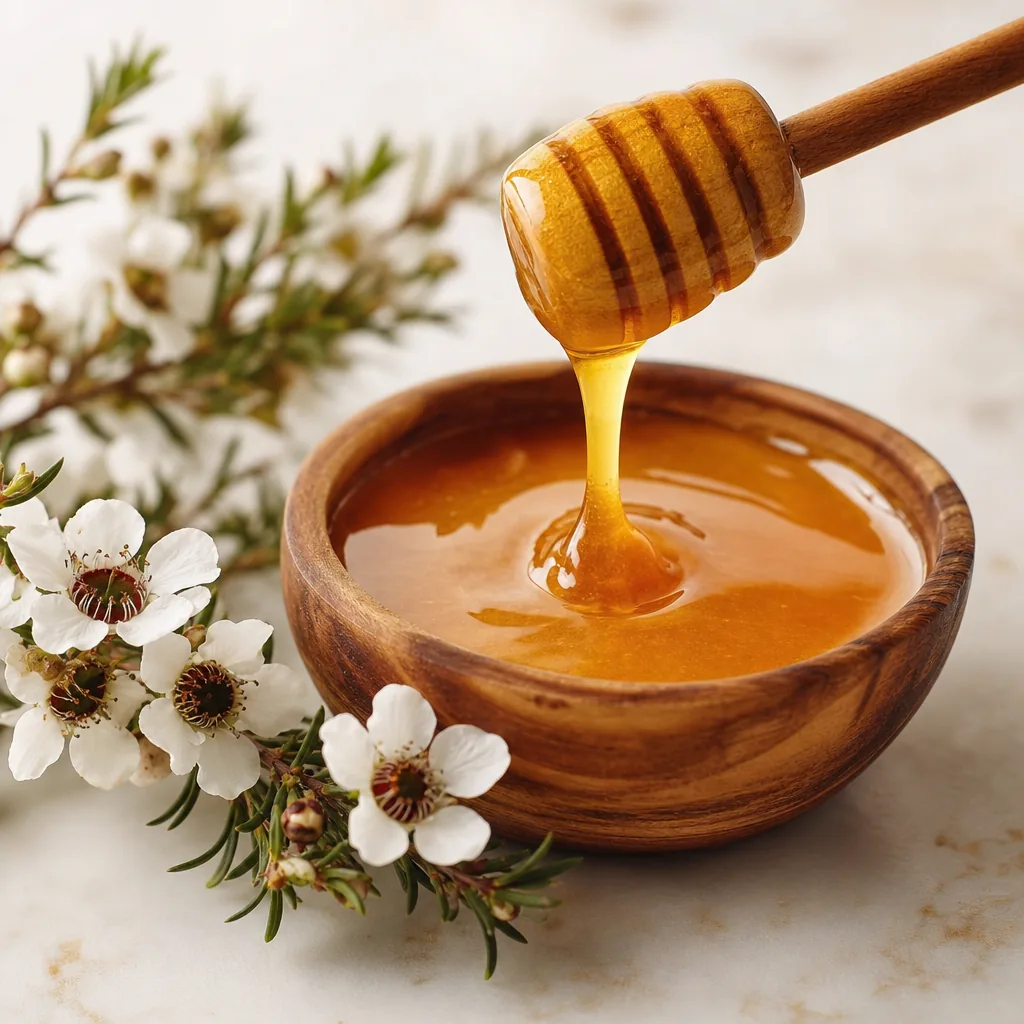
What is Manuka Honey? Manuka honey is a distinctive type of honey produced by bees that pollinate the Manuka tree (Leptospermum scoparium), a shrub native…
Read more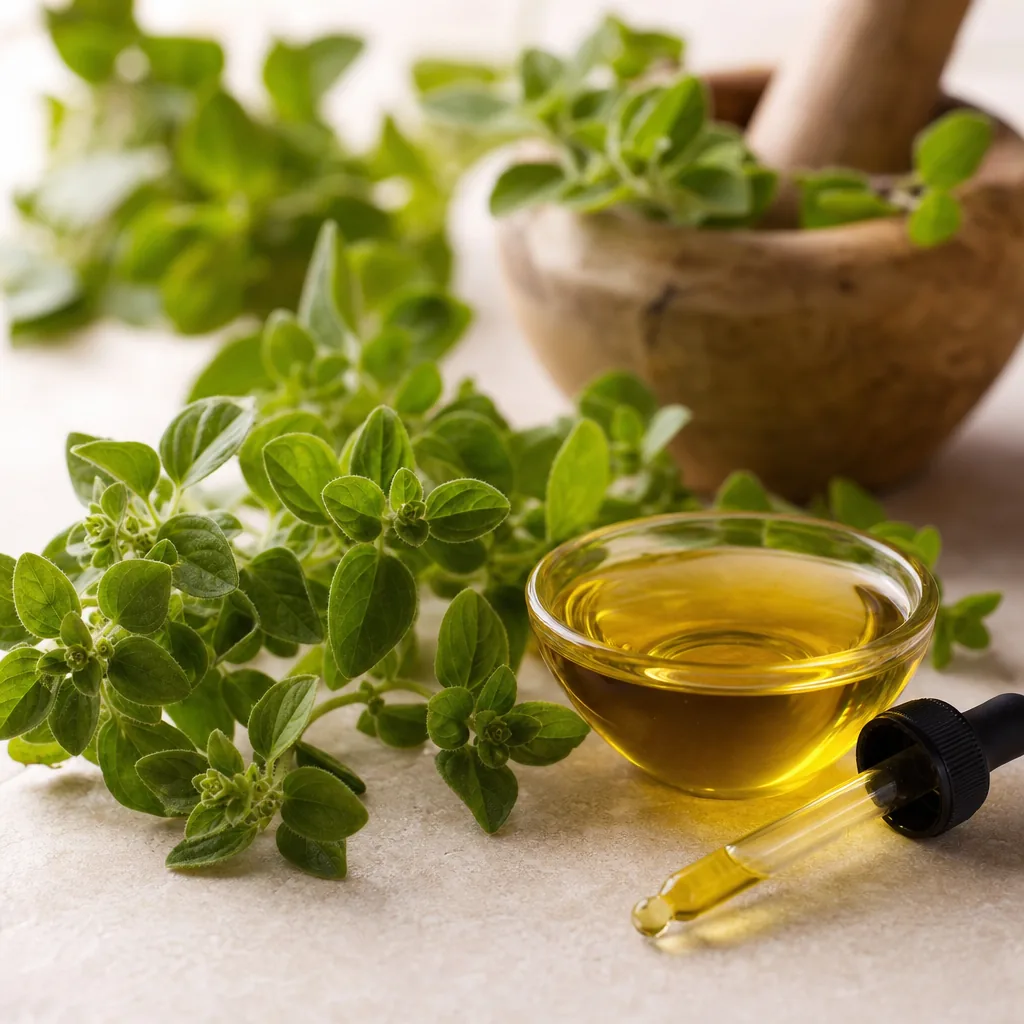
What is Oregano oil? Oregano oil is a concentrated essential oil distilled from the leaves of the oregano plant, most commonly Origanum vulgare or closely…
Read more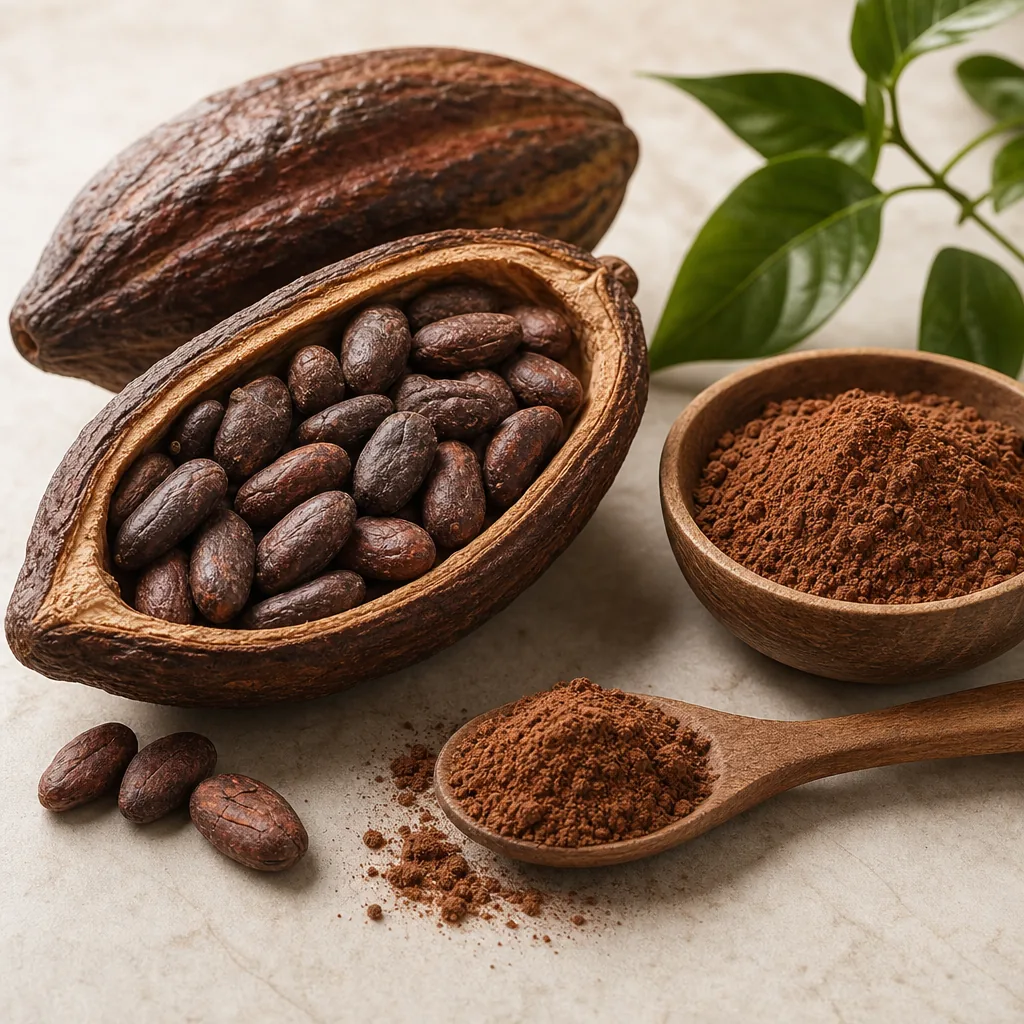
What is Theobromine? Theobromine is a naturally occurring methylxanthine compound found primarily in cacao (the beans used to make cocoa and chocolate). I…
Read more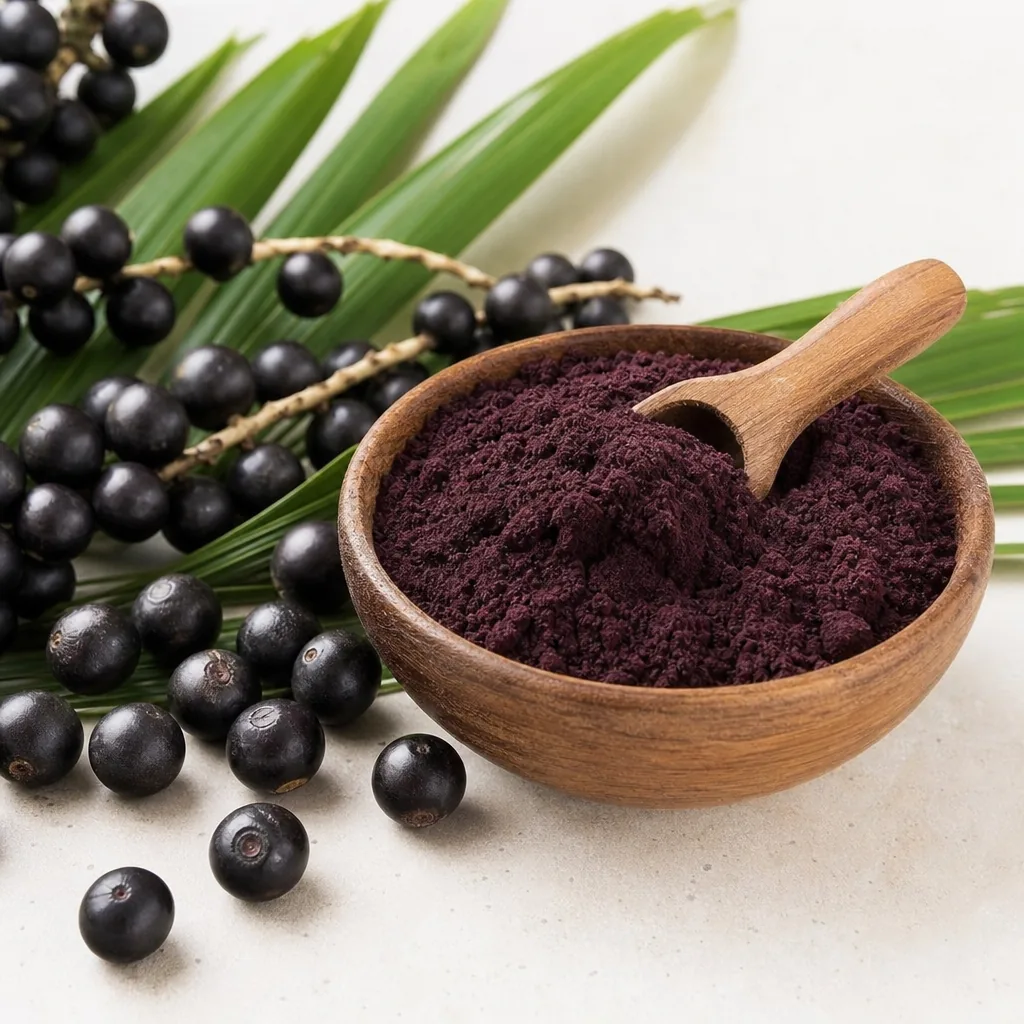
What is Açai Extract? Açai extract comes from the dark purple berries of the açai palm (Euterpe oleracea), a tree native to the Amazon basin. The berries …
Read more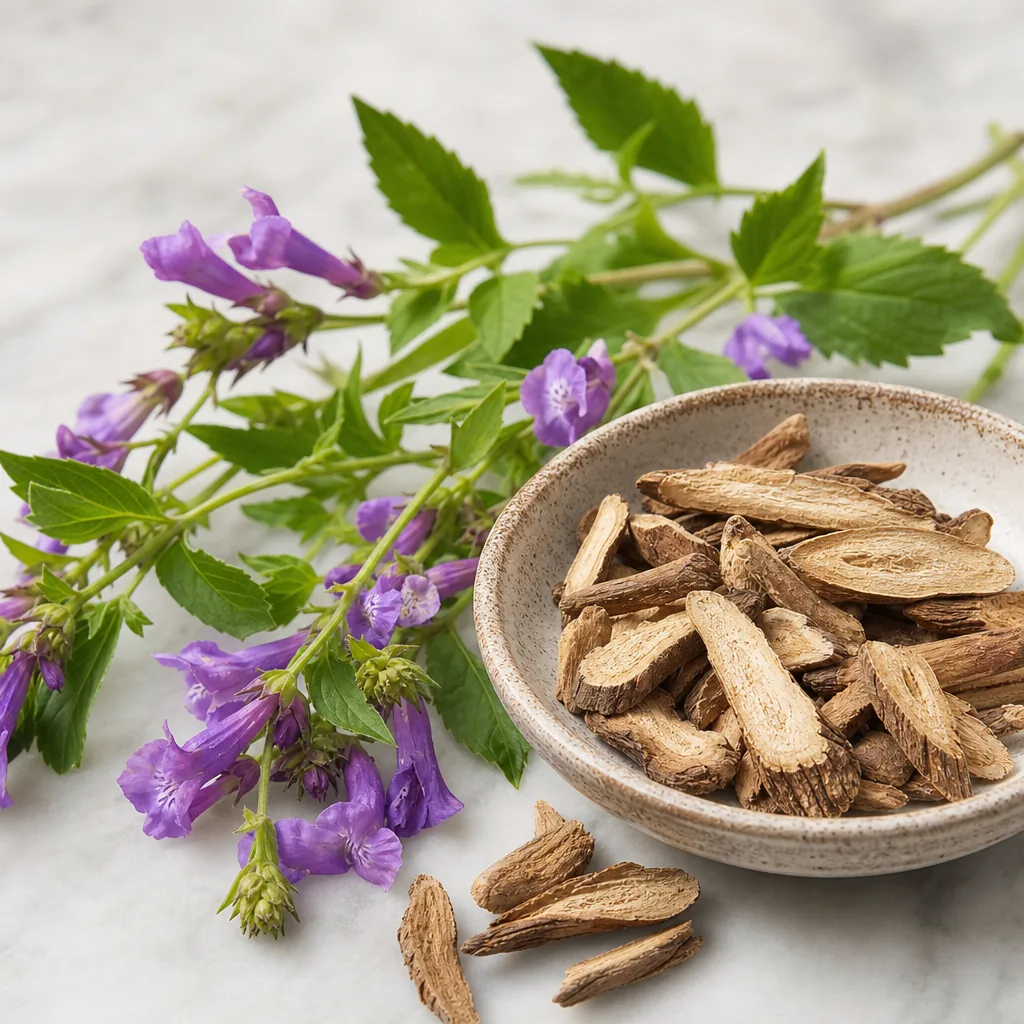
What is Chinese Skullcap? Chinese skullcap (Scutellaria baicalensis Georgi), also known as Huang Qin, is a perennial herb in the mint family whose dried r…
Read more