What is Aloe Vera?
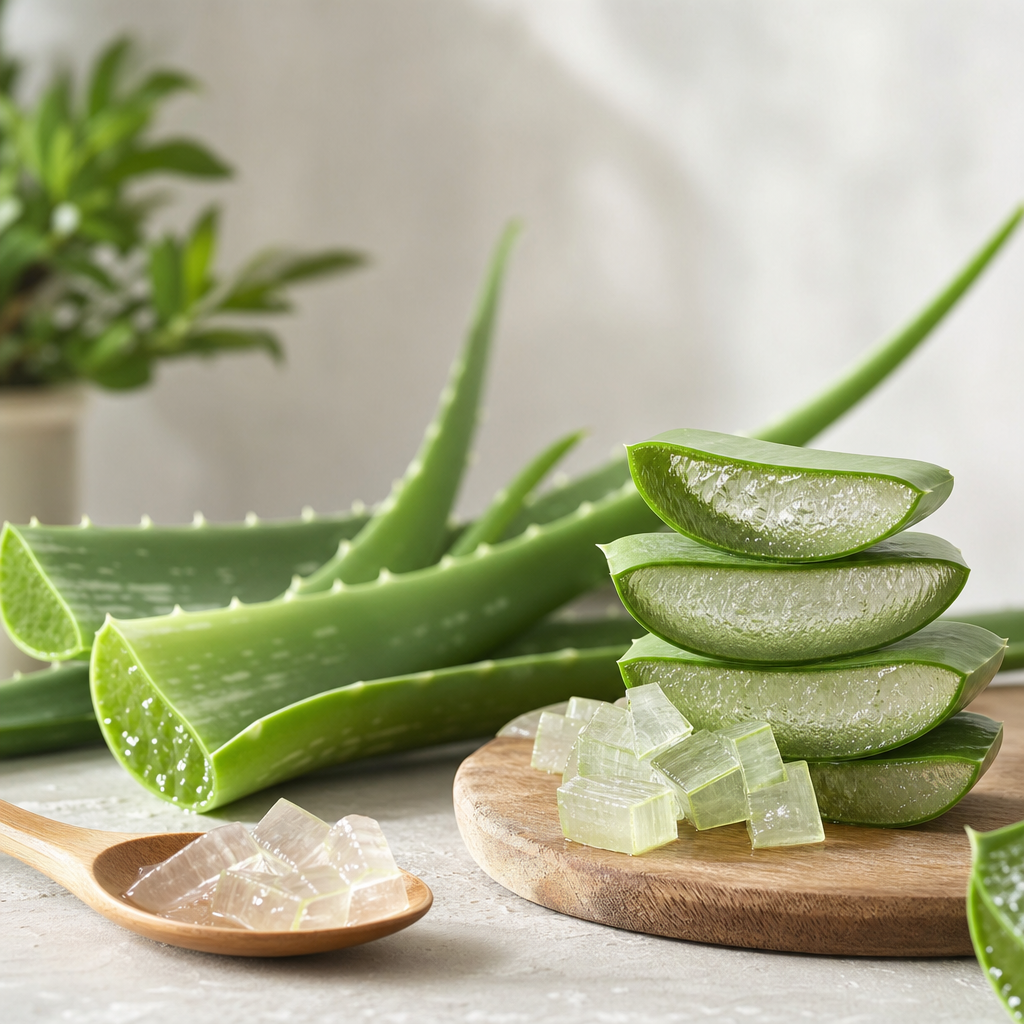
Aloe vera is a succulent plant (Aloe barbadensis Miller) long used in traditional medicine and skin care. Its fleshy leaves contain two distinct substances: the clear inner gel (rich in water, polysaccharides such as acemannan, and minor phytonutrients) and the yellow latex just beneath the leaf rind (containing anthraquinone glycosides like aloin). The inner gel is commonly used in topical gels, creams, beverages, and capsules, while the latex has historically been used as a stimulant laxative.
Aloe vera is a botanical, not an essential nutrient. Unlike vitamins and minerals, the body does not require aloe vera to function. It may, however, provide supportive effects for skin comfort, minor wound care, oral health, and certain digestive concerns when used appropriately. Modern products typically use “decolorized,” purified inner fillet gel to minimize aloin, which is associated with laxative effects and safety concerns.
Benefits of Aloe Vera
-
Soothing minor burns and sunburn (topical)
(Moderate evidence)
Topical aloe gel can provide a cooling, moisturizing layer that may reduce discomfort and support faster recovery for superficial burns and sunburn. Multiple controlled trials suggest aloe can modestly reduce healing time and improve symptoms for first- and some second-degree burns when used promptly and consistently, often alongside standard first aid (cool water, non-adhesive dressings).
-
Minor wound healing and skin irritation support (topical)
(Mixed evidence)
Aloe vera gel and creams, particularly those standardized for acemannan, may modestly aid re-epithelialization in abrasions, small surgical incisions, and irritant dermatitis. Some studies show quicker closure and reduced redness, while others find little difference from standard care. Benefits appear greater for superficial, uncomplicated wounds when infection is not present and proper wound hygiene is followed.
-
Dental plaque and gingivitis reduction (mouthwash/gel)
(Moderate evidence)
Aloe-based mouthwashes and gels have been shown in several clinical studies to reduce plaque and gum inflammation, sometimes performing comparably to chlorhexidine without the burning or staining associated with some conventional rinses. Benefits likely stem from soothing properties and modest antimicrobial activity. Consistent daily rinsing and regular brushing/flossing remain essential.
-
Occasional constipation from aloe latex (oral)
(Strong evidence, but important safety concerns)
Aloe latex contains anthraquinones (e.g., aloin) that stimulate bowel movements. While this effect is well established, aloe latex is no longer permitted in U.S. over-the-counter laxatives due to safety uncertainties and potential harms with use. Chronic or high intake may cause cramping, diarrhea, electrolyte disturbances, and other complications. Many experts advise avoiding aloe latex; consider safer bowel strategies (fiber, fluids, activity) or consult a clinician for evidence-based options.
-
Blood glucose support in type 2 diabetes or prediabetes (oral gel/extract)
(Mixed evidence)
Several small trials suggest oral aloe gel or extracts may modestly lower fasting glucose and A1c when used alongside diet, exercise, and medication. However, results vary widely by product and study design. Anyone with diabetes should consult a healthcare professional before trying aloe orally, as it may interact with medications and affect sugar control.
-
Heartburn/GERD symptom relief (oral syrup/gel)
(Preliminary evidence)
Early studies indicate aloe vera syrups or gels taken before meals may reduce reflux-related discomfort in some people. Product formulations and doses differ substantially, and larger, well-controlled trials are needed. If tried, it should complement—not replace—standard care and lifestyle measures (meal timing, trigger avoidance, weight management).
Types or Forms Available
-
Topical gel and creams (inner fillet):
Made from the clear inner gel of the leaf, often decolorized and purified to reduce aloin. Used for sunburns, minor burns, irritations, and general skin hydration. Some products are standardized to polysaccharides like acemannan.
-
Oral juice/gel drinks (decolorized inner fillet):
Beverages or gels intended for ingestion. Quality products are filtered to reduce anthraquinones (often labeled as “aloin-free” or “<10 ppm aloin”). Formulations vary widely in concentration and added ingredients (e.g., sugar, flavors).
-
Capsules/tablets/powders:
Dried aloe gel powders or extracts, sometimes standardized to acemannan content. Dosage equivalence to fresh gel varies by manufacturer; standardized labels help with consistency.
-
Aloe latex (yellow sap) and “whole-leaf” preparations:
Latex is rich in anthraquinones with stimulant laxative effects. Due to safety concerns, many reputable products avoid latex or employ decolorization to minimize aloin. Whole-leaf products may contain more anthraquinones unless carefully processed.
-
Mouthwash and oral gels:
Alcohol-free rinses and gels for plaque control, gingival comfort, or oral mucosa care. Often combined with other soothing agents.
How to Use Aloe Vera
Appropriate use depends on the goal and product type. Choose reputable brands that disclose processing methods (e.g., decolorized, inner fillet) and aloin content, and follow label directions. Discontinue and seek care if symptoms worsen or irritation occurs.
-
Common dosage range:
- Topical: Apply a thin layer of gel or cream to clean, intact skin 1–3 times daily. For minor burns, cool the area with water first, then apply aloe; avoid using on deep or infected wounds without medical guidance.
- Oral gel/juice: Typical servings range from 15–50 mL up to 1–3 times daily (or equivalent standardized capsules), depending on the product’s concentration. Start low to assess tolerance. Products should be decolorized with very low aloin.
- Mouthwash: Rinse 10–15 mL for 30–60 seconds, 1–2 times daily after brushing and flossing.
-
Best timing:
For digestive comfort, many people take aloe shortly before meals. Mouthwash is best used after oral hygiene routines. Topical use is applied as needed through the day.
-
How to take it:
Oral aloe is usually taken with water. Many prefer it with or after food to reduce GI upset. Avoid combining with stimulant laxatives or taking it alongside medications without guidance.
-
Consistency:
For skin or oral health, daily use over several weeks is often needed to gauge benefit. For digestive support, reassess after 2–4 weeks. Do not rely on aloe latex for regular bowel habits.
Food Sources and Supplement Options
Aloe vera is a plant-derived botanical rather than a typical dietary food. The clear inner gel from Aloe barbadensis leaves is used to make topical products, oral gels/juices, and supplements. Some beverages and yogurts include aloe pulp or gel, but these are processed ingredients, not whole-food staples.
Supplements or prepared products make sense when a targeted approach is desired—such as a standardized gel for skin application, an alcohol-free mouthwash for gum comfort, or a decolorized oral gel formulated for digestive support. Whole-food eating patterns provide vitamins, minerals, fiber, and phytonutrients that aloe does not replace; aloe products are more akin to specific-use botanicals than everyday nutrition.
Who May Benefit from Aloe Vera?
-
People with minor sunburns or superficial burns seeking soothing, cooling relief alongside standard first aid.
-
Individuals with mild skin irritation or dryness who want a light, hydrating topical gel.
-
Those seeking an alcohol-free mouthwash or gentle oral gel to support plaque and gum health, in addition to brushing and flossing.
-
Adults with occasional heartburn who want to try a non-drug option, after discussing it with a clinician.
-
Some adults with type 2 diabetes or prediabetes, only under professional guidance, given potential effects on blood sugar and medication interactions.
-
Outdoor athletes or workers with frequent sun exposure who need a post-sun skin soother and moisturization routine.
Side Effects and Considerations
-
Aloe latex caution:
The yellow latex under the leaf rind contains anthraquinones that can cause cramping, diarrhea, and electrolyte disturbances (e.g., low potassium). Chronic or high intake has been linked to more serious risks. Many experts advise avoiding aloe latex; choose decolorized inner fillet products with very low aloin.
-
Medication interactions:
Oral aloe may lower blood glucose; it can potentiate diabetes medications and insulin. Diarrhea from latex may affect drug absorption and could increase bleeding risk with anticoagulants. Discuss aloe with your healthcare professional if you take prescription or over-the-counter medications.
-
Heart and kidney considerations:
Fluid and electrolyte losses from diarrhea can interact with diuretics, digoxin, or certain antiarrhythmics. People with kidney disease should avoid aloe latex and be cautious with oral aloe products.
-
Liver effects (rare):
There are isolated reports of liver stress associated with oral aloe products. Stop use and seek care if you notice jaundice, dark urine, or unusual fatigue.
-
Allergies and skin sensitivity:
Some people develop contact dermatitis or irritation, particularly with fragranced products or if latex traces are present. Patch-test topical products on a small area before broader use.
-
Pregnancy, breastfeeding, and children:
Avoid oral aloe during pregnancy and breastfeeding due to limited safety data and potential GI effects; do not give oral aloe to young children. Topical use on intact skin is generally considered acceptable, but discuss with a clinician if uncertain.
-
Surgery and procedures:
Because oral aloe may influence blood glucose and bowel function, stop use at least 1–2 weeks before surgery and inform your surgical team about all supplements.
-
Quality and contamination:
Look for products made from decolorized inner fillet with quantified low aloin content and from reputable manufacturers. Third-party certifications (e.g., industry-specific aloe quality seals) and clear labeling of polysaccharide content are helpful.
-
Appropriate use level:
Do not exceed label directions. More is not better—higher doses increase the chance of GI upset without improving outcomes.
-
Medical guidance:
Anyone who is pregnant, breastfeeding, taking medications, or managing a medical condition (especially diabetes, heart, kidney, or GI disorders) should consult a healthcare professional before using aloe Vera—particularly oral forms.
Common Myths About Aloe Vera
-
Aloe vera can cure severe burns or replace medical care.
Aloe may soothe minor burns and support recovery, but severe burns require urgent medical treatment. Using aloe alone on deep or infected wounds can delay proper care and increase complications.
-
Drinking aloe is always safe because it’s natural.
“Natural” does not guarantee safety. Aloe latex can cause significant GI upset and electrolyte imbalance, and some oral products have been linked to rare liver issues. Choose decolorized inner fillet products and use them cautiously.
-
Aloe is a proven weight-loss or “detox” solution.
Any short-term weight change from stimulant laxatives reflects water and stool loss, not fat reduction. Relying on laxatives is not a safe or sustainable fat-loss strategy and can be harmful.
-
Aloe can treat or prevent cancer.
No high-quality human evidence supports aloe as a cancer treatment. While laboratory studies explore various plant compounds, aloe should not replace evidence-based oncology care.
Conclusion
Aloe vera is a versatile botanical most useful as a topical soother for minor burns, sunburn, and irritated skin, and as a gentle adjunct in oral care. Some people also explore decolorized oral gels for digestive comfort or metabolic support, but research varies by product and dose, and careful selection and monitoring are important. Quality matters: choose decolorized inner fillet products with very low aloin and clear labeling, and follow directions.
If you are pregnant or breastfeeding, take medications, or manage a medical condition, consult a healthcare professional before using aloe—especially orally. For general wellness, a food-first approach remains foundational, while aloe can serve as a targeted, short-term aid for specific goals. Avoid aloe latex laxatives due to safety concerns, and seek medical care for serious burns, wounds, or persistent symptoms.