What is Berberine?
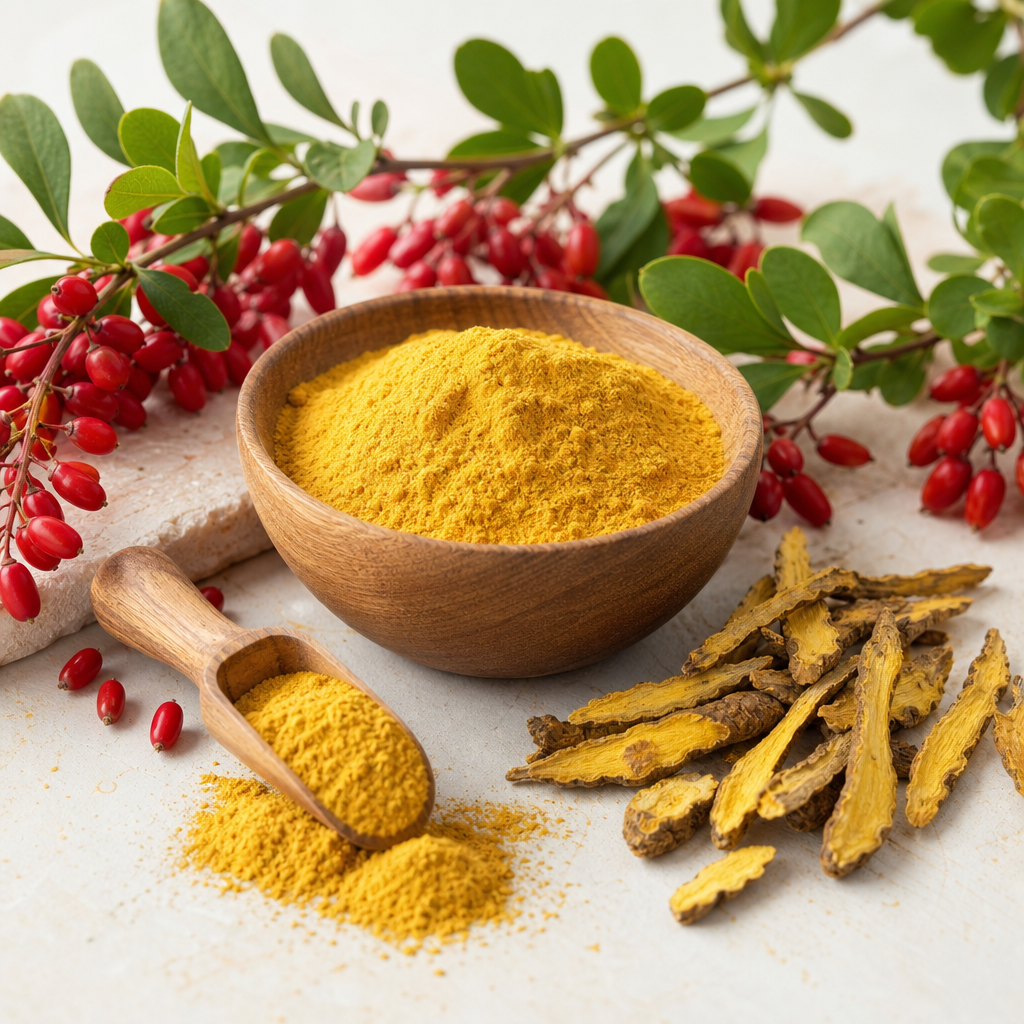
Berberine is a bitter, yellow alkaloid compound naturally found in several plants, including barberry (Berberis aristata), goldthread (Coptis chinensis), goldenseal (Hydrastis canadensis), Oregon grape (Mahonia aquifolium), and Phellodendron bark (Phellodendron amurense). It has a long history of use in traditional systems of medicine, particularly for digestive and metabolic concerns. In modern wellness, berberine is typically taken as a standardized botanical extract or in purified form (most commonly berberine HCl) and is sold as a dietary supplement.
Biologically, berberine influences multiple cellular pathways. Notably, it can activate AMP-activated protein kinase (AMPK), a cellular energy sensor involved in glucose and lipid metabolism. It also appears to affect gut microbiota composition and bile acid signaling, which may contribute to metabolic effects. Berberine is not an essential nutrient; the body does not require it in the same way it requires vitamins, minerals, essential fatty acids, or essential amino acids. Instead, it is a plant-derived compound that may support specific health goals in certain individuals.
Benefits of Berberine
-
Glycemic control in type 2 diabetes and prediabetes
(Moderate evidence)
Berberine can help lower fasting blood glucose and hemoglobin A1c in adults with elevated glucose, especially when paired with diet and exercise. Meta-analyses of randomized trials suggest clinically meaningful reductions in A1c (often around 0.5–1.0 percentage point), though study quality and dosing vary. Benefits may be comparable to some first-line medications in small trials, but berberine should not replace prescribed therapy without medical guidance.
-
Improved lipid profile (LDL cholesterol and triglycerides)
(Moderate evidence)
Supplementation has been associated with reductions in LDL cholesterol and triglycerides and modest improvements in total cholesterol. Effects likely relate to hepatic lipid metabolism, bile acid signaling, and improved insulin sensitivity. Changes are generally additive to lifestyle measures and may complement, but not substitute for, physician-directed lipid management.
-
Weight management support
(Mixed evidence)
Some studies report small reductions in body weight and waist circumference, likely due to improved insulin sensitivity and gut-mediated mechanisms. However, results are inconsistent, effects are modest (often a few pounds over several months), and berberine does not replicate the appetite-suppressing or weight-loss magnitude of prescription medications.
-
Nonalcoholic fatty liver disease (NAFLD/MAFLD) markers
(Mixed evidence)
Trials and observational studies suggest berberine may lower liver enzymes (ALT/AST) and reduce liver fat when combined with calorie control and physical activity. Many studies use combination formulas or lifestyle interventions, making it hard to isolate berberine’s effect. More high-quality trials are needed.
-
Polycystic ovary syndrome (PCOS) and insulin resistance
(Preliminary evidence)
Early studies in people with PCOS show improvements in insulin sensitivity, lipids, and sometimes menstrual regularity. Data are promising but limited by small sample sizes and heterogeneous protocols. Individuals with PCOS should work with a clinician to integrate berberine carefully with comprehensive care.
-
Gut microbiome modulation
(Preliminary evidence)
Berberine can influence gut bacteria and intestinal barrier function, potentially contributing to its metabolic effects. While mechanistic and early clinical data are intriguing, the clinical significance of specific microbiome changes remains under investigation.
-
Blood pressure (small reductions)
(Limited evidence)
Some studies report modest decreases in systolic and diastolic blood pressure, often alongside improvements in metabolic parameters. Evidence is less consistent than for glucose and lipids, and any effect appears small in magnitude.
-
Antimicrobial support for acute diarrhea
(Limited evidence)
Historically used for infectious diarrhea, berberine shows antimicrobial activity against certain pathogens. Limited clinical data suggest it may reduce duration or severity of acute episodes, but it should not replace medical care for severe or persistent symptoms.
Types or Forms Available
-
Berberine HCl (hydrochloride)
: The most common supplemental form, typically standardized to a high berberine content. It’s widely studied and generally used in doses of 300–500 mg per serving. Absorption is modest; dividing the daily dose helps.
-
Dihydroberberine (DHB)
: A reduced form designed to enhance bioavailability by converting to berberine in the gut. Early data suggest higher absorption at lower doses, but clinical evidence is less extensive than for berberine HCl.
-
Phytosome or liposomal complexes
: Formulations that bind berberine to phospholipids or use lipid carriers to improve uptake. They may allow for lower dosing with similar effects, though head-to-head clinical trials are limited.
-
Whole-herb extracts
(e.g., Berberis aristata, Coptis chinensis): Provide a spectrum of alkaloids including berberine. Potency can vary; look for standardized extracts with stated berberine content to ensure consistent dosing.
-
Combination formulas
: Products pairing berberine with ingredients like silymarin (milk thistle), inositol, cinnamon, or chromium. Some combinations aim to improve tolerability or synergize metabolic effects. Evidence depends on the specific formula.
-
Extended-release tablets
: Designed to spread delivery and potentially reduce gastrointestinal side effects. Availability varies, and comparative data versus standard capsules are limited.
How to Use Berberine
Consistency and sensible dosing are important because berberine has relatively short-lived effects and modest oral absorption. Most studies use divided doses with meals to support tolerability and steady exposure.
-
Common dosage range:
1,000–1,500 mg per day of berberine HCl, divided into 2–3 doses (for example, 500 mg with breakfast and dinner, or 500 mg three times daily). Some individuals respond to 600–1,000 mg/day. If using dihydroberberine or phytosome forms, effective doses may be lower; follow product-specific guidance. Avoid excessive doses and do not exceed label directions.
-
Best timing:
Take with or shortly before meals to help with post-meal glucose handling and reduce stomach upset. Spacing doses 6–8 hours apart can help maintain effect.
-
How to take it:
Swallow with water and a meal or snack that contains carbohydrates and protein. If you experience GI discomfort, start with a lower dose once daily and increase gradually over 1–2 weeks.
-
Consistency:
Daily use is typical for metabolic goals. Many studies run 8–16 weeks; longer-term use should be guided by a healthcare professional with periodic monitoring (e.g., A1c, lipids, liver enzymes) to assess ongoing need.
Food Sources and Supplement Options
Berberine is not a common dietary nutrient and is not meaningfully obtained from typical foods. It occurs naturally in the roots, bark, and stems of certain plants rather than edible staples. For this reason, berberine is primarily consumed as a supplement derived from botanical sources.
-
Natural botanical sources:
Berberis aristata (tree turmeric/Indian barberry), Coptis chinensis (goldthread), Hydrastis canadensis (goldenseal), Mahonia aquifolium (Oregon grape), and Phellodendron amurense (Amur cork tree).
Supplements can provide targeted, consistent dosing that is difficult to achieve through traditional herbal preparations. They may be considered when lifestyle measures alone are insufficient for specific metabolic goals, or as an adjunct under medical supervision. Whole foods remain foundational for overall health, supplying fiber, phytonutrients, and essential micronutrients that supplements do not replace.
Who May Benefit from Berberine?
-
Adults with elevated fasting glucose, impaired glucose tolerance, or type 2 diabetes seeking additional support alongside diet, exercise, and clinician-guided care.
-
People with atherogenic lipid patterns (elevated LDL and triglycerides) who are pursuing multifaceted lipid management with a healthcare professional.
-
Individuals with metabolic syndrome features (central adiposity, dyslipidemia, elevated blood pressure, impaired fasting glucose) working on comprehensive lifestyle change.
-
Some individuals with NAFLD/MAFLD engaging in weight management and physical activity programs, under clinician monitoring of liver enzymes and imaging when appropriate.
-
People with PCOS and insulin resistance being co-managed by a clinician, especially when first-line diet, exercise, and prescribed therapies need additional support.
-
Those who cannot tolerate certain medications and are exploring adjunctive non-drug options, with medical oversight to avoid unsafe substitutions.
-
Health-conscious individuals focused on post-meal glucose responses who understand that benefits are modest and best realized with lifestyle changes.
Side Effects and Considerations
-
Gastrointestinal effects are common:
Nausea, abdominal cramping, constipation or diarrhea, gas, and a bitter taste can occur, especially at higher doses or when starting. Taking with meals and titrating slowly can help.
-
Risk of low blood sugar when combined with glucose-lowering agents:
Berberine can enhance the effects of insulin, metformin, sulfonylureas, and other antidiabetic drugs. Monitor closely and consult your clinician to adjust medications if needed.
-
Potential interactions via CYP3A4 and P-glycoprotein inhibition:
Berberine may raise levels of drugs such as cyclosporine, tacrolimus, certain statins, calcium channel blockers, antiarrhythmics, and others with narrow therapeutic windows. Medical supervision is essential if you take prescription medications.
-
Anticoagulant/antiplatelet caution:
Berberine may have mild antiplatelet effects. Use caution with warfarin, DOACs, aspirin, or clopidogrel and monitor for bleeding or bruising; involve your healthcare provider.
-
Blood pressure medications:
Because berberine can modestly lower blood pressure, combining it with antihypertensives may lead to dizziness or hypotension in some individuals. Monitor at home and report symptoms.
-
Liver and kidney considerations:
Although used for metabolic liver concerns, berberine is metabolized in the liver; people with liver or kidney disease should seek medical advice before use and consider periodic lab monitoring.
-
Pregnancy, breastfeeding, and infants:
Avoid berberine during pregnancy and breastfeeding due to limited safety data and potential risk of neonatal jaundice from bilirubin displacement. Do not give berberine or goldenseal products to infants or young children unless specifically directed by a pediatric clinician.
-
Surgery and medical procedures:
Because berberine affects glucose and may interact with medications, stop 1–2 weeks before elective surgery and inform your surgical team.
-
Quality and contamination risks:
Choose third-party tested products to reduce the risk of adulteration or inaccurate potency. Look for standardized extracts and reputable brands.
-
Duration of use:
Many studies last 8–16 weeks. Long-term safety beyond 6–12 months is less clear; periodic reassessment with your healthcare professional is prudent.
-
Allergies and sensitivities:
Rarely, hypersensitivity to plant constituents can occur. Discontinue if you experience rash, itching, or swelling.
-
Medical oversight:
If you are pregnant, breastfeeding, taking medications, or managing a medical condition, consult a healthcare professional before starting berberine.
Common Myths About Berberine
-
“Berberine works just like Ozempic and will cause major weight loss.”
GLP-1 receptor agonists are prescription medications with robust weight-loss effects. Berberine’s average impact on weight is modest and inconsistent. It may help some people a little, particularly with metabolic health, but it does not replicate the potency of GLP-1 drugs.
-
“Because it’s natural, berberine is safe for everyone.”
Natural does not automatically mean safe. Berberine can interact with important medications, lower blood sugar and blood pressure, and is not recommended during pregnancy, breastfeeding, or for infants. Quality and dosing matter.
-
“You can replace your diabetes medication with berberine.”
While berberine may improve glycemic markers, stopping or changing prescribed therapy without medical supervision is risky. Any use of berberine for diabetes management should be coordinated with a clinician and alongside lifestyle measures.
-
“Results are immediate.”
Some people notice post-meal glucose changes quickly, but most benefits on A1c, lipids, and weight accrue gradually over weeks to months. Consistent use with diet and activity is key.
Conclusion
Berberine is a plant-derived compound that can support metabolic health—especially blood sugar and lipid management—when used thoughtfully alongside nutrition, physical activity, and clinician-guided care. Evidence is strongest for glycemic and lipid effects, while benefits for weight, fatty liver, and PCOS are more variable. It is not an essential nutrient, nor a cure-all, and it should not substitute for medical therapy without professional guidance.
Because berberine may interact with medications and is not appropriate during pregnancy, breastfeeding, or infancy, safety comes first. Choose high-quality, third-party tested products, start with conservative dosing, and monitor how you respond. A food-first approach remains foundational for overall health, with supplements used for targeted goals when appropriate. If you take medications or manage a medical condition, consult your healthcare professional before adding berberine.