What is Bio-Fisetin?
Bio-Fisetin refers to fisetin, a plant-derived polyphenol (a flavonol) formulated for improved absorption. Fisetin occurs naturally in several fruits and vegetables and has been studied for its antioxidant, anti-inflammatory, and cellular “senotherapeutic” actions in laboratory and animal models. Because fisetin has poor solubility and limited oral bioavailability in its native form, supplement makers often use delivery technologies—such as cyclodextrin complexes, liposomes, micellar emulsions, or phytosome-style complexes—to enhance uptake. Products marketed as “Bio-Fisetin” generally indicate one of these enhanced-bioavailability approaches.
Fisetin is not an essential nutrient like a vitamin or mineral. The body does not require it to prevent deficiency diseases. Instead, it is a non-essential, food-derived bioactive compound that may influence cellular pathways related to oxidative stress, inflammation, and cellular senescence. While it is available through foods, most research uses supplemental fisetin at amounts higher than typical dietary intakes. As a supplement, Bio-Fisetin is positioned for targeted support rather than for meeting any fundamental nutritional requirement.
Benefits of Bio-Fisetin
-
Cellular senescence support (healthy aging)
(Preliminary evidence)
In cell and animal studies, fisetin has shown senotherapeutic properties—helping influence pathways involved in the accumulation of “senescent” cells that can contribute to age-related tissue dysfunction. Early human research and ongoing clinical trials are exploring whether supplemental fisetin can support markers of healthy aging or physical function, but robust, long-term outcomes in humans are not yet established. Enhanced-bioavailability formulations aim to reach physiologically relevant levels with lower doses, though clinical evidence remains preliminary.
-
Neuroprotection and cognitive support
(Limited evidence)
Fisetin demonstrates neuroprotective effects in preclinical models, including support for neuronal signaling, antioxidant defenses, and resilience against oxidative stress. Some small, early human studies and pilot trials suggest potential benefits for cognitive or mood-related measures, but results are inconsistent and sample sizes are small. More high-quality, longer-duration human trials are needed to clarify whether Bio-Fisetin meaningfully supports memory, attention, or cognitive aging in diverse populations.
-
Inflammation and oxidative stress balance
(Limited evidence)
As a flavonol, fisetin can modulate inflammatory signaling and enhance cellular antioxidant responses in vitro and in animal models. Limited human data suggest possible improvements in certain inflammatory or oxidative stress markers, particularly when baseline inflammation is elevated. However, findings are not uniform across studies, and clinical significance at typical supplemental doses remains to be firmly demonstrated.
-
Metabolic health (glucose and lipid markers)
(Limited evidence)
Preclinical studies indicate that fisetin may influence glucose metabolism, insulin signaling, and lipid handling. A few small human studies have reported changes in select metabolic biomarkers, but evidence is not yet strong or consistent enough to draw definitive conclusions. Bioavailable fisetin may help achieve plasma levels used in research, yet well-controlled trials are required to confirm meaningful effects on A1C, insulin sensitivity, or lipid profiles.
-
Skin and photo-protection
(Preliminary evidence)
Topical and oral fisetin have shown protective effects against UV-induced damage in preclinical models, potentially by mitigating oxidative stress pathways in skin. Limited early human data suggest possible benefits for skin parameters, but comprehensive trials are lacking. Any cosmetic or dermatologic claims should be considered preliminary until larger clinical studies are completed.
-
Vascular and endothelial function
(Limited evidence)
Fisetin may support endothelial health through antioxidant and anti-inflammatory mechanisms, potentially influencing nitric-oxide pathways. Small or short-term human studies provide mixed signals on vascular markers, and there is insufficient evidence to assert clear cardiovascular benefits. Individuals with cardiovascular conditions should consult their clinicians before use.
Types or Forms Available
-
Standardized plant extracts (non-enhanced)
: Typically derived from botanical sources such as Rhus species (e.g., wax tree) or Cotinus coggygria (smoke tree), and standardized to a high fisetin content (often 50–98%). These are the most basic fisetin supplements but may have limited absorption due to poor solubility.
-
Cyclodextrin-complexed fisetin
: Fisetin is bound within a cyclodextrin “ring” to improve water compatibility and intestinal uptake. Many products marketed as “Bio-Fisetin” use this approach, aiming for better bioavailability than plain powder.
-
Liposomal or micellar fisetin
: Encapsulates fisetin in lipid-based carriers or micelles that can enhance absorption of fat-soluble compounds. These formats may be offered as liquids, softgels, or powders designed to disperse in water.
-
Phytosome-style complexes
: Binds fisetin with phospholipids to form complexes that can increase solubility and membrane transport. Intended to improve bioavailability compared with non-complexed extracts.
-
Combination formulas
: Fisetin paired with other polyphenols (e.g., quercetin), antioxidants, or “senolytic stacks.” These aim for complementary mechanisms but make it harder to attribute effects to fisetin alone; dosing transparency is important.
-
Food-form powders or concentrates
: Fruit or vegetable powders naturally containing fisetin. These provide a broad range of phytonutrients but much lower fisetin content than purified extracts.
While multiple forms exist, quality and standardization vary widely. Look for products that specify the exact amount of fisetin per serving, the type of bioavailability technology used, and third-party testing for identity, purity, and contaminants.
How to Use Bio-Fisetin
Because fisetin is not an essential nutrient and human evidence is still emerging, conservative, product-directed use is advisable. Start low to assess tolerance, and only increase within label guidelines.
-
Common dosage range:
Many supplements provide 100–300 mg of fisetin per day. Enhanced-bioavailability products may suggest lower amounts than plain extracts. Avoid very high or experimental doses unless under clinical supervision.
-
Best timing:
Taking fisetin with a meal—especially one containing some fat—can support absorption. If using a stimulant or caffeine, consider separating fisetin until you know how you respond.
-
How to take it:
Swallow capsules with water and food. Liposomal or liquid forms can be taken as directed; gently shake and measure carefully to ensure consistent dosing.
-
Consistency:
For general antioxidant support, steady daily use is common in research settings. For “pulsed” or intermittent strategies related to senescence, do not self-experiment; such approaches are being studied and should be guided by a healthcare professional.
Always follow the product’s label and consult a healthcare professional if you have a medical condition, take medications, or have questions about duration of use.
Food Sources and Supplement Options
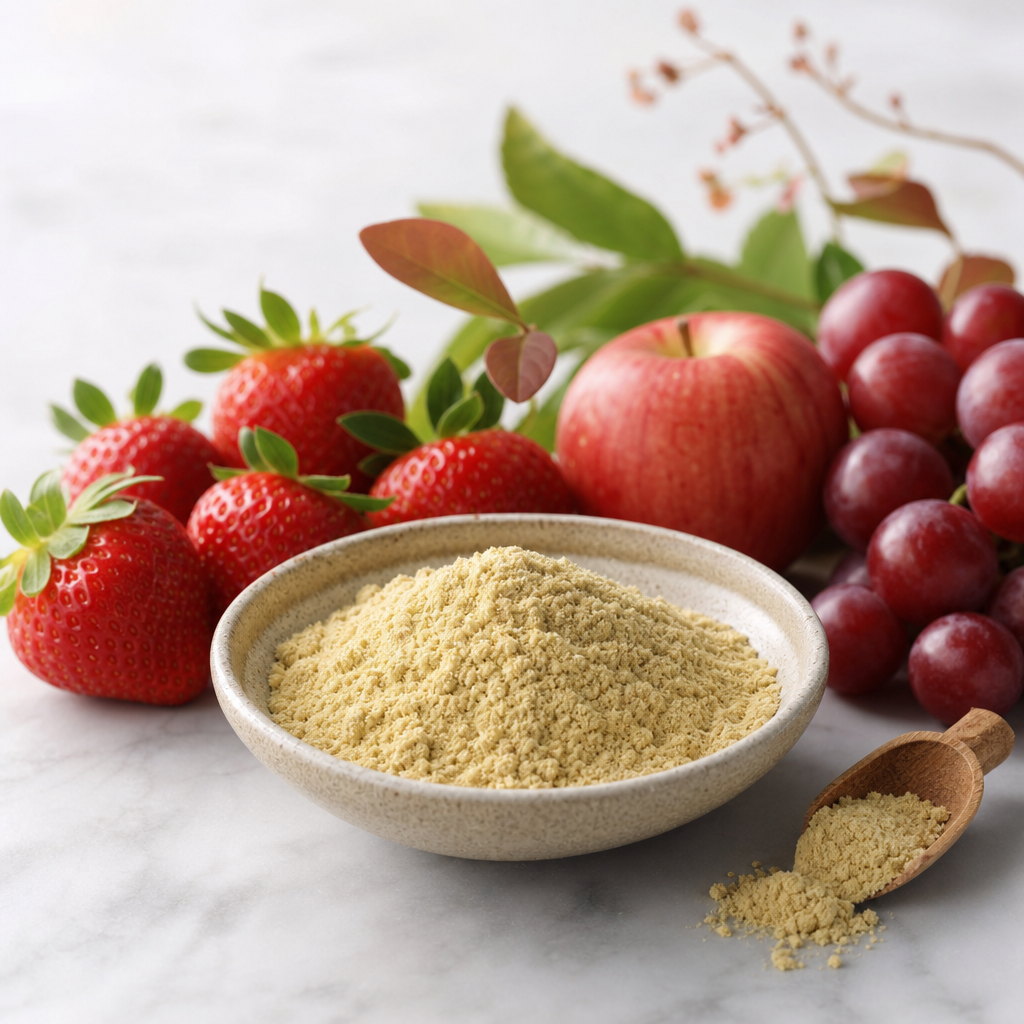
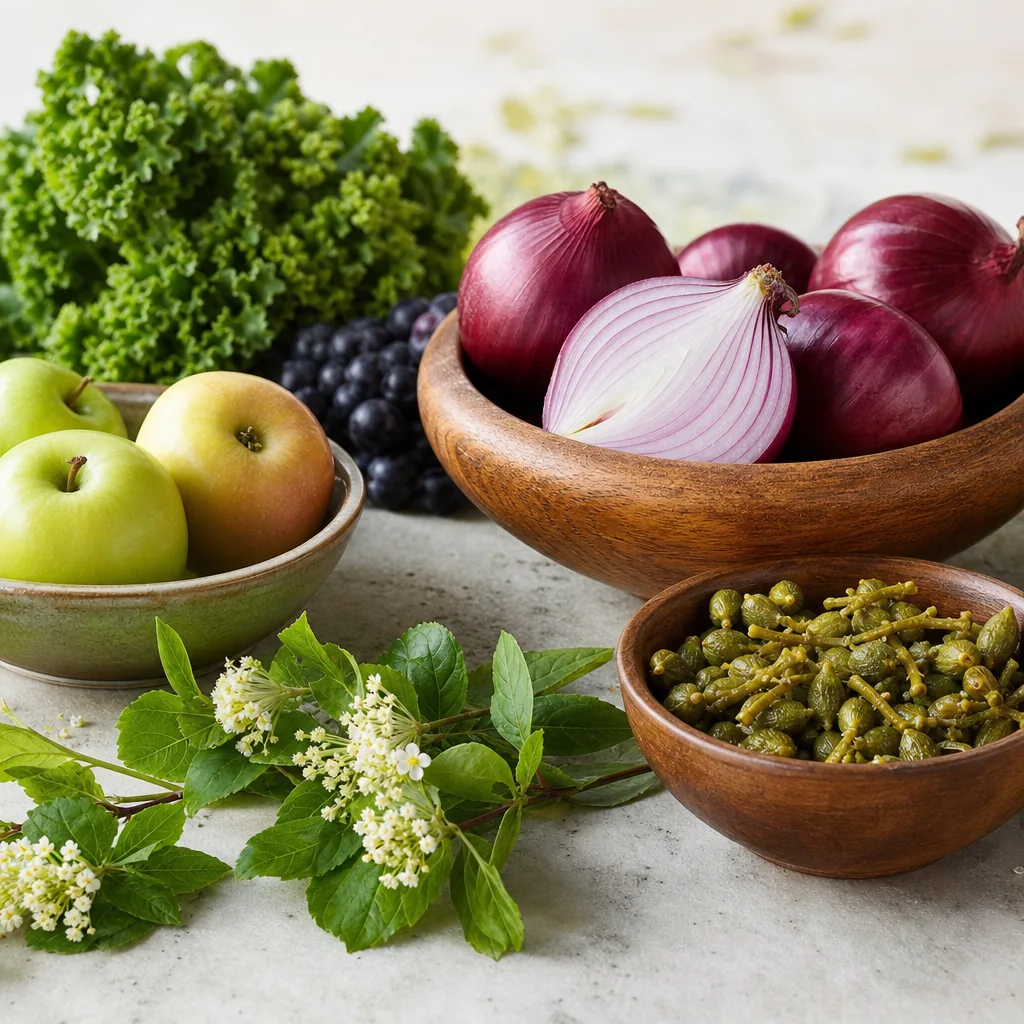
Fisetin is naturally present in various plant foods but typically at low levels relative to supplemental amounts. People who eat a wide variety of colorful produce will consume fisetin along with many other beneficial phytonutrients. Supplements provide a more concentrated, targeted amount when a higher intake is desired for research-aligned protocols.
-
Strawberries
-
Apples
-
Persimmons
-
Grapes
-
Onions
-
Cucumbers
Food-first remains a sound approach for overall health, as whole foods supply fiber, vitamins, minerals, and a spectrum of polyphenols that work together. Supplementation may make sense for adults pursuing specific wellness goals, for those with low fruit-and-vegetable intake, or when a clinician recommends targeted dosing unlikely to be achieved through diet alone.
Who May Benefit from Bio-Fisetin?
-
Adults interested in evidence-informed healthy aging strategies who understand that human data are still developing.
-
People with low intake of fruits and vegetables who want to increase exposure to flavonols alongside improving diet quality.
-
Health-conscious individuals aiming to support antioxidant and inflammation-balancing pathways as part of a broader lifestyle plan (nutrition, sleep, activity).
-
Athletes or active individuals seeking recovery support from intense training, recognizing that direct performance benefits are not established.
-
Individuals participating in research or under clinician guidance where fisetin is being explored for targeted outcomes.
Side Effects and Considerations
-
General tolerance:
Most people tolerate fisetin at typical supplemental doses, but possible effects include stomach upset, nausea, headache, or mild skin reactions. Discontinue if you experience persistent adverse effects.
-
Medication interactions:
Fisetin may have mild antiplatelet effects and can influence enzymes or transporters involved in drug metabolism in preclinical models. Use caution and consult a clinician if you take anticoagulants, antiplatelet drugs, blood pressure medications, diabetes medications, or other prescriptions.
-
Blood sugar and blood pressure:
Because fisetin may influence metabolic and vascular pathways, monitor closely if you have diabetes, prediabetes, or hypotension, and coordinate with your healthcare provider.
-
Liver and kidney considerations:
Individuals with liver or kidney conditions should use fisetin only with medical guidance, as safety data in these populations are limited.
-
Allergies and botanical source:
Some fisetin extracts come from plants in families that can trigger sensitivities in certain individuals. High-purity, well-tested extracts reduce this risk, but those with known plant allergies should be cautious.
-
Surgery and procedures:
Due to potential effects on platelet function, consider stopping fisetin 1–2 weeks before surgery or dental procedures, in coordination with your surgeon or dentist.
-
Pregnancy, breastfeeding, and children:
Safety has not been established. Avoid fisetin supplements during pregnancy, while breastfeeding, and in children unless specifically directed by a qualified healthcare professional.
-
Oncology and complex conditions:
If you are undergoing cancer treatment or managing complex medical conditions, consult your oncology or specialty care team before using fisetin due to potential interactions.
-
Quality and purity:
Choose products with third-party testing for identity, potency, and contaminants (e.g., heavy metals, solvents). Prefer labels that clearly state the standardized fisetin content and the specific bioavailability technology used.
-
Avoid megadoses:
Very high or experimental dosing regimens remain unproven and may increase risk. Stick to conservative, label-directed amounts unless a clinician advises otherwise.
Common Myths About Bio-Fisetin
-
“Bio-Fisetin is proven to extend human lifespan.”
While fisetin demonstrates senotherapeutic actions in preclinical research, there is no definitive human evidence that it extends lifespan or prevents age-related diseases. Ongoing clinical trials will help clarify its role in healthy aging.
-
“More is better—megadosing guarantees faster results.”
Higher doses can increase the risk of side effects or interactions without ensuring additional benefits. Appropriate dosing is not yet fully established for most goals; conservative, evidence-aligned use is wiser.
-
“You can get the same fisetin dose from a serving of strawberries as from a capsule.”
Foods contain fisetin but at much lower levels than typical supplements. Whole foods are valuable for overall health, but they do not match the concentrated fisetin amounts found in supplements.
-
“All bioavailability technologies are identical and deliver 100% absorption.”
Different delivery systems may improve uptake to varying degrees, and none guarantees complete absorption. Quality, formulation, and individual factors all influence results.
-
“Fisetin is an essential nutrient like a vitamin.”
Fisetin is a non-essential polyphenol. The body does not require it to prevent deficiency; it is used for potential functional support.
Conclusion
Bio-Fisetin is a food-derived polyphenol offered in enhanced-absorption forms that may support healthy aging biology, antioxidant defenses, and metabolic and vascular pathways. The most compelling data come from laboratory and animal research, with early human studies suggesting potential but not yet providing definitive clinical outcomes. If you choose to use Bio-Fisetin, select a reputable product with transparent dosing, verified purity, and a clearly described delivery technology.
Start with conservative, label-directed amounts, take with food, and involve a healthcare professional—especially if you are pregnant, breastfeeding, managing a medical condition, or taking medications. A food-first approach remains foundational: build a diet rich in fruits, vegetables, and other whole foods for broad nutritional coverage. Supplements like Bio-Fisetin can offer targeted support when specific goals or clinician guidance call for amounts that are difficult to obtain from diet alone.