What is Jerusalen Artichoke Fiber?
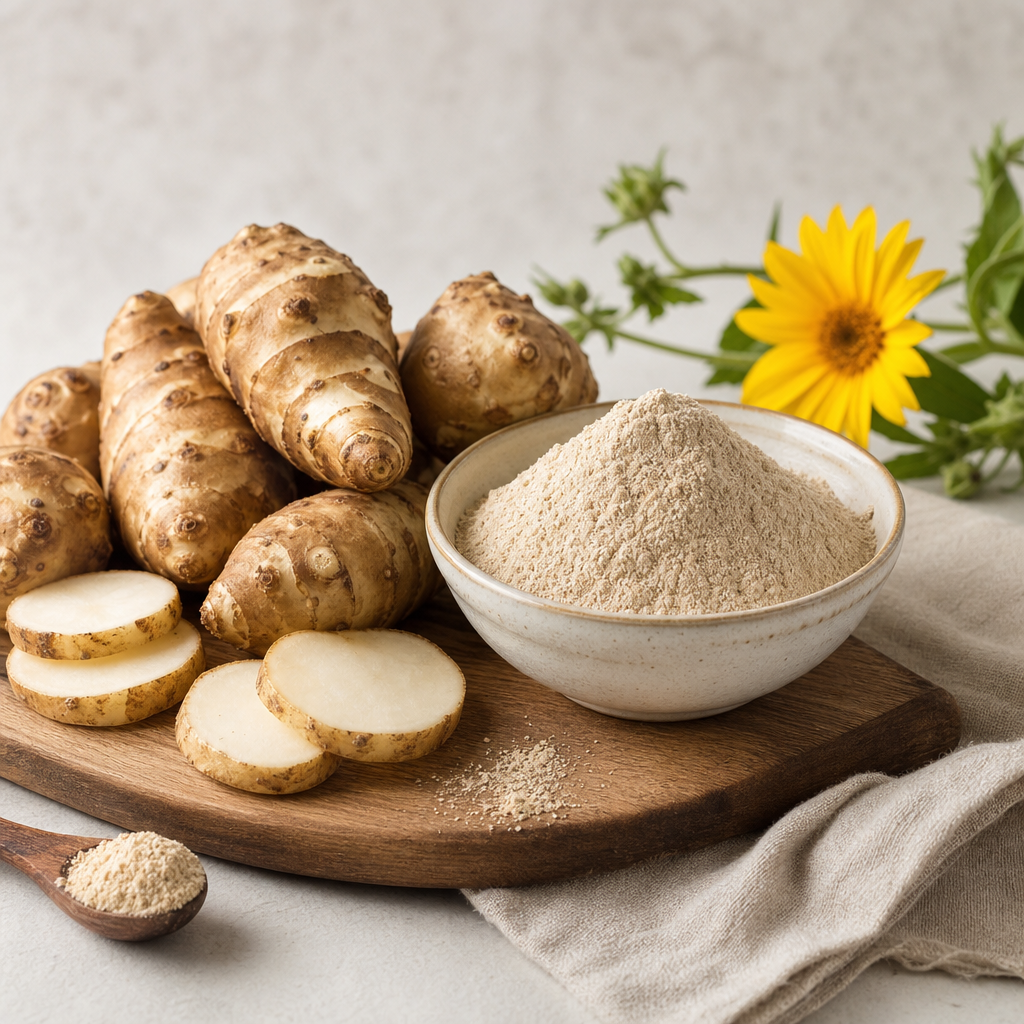
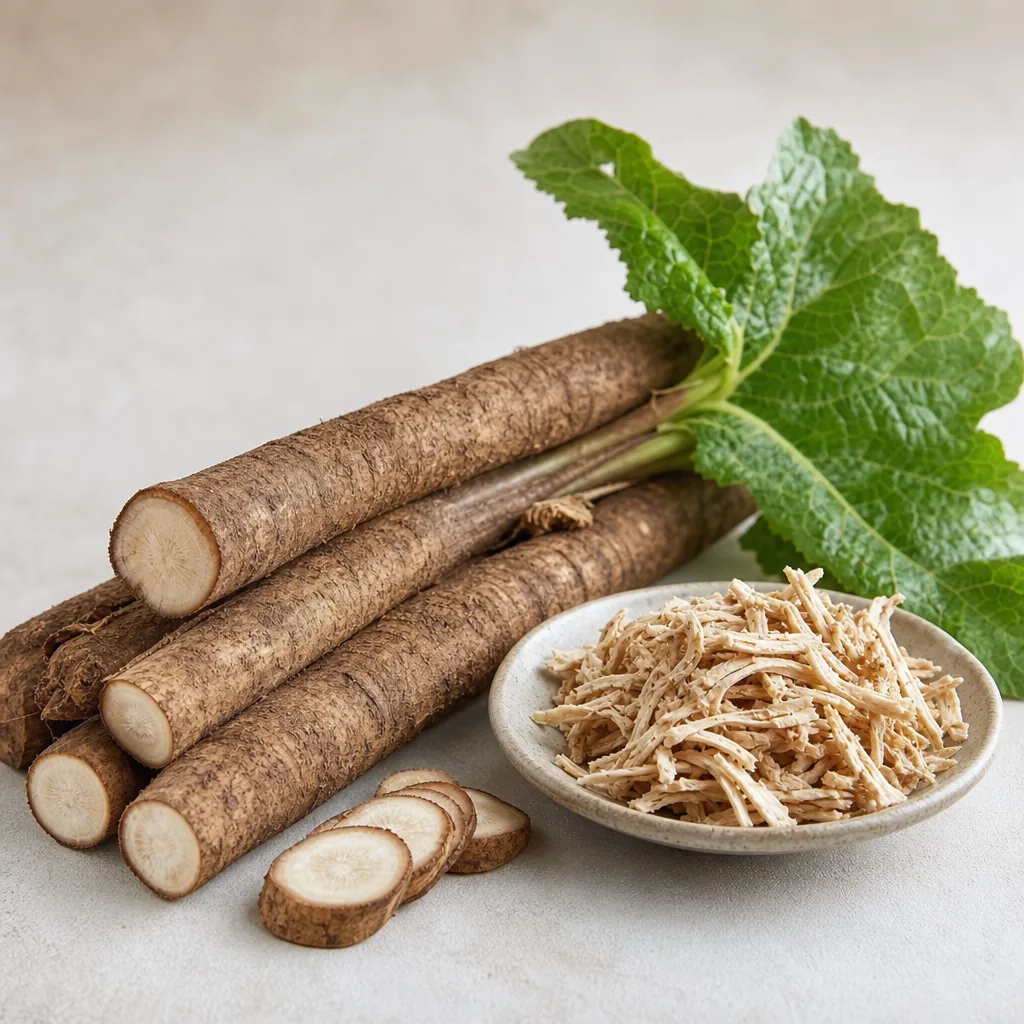
Jerusalen artichoke fiber (commonly spelled “Jerusalem artichoke” and also known as sunchoke fiber) is a food-derived ingredient concentrated from the tuber of Helianthus tuberosus, a sunflower relative. Its primary component is inulin, a type of soluble, fermentable fructan (a chain of fructose molecules) that functions as a prebiotic. Unlike digestible carbohydrates, inulin isn’t broken down by human digestive enzymes; instead, it reaches the colon where beneficial bacteria ferment it into short-chain fatty acids (SCFAs) such as acetate, propionate, and butyrate. These fermentation products can support gut health and have systemic metabolic effects.
Jerusalen artichoke fiber is not an essential nutrient like vitamins or minerals; the body doesn’t require it to prevent a specific deficiency disease. Rather, it is a non-essential, food-derived prebiotic fiber that may complement a fiber-rich diet to support digestive health, the gut microbiome, and select metabolic outcomes. It is available through whole foods (e.g., sunchokes themselves) and as dietary supplements (powders, capsules, or included in functional foods).
Benefits of Jerusalen Artichoke Fiber
-
Supports a healthy gut microbiome (increases beneficial bacteria)
(Strong evidence)
Multiple controlled studies show that inulin-type fructans from Jerusalem artichoke reliably increase Bifidobacterium and other commensal species. This “bifidogenic” effect is a defining feature of prebiotics and is associated with greater production of short-chain fatty acids that help maintain intestinal barrier function and may influence immune and metabolic health.
-
Promotes bowel regularity and stool consistency
(Moderate evidence)
Supplementing with inulin can increase stool frequency and improve stool consistency in individuals with low fiber intake or mild constipation. The effect appears dose-dependent and varies by the inulin chain length. Some people experience gas and bloating, which can be minimized by starting with a low dose and increasing gradually.
-
May modestly improve postprandial glycemic responses
(Mixed evidence)
Inulin is non-digestible and can displace digestible carbohydrates in meals, potentially blunting post-meal glucose spikes. Some studies report improved insulin sensitivity or lower postprandial glucose when inulin is consumed regularly or used to replace higher-glycemic ingredients, while others show little to no effect. Benefits, when present, are generally small and best seen as complementary to broader dietary strategies.
-
Potential to lower triglycerides and support lipid profile
(Limited to moderate evidence)
Research suggests inulin-type fructans may reduce fasting triglycerides in some individuals, particularly at higher daily intakes and over several weeks. Effects on LDL-C and HDL-C are inconsistent. Any lipid benefits are typically modest and should not replace established nutrition and lifestyle approaches.
-
Enhances mineral absorption (especially calcium, possibly magnesium)
(Limited to moderate evidence)
Inulin fermentation can acidify the colon and increase mineral solubility, which may enhance calcium (and sometimes magnesium) absorption. Small trials in adolescents and postmenopausal women suggest inulin may modestly support calcium absorption and select bone markers, though findings are not uniform and long-term fracture outcomes are not established.
-
May aid appetite regulation and weight management
(Mixed evidence)
Some trials report reduced appetite, increased satiety, or small reductions in body weight or abdominal fat with daily inulin intake, potentially via SCFA-mediated signaling on satiety hormones. Other studies show minimal change. When benefits occur, they tend to be modest and work best alongside a balanced diet and physical activity.
-
Supports gut environment during or after antibiotic use
(Preliminary evidence)
As a prebiotic, Jerusalem artichoke inulin may help nourish surviving commensals and promote recovery of microbial diversity post-antibiotics. Evidence is early and variable by antibiotic type, timing, and individual microbiome differences; pairing with probiotics as a synbiotic may be considered with professional guidance.
Types or Forms Available
-
Jerusalem artichoke inulin powder:
The most common supplemental form, typically standardized to a high inulin content. Long-chain inulin (higher degree of polymerization) tends to ferment more slowly and may be gentler on the stomach for some users.
-
Oligofructose (FOS):
A shorter-chain inulin fraction (lower degree of polymerization). It ferments more rapidly, which can increase gas for sensitive individuals but also may deliver faster prebiotic effects.
-
Partially hydrolyzed inulin (PHI):
Processed to reduce chain length and improve solubility. Some people find PHI easier to mix into beverages and simpler to digest than standard inulin, though tolerance is individual.
-
Capsules and tablets:
Convenient for smaller daily doses (e.g., 1–3 g/day). Larger amounts are more practical as powders mixed into foods or drinks.
-
Functional foods and beverages:
Bars, yogurts, and meal replacements may include Jerusalem artichoke inulin or blends with chicory inulin. Labels should disclose grams of prebiotic fiber per serving.
-
Synbiotic blends:
Prebiotics combined with probiotics. This pairing may enhance probiotic survival and colonization, though product quality and specific strains/amounts matter.
-
Whole food (sunchoke tubers):
Naturally high in inulin. Cooking methods and seasonality can influence tolerability; smaller portions help reduce gas for newcomers.
How to Use Jerusalen Artichoke Fiber
Introduce Jerusalem artichoke fiber gradually. Because it is fermentable, jumping to a high dose may cause gas, bloating, or cramping—especially if your baseline fiber intake is low or you follow a low-FODMAP diet. Increase by 1–2 grams every few days as tolerated and drink adequate water.
-
Common dosage range:
2–3 g/day to start; typical supplemental intakes are 3–10 g/day. Some studies use 10–15 g/day, but higher amounts increase the likelihood of GI discomfort. Many people find 5–8 g/day a practical balance of benefit and tolerability.
-
Best timing:
With meals is often best to improve tolerance and integrate with food. Doses can be split (e.g., 2–4 g at two meals) to reduce GI side effects.
-
How to take it:
Mix powder into water, smoothies, yogurt, or oatmeal; or use in baking to replace a portion of sugar or flour. Capsules are convenient for small doses. Separate from medications by at least 2–3 hours to avoid potential effects on drug absorption.
-
Consistency:
Daily or near-daily use supports a sustained prebiotic effect. Benefits for regularity and microbiome composition generally depend on ongoing intake.
Food Sources and Supplement Options
Jerusalen artichoke fiber occurs naturally in foods and is also available as supplements. Whole foods offer fiber alongside vitamins, minerals, and phytonutrients, while supplements provide more targeted dosing and convenience.
-
Key food sources of inulin-type fructans:
Jerusalem artichoke (sunchoke), chicory root, dandelion root, garlic, onions, leeks, shallots, asparagus, artichokes, and to a lesser extent wheat and barley. Amounts vary by variety, season, and preparation.
Supplementation may make sense if your diet is low in prebiotic fibers, if you want a consistent measured intake for gut health goals, or if you’re using synbiotic strategies with specific probiotics. Whole foods remain a strong first-line approach, and many people can reach helpful amounts by regularly including allium vegetables (onions, garlic, leeks), asparagus, and occasional sunchokes. For those with FODMAP sensitivity, small portions and gradual introduction are key.
Who May Benefit from Jerusalen Artichoke Fiber?
-
People with low overall fiber or prebiotic intake who want to support a more diverse gut microbiome.
-
Individuals with mild constipation seeking improved stool frequency and consistency.
-
Those aiming for modest support of post-meal glycemic control alongside diet and exercise.
-
People with slightly elevated triglycerides who are already addressing diet, weight, and activity.
-
Older adults and adolescents interested in complementary strategies for calcium absorption (as part of a broader bone-health plan).
-
Individuals rebuilding gut health after an antibiotic course (potentially as part of a synbiotic plan).
-
Athletes looking to maintain regularity and gut health during high-carbohydrate phases, provided tolerability is confirmed well before training or competition.
-
Vegetarians, vegans, or busy professionals who prefer a convenient way to add prebiotic fiber when produce intake is inconsistent.
Side Effects and Considerations
-
GI symptoms:
Gas, bloating, abdominal cramping, and changes in stool are the most common side effects, especially at higher doses or when introduced abruptly. Start low and increase gradually.
-
FODMAP sensitivity and IBS:
Inulin is a FODMAP. People with irritable bowel syndrome or those in the elimination phase of a low-FODMAP diet may experience symptom flares. Consider supervised reintroduction at small doses.
-
SIBO or significant GI disorders:
Prebiotic fibers can aggravate bloating and discomfort in small intestinal bacterial overgrowth or severe motility disorders; seek medical guidance before use.
-
Medication timing:
Fiber may influence the absorption of some medications (e.g., levothyroxine, certain antibiotics). Separate dosing by at least 2–3 hours and consult your clinician or pharmacist.
-
Allergy and plant family:
Jerusalem artichoke is in the Asteraceae (sunflower) family. While rare, individuals with known sensitivities to this family should use caution.
-
Blood sugar effects:
Inulin itself does not raise blood glucose, but products sweetened with sugars or combined with other ingredients may. People with diabetes should read labels and monitor responses.
-
Surgery and acute GI illness:
High-fiber products may be inappropriate immediately before certain surgeries or during acute gastroenteritis; follow medical advice.
-
Pregnancy, breastfeeding, children, and medical conditions:
Food forms are generally considered safe in customary amounts. For supplemental use, consult a healthcare professional, especially if pregnant, breastfeeding, giving to children, taking medications, or managing a medical condition.
-
Quality and labeling:
Choose reputable brands that disclose grams of inulin per serving, the source (Jerusalem artichoke vs. chicory), and ideally provide third-party testing. Avoid proprietary blends that obscure dose.
Common Myths About Jerusalen Artichoke Fiber
-
Myth: Jerusalen artichoke fiber is an essential nutrient like a vitamin.
It is a non-essential prebiotic fiber. While it can support gut health and certain metabolic markers, there is no defined human deficiency state that requires it in the way the body requires vitamins or minerals.
-
Myth: All dietary fiber works the same way.
Fiber types differ. Inulin is soluble and fermentable, primarily influencing the microbiome and SCFA production, whereas insoluble fibers (e.g., wheat bran) mainly add bulk. Choosing fibers based on goals and tolerance matters.
-
Myth: More is always better.
High intakes can cause gas, bloating, and discomfort without additional benefit. Most people do well by increasing slowly and staying within modest daily amounts that fit their diet and GI tolerance.
-
Myth: Prebiotics replace probiotics or a healthy diet.
Prebiotics feed existing microbes and can complement probiotics, but they don’t substitute for a varied, fiber-rich diet. Overall diet quality, total fiber intake, and lifestyle habits remain the foundation.
-
Myth: It can cure diabetes or high cholesterol.
Evidence shows at most modest improvements in glycemic responses and triglycerides for some individuals. It should be used as a supportive strategy alongside clinically proven nutrition, activity, and medical care—not as a cure.
Conclusion
Jerusalen artichoke fiber is a prebiotic, inulin-rich ingredient from the sunchoke tuber that can nurture beneficial gut bacteria, promote regularity, and offer modest support for metabolic markers in some people. It is not essential, but it can be a practical complement to a fiber-forward diet, especially when introduced gradually and used consistently in amounts most people tolerate.
Choose quality products with transparent dosing, consider starting at low daily amounts, and separate from medications by a few hours. Many will benefit from a food-first approach—regularly including inulin-containing vegetables—while supplements can provide targeted, measurable intakes when needed. Individuals who are pregnant, breastfeeding, giving this to children, taking medications, or managing medical conditions (including IBS or SIBO) should consult a healthcare professional before using supplemental forms.