What is Resveratrol?
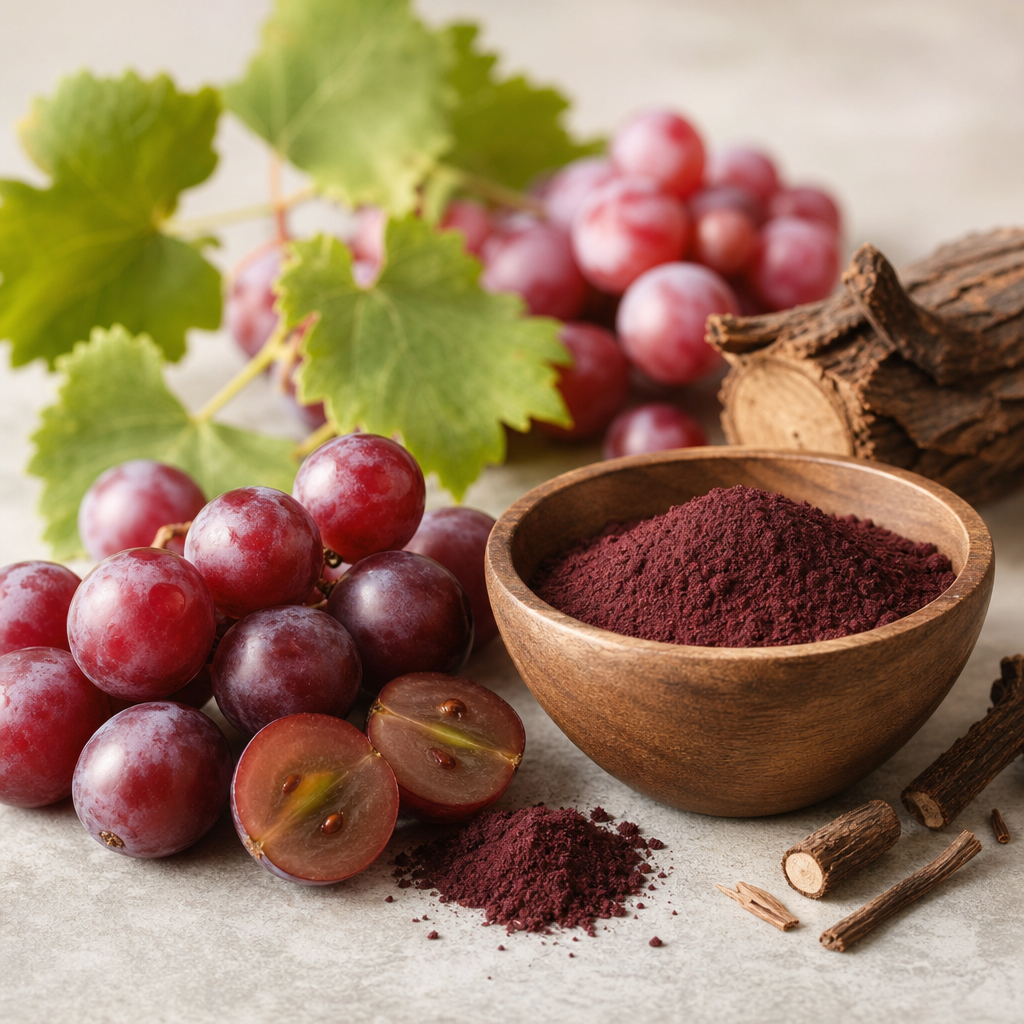
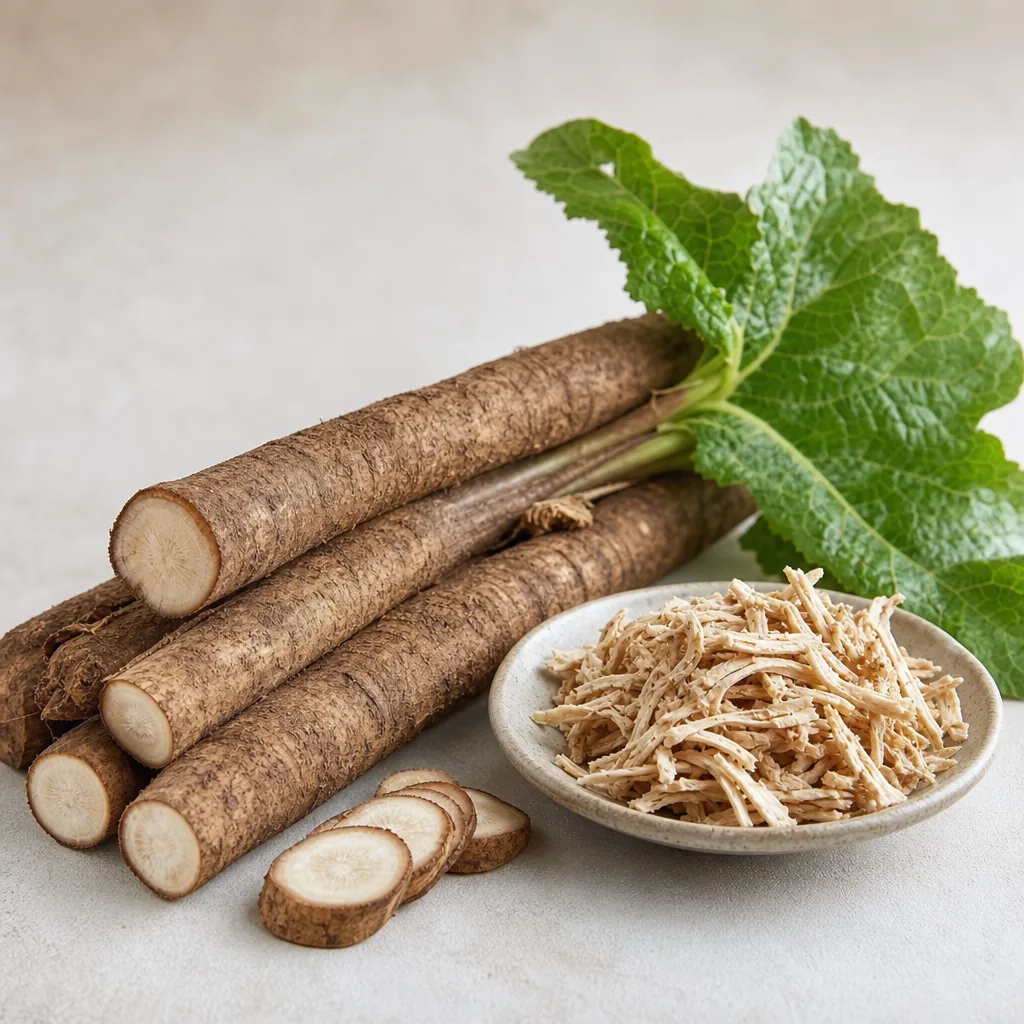
Resveratrol is a naturally occurring polyphenol (specifically a stilbene) found in certain plants as part of their defense system. It is most famously associated with red grapes and red wine, but it also appears in Japanese knotweed (Polygonum cuspidatum), peanuts, pistachios, and some berries. Supplements typically contain purified trans-resveratrol extracted from Japanese knotweed or grape skin. In the body, resveratrol functions primarily as a bioactive compound with antioxidant and cell-signaling effects, influencing pathways related to inflammation, endothelial function, and cellular stress responses.
Resveratrol is not an essential nutrient like a vitamin or mineral, and the body does not require it to survive. Instead, it is a non-essential, food-derived bioactive that may support certain aspects of health when consumed in meaningful amounts. It is available as both a dietary supplement and as a natural component of whole foods. Interest in resveratrol surged because of laboratory and animal studies suggesting roles in healthy aging pathways; however, human outcomes vary depending on the dose, duration, health status, and formulation used.
Benefits of Resveratrol
-
Cardiovascular and endothelial support
(Moderate evidence)
Resveratrol may help support healthy blood vessels by promoting nitric oxide availability and reducing oxidative stress. Human trials have reported modest improvements in flow-mediated dilation and small reductions in systolic blood pressure in people with elevated risk factors when taken at moderate doses. It may also inhibit LDL oxidation and favorably influence inflammatory markers tied to vascular health. Effects are not uniform across all studies, but trends are more apparent in individuals with higher baseline risk.
-
Glycemic control in insulin resistance and type 2 diabetes
(Moderate evidence)
Supplemental resveratrol has been studied as an adjunct to lifestyle and medications for improving fasting glucose, insulin sensitivity (e.g., HOMA-IR), and HbA1c. Meta-analyses suggest small but meaningful improvements, particularly at daily intakes in the mid-to-higher supplement range and in individuals with established metabolic dysfunction. Benefits appear less consistent in healthy participants or at very low doses.
-
Inflammation and oxidative stress markers
(Moderate evidence)
By modulating NF-κB and related pathways, resveratrol can reduce certain inflammatory biomarkers (such as CRP or TNF-α) and oxidative stress indices in some trials. These biomarker shifts may partially explain observed cardiovascular and metabolic findings. The magnitude of change varies with dose, duration, and baseline inflammation, and clinical outcomes (like hard disease endpoints) remain less firmly established.
-
Liver health in nonalcoholic fatty liver disease (NAFLD)
(Mixed evidence)
Several studies report improvements in liver enzymes, insulin resistance, and hepatic steatosis scores with resveratrol supplementation in NAFLD. Others show minimal change. Differences in patient populations, treatment duration, and dosages likely contribute to inconsistent results. When benefits occur, they tend to be modest and best paired with diet and exercise strategies.
-
Cognitive function and brain health
(Limited evidence)
Small trials in older adults indicate potential improvements in memory performance and brain perfusion measures with resveratrol, particularly when combined with other polyphenols. While early findings are encouraging, studies are generally short-term with modest sample sizes. More robust, longer-term trials are needed to clarify who benefits most and at what doses.
-
Exercise recovery and training adaptations
(Mixed evidence)
Resveratrol may support mitochondrial function and recovery in older or less-trained individuals, but high-dose antioxidant supplementation has, in some studies, blunted beneficial training adaptations (e.g., mitochondrial biogenesis) in young, healthy athletes. If used around training, conservative dosing and careful monitoring of performance outcomes are advisable.
-
Healthy aging pathways and cellular stress responses
(Preliminary evidence)
Laboratory and animal research links resveratrol to sirtuin activation and pathways associated with caloric restriction. In humans, surrogate biomarkers sometimes change, but clear, durable effects on aging outcomes have not been established. Current evidence does not support using resveratrol as a stand-alone “longevity” intervention.
Types or Forms Available
-
Trans-resveratrol (standardized extract)
: The primary bioactive isomer used in research and supplements. Products commonly state the milligrams of trans-resveratrol per serving and are often derived from Japanese knotweed root or grape skin. Choose products specifying trans-resveratrol content and standardization.
-
Polydatin (piceid)
: A natural glucoside of resveratrol found in knotweed and grapes. It can convert to resveratrol in the body. Some formulas include polydatin to potentially improve stability or absorption, though direct comparisons in humans are limited.
-
Micronized or nanoparticle resveratrol
: Reduced particle size or specialized delivery systems can increase absorption by improving dissolution and intestinal uptake. Micronized forms often achieve higher blood levels at the same nominal dose compared with standard powders.
-
Liposomal and cyclodextrin-complexed resveratrol
: Encapsulation strategies designed to protect the compound and enhance bioavailability. Evidence suggests higher peak concentrations with some technologies, but real-world advantages may depend on formulation quality.
-
Combination formulas (e.g., with quercetin or piperine)
: Co-ingredients may slow metabolism or target complementary pathways. Data on whether combinations are superior to standalone resveratrol are still limited.
-
Related stilbenes: pterostilbene
: A distinct compound with higher lipophilicity and oral bioavailability. Not the same as resveratrol but sometimes marketed as an alternative. Effects overlap, yet they are not interchangeable; dosing and evidence differ.
How to Use Resveratrol
Practical use depends on your goals, baseline health, and the specific product.
-
Common dosage range:
100–300 mg of trans-resveratrol per day is common for general wellness. For targeted metabolic or vascular support, 150–500 mg per day appears in research. Higher intakes have been studied short term but can increase side effects; avoid very high doses without medical supervision.
-
Best timing:
Timing is not critical. Many people take resveratrol once daily with a meal. For sensitive stomachs or larger total intakes, split into morning and evening doses.
-
How to take it:
Take with food to reduce gastrointestinal upset and potentially aid absorption. Fat-containing meals may help with uptake due to the compound’s lipophilicity. Swallow capsules with water; follow label directions for specialized delivery systems.
-
Consistency:
Benefits, when they occur, are usually seen with consistent daily use over weeks to months. Intermittent or sporadic use is less studied.
Food Sources and Supplement Options
Resveratrol is naturally present in some foods and is also widely available as a supplement. Whole foods provide diverse polyphenols and nutrients beyond resveratrol, while supplements can deliver a consistent, targeted dose that is difficult to achieve through diet alone.
-
Red and purple grapes (especially skins)
-
Red wine (amounts vary; alcohol risks outweigh using wine as a delivery method)
-
Japanese knotweed (natural plant source; not commonly eaten but used for extraction)
-
Peanuts and pistachios
-
Blueberries and certain other berries
Food sources typically provide milligram or sub-milligram quantities per serving, which may not match doses used in research. Supplementation may make sense for individuals targeting specific health outcomes, those with low intake of polyphenol-rich foods, or when a practitioner recommends a defined dose. When possible, start with a food-first approach for overall dietary quality and consider supplements as an adjunct for precision and consistency.
Who May Benefit from Resveratrol?
-
Adults with cardiometabolic risk factors (e.g., elevated blood pressure, insulin resistance) seeking adjunct support to diet, exercise, and prescribed care.
-
Older adults interested in vascular function and cognitive support alongside lifestyle measures.
-
People who avoid alcohol but want polyphenols similar to those found in red grapes and wine.
-
Individuals with low intake of fruits, vegetables, and other polyphenol-rich foods who are working to improve overall patterns.
-
Recreationally active or older exercisers focused on recovery; competitive athletes should use caution with higher doses around training.
-
Those following calorie-conscious eating patterns seeking additional support for cellular stress responses, with realistic expectations.
Side Effects and Considerations
-
Common side effects:
At typical doses, resveratrol is generally well tolerated. Higher intakes may cause gastrointestinal upset, nausea, diarrhea, abdominal discomfort, or headache.
-
Medication interactions:
Resveratrol can have mild antiplatelet effects and may interact with anticoagulants or antiplatelet drugs (e.g., warfarin, clopidogrel, aspirin) and NSAIDs. It may also affect drug-metabolizing enzymes (e.g., CYP3A4, CYP2C9) at higher doses. Discuss with your healthcare professional if you take any prescription or over-the-counter medications.
-
Blood sugar and blood pressure:
Because resveratrol may influence glycemic control and vascular tone, monitor levels if you use antihyperglycemic or antihypertensive medications to avoid additive effects.
-
Hormone-sensitive conditions:
Resveratrol exhibits estrogenic/antiestrogenic activity in certain models. People with hormone-sensitive conditions (e.g., estrogen receptor–positive cancers, endometriosis, uterine fibroids) or using related medications should seek medical advice before use.
-
Liver and kidney considerations:
Resveratrol is metabolized in the liver. Individuals with significant hepatic or renal disease should use caution and consult a clinician; periodic monitoring may be advisable if using supplements.
-
Surgery and bleeding risk:
Due to potential antiplatelet effects, discontinue resveratrol 1–2 weeks before elective surgery unless otherwise directed by your surgeon.
-
Pregnancy, breastfeeding, and children:
Safety data for supplemental doses are insufficient. Avoid use during pregnancy or breastfeeding unless recommended by a qualified professional. Not intended for pediatric use.
-
Allergies and botanical source:
Many products are derived from Japanese knotweed or grapes. People with plant allergies should review labels carefully.
-
Quality and purity:
Choose third-party tested products that specify trans-resveratrol content and standardization. Some knotweed extracts may contain other constituents (e.g., emodin) that can increase laxative effects if not properly refined.
-
Dosing prudence:
More is not necessarily better. Start low, assess tolerance, and avoid megadoses without clinical supervision.
Common Myths About Resveratrol
-
“Resveratrol is a proven anti-aging cure that extends human lifespan.”
While it influences cellular pathways linked to aging in laboratory models, there is no conclusive evidence that it extends human lifespan. Human trials show mixed biomarker changes and limited data on long-term, clinically meaningful outcomes.
-
“A glass of red wine gives you a therapeutic dose of resveratrol.”
Typical wine servings contain very small amounts of resveratrol—far below doses used in most studies. Increasing alcohol intake to chase polyphenols is not advisable due to health risks. Non-alcoholic sources (grapes, berries) and supplements provide alternatives without added alcohol.
-
“All resveratrol supplements are the same.”
Products differ in isomer (trans vs. cis), source (knotweed vs. grape), standardization, purity, and delivery systems (micronized, liposomal). These factors influence absorption and consistency. Selecting a reputable, third-party tested product matters.
-
“Higher doses always work better.”
Benefits do not necessarily scale with dose. Higher intakes can increase side effects and, in some contexts (e.g., intense training), may counteract adaptations. Using the lowest effective dose aligned with your goals is a prudent approach.
Conclusion
Resveratrol is a non-essential, food-derived polyphenol with potential benefits for vascular health, metabolic support, and inflammatory balance, particularly in adults with elevated risk factors. It is not a cure-all, and outcomes depend on dose, duration, and individual context. For most people, building a diet rich in fruits, vegetables, legumes, nuts, whole grains, and other polyphenol-containing foods is the foundation. Supplements can offer targeted, consistent dosing when specific goals or clinical guidance justify their use.
Choose high-quality products standardized for trans-resveratrol and consider formulations that enhance absorption if appropriate. Start with conservative doses, monitor how you feel, and coordinate with a healthcare professional—especially if you are pregnant or breastfeeding, take medications, or manage a medical condition. Used thoughtfully, resveratrol can be a supportive adjunct to lifestyle measures centered on nutrition, movement, sleep, and stress management.