What is Wormwood?
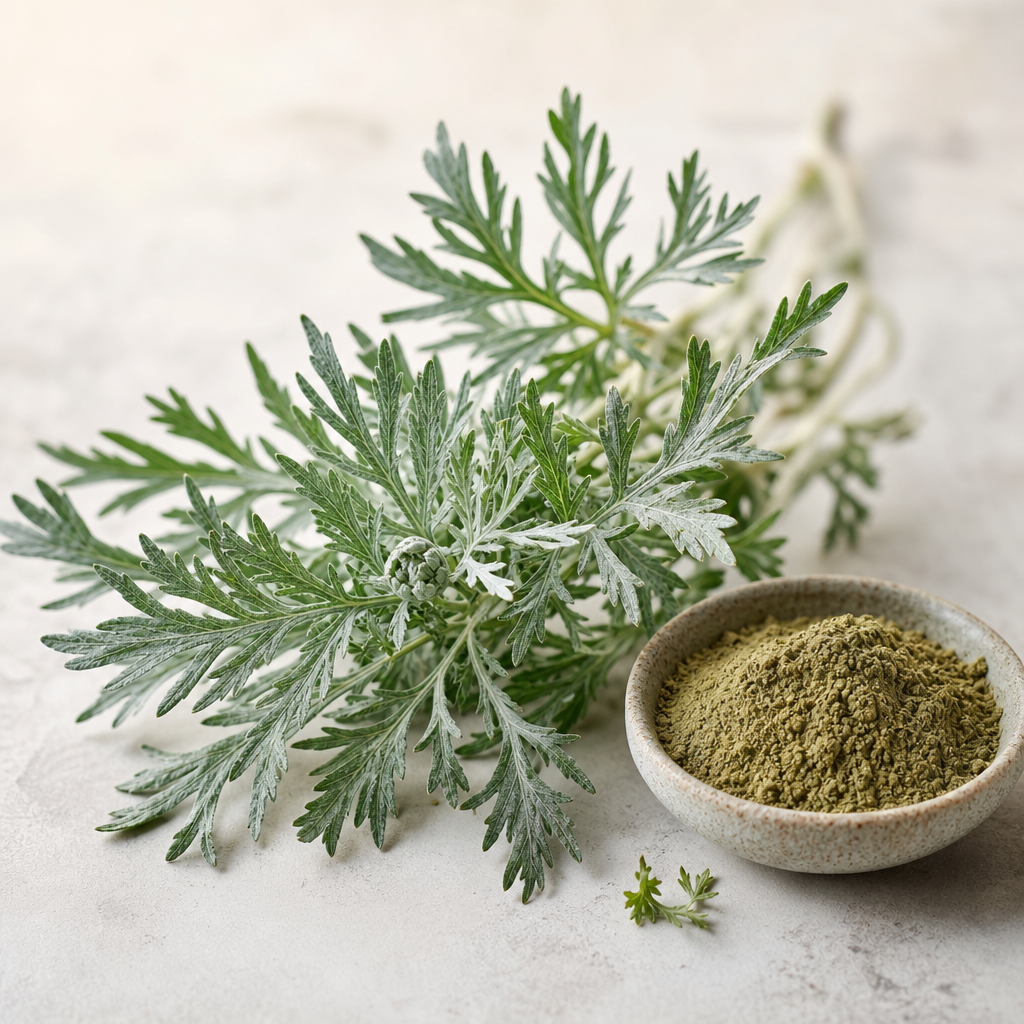
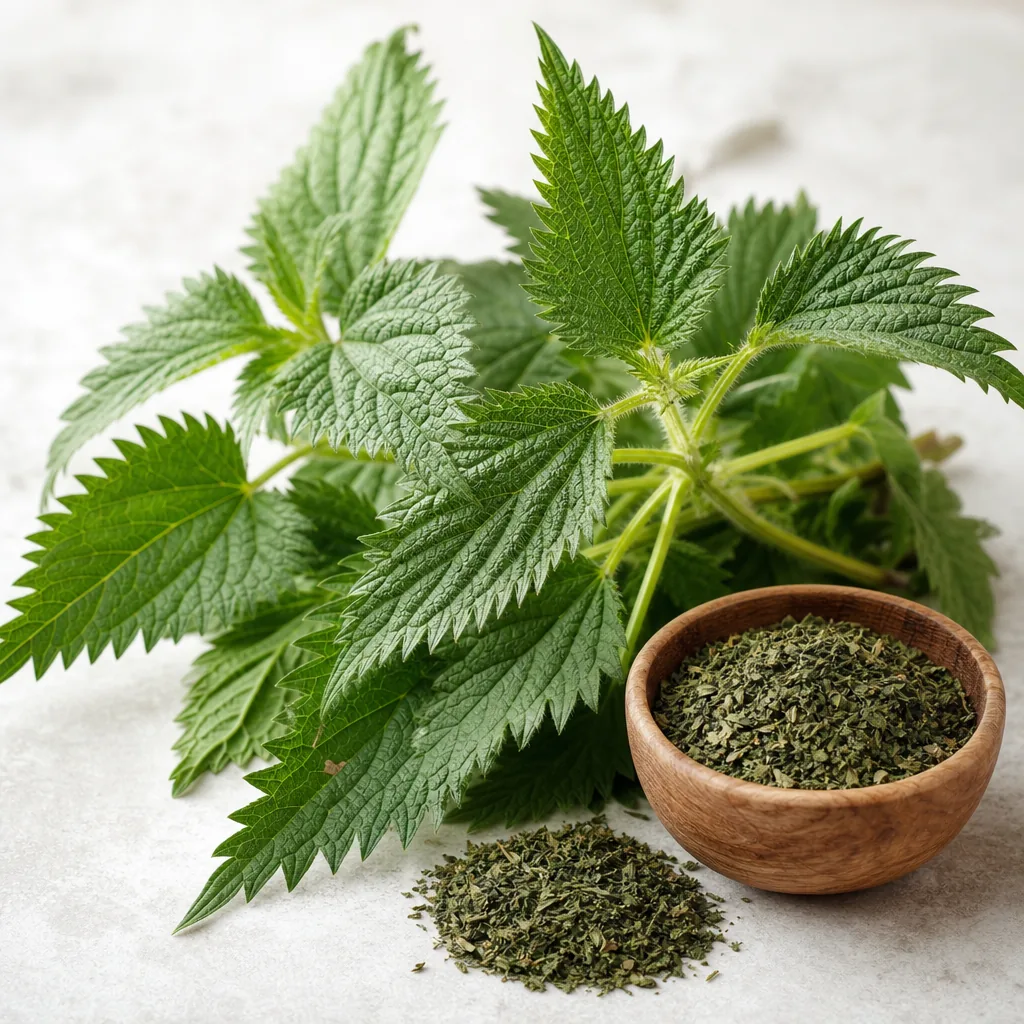
Wormwood (Artemisia absinthium) is a bitter, aromatic herb in the Asteraceae family, traditionally used in European and Middle Eastern herbalism. The silvery-green plant contains a range of sesquiterpene lactones (such as absinthin) and essential oil constituents (most notably thujone), which contribute to its intense bitter taste and characteristic scent. Historically, wormwood has been used in small amounts to flavor beverages like absinthe and vermouth, and in herbal formulas intended to support appetite and digestion.
From a health perspective, wormwood is considered a botanical herb, not an essential nutrient. The human body does not require wormwood in the way it requires vitamins, minerals, or essential fatty acids. Rather, it is used as a traditional supplement or herbal preparation for targeted purposes such as digestive support, short-term symptomatic relief, or as an adjunct under professional guidance. It should be distinguished from “sweet wormwood” (Artemisia annua), which is the source of artemisinin used in antimalarial drugs; A. annua is a different species with distinct chemistry and clinical uses.
Benefits of Wormwood
-
Supports appetite and digestive secretions
(Limited evidence)
Traditional use and small human studies suggest that the bitter compounds in wormwood can stimulate saliva, gastric acid, and bile flow, which may support appetite and general digestive readiness before meals. People sometimes use low-dose bitters, including wormwood, ahead of eating to help with occasional sluggish digestion. Evidence is not robust, and effects vary by individual tolerance to bitters and stomach acidity.
-
Adjunct support for inflammatory bowel symptoms (e.g., Crohn’s disease)
(Preliminary evidence)
Small randomized trials have explored A. absinthium as an adjunct to standard care, reporting improvements in symptom scores and quality of life, with some patients reducing steroid needs. These studies are limited by small sample sizes and specific preparations, so results should not be generalized. Wormwood is not a replacement for prescribed therapies, and any trial use should be supervised by a gastroenterology professional.
-
Topical relief for osteoarthritis-related knee pain
(Preliminary evidence)
Early clinical research on wormwood ointment (often around 3% extract) has shown reductions in knee pain and improved function versus placebo. While these results are encouraging for topical use, the number of studies is small, product quality varies, and we lack long-term safety and head-to-head comparisons with standard topical NSAIDs.
-
Antiparasitic potential
(Mixed evidence)
Laboratory and animal data indicate activity against certain helminths, and traditional practices use wormwood (sometimes in combination with other herbs like clove and black walnut) for short-term “anti-parasitic” protocols. Human evidence is limited and inconsistent, and dosing/standardization vary widely. For diagnosed parasitic infections, guideline-recommended medications remain the first-line approach; wormwood, if considered, should be adjunctive and medically supervised.
-
Antimicrobial activity (bacteria and fungi)
(Preliminary evidence)
In vitro studies suggest that wormwood extracts can inhibit growth of certain microbes, including some strains of Candida and bacteria associated with gastrointestinal issues. Translation to clinical benefit is not well established, and most human data are either small or indirect. Product composition (especially thujone content) and extract type likely influence outcomes.
-
Anti-inflammatory and antioxidant effects
(Preliminary evidence)
Experimental work shows that compounds in wormwood may modulate inflammatory pathways and oxidative stress markers. These mechanisms might help explain some of the topical and gastrointestinal findings, yet robust, consistent human trials confirming meaningful clinical effects are still lacking.
Types or Forms Available
-
Dried herb (tea or infusion):
The aerial parts are steeped to create a very bitter tea, typically used in small amounts. Tea delivers a broad spectrum of water-soluble constituents but much less essential oil (and thujone) than alcohol-based extracts.
-
Tinctures and liquid extracts:
Alcohol-based extracts (e.g., 1:5 or 1:3 in 45–70% ethanol) capture bitter lactones and some volatile components. Quality products often disclose species (A. absinthium), plant part, ratio, solvent, and may note thujone content or “thujone-reduced” status. These are commonly used before meals as bitters.
-
Capsules or tablets:
Contain powdered herb or standardized extracts. Reputable brands identify the species and plant part and may standardize to specific compounds (e.g., absinthin) while keeping thujone low. Capsules are useful for those avoiding alcohol or the intense bitterness of tea.
-
Topical forms (ointments, gels, liniments):
Used for localized joint or muscle discomfort. Clinical studies often use ointments around 3% wormwood extract. These are not intended for internal use.
-
Essential oil:
Highly concentrated, thujone-rich oil. Internal use is generally not recommended due to toxicity risk; even topical use should be cautious and diluted, avoiding broken skin and sensitive areas.
-
Bitter liqueurs and aperitifs:
Traditional beverages (e.g., absinthe, some vermouths and digestifs) may contain wormwood within legally regulated thujone limits. These are not dietary supplements and provide alcohol, not controlled dosing of active constituents.
How to Use Wormwood
Because potency and thujone content vary by product, start low, follow label directions, and limit duration. Seek professional guidance for targeted or medical uses.
-
Common dosage range:
Tea: 1–2 grams dried herb steeped in hot water, up to 1–3 times daily, typically for short courses (e.g., 2–4 weeks). Tincture: about 1–3 mL (e.g., 30–90 drops of a 1:5 extract) up to 2–3 times daily. Capsules: commonly 250–500 mg powdered herb or equivalent extract once or twice daily. Topical ointment: products used in studies often around 3% applied 2–3 times daily. Avoid megadoses and prolonged unsupervised use.
-
Best timing:
For digestive “bitter” effects, take 10–15 minutes before meals. If taken for other reasons or if bitterness/acid are problematic, use with a small snack instead.
-
How to take it:
Tea or tincture can be taken with a small amount of water; the bitter taste is part of the intended effect. Capsules may be easier for taste-sensitive users. Topical products should be applied to intact skin only, following product directions.
-
Consistency:
Wormwood is typically used short-term or intermittently rather than as a daily long-term supplement. For any medical condition, coordinate timing and duration with a qualified clinician.
Food Sources and Supplement Options
Wormwood is not a common food and does not occur naturally in typical diets. It is a botanical herb sourced from Artemisia absinthium. While minute amounts may be present in certain traditional beverages (e.g., absinthe, some aperitifs), these are not meaningful nutrition sources and include alcohol.
Most people encounter wormwood through herbal teas, tinctures, capsules, or topical ointments. Supplements may make sense for short-term, targeted goals (e.g., digestive bitters before meals, supervised adjunct support for specific concerns) when food-based approaches are insufficient. Whole foods remain foundational for overall nutrition and provide vitamins, minerals, fiber, and phytonutrients that supplements do not replace; wormwood products offer more targeted dosing of specific plant compounds but should be chosen carefully for quality and safety.
Who May Benefit from Wormwood?
-
Adults seeking a short-term digestive bitter to support appetite or pre-meal digestive secretions, provided they tolerate bitter herbs and do not have active ulcers or reflux sensitivity.
-
Individuals exploring topical, non-NSAID options for mild knee discomfort who wish to try a wormwood ointment and monitor response.
-
Patients under medical care for inflammatory bowel conditions where a clinician considers a supervised trial of a specific wormwood preparation as adjunctive support.
-
Travelers or individuals at risk for parasitic exposure who are receiving appropriate diagnostic testing and medical treatment and are considering adjunctive herbal strategies under professional guidance.
-
Adults who prefer capsule forms over tinctures due to alcohol avoidance, or who want standardized, labeled dosing.
Side Effects and Considerations
-
Thujone-related neurotoxicity:
Wormwood essential oil and high-thujone preparations can cause dizziness, nausea, restlessness, and in severe cases seizures. People with epilepsy or seizure risk should avoid wormwood, and no one should ingest the essential oil.
-
Medication interactions:
Thujone antagonizes GABA-A receptors and may reduce the effect of sedatives and anti-seizure drugs, while increasing seizure risk with bupropion, tramadol, certain fluoroquinolones, mefloquine, and other agents that lower seizure threshold. Consult a pharmacist or clinician if taking CNS-active medications.
-
Gastrointestinal irritation:
Bitters can increase stomach acid and may aggravate reflux, gastritis, or peptic ulcers. Discontinue if you experience burning, pain, or worsening GI symptoms.
-
Liver considerations:
Rare cases of liver stress have been reported with Artemisia species and with high or prolonged use. Avoid if you have liver disease, limit alcohol, and use extra caution if taking hepatotoxic medications (e.g., high-dose acetaminophen, isoniazid). Choose reputable products and follow labeled durations.
-
Allergies:
Those allergic to Asteraceae (ragweed, mugwort, chrysanthemums) may react to wormwood. Discontinue and seek care if you develop rash, itching, or respiratory symptoms.
-
Pregnancy and breastfeeding:
Avoid use; wormwood has uterine-stimulating potential and thujone-related toxicity concerns. Safety has not been established for infants or children.
-
Surgery and anesthesia:
Due to CNS effects, discontinue wormwood at least 2 weeks before scheduled surgery unless your surgical team advises otherwise.
-
Quality and labeling:
Verify species (Artemisia absinthium), plant part, and extraction details. Prefer products that disclose thujone content or are labeled “thujone-reduced,” and that are third-party tested for identity, potency, and contaminants (e.g., heavy metals, pesticides).
-
Duration and dosing:
Avoid long-term, continuous use. Follow conservative dosing and take breaks, unless otherwise directed by a healthcare professional.
Common Myths About Wormwood
-
Myth: Wormwood cures all parasites quickly and safely.
Parasite types, locations, and life cycles differ, and many require specific prescription medications. Evidence for wormwood as a stand-alone antiparasitic in humans is limited and inconsistent. Proper diagnosis and guideline-based treatment are essential; herbs, if used, should be adjunctive and supervised.
-
Myth: Absinthe’s legendary hallucinations prove wormwood is a psychedelic.
Historical “absinthism” was likely driven by high alcohol consumption and sometimes adulterants, not typical wormwood doses. Thujone can be neurotoxic at high levels and may provoke seizures—but it is not a safe psychoactive. Modern beverages have regulated thujone limits, and therapeutic use does not aim for intoxicating effects.
-
Myth: If it’s natural and traditional, it must be safe for everyone.
Natural products can have potent pharmacology and risks. Wormwood may irritate the stomach, interact with medications, and, in thujone-rich forms, pose neurologic risks. Special caution applies to people who are pregnant or breastfeeding, children, and those with liver disease, seizures, or complex medication regimens.
-
Myth: Wormwood treats cancer.
While lab studies explore various Artemisia compounds, there is no reliable clinical evidence that A. absinthium treats or prevents cancer in humans. Cancer care should follow evidence-based medical guidance.
Conclusion
Wormwood is a traditional bitter herb with potential roles in digestive support, topical relief for joint discomfort, and select adjunctive uses under professional oversight. Evidence ranges from preliminary to mixed, with small clinical trials in a few areas and stronger data still needed. Because thujone can be neurotoxic at high exposures, thoughtful product selection, conservative dosing, and limited duration are important.
Choose reputable brands that clearly identify Artemisia absinthium, specify plant parts and extract type, and disclose or reduce thujone content. For most people, a food-first approach remains the foundation of health, with wormwood considered when targeted, short-term herbal support is appropriate. Anyone who is pregnant, breastfeeding, taking medications, or managing a medical condition should consult a qualified healthcare professional before using wormwood in any form.